1 free read left. Create a free account for unlimited reading + AI research.
Create free accountReport National Institute on Deafness
1 free read left. Create a free account for unlimited reading + AI research.
Create free accountReportNational Institute on Deafness
Cochlear implants serve as complex electronic devices designed to provide a sense of sound to individuals who are profoundly deaf or severely hard-of-hearing. Unlike hearing aids, which merely amplify sound, these implants bypass damaged portions of the ear to stimulate the auditory nerve directly. The system comprises an external speech processor and microphone, paired with an internal transmitter, receiver, and electrode array. While these devices do not restore normal hearing, they enable users to recognize environmental sounds and improve speech comprehension.
Global adoption of this technology is significant, with approximately 736,900 registered devices implanted worldwide as of December 2019. Within the United States, data from the Food and Drug Administration indicates that 118,100 adults and 65,000 children have received implants. Clinical outcomes are highly dependent on the timing of the intervention; research demonstrates that children who receive implants before 18 months of age often develop language skills at rates comparable to their peers with normal hearing. Conversely, adults who lose their hearing later in life can also benefit by associating electrical signals with previously stored auditory memories.
The process of receiving an implant involves a surgical procedure followed by intensive, long-term therapy to interpret new auditory signals. Because performance levels vary among individuals, candidates must consult with medical specialists to weigh the risks of surgery, the financial costs, and the commitment required for rehabilitation. Current scientific efforts focus on enhancing these outcomes through innovations such as shortened electrode arrays for frequency-specific hearing preservation and the strategic pairing of implants with hearing aids.
International Journal of Serious Games · 2025
Ludic Language Pedagogy · 2025
Joint International Conference on Serious Games (JCSG) · 2024
Joint International Conference on Serious Games (JCSG) · 2024
Joint International Conference on Serious Games (JCSG) · 2024
University of Michigan · 2023
International Journal of Serious Games · 2023
Serious Games Society · 2023
Journal of Games, Game Art, and Gamification · 2021
International Journal of Serious Games · 2020
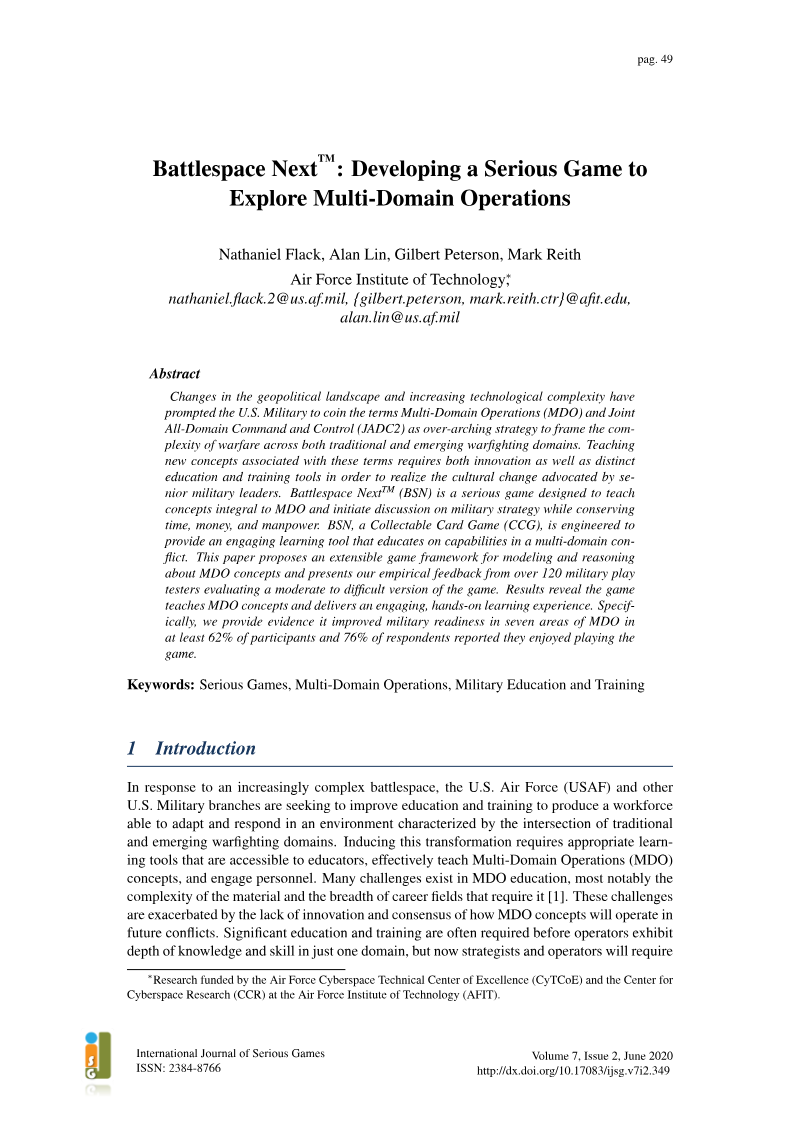
Air Force Institute of Technology · 2020
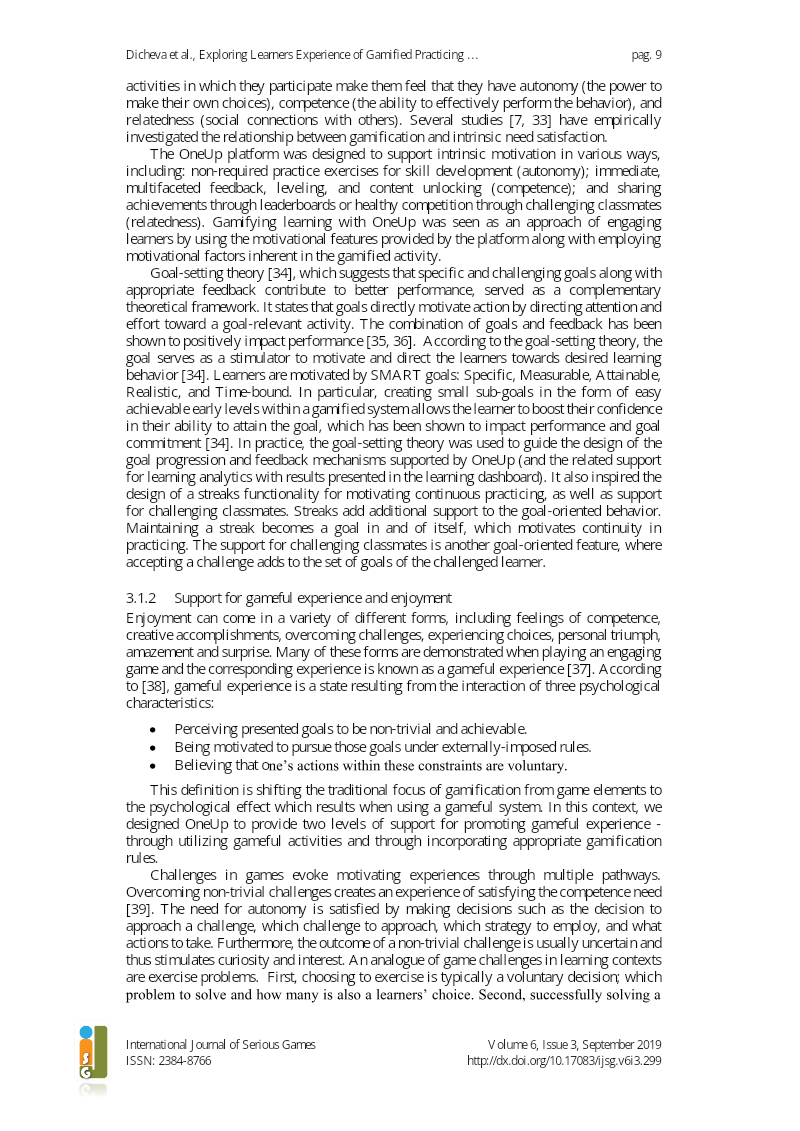
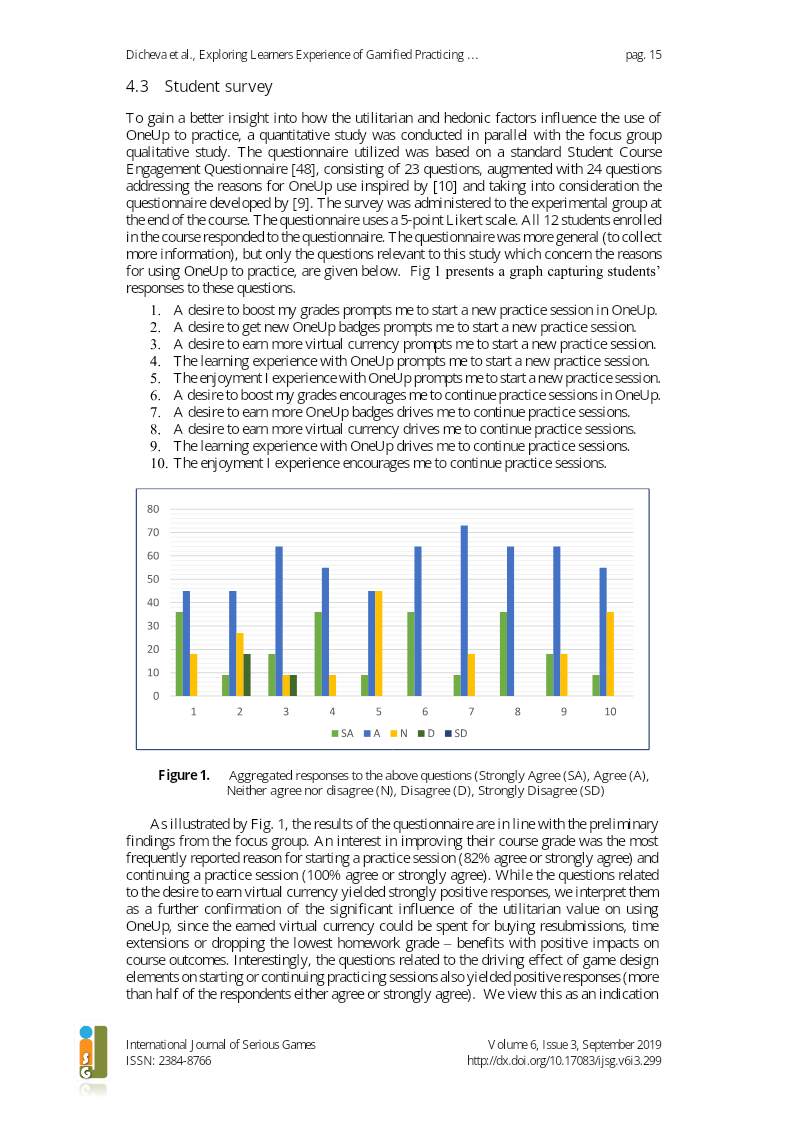
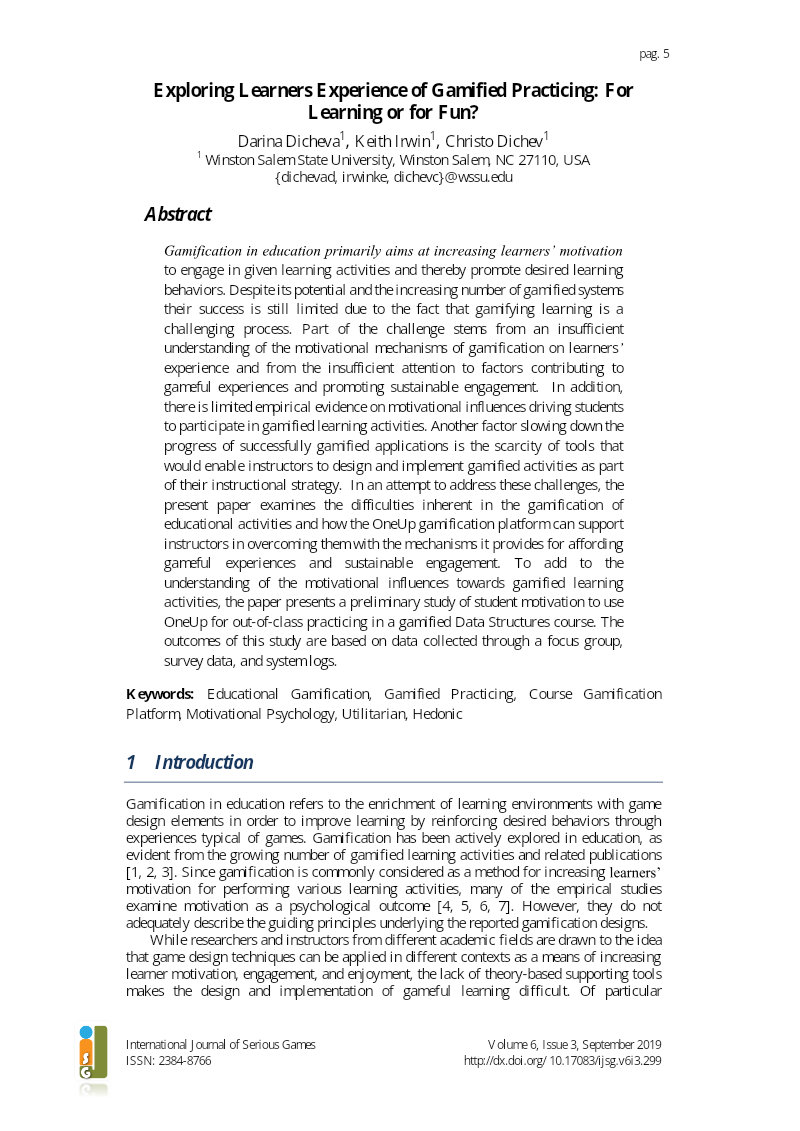
International Journal of Serious Games · 2019