Transcript
[Music] welcome to the navi gaming podcast where it is our mission to explore the business and future of video games we bring together the industry's brightest Builders investors and thinkers to keep a pulse on current events dissect emerging Trends and games share Lessons Learned and have a great time this podcast is also part of novic growing ecosystem which ranges from free and premium research to Consulting and advice services for more information visit [Music] www.nic.edu higher ecpm on their iOS optout users and drives better results for advertisers this works by delivering their campaigns to more receptive and relevant audiences using first-party data and Behavioral analy analytics on
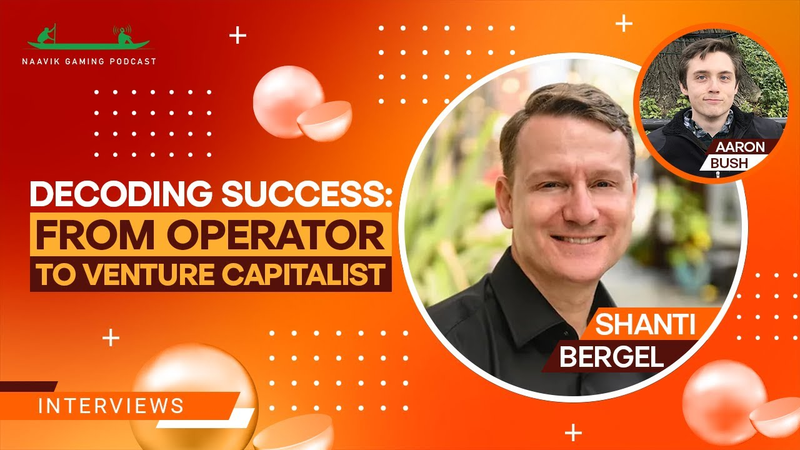
an app bya basis a simple two-step integration enables them to Drive Superior results for advertisers while increasing arpd for Publishers in a 100% privacy compliant way you can learn more about how nefta can boost your results at nefta doio now let's jump into the episode hi everyone I'm Aaron Bush and today I have the pleasure of chatting with Shany burgel Shanty is the founding General partner and managing director of transcend fund which is one of our industry's most prominent and higher performing Venture Capital firms I wanted to talk to Shanti in part because we're always trying to better understand the state of the market and what's coming next in gaming but also Shanti has a fascinating career and gaming that extends well before he became a professional investor he's worked all around the world at all sorts of prominent Publishers among other businesses he's lived and operated through previous platform in business
model changes and I think he's seen a lot that we can all learn from so without further Ado Shany welcome to the navi gaming podcast hi eron thanks for having me and thanks for that very kind introduction uh really excited to talk to you today yeah it's going to be a bunch of fun so we're going to chat about venture capital and gaming what you're excited about in the future and try to pull some lessons learned out of your various career steps but I think we have to start at the beginning Shanti can you tell us the story of how you first got into the games industry in Japan at interplay entertainment I believe what was that like in the 90s and how did that set the foundation for your career in gaming yeah um so I was a Japanese major um and a foreign exchange student in Japan and college and so I was really excited to get my first job in Tokyo and I'd been something of a nerd my entire life up until that point so I was into D andd and computers and chess and I actually wrote my very first game uh in basic on a Commodore pet 3000
which was the computer even before the the Vic 20 and the Commodore 64 um and so I got you know I was saving up for my own computer but we had one in the math department I think so I wrote games even when I was you know like in sixth grade um and so interplay was a US kind of PC console developer and it was starting out in Japan um I was employee number two um and the company was um at that time you know I think considered to be um along with Electronic Arts one of the more Premier Western you kind of game developer Publishers at the time I joined the company was making a game called descent um which was a competitor to Doom it was a 3D shooter set in space um and you know followed a similar shareware model to what Doom um had become so uh successful pursuing uh and so that was the game that released shortly after I joined um and then I left the company years later
um as the company was releasing actually hadn't quite released it was still under development a game called balers gate which needs no introduction these days but at the time it was the very first RPG from a small company called BioWare um which before that had not really done games like that and when I was in Japan I actually helped the founders work on um their very first game which was called shattered steel it was a Mech game uh so this is a long long time ago um but you know because great introduction to the industry was the beginning of my personal Network in the industry and that now stretches across as you said Decades of time continents of space a lot of business models and a lot of different platforms um so the PS1 era is probably the most effective way to think about the time that I entered the business um so this was PlayStation one 3DO um so 3dio um is kind of a platform forgot to time a bit um but at the time it was a you know a very upand cominging platform tricket the founder
of 3dio had left to start this um kind of platform that was one of the first CD round based um publishing vehicles for developers and interplay had put a lot of um effort into creating a slate for it um and it was a very different industry so this was you know CDs at retail um so selling into retail accounts um you know in the US that would be things like Target and Walmart but in Japan it was Akihabara and a bunch of other you know kind of local retail chains um and it was you know like I would say quite a far cry from what we see today um and there's a lot of kind of wides space in between you know like that era and now um but you know like it was a it was a very instructive time to kind of get to know how you know kind of creative Frameworks work how business Works um and also to you know kind of learn all of the Japanese flavors of all of those things which is what I was doing as kind of a young person living in Tokyo at the time yeah that's fascinating I wish wish I could have
lived through some of that my myself and gotten um some of that experience um so I didn't know you were employee number two there um and I know after that you also spent some time as a Founder at a couple non-gaming companies and then from there uh went on to work at multiple Publishers like EA playfish gree fun plus um and so maybe we can kind of hit on on all of these and just try to pull some type of lesson learn that you gain from these unique companies at you know unique periods of time and so at EA you worked on what are now some of the largest gaming IPS in the world that are just massive like FIFA and The Sims uh you set the foundation in Asia for FIFA online which I think was EA's first free-to-play game although you can correct me if that's not true and you similarly crafted a multi-platform strategy around the Sims which I think was also relatively novel at that time too um so that's a lot of important stuff at one of our industry's
most important companies how did this time in your career influence your thinking on adapting to shifting business models and platforms worldwide and are there any lessons from that that you think still hold up today pretty well yeah there's a lot to impact there um so it was a really interesting kind of inflection point in the industry from when you know I kind of I got into it you know like as I said you know in the CD phase back in Japan um I actually left Japan probably because of the the online um you know kind of boom I I was on a business trip to the US and a friend of mine worked at silicon graphics and which was a you know as a workstation manufacturer back then and he showed me Netscape running on a silicon Graphics machine um in the very early days um and I was kind of flabbergasted what this implied and what online could do um I went back to Japan and started you know kind kind of looking at things that enabled you know
Network play um we had already been playing with some of this stuff um but it definitely informed you know kind of the next coule couple of steps for me personally um so you know I I eventually ended up at EA um and as you said I did actually author you know the the business plan for for what something that later did become um I didn't ship it personally I just wrote the the initial plan for you know what I was calling at that time soccer online um which was the result of um my you know kind of spending time in in Korea and and China and understanding you know kind of the freeo playay model back in 2005 um and bringing this kind of back to the company and proposing ways that we might take advantage of it um and you know EA to their credit was very receptive but on the other hand I think was right not to prioritize it immediately um and you like the right timing for it you know like did come a little bit after I handed the re over from that particular you know kind of
initiative at EA Sports and moved over to the Sims and on the Sims you know like my big I think contribution there was probably the very first Sims mobile game um so this was on Java and Brew not not you know smartphones so this is very old school mobile um and you know very different ecosystem very broken um you know very hard to navigate this is when you had to like make hundreds if not thousands of different versions of a of a given game different memory profiles to be spread across this really complex ecosystem um and a lot of what I learned you know in both those cases was really a bunch of hardw insights about platform Transitions and business models and pattern recognition um I would say that I also learned that you know like focus and audience and you know what time it is in the ecosystem and salesmanship frankly matter almost near nearly as much as talent and strategy um and so you like a
lot of that you like I do take into you know like you know additional parts of my career that came later but also you like the Venture work that I do now cool um so from there uh the next step in your career when EA acquired play Fish I believe you played a role in helping that team grow into new markets and even set up a new advertising business with them uh what did you learn about successfully growing games and games teams across new countries and regions that today's Executives and entrepreneurs could could learn from so I think one of the things that I learned both there and other times that I've tried to do you kind of crossborder product development where you like so for example you know like both at EA and at playfish you know like I was involved in developing product that was going to be either deployed in Japan or someplace else I think you really learn to respect the depths of the markets that you're going into um and why um players behave
the way that they do um and I think that that learning has been reinforced to me again and again um it was reinforced to me when I went to mobile um and it was reinforced I think U most recently um when you know like I I took a look at the you know the sales charge for last year and you know like was was just reminded once again that you know like premium is not dead um that freeo play is still you know kind of not necessarily the only business model left in our in our business um and so I think what I learned when I tried to go um take Western product to Japan for example you know as you're talking about playfish um is that you know like that audience and that market you know like has a lot of texture to it um that you know like they're not just you know like kind of waiting for your product to arrive you know they have their own history their own culture and their own you know kind of set of criteria to what good looks like um and you you know like understanding the depth um particularly
on the audience side is something that we as a fund spend a lot of time with now um we even you know describe ourselves as an audience first fund um you know to the point that you like we we view it as a as a primary way of viewing you know some of the challenges of creating something meaningful in the industry and so you like that is something that I I encourage you know like everyone in our ecosystem our Founders and my partners to think about um and it is in some small part probably because of that history you know at playfish um and also at uh at gree where I also was involved in developing Western product which despite the fact that g is a Japanese company we almost never shipped our our our us-based games into Japan um and so like a lot of that kind of interplay between myself and those teams back in the day you like we explored a lot of ground on like why this content works here why it doesn't work there what it takes to be Best in Class um and create things that are meaningful to people people who are going to be on the receiving end of the
products that you're creating so um I kind of want to double click into this a little bit uh like if someone today an entrepreneur an executive they were looking to take their game into uh Japan and they're you know a western based business is it harder or easier than it used to be do you think um you know like what is that listening and understanding the audience like what goes into that that might be a bit different today than in the past like do you have any thoughts around um you know how to best succeed in doing that today versus um kind of when you were at the playfish GRE days yeah so I think it it always depends a lot about what kind of distribution environment you're you're kind of going into one of the most amazing times that I saw in the Japanese Market was when non-japanese games were at the top of the charts on some of the social platforms so this was in the early days when when Mixie had a social platform I think most people these days think of Mixie as as a as a mobile game
company because of their you know kind of huge hit that they have on mobile but way back before they did that they were one of the very first kind of social gaming platforms um and Then followed by DNA and G um and you know like when they first opened up their platform um uncharacteristic for Japan um a lot of foreign developers Rose to the top of their of their of their charts um that moment didn't last forever um and eventually you know kind of the local develop I think came up to speed in terms of what good looked like on that new distribution uh vector and so you like the way that the opportunity space is often shaped by distribution and what that implies for Content I think is an underd discussed Topic in the industry and is pretty primary when you want to get to the root of some of the questions that you're bringing up is like can a game succeed in Japan maybe uh but it also depends on like why it would have an unfair competitive Advantage right now War when it comes out or whatever it
might be um because you know like to be fair you know like this is one of the most sophisticated gaming markets on the planet you know like yeah um most of the console industry you know was born there um whether it's the hardware manufacturers or you know like kind of the game developers um deep deep history in terms of um understanding what great gameplay looks like and real attention to craft um you know some of the very best developers over time have definitely you know kind of come from Japan um that said you know like a lot of the the technical based disruptions in the market haven't necessarily been quickly followed by that development community and they've you know kind of been behind at at certain moments but when it comes down to understanding you know the way that an manga and other things like that play into the cultural kind of landscape and why something will be a hit there um I think you know they do have some unfair advantages that Western developers don't gotcha so uh you also you know you worked at gree for five years where in that time you acquired funo
which I I think got g into freeo playay Mobile at the time that was 2012 again you can correct me if I'm wrong um you also set up G's publishing framework um I don't actually know that much about the gree of 10 plus years ago so maybe you you'll need to paint the picture a little bit for for myself and the audience but um you know what are you most proud of from your time at gree what were some notable Lessons Learned there whether about m&a publishing or something else gree at the time was a really exciting company and um one of the reasons was is they were a real innovator in um in Mobile social gaming um so at the time uh that I joined gree still had um a a feature phone business in Japan that was really profitable so they you know like before smartphones kind of took over the market um the IM mode was you know kind of this dominant force in Japan and you know G had a really great you know kind of port portal and gaming combination
product that was really dominant so it was them and one or two other companies that really had you know kind of a lock on the Japanese Mobile Market at the time and had developed some of the biggest hits um in the entire space and I think it was contemporary with with the rise of of companies like Zinga um so I think there was a lot of analysis by analysts done back then as to like pound per pound I think like employee for employee like how much more profitable green and DNA were than you know some of the local companies like Zinga um and you know like they were as a company uh trying to move into the Western business but also the smartphone business um and so my role coming in as the head of Corp Dev there um was you know to you know basically analyze the space and to help build you know like the the Western Studio system so the acquisition of funio um was something I was actually quite proud of um because funzio at the time um this was the very early days is a free-to-play Mobile smartphone um they had I would say you
know three of the top 10 um grossing games on IOS and Android uh and you know they were a venture back startup I think they were raising their series B when we went out and and and made a pitch to acquire them and it wasn't an easy thing to do actually um they were a very hot company they had a lot going for them their revenue was growing month- on-month made it a very tricky transaction to kind of Corral um but we did manage it and it put together the the the the uh the beach head for a Japanese company in the west that was running profitable games the thing that I think most of the industry didn't see that we were actually planning on and later became true was that live operations in the west was pretty nent you know like there was no deep understanding of a live operations Playbook some people didn't even know what the word meant um and freeo play was really young um but I had spent um a
couple of years in a free-to-play game developer prior to that was part of the reason that I was so excited for this particular you know kind of transaction to go through um is we were very confident that we would be able to you know like um increase the the longer term revenue of these these franchises that we were buying and then the ones that would be produced by that studio because we already knew you know the power of the free-to-play Playbook from you know Greece business in Japan and my own personal his other where other places and so um we then I think with by the end of that year we 5x the Run rate of you know the funo portfolio within pretty short order um and so it definitely worked yeah that's really uh exciting um so we're nearing present day um in your career but uh between gree and transcend you also spent a couple years as an executive at fund plus um I don't know much about your time there so maybe you
could just kind of fill in the timeline uh for us what did you do what was your largest takeaway or to from your your time at fun fun plus there there's fewer big things to point to at fun plus um I would say the biggest thing I did frankly was was was help recruit Chris petravic um who's the current chief business officer away from Zinga and eventually to uh to fun plus um Chris I think is a is a spectacularly talented executive um and you know doesn't get enough credit for his contributions to the amazing turnaround that Frank Jabo and team pulled off at Zinga um and so to to help bring him into fun plus was actually uh quite a coup um but in terms of other things it wasn't a ton um you know I was focused at that point on on investing um and you know like the you know the Investments done by fun plus you like not too much I can you know kind of share with the audience unfortunately yeah no that's fair um but we can go
ahead and kind of shift the conversation over to just some like bigger picture Lessons Learned try to tie some threads across all of these experiences um so I mean for one you are clearly successful in much of what you did but um obviously the industry is dynamic things don't always go as planned were there any failures um across any of your experiences that kind of form the way that you operate or invest today that are worth out oh yeah now there were unfortunately there's lots of course um you know like I think games are are a business that keeps you humble um and so one thing that's interesting to talk about is probably so in in 2008 I want to say um freeo play was was kind of a Dark Art still um and I was at you know a company called three rings which made a game called puzzle Pirates I'd intentionally gone there from uh EA because it was the
only literally the only free-to-play developer um in the area that I could find um and I was very interested in understanding how freet playay games were actually made and operated um you know there was a couple companies that were importing them from South Korea at the time U that was kind of interesting but to get close to the metal and understand kind of the E and flow of actually how this new model really worked was what was on my mind um and so that's why I joined the company and then one of the projects was under development it was coming out in 2008 was this um really ambitious um ugc virtual world kind of platform play it was contemporary with things like Roblox and Neopets and hobo Hotel mvw Second Life a lot of these companies probably don't ring out anymore except for robloxs of course um but it was a time when you know like that type of big idea around virtual world worlds was definitely being explored um and we made
a bid to kind of lead the market with this project called World Whi or LED um it was also the year that um Mob Wars came out which is um not as well known as a a game that followed it later called Mafia Awards but it was um a big deal in the developer community in San Francisco where I was at the time because all of a sudden it became rumored to be doing like a million a month which no one could really believe like how is this little game you know kind of developed by I think one guy um you know like doing so well on a new platform like um like Facebook that's where it was being being done at the time was he I think he deployed it on maybe Myspace and Facebook but in any KS you know there's these these rumors going around that you know like Dave is making a million a month basically um and so you like as we are doing this big platform play Zinga um which was still a startup and very small at the time they fast followed um and after kind of some
legal elbows they ended up locking a very cash generative Beach head in this fast-moving Facebook platform that was giving away you know free traffic to developers um and the Facebook ecosystem became the place for freeto play until mobile um so oxygen for other things like world for example became kind of in shorts Sly and you know like from that early virtual world cohort um only Roblox has really broken through to deliver on the big Grand Vision um and you know like of course it's a jogger nut today and I forget the exact numbers like 70 million Dau couple billion in Revenue um and as amazing as that all is you know like the thing that really impresses me to this day is was their ability to not die um from 2005 to about 2013 which is a very long time um because you know like we asked about mistakes you know like I was you know like at a company that was pursuing you
know like this arguably a very similar strategy um and we missed not only the roadblocks outcome but we also missed the Zinga outcome um and so you know like why and you know like we were we were really well positioned we were one of the very few you know kind of developers in the western world that understood freet to- play at all um and yet you know like you know not necessarily you know in you know kind of The Sweet Spot when it came down to you know kind of these these hard terms that made the difference for you know both of these in retrospect um so that was definitely you know like one that you know kind of leaves a lot of lessons for me personally and it has a lot to do with um how platforms work um because of course there's a lot of controversy and debate about how you know like that growth pattern that Zinga you know was able to sustain on Facebook really worked um and then the transition to mobile um which really was the thing that in what about 2011 2013 you know gave real rise to Roblox in my opinion
um and so you know like their ability to stick around and and catch that that that mobile wave you know like is really amazing to me um because it was so long that they were you kind of building um basically you know like in a in a in a very hu you know humbling you know ecosystem that didn't give them a lot of um great feedback signals and so you know like as a VC now you know like I think a lot about you know like the time frames that we look for return on um and you know kind of the nature of different platforms and what good looks like against those opportunities yeah that's a fascinating answer um is there anything else you know tactics wise or strategy wise that sort of made the difference between some of what you were talking about versus becoming uh you know succeeding as Roblox and surviving kind of throughout business model Transitions and just you know just making it work in various ways until something something clicks is
there any more in there that's worth unpacking the thing about zinga in particular in retrospect that you know like I've grown to admire um despite you know kind of the the companies I think in the San Francisco ecosystem I think they took a lot of um slings and arrows some of it probably rightly so for you know kind of fast following you know other people's game design um but they were absolutely ruthless in um their application of of data analytics um and their pursuit of a better player Journey um and so I think one of the things that I learned to you know kind of uh adopt and you know like I think it's you know good advice is to try and learn from your competitors and try and learn from everyone around the ecosystem and not dismiss them as you know like whatever um you know like doing the wrong thing if you don't understand why they're doing it um and so I think you know every time I see a successful company I I'm mean immediately interested in why they're able to pull that off it was one
of the reasons that I I was interested in fund Plus on paper I disagreed with almost every decision that they had made to get to the point that they were monstrously successful and then they did it again and again and it it just it was it was it was amazing to me and I was like well I I clearly don't know anything about this I need to go learn from the Masters what did you learn at fun plus that changed your mind on that I think the founding CEO is is an exceptional rur um and he has an uncanny ability I think to um to push forward and pull back um in exactly these moments where you know like you know I was basically commending Dave the founding CEO of of Roblox for his ability to not die and I think there's some of that you know like in what Andy the founding CEO of fund plus has been able to do you like he just very consistently rides the waves with just a really uncanny ability um and you know like the the flexibility that he shows
mentally to situations um was kind of breathtaking from time to time um coming from a big company where you know like I I was basically you know like frequently arguing with the board about you know from my perspective things that didn't matter um to working with you know like a private company and an entrepreneur who was willing to throw away everything at a moment's notice to you know kind of grab the next big thing it was just an incredible form mental plasticity that I've never really seen before um and I think it it really does you know kind of sit at the very center of why companies like that are able to you know kind of um pivot in in an industry that sometimes requires it interesting um so I think you've had some mental plasticity too over the years to use the term as you've you know navigated the the changing the changing Waters of of the games industry um really probably more in various Business Development roles um that you know kept you on The
Cutting Edge of all sorts of Trends deals corners of the world um we certainly have listeners who are in and around Business Development and have aspirations for for their Futures their careers um what did you learn about being good at that type of role that other aspiring bizdev people can absorb and put into action so I think the things that I learned um so one thing that I learned was I was only going to be good at it if I could do it the way my way essentially so like I am not a predatory transactional person so I couldn't be good at predatory transactional Business Development um so I like to find um you know like win-win situations um I love strategy and so it was very important to me to only be in in business development roles where that was going to be helpful to the success of the company um and so I think part of it is you know like understanding what you're good at and being being able to like make that an important building block for the company's you know plan um
and so you know like both are critical and I said you know I like strategy salesmanship is really important if you're going to be in DD um and nobody you know I I used to have this this debate with people who didn't want to be called salespeople um and I was like why not you know I agree with you by the way but but why not um you know it is I think a dirty word to a lot of people who want to be um a little bit more glamorous and a little bit more perhaps respected in the industry um but it's really key um and so you know like I think embracing you know like the reality that you know like I was saying before you know like success comes from a number of different factors and strategy is definitely one of them I think orienting yourself correctly is you know like a good piece of the battle but being compelling and being able to deliver the message and being able to sell it through absolutely is a key bit um and it's not just to the outside it's I mean half the time I was arguing to sell the deal to the inside you know like convincing my own company
particularly the larger ones of the wisdom of something for example as crazy as free to play back when no one was doing it like that's going to take some some real salesmanship and you know like it is I think a critical part of that role and I would encourage people to you know like find that superpower and then put it to use only you know like for the good um you I think it was Warren Buffett who said you can't make a good deal with a bad person so you like don't be that person but again you like this kind of betrays my my personal orientation yeah what else did you learn about uh becoming better at at sales so I think once you like for me personally you know like kind of having grown up you know like kind of loving the strategy side and cringing at the at the sales side um Letting Go the mental you know kind of um you know tax of you know like um not wanting to really study you know this thing that you know clearly is very important once I was p that hurdle it was actually quite fun um you know I
think understanding you know like why Steve Jobs had such a you know like a reality Distortion field um why certain people are able to raise money on the exact same pitch that other people can't um you know these are all really important things that matter um and so you know like I think it's uh it's quite a lot of fun to understand the the inside of why these things work there's a lot of books written about it um and you know I'm sure you like people don't need me to recommend them we could go look at Amazon so also you know throughout much of this time for several years in your career you mentioned how you did investing at fund plus you took part in Deal making previously you also were an angel investor for several years and um you invested in some notable companies like coinbase shipo super evil Mega Corp um how did you operate as an angel investor and you know improve as an investor throughout all of these different types of experiences um and then after this we'll we'll get to what you're doing with transcend today sure yeah so being an angel in San
Francisco is is kind of um a common thing A lot of people do this um and so I was doing it you know like on the side when I had a a day job um and I did it you know kind of because I a wanted to learn more about that world but also I had friends who were starting companies and you know like I was interested in in helping them you know they would sometimes approach me um and say like hey can you be an adviser can you know kind of participate with us in some way and you know like investing was the the next logical piece of that so I would frequently Angel invest in you know kind of companies like super eval Mega Corp which is started by you know some former co-workers of mine from playfish um and you know like I would say it's it's very different from being a VC there are some common elements of course um but being a fund manager and being an angel are definitely you know kind of very different roles go and did you ever have in the back of your mind as you were doing this
um that you wanted to start your own Venture firm or or how did transcend come about what was the the origin story there yeah transcend is definitely kind of the The Logical conclusion of a bunch of different threads you like in my personal career and then my partners and I read on on on the ecosystem um I I actually wrote a post at the very beginning about what you know kind of drove me to start transcend at the firm's launch in 2020 um mostly underlined the fact that you know games are no longer a nerdy subculture and that they've kind of gone mainstream and now Drive socialization and culture and you know particularly for genx younger um but you know like I think that's almost you know like kind of of course and you know like accepted by most people at this point I don't think it was quite as obvious you know like just you know was it four years ago um and you know but you know to answer your question you know one of the reasons that we were I was interested in in in starting a fund um was that I really
enjoyed working with um you know with entrepreneurs and Founders um and I recognized that uh my ability to make use of all the knowledge that I've acced over 30 years of working in the industry you know like kind of required you know like some kind of breadth of surface area in order to really be effective um and so a fund is is a really nice vehicle for that and So eventually in the beginning of I was able to put that together nice and uh maybe you can catch us up to the present day a bit uh maybe you can tell us a bit about the core investing thesis behind the firm today whether anything has changed um and then you know just where are you like how big is your team what what funds have you uh raised and deployed so far just any any details that would kind of shape up people's understanding of transcend right now yes we've raised two funds we have an investment team of six in key geography around the globe um we're focused on preed and seed and interactive
entertainment um our first fund was in the top desis of its Venture cohort we have high hopes for the second one which we closed and announced last year um both were targeted against um a thesis in as I said uh interactive entertainment and you know kind of the I mean we named The Firm transcend you know like because of you know like what we see as the uh the changes in the in the industry and the ecosystem and the opportunity space I mean we've seen since then since the foundation of the fund in addition to multiple 10 billion doll gaming franchises we've seen the Mario movie you know Disney and Lego both invest billions in Epic um Last of Us is you know a top rated series on HBO and all these other you know kind of proof points that kind of under underline the audience dynamics that inform our thesis construction the reason that we're so excited about games even in the wake of you know kind of last year's kind of
Rough Waters like we've remained pretty dedicated and and enthusiastic about um games and interactive entertainment as an opportunity space because you like we we kind of take our cues primarily from audience and the audience expansion and the the technical underpinnings um of their access to you things like games are pretty inexurable they're pretty inevitable I mean even if you just hold things constant which is not going to happen the you know the demographic walk washing through of gen Z and gen Alpha is going to grow the games business you know like pretty pretty easily um and so we are you know like very excited to this day about the opportunity to continue invest in interactive entertainment nice um and is there anything unique you would say about transcend fund either in the way that you invest view the market work with Founders anything else yeah so I mean like I said we we've always described ourselves as an audience first fund um
and so you like while our research and our calibration um work surfaces new areas and opportunities over time um you know our core orientation kind of remains rooted in the Decades of experience reading the audience companies in Digital entertainment um our work with Founders is also rooted in that um because we have built game companies and because we have been through the B process we've been in the boardroom and the shop floor you know like we're familiar with you know kind of the full Arc um and it's definitely something that you know like in the zero to one phase which is where we work with a lot of our Founders we help them scaffold what we think will be um a company that is not just capable of delivering on the thing they pitched us but hopefully a better version of that one that is almost inevitable in terms of its success pattern and you mentioned uh the first fun returned in the top desile of of of
the the space which is phenomenal um is there anything that you would credit to to why you were able to pull that off in your process and a unique way of viewing the market or identifying Founders so having spent you know like 30 years you know like basically being on and evaluating development teams I think helps a lot um so I mean part of our Mantra has always been you know working with ambitious people who are making things that matter and The credibility to achieve them so The credibility piece I you know I personally am spending a lot of time with um just because it is um a very hard business to succeed at um so the you know the power law Revenue distribution of of video games is the same as it is for movies and books and any other form of content really um and so it definitely matters if you're going to invest in content and we do have Studio Investments that you understand the difference between you know like this team going after that market segment and and another team um and so
you know I would say that is something that we you know kind of have a different view on just because of our personal histories you know like you've heard a lot about mine but um my partner Andrew Shepard who was the president of cabam and sits in Southern California um he's one of the best free-to-play operators I know um and so he has a long career in history that is you know kind of additive to mine um and so as a group we definitely you know have a lot of domain expertise in history and relationships that we unpack in service of our Founders But to answer your question about like why it works you know there's really only three things I guess a venture fund is doing I mean we are trying to see all the you know kind of the surface area of the market so all the all the deals essentially we are picking the right ones and then we're helping the ones that we pick become worth you know more over time um and I think across all three of those vectors we're pretty uniquely formulated to push hard on you know each one of those levers um so
we're you know very purpose-built for the job very cool um so on uh this podcast we've discussed Venture Cycles a few times um but do you have a unique perspective on what we should expect in gaming VC at large over the next couple years like where where do you see the most opportunity are there zones that you're still a bit hesitant about how do you view the the space over the next couple years big picture we're we're bullish long term I think shortterm definitely you know like the the fact that there are some there some chop it needs some introduction people are very aware of that um in terms of specific spaces it's always a little difficult in games to you know kind of prognosticate you like how fast something might happen but you can definitely see the bones of you know like Ai and ugc of course are you know kind of very relevant and very topical but they have been for a long time um and so like we we have several
companies in our um in our in our portfolio that you know like of course make use of these building blocks you know like I made use of ugc as a building block back in Sims many years ago um these are not you know kind of new Concepts they're just kind of reformulated in new and Powerful ways and so you like we try to respect you know kind of the history of some of these ideas and how they've been done before and then alchemize them against you like the actual Market that we see coming and try and understand like what is most likely to produce outside you know results and you know I think the the most diff difficult aspect of that tends to be on the distribution side um trying to understand um how you will you know kind of create replicable unfair Advantage for the entity that you're building um you know creating a platform that then is able to you know kind of Leverage what you're doing again and again is I think the you know the highest form of that um I think one of the things that we have seen is that the
path to that is often through content ironically um so a lot of people don't want to invest in content because it's whatever it's a hit driven business um and we're comfortable with that we're happy for those people not to invest in the video games industry because we as you know kind of experts in that space are very comfortable making the call between good and not um and so you know like we're happy for them not to be you know kind of muddying the waters with you know kind of ideas that we think are you know probably shouldn't be there but when it comes then to the next stage of like oh and now this becomes a platform play I think one of the things that you like is hard to bridge sometimes is platform play out of the gate um is very expensive um and content out of the gate can often generate cash that produces um you know kind of platforms over time G was very much like that um you know G had a hit fishing game um that was it that start was they had a highly cast generative fishing game um that built the platform that the company then leveraged into the next phase of its
growth which was dramatic um you could say that you know kind of Zinga experienced some of those Dynamics as well although it's a little bit different um anyway you know like we definitely as a team you know like kind of try to read the historical tea leaves into you know kind of the future distribution patterns um and like that's where we tend to get the most excited um I think there are technical pieces that come up from time to time of course you know like we as an industry I think we get very attracted to the idea that technical dislocation will create opportunity and sometimes it's very true um and so like iPhone was like that and Mobile in general um and you know social of course but you know like I think one of the things that doesn't get enough discussion is the hundreds of ways that you know developers and kind of fandom holders can read Their audience directly now this was not a thing you like we go all the way back to Playstation One era
when I was in Japan it's not possible you had to talk to your audience through magazines you sold your discs at retail there was no interaction with your audience now you can speak to them on Reddit you can speak to them on Discord you know there are hundreds of ways that you could you could Federate together your fandom and you know craft an interesting business around it um and so that toolkit you know like we're always very interested in like the evolution of that yes we're interested in VR and XR and you know kind of mobile and all of the the technical pieces that might unlock something um but even without that there's all kinds of demographic and Community oriented change that we find you very additive to the overall surface area of the space um and occasionally you see things pop through the surface area as big hits and you wonder why they happened and in my opinion some of those elements are why that's fascinating that's a that's a great answer um are there could you maybe give a couple examples maybe of your portfolio
companies that like fit into that distribution innovation in some kind of way that you're excited about um so you remember what I said about content sometimes leading to distribution um I I can't necessarily comment on you like which one of our portfolio companies are necessarily pushing that particular part of the equation just yet um so it's a little early for us you like in most of our companies um what I can point to you know like probably the oldest and most successful you know like our first unicorn um is a company called that game company and you can already see um you like their work with Sky which is their big hit um so that game company for people who aren't familiar with it um was originally a console developer and eventually released a very successful mobile game called Sky um it was the reason that they were able to raise about 160 million from sco and tpg about a year and a half ago um they oh and then the one of the co-founders of Pixar
joined as an adviser and I think that was a bit of a hat tip to anybody who was watching as to what was coming next they announced a um an animation Project based on Sky of course um and you know so this is I think you can see the the elements of you know their ability to like take their audience into um additional additive businesses and additional touch points reinforce the audience's engagement with the franchise um you know it's not necessarily an ansers your question um but it is I think a little bit of a um a view into you like how an early stage company is developing along that path gotcha now that's all that's all totally fair um and and related one industrywide discussion topic lately has been around like what investors consider investable for instance uh many investors have soured on mobile or web 3 or you know are debating whether outsized raises for
teams who haven't shipped and validated a product yet in their startup whether those you know are truly viable or the best uh source of investment dollars how does your team draw the lines around what it considers to be investable you mentioned you know a few big picture ideas that you look for are there any other factors at play that kind of help shape the lines of that box so to speak yeah I mean I think all venture funds work with the basic framework of you know like every investment they do they're trying to return the fund and you know we're no different on that front um but you know it really the rubber hits the road when you get into the mechanics of how you know kind of evaluation of any particular you know opportunity Works um and so you like the ability to see through you know kind of a um a pitch about right now versus you know like kind of the the the grand vanishing point um I I think we're all
familiar with at least some of your audience will probably be familiar with um how companies like uber for example you know like were misperceived um you know in the early days not understanding the transportation Revolution that they represented versus just being a front end for you know kind of you know black ABAB companies U and so the you know like the opportunity to see you know like a company's true potential you know like I think that is one of the things that we attempt to you know kind of uh put on ourselves as we go through that process every time um you've had the founders of Gardens on your podcast there we were and the seed lead for them um I'm on their board and we I think saw potential in their Vision um at the seed stage um which was um perhaps a little bit harder to see you know like I think a lot of investors have come back to me now that the company has um been so grandly validated by the rest of the
market they raised a Monster Series a um they brought in kind of a who's who of of investors after that um and so I think our ability to kind of like perceive that in the early days and kind of get underneath what Founders are really trying to build may or may not be a superpower of ours but like I'd like to think so yeah um I'm sure I'm sure it is to at least some extent um obviously many Founders in the games industry they might not have experience as being a Founder before having fund rais having been on the investor side of the table um are do you have any recommendations for those that are looking to raise money that maybe they want to come pitch to you their company on um how they can set themselves up for for better success and pitching themselves or making their case for why um you know they're deserving of Venture money Venture investors you know like if you understand their job well you know
like you'll probably have a much more um uh rewarding conversation with one um if you understand that they're looking at you as a potential um you know kind of 10x you know return um and that literally they view it as your responsibility to like deliver back that kind of uh return profile you like that is a better place to start um then if you come in like in the case of video games if you come in saying like I really want to make this game I'm pitching to you I'm also pitching to Publishers I'm also trying to raise money from my mom and my my uncles um like okay um I don't think your mom and your uncles are going to have the same expectations of you that I am neither is your publisher um and so you should probably figure that out before coming to talk to a VC um I think we we try to be gentle on this point but you know like it is definitely a big difference you know like um so I think that helps if you understand you like who you're talking to and and how they make their money um and why they are in the room um and so I think that is a a good place to
you know kind of begin um to the degree that you're working on something that is in that category um being able to articulate it in a way quickly and cleanly that is you know like um digestible by the audience sometimes is important I think when you're talking to people who focus on zero to1 in video games like we do you can go a little more inside baseball you can make references that are you know kind of very gamery and we're all going to get it um but what I coach some of our Founders on as they go up the up the ladder and they race series A and B and Beyond um is that you're no longer dealing with those people anymore um people don't get those references you like they don't understand you like all the the hip gamer lingo um and so you know I would say it's a good practice to start at the beginning to start you know kind of assuming that you like the people that you're speaking to don't understand um and then you can you know kind of go faster if you run into somebody who does um I know in Europe
the you know where I'm based now you know like the The Venture ecosystem isn't as as as it doesn't have as long a history um and so I find you know kind of companies with cap tables that include non-endemic investors sometimes um and they've had to you know kind of they tell me horror stories about board meetings with you know kind of folks who you know have you know like very different backgrounds and so they don't understand you know they don't understand how games work they don't understand what freet to play is and I think you know that is a very hard place to bring in a professional venture capitalist from the games industry like I'm not necessarily going to see eye to eye with some of those folks um and so round construction then becomes you know like kind of a concern like who is who is the right team for you overall you know you get your series a lead set your series C lead set and then like who you fill it up with all of this stuff matters um but in terms of like making a successful pitch there's a lot that's been written mechanically about this you like do a five slide deck no do a three slide deck no do a 10- slide deck I
don't think any of that matters um I think what matters is that you are able to demonstrate Mastery of your subject matter and that you have credibility against it everything else will sort itself out that's fair last investing question for you do you have any atypical investment views or or views on the industry like do you is there anything where you look out at what everyone is saying believing and think that's crazy or you know maybe the opposite of that where no one's talking about things and you don't understand why because you're really excited about you know what aspect of that technology or Trend will Define the future of the industry in some way any atypical views you want to call out so one um so my my partners and I we have deep history in freeto play as I was mentioning you know it goes back to like you know like probably the earliest days of freet to play in in the western markets anyway um the you know we looked up the only companies that I could learn
from at that point were all in South Korea you know like companies like Nexon um you know were basically inventing the category um but in the west you know like my partners and I were among the earliest in the ecosystem so we have a real deep familiarity with the toolkit and the history of the space despite that you know like we are among the few funds I think that will tell you that your your pitch to us does not have to be free to play um I think if you look at the you know the charts from last year I think you'll discover that that that premium is not dead um and so like one of the controversial things I think that we've been saying for a while is that um is that you like we are not we are agnostic about your business model um we want to see a return profile but how you get there is much more of a function of how well you are at crafting something that that lands well with your audience and how you can structure a relationship with them um to make it profitable for for yourself um so we do not you know basically tattoo you know freet to play across anything at the door um and I I
guess that's a little controversial these days given that you know like everyone has become such a fan which is ironic to me because I remember when nobody wanted to talk about it um but that's so long ago now that I think people have forgotten that you like other business models um can fit you know certain play patterns and certain audience types um and as long as that's a big enough market segment that also be investable um so perhaps that's controversial I don't know I like it uh final question for you if anyone wishes uh to reach out to you or transcend fond where is the best place for them to do that so we have an email address you can send uh any materials to or a pitch to it's called pitch transcend.com uh well let's go ahead and close here then Shanti thank thank you so much for joining me today and best wishes to you and everyone at transcend
fond if you enjoyed today's episode whether on YouTube or your favorite podcast app make sure to like subscribe comment or give a fstar review and if you want to reach out or provide feedback shoot us a note at podcast nov. or find us on Twitter and Linkedin plus if you want to learn more about what navic has to offer make sure to check out our website www.n . there you can sign up for the number one games industry newsletter navic digest or contact us to learn about our wide- ranging Consulting and advisory Services again that is www.nic.edu [Music]
Auto-generated captions from YouTube — names and numbers may be misheard.





















Comments