ArticleGamecity Hamburg
Corona Crisis: Additional Federal Short-Term Financial Assistance
1 pages~7 min full read
The federal government of Germany implemented a short-term financial assistance program in mid-2020 to support small and medium-sized enterprises, sole proprietorships, and self-employed professionals facing significant revenue losses due to the COVID-19 pandemic. The primary objective of this initiative was to provide non-repayable subsidies to cover essential fixed costs for businesses that experienced a decline in turnover of at least 40 percent during April and May 2020 compared to the same period in 2019.
The program, which featured a total funding volume of 25 billion euros, offered tiered subsidies based on the severity of the revenue decline. Businesses experiencing a sales drop between 40 and 50 percent were eligible for 40 percent of their fixed costs, while those with a 50 to 70 percent decline received 50 percent coverage. Enterprises suffering a revenue loss exceeding 70 percent were eligible for 80 percent of their fixed costs. Eligible expenses included rent, interest, utilities, insurance, and specific personnel costs not covered by short-time working allowances.
Maximum reimbursement amounts were structured according to company size, with a general cap of 150,000 euros for the three-month period from June to August 2020. Smaller entities were subject to specific limits, such as 9,000 euros for businesses with up to five employees and 15,000 euros for those with up to ten employees, though exceptions were permitted for small enterprises with exceptionally high fixed costs. Applicants were required to coordinate with tax consultants or auditors to secure these funds before the total allocation was exhausted.
Gamecity Hamburg

Gamecity Hamburg
Gamecity Hamburg
Gamecity Hamburg
Gamecity Hamburg

Gamecity Hamburg

Gamecity Hamburg
Gamecity Hamburg
Gamecity Hamburg
Gamecity Hamburg
Gamecity Hamburg
Gamecity Hamburg
AEVI · 2025
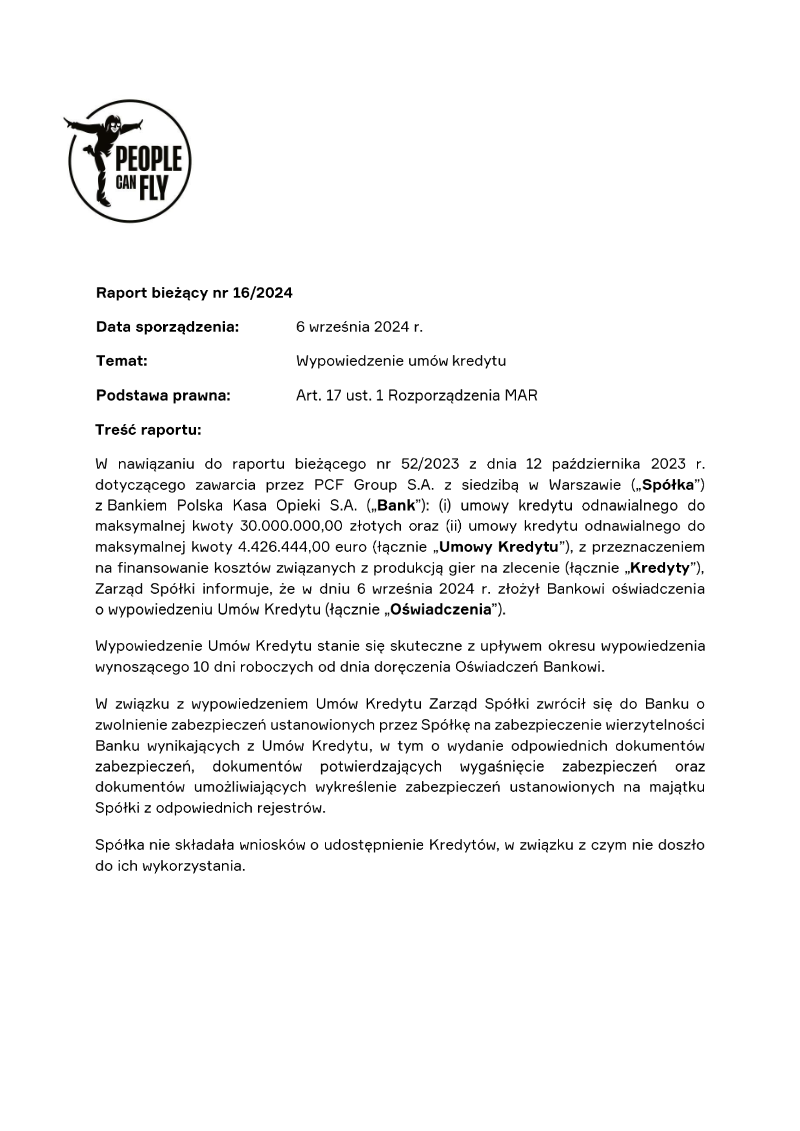
PCF Group · 2024
PCF Group · 2023
CESA – Computer Entertainment Supplier's Association · 2023
PCF Group · 2021
Ventspils High Technology Park · 2020
InvestGame
PCF Group
InvestGame
PCF Group
InvestGame · 2026
Marvelous · 2026