1 free read left. Create a free account for unlimited reading + AI research.
Create free accountWhitepaper DiGRA
1 free read left. Create a free account for unlimited reading + AI research.
Create free accountWhitepaperDiGRA
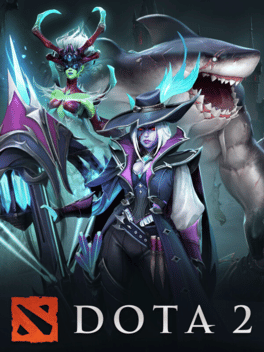
The study tested whether players' linguistic behavior shifts depending on the avatar they control in Dota 2.
This study examines how virtual identities are co-constructed through language in the online multiplayer game Dota 2, testing whether players' linguistic behavior shifts depending on the avatar they control. Drawing on Gee's tripartite identity model and the Proteus Effect, the authors hypothesize that three forces shape avatar-level distinctions: game creators, the non-virtual world (such as gender), and the player community. Linguistic markers of rudeness, politeness, certainty, and tentativeness, measured through LIWC categories, serve as the indicators of this influence.
The analysis draws on a corpus of roughly 7.5 million words from 153,625 matches, using chat logs retrieved via OpenDota. Hero differences were small but statistically significant. The strongest variation emerged along community-defined roles, with carry and support distinctions producing more pronounced effects than the game-defined Dire versus Radiant faction divide. Gender-based and faction-based differences were comparatively modest, and analysis of individual heroes revealed larger differences than analysis of grouped categories.
The authors conclude that functional, role-based distinctions may shape behavior more strongly than purely aesthetic ones, and that players and community practices contribute substantially to virtual identity construction alongside the designers who create the game. These findings lend support to the Proteus Effect in a naturally occurring setting. The authors are careful to note, however, that the absence of experimental controls such as isolation or blind interactants means behavioral confirmation effects and self-selection of avatars limit the strength of causal claims.
Each row is a game or company this document names, each column a document, oldest first. A mark means that document names it. Select a row to see those documents.

DiGRA · 2022

DiGRA · 2022



DiGRA · 2022



DiGRA · 2022

DiGRA · 2022

DiGRA · 2022



DiGRA · 2022

DiGRA · 2022

DiGRA · 2022



DiGRA · 2022



DiGRA · 2022

DiGRA · 2022