1 free read left. Create a free account for unlimited reading + AI research.
Create free accountArticle American Journal of Play
1 free read left. Create a free account for unlimited reading + AI research.
Create free accountArticleAmerican Journal of Play
Gee argues that discovery-driven play, as in Portal, is a real route to knowledge and is increasingly consequential for the modern economy.
Gee likens the exploratory behavior to a cat investigating its surroundings.
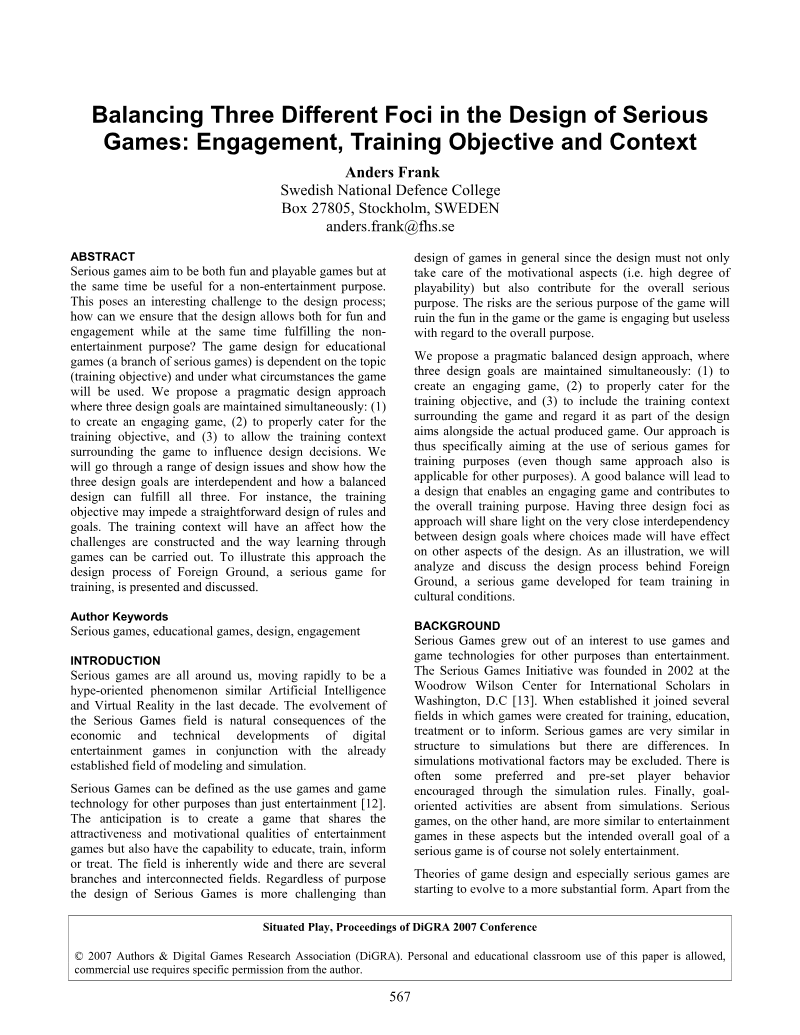
James Paul Gee's "Cats and Portals" argues that video games are powerful learning engines, and that the discovery-driven play found in titles like Portal mirrors how people build knowledge with tools in everyday life. Gee likens this exploratory behavior to a cat investigating its surroundings, emphasizing that players test hypotheses, exploit affordances, and refine their understanding through action. He illustrates the point with the case of a working-class young woman who taught herself Photoshop through The Sims and became a "Pro-Am," a passionate amateur whose expertise exceeded much of what her schooling offered. The overarching thesis is that play-driven learning is serious, increasingly consequential for the modern economy, and deserving of recognition alongside formal education.
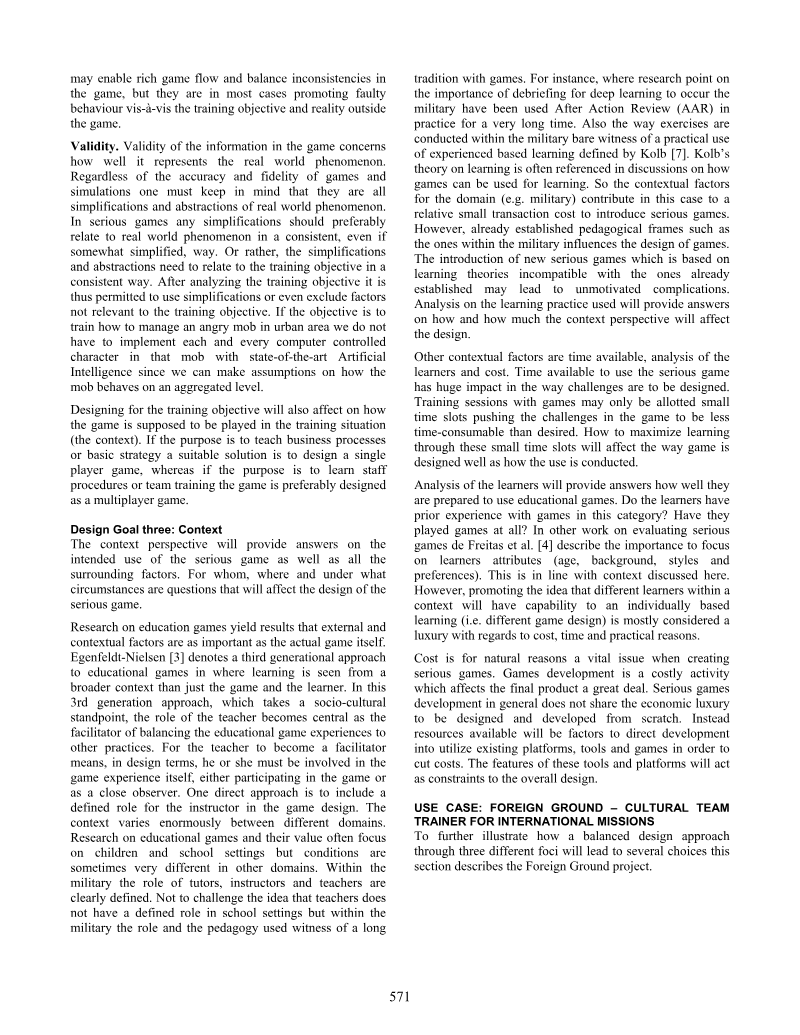
The work extends this argument to the broader culture of popular play. Cooperative environments such as World of Warcraft and the intricate rule systems of card games like Yu-Gi-Oh! require teamwork, specialized vocabulary, and sustained problem-solving, skills that parallel those demanded in school and workplaces. Gee observes that children often handle dense language well when it is embedded in a genuine passion, and he identifies the "fourth-grade slump," in which early readers struggle once texts shift toward academic language. He distinguishes the tacit learning typical of entertainment games from the explicit articulation that formal education prizes, and notes that fan-created wikis, websites, and strategy guides frequently supply that explicit layer. Words and symbols, in this account, function as knowledge tools that attach to emerging expertise within specialized niches.
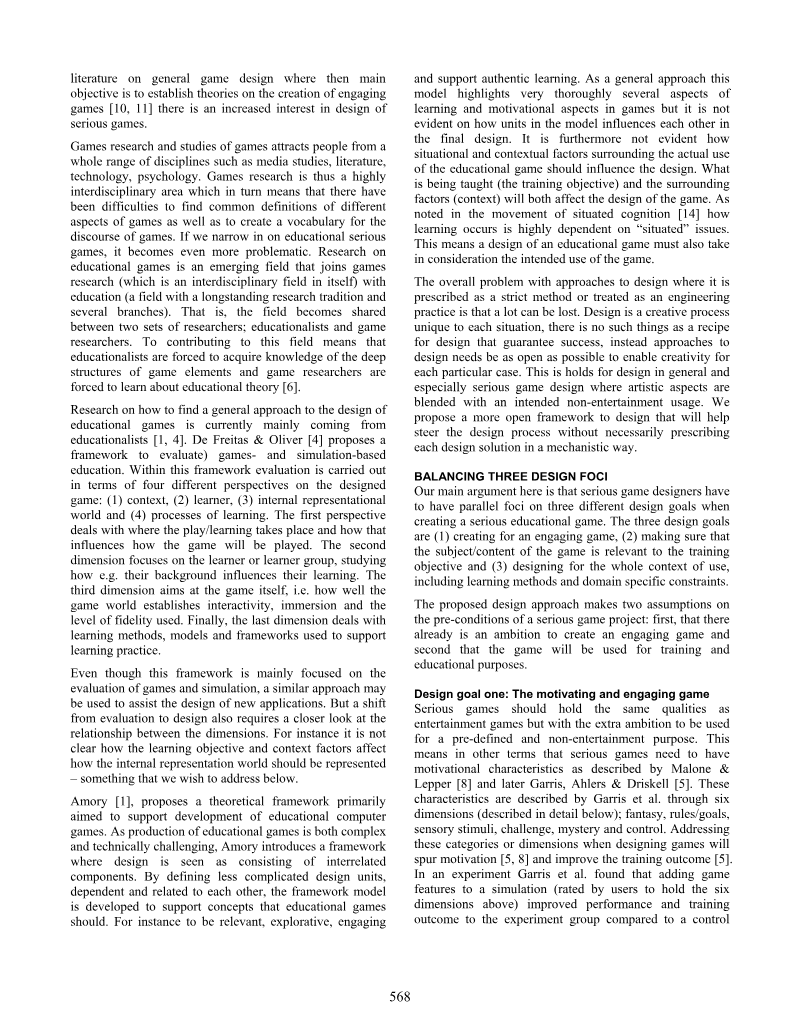
The concluding argument is philosophical rather than empirical. Games, simulations, and virtual worlds allow players to explore possible worlds beyond the real one, which Gee holds fuels debate about innovation and social change. He contends that children often lose their sense of discovery and their capacity to imagine new possibilities as they move from play into school, and he presents digital tools such as the portal gun as valuable for preserving that capacity. The analysis offers no quantitative data, instead advancing a reasoned case for reconsidering the relationship between play, literacy, and learning.
Each row is a game or company this document names, each column a document, oldest first. A mark means that document names it. Select a row to see those documents.
American Journal of Play · 2025
American Journal of Play · 2025



DiGRA · 2026
DiGRA · 2025
American Journal of Play · 2024
American Journal of Play · 2022
DiGRA · 2023