1 free read left. Create a free account for unlimited reading + AI research.
Create free accountArticle DiGRA
1 free read left. Create a free account for unlimited reading + AI research.
Create free accountArticleDiGRA
Distilling the key insights…
This paper introduces the concept of "ludic shopping" to describe how social network games (SNGs) blend consumerism with playfulness, centring gameplay on the symbolic purchase of virtual goods. Drawing on the player typologies of Richard Bartle and Espen Aarseth, the author argues that symbolic consumption constitutes a sixth, distinct form of play experience alongside exploration, achievement, killing, socialising, and cheating. The work frames this consumption as both a reflection of capitalist consumption logic and a positive means of identity construction, particularly for players who cannot afford such experiences in the physical world.
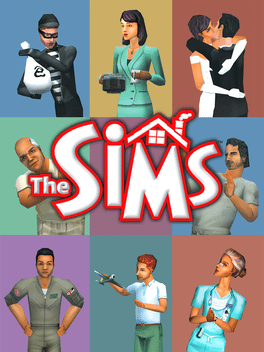
The analysis rests on a critical reading of game mechanics and player motivations rather than original large-scale data collection. The author draws on secondary sources, including an online survey by Rebs (2011) in which 54 percent of respondents said they preferred buying in-game items tied to personal desires, and on platform figures such as The Sims Social reaching roughly 70 million players within six months. Mechanics such as degradable goods, payable customisation, and time-limited seasonal items are identified as marketing strategies that generate ongoing demand for virtual purchases.
Drawing on Douglas Holt's typology of consumption, the paper maps three forms of enjoyment onto SNG play: integration, in which purchases express identity; classification, in which possessions signal affiliation or distinction, though the author notes SNGs offer limited options here; and involvement, in which items evoke personal emotion. The study concludes that the sociability inherent in SNGs makes these forms of enjoyment especially strong, distinguishing SNG consumption from that in other videogames and warranting a fresh examination of the relationship between play, identity, and consumer practice.
Each row is a game or company this document names, each column a document, oldest first. A mark means that document names it. Select a row to see those documents.

DiGRA · 2016

DiGRA · 2016



DiGRA · 2016

DiGRA · 2016

DiGRA · 2016

DiGRA · 2016

DiGRA · 2016

DiGRA · 2016
DiGRA · 2016
DiGRA · 2016
DiGRA · 2016
DiGRA · 2016
PocketGamer.biz · 2025