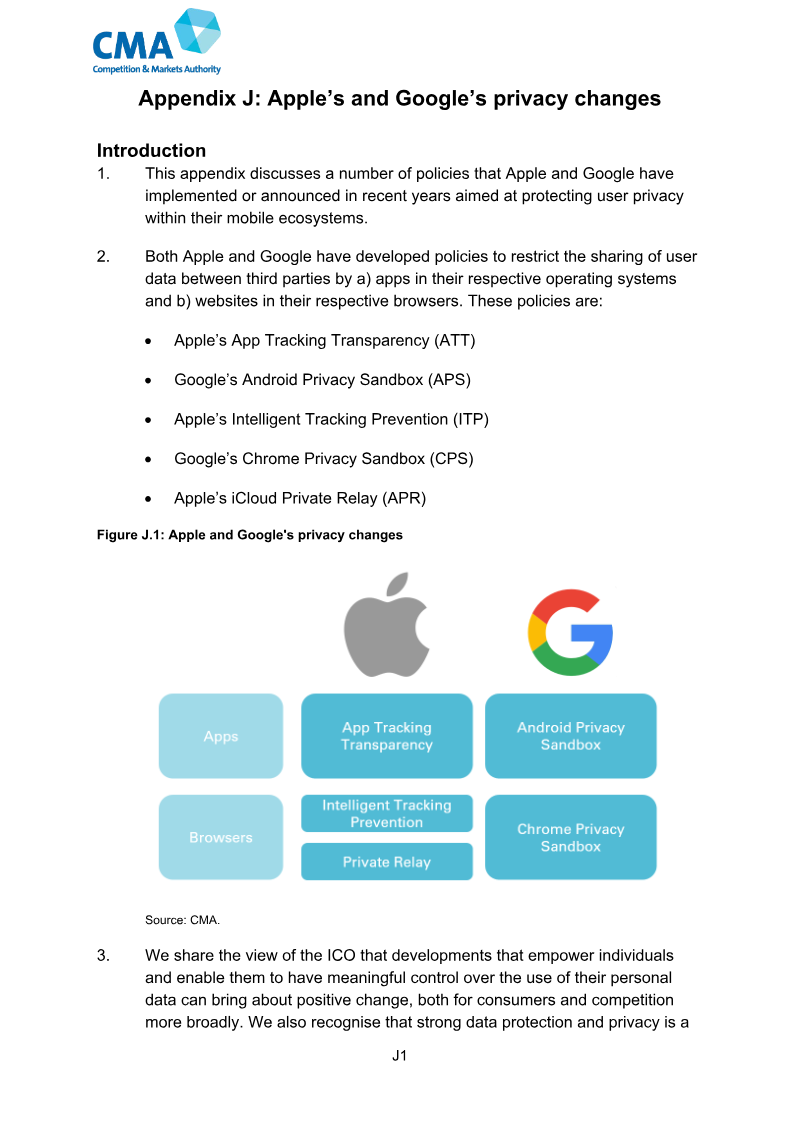
The mobile free-to-play market is undergoing a fundamental shift in response to the post-IDFA landscape and Apple’s App Tracking Transparency (ATT) framework. As traditional targeting becomes less effective and the cost-per-acquisition (CPI) versus lifetime value (LTV) formula breaks down, developers are moving away from simple game cloning and reskinning. The current environment has become so challenging that major players like Playtika have temporarily suspended the development of new titles until marketing ROI becomes more economically viable.
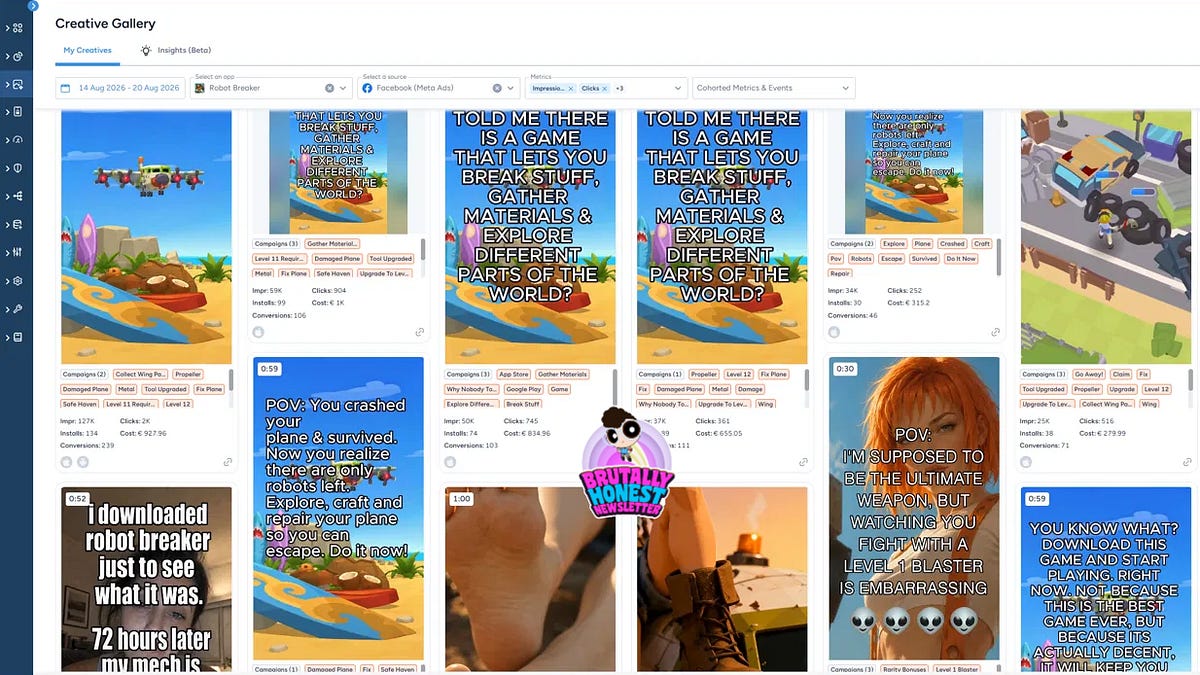
The primary thesis presented is that user acquisition (UA) is no longer a separate marketing function but a core driver of game design. To combat rising CPIs, successful developers are implementing a "hyper-casual gameplay funnel" strategy. This involves building full-fledged, accessible minigames—often inspired by hyper-casual mechanics—that serve as the initial onboarding experience. This approach bridges the gap between high-performing "fake" or "misleading" ad creatives and the actual deep-monetization core, such as 4X strategy or RPG mechanics. By aligning store screenshots, ads, and the first session with these accessible minigames, developers can lower CPIs and widen the top of the funnel while maintaining player expectations.
Case studies of successful implementations include titles like Topwar, Stormshot, and Frozen City, which utilize physics puzzles or auto-battle mechanics to onboard users into complex 4X or idle systems. The analysis covers various industry segments, including midcore, RPG, and casual puzzle games like Fiona’s Farm. The findings suggest that the future of mobile game development relies on this hybrid approach: using hyper-casual accessibility to capture a broad audience and sophisticated metagames to drive long-term revenue. This "new frontier" represents a necessary evolution for scaling CPI-intensive games in a privacy-centric market.