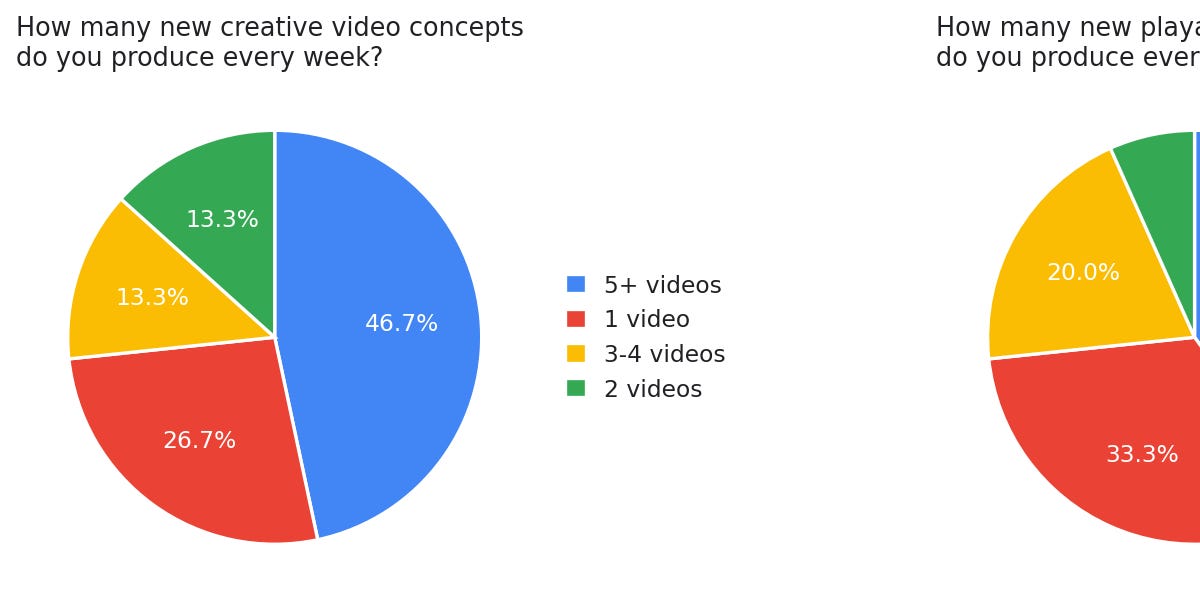
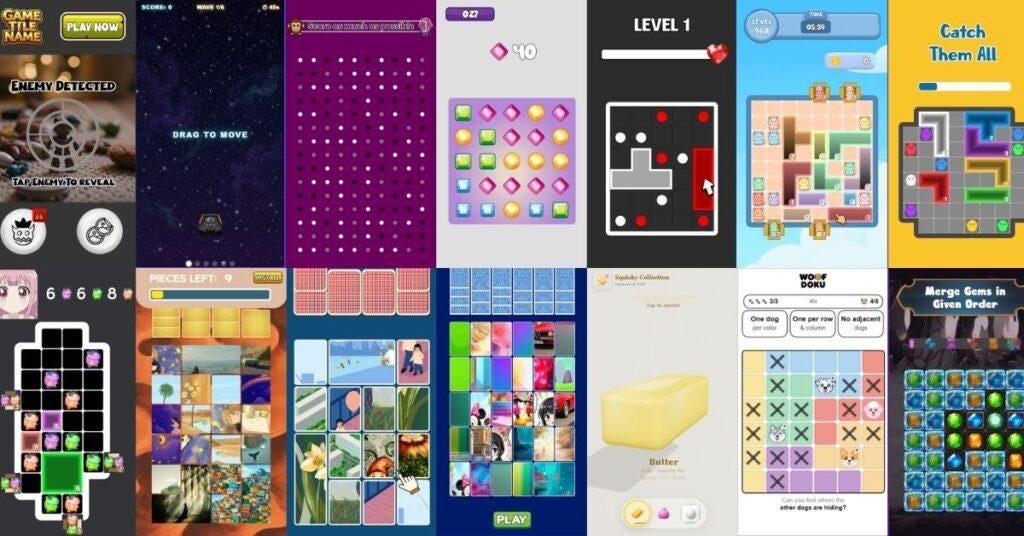
The newsletter delivers a candid overview of mobile user acquisition (UA) trends and creative strategies for 2025, with a focus on the post‑IDFA landscape in the United States. It outlines platform‑specific creative preferences—vertical Reels and Stories on Facebook, longer videos on Google, hook‑driven short clips on TikTok, mixed formats on Moloco, and interactive playables on AppLovin and Mintegral—highlighting how advertisers must tailor content to each network’s strengths. The author references an upcoming survey designed to map UA spending, campaign optimization, and payback periods, indicating a data‑driven approach to future insights.
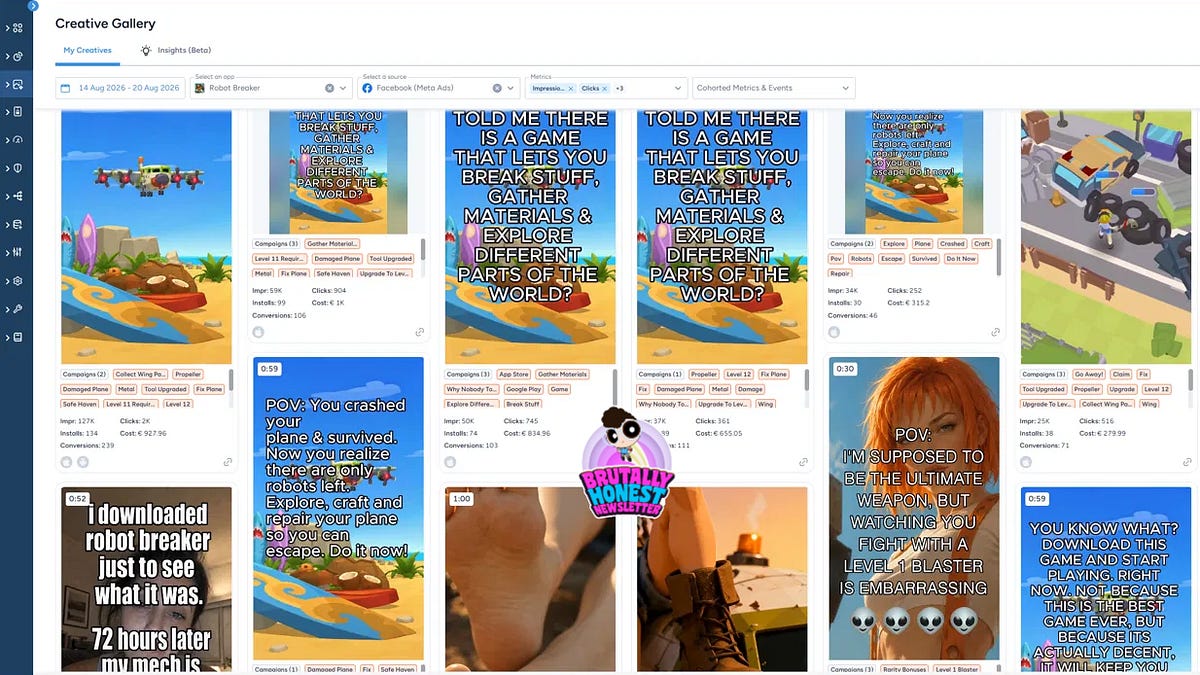
The piece also examines real‑world case studies, such as Hero Wars’ revenue decline from $12 million/month in 2024 to $8 million in early 2025, attributing the dip to high ad frequency and rising CPIs. It notes a shift toward new creative concepts, suggesting that fresh storytelling can revive performance. Tripledot Studios is showcased as a benchmark UA team, achieving $1.3 million daily revenue and pioneering value‑optimization campaigns on Facebook before Meta’s own rollout.
Methodologically, the author plans to collect anonymized survey data from industry participants, though specific sample sizes remain undisclosed. The content is geared toward U.S. mobile game marketers operating in a post‑IDFA environment, with an emphasis on adapting creative formats to evolving platform algorithms and user privacy constraints. The newsletter concludes by promoting additional resources, such as a “Creative Bible” guide and monthly playable ad trend reports, positioning itself as a practical toolkit for UA professionals navigating 2025.