1 free read left. Create a free account for unlimited reading + AI research.
Create free account
Blockchain Tech at Dice 2022 | Games ReCAP
Key insights
6 takeaways- 01Industry debate persists regarding the environmental impact of blockchain, with some proponents claiming lower emissions than traditional currency systems despite widespread skepticism.
- 02Proponents argue that decentralized server hosting could prevent game sunsetting by allowing multiplayer titles to persist after a studio ceases operations.
- 03Advocates proposed using token-based voting systems to grant players influence over game balance and development, a concept that faced significant pushback from professional designers.
- 04The 2022 DICE conference revealed a sharp divide between executive and investor interest in blockchain financialization and the skepticism held by developers and players regarding its impact on game design.
- 05The primary driver for blockchain integration is the profit motive, with investors viewing these technologies as mechanisms to increase user engagement and financial returns.
- 06The long-term viability of blockchain in the gaming sector remains dependent on consumer adoption rather than corporate mandates.
Ask AI about this video
Transcript
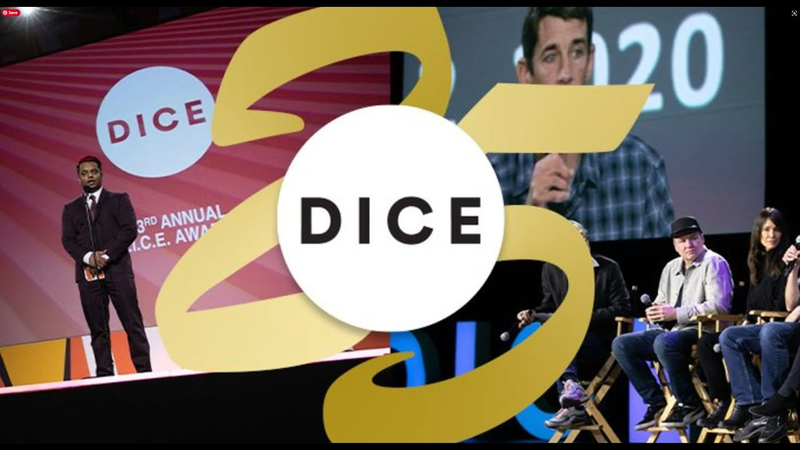
blockchain tech was the talk of the town at this year's dice 2022 conference welcome to another games recap what's up everybody welcome to another episode of games recap where i rant about today's greatest and best news that affects game developers unfiltered unedited straight to you live every day at youtube at 11am psc so on to the news so dice 2022 is one of the few large convention conferences post pandemic that is welcoming attendees back at its physical location and actually had a pretty good turnout this last year there were a lot of buzzwords kind of going around the floor that people were expecting to talk about like blockchain the metaverse the hybrid workspace these were on top of everybody's mind of all
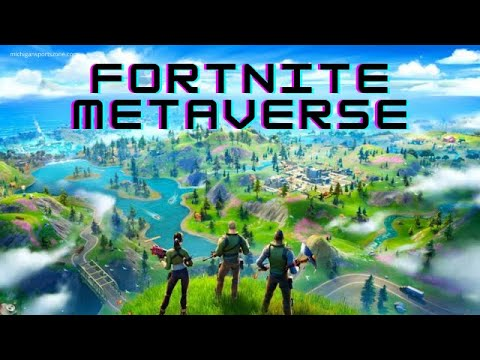
intendees and this year had a mixture of support a lot of pushback from developers and players alike a lot of investors incitement and a lot of worrying downsides from all of above the highlight of the compass was when director of adventures end game joe russo was able to take the stage and said i don't really know what the metaverse is now this wasn't a dig at epic's own metaverse of whom he was talking to but more of what facebook is doing with meta and on stage he was able to describe himself as being a long time crypto fan but don't really see the value in nfts just yet and the value of digital ownership was something of topic this past year of anything blockchain and mt related and its worth were openly discussed across the event all which the concerns were among all the panelists and speakers describing how blockchain tagged nfts and play to earn models as
largely misconceptions so there's a lot of doubt about what was being said but further explained by yield guild games braille lee said that there was less emissions produced by brock chain uh technology now one of the biggest concerns of blockchain technology is that it uses a lot of environment to concerns a lot of computing to actually have these servers up and running and be decentralized and always be at access so when she was saying and sharing things like how this doesn't have an effect and that you know it actually produces less emissions than actual currencies that is abuse right now like the us currency it's things like this that really prevents people from fully diving in and taking it seriously but however elite gave an example of how blockchain games could empower low-income communities she shared a story about a community in the philippines becoming uh scholars
in an nft driven game that they made called axi infinity and this is well covered that they were able to kind of turn their game from uh free to play but also to further create a currency that they can control and further expand their own development efforts now decentralization is something that is on top of everyone's mind apart from what blockchain is presenting but its appeal is very uh advantageous to a lot of technology driven minded leaders not just business executives from clay token game studios chief technology officer belgium calcu shared some of his own speculation that there are practical uses for the tech although he did clarify none of their his studios using uh it for any of its game but he did present a model that he heard before that some of the blockchain startups like ubisoft
invested in he described the idea of having game servers for multiplayers that don't run on centralized machines like at a data center that is constantly running but instead manifested by a decentralized network of computers running like a mining executable so multiple computers decentralized always running all the time the advantage of this is that even if the game does go offline which we probably had a lot of experiences with multiplayers not being popular enough or whatever the case financially stable uh that games often do go offline and you can't play it anymore with this decentralized network idea developers could go under but the development is uh is sunsetted but the poor market performance because of poor market performance the game could live on decentralized networks so the problems with cryptocurrency and what the panelists were talking
across all the conference is if the technology could actually solve a lot of these issues and there were really again a lot of doubts about how this can shape the development of games like apex legends like autonomous organizations decentralized network servers in an example by uh lay explain how instead of having a development team making decisions about balances uh patches and new characters uh holder of blockchain tokens people who are personally invested as players but not not just being players but also have a take in the game itself could vote on decisions on how to balance the games now this kind of were pushed back by developers because it's kind of saying that players know better than designers at this point to make gaming decisions right so there's a lot of doubt that this actually could work but these are some of the ideas that was
presented at dice 2022 the main thing that people did echo and is quite obvious is that the reason why executives and investors are really pushing for blockchain tech to work it's because blockchain is a tool for financialization right the profit motive is front and center so when uh monthly and daily average users counts are of special interest investors it's no wonder that the tool can drive those numbers even expensive players would be uh desirable but across i think the conference designers developers programmers and all type of marketing uh usually are resistant to this idea because the subject of blockchain games is mostly financial and uh this is something executives are not shy about sharing so there is every incentive to push this tech through to
make it work and the good thing about anything that is new about owning a digital asset or using decentralized ideas for old tech is that the market will speak for itself consumers no matter how pushed on they are with something they don't like it cannot survive without the support of gamers uh and players right so even if developers eventually signing on saying that this is a great idea and executives always being supportive of the these ideas it is up to us as players to really embrace it or not so in my own personal opinion and it is a subject that i want to kind of bring on more and more uh with guests that are specializing in this area i am on the fence i'm not a here or there i'm i'm here to discuss things but i'm not there yet completely
to to fully embrace because i don't know enough yet and this is part of my journey as a podcaster as opposed to kind of find those answers for myself but to you guys as well might be able to benefit from my discovery my main thing is it is a very uh exciting new tech that a lot of people either seem very excited about it or really against it which is great upon itself because that means there's a lot of meaningful discussions that are pushing the limitations of what this tech could mean for the industry and i'm not so worried about it because again you can pay by our uh money in our pockets uh that you know if we like something we will buy it so this concludes today's games recap as always i hope to kind of see you guys in the comments section or the discussion board and discord to give me your thoughts to consider uh for future
episodes so have a good one [Music]
Summary
The 2022 DICE conference served as a primary industry forum for debating the integration of blockchain technology, non-fungible tokens (NFTs), and the metaverse into the gaming sector. The discourse highlighted a significant divide between executive and investor enthusiasm for the financialization of gaming and the skepticism held by developers, designers, and players. While proponents argued that blockchain could offer decentralized server hosting to prevent game sunsetting and provide economic empowerment to low-income communities, critics remained wary of the environmental impact, the validity of digital ownership, and the potential for player-led governance to undermine professional game design.
Key technical discussions centered on the potential for decentralized networks to replace traditional data centers, theoretically allowing multiplayer games to persist even after a studio ceases operations. Additionally, advocates suggested that token-based voting systems could allow players to influence game balance and development, though this proposal faced pushback from developers who questioned the efficacy of player-led design. Environmental concerns were also addressed, with some speakers asserting that blockchain infrastructure could eventually produce fewer emissions than traditional currency systems, though these claims were met with continued industry doubt.
The conference underscored that the primary driver for blockchain adoption is the profit motive, with investors viewing these technologies as tools to increase user engagement and financial returns. Despite the aggressive push from corporate leadership, the consensus remains that the long-term viability of blockchain in gaming rests entirely on consumer adoption. Ultimately, the industry remains in a state of uncertainty, balancing the potential for technological innovation against the practical and philosophical resistance of the gaming community.









Comments