1 free read left. Create a free account for unlimited reading + AI research.
Create free accountArticle Values Value
1 free read left. Create a free account for unlimited reading + AI research.
Create free accountArticleValues Value
15% of surveyed industry professionals were laid off but successfully found new employment. An additional 5% of professionals remain actively searching for work.
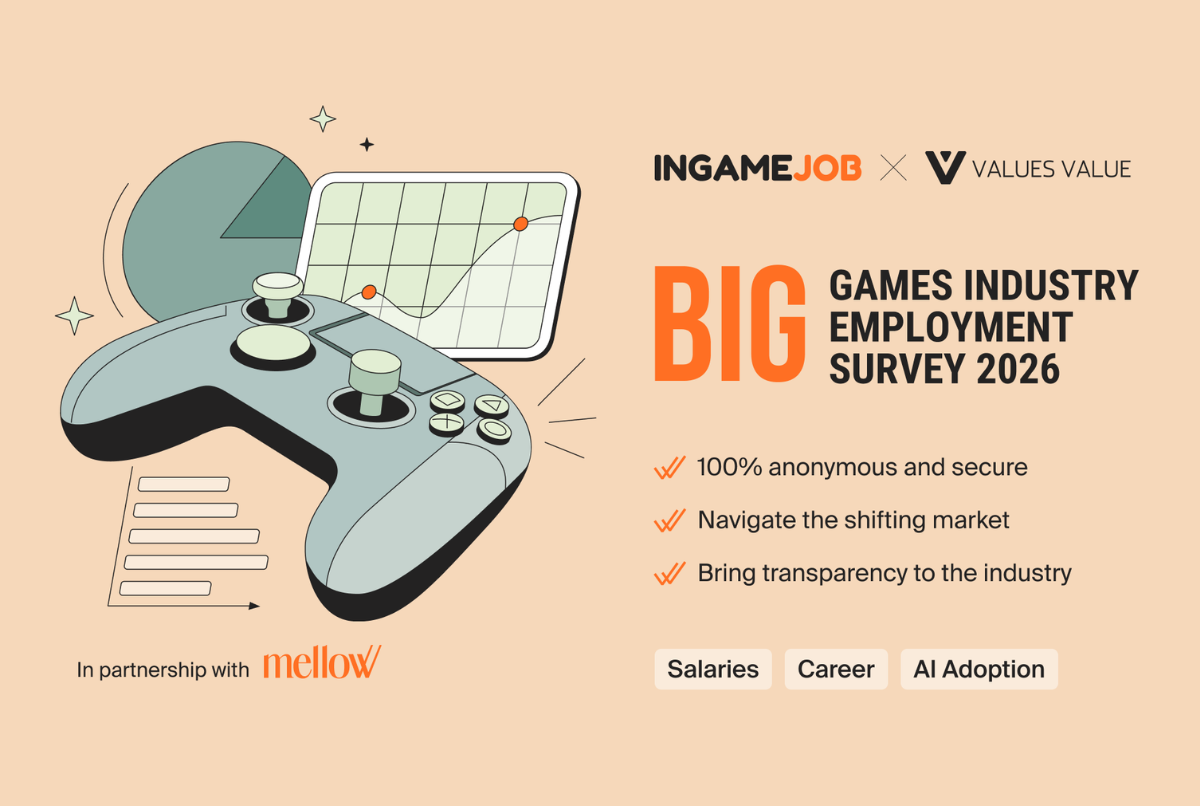
The Big Games Industry Employment Survey 2024 provides a comprehensive analysis of the current state of the global gaming labor market. Based on data from over 1,800 industry professionals, the report examines critical workforce dynamics, including salary trends, job security, workplace satisfaction, and the integration of artificial intelligence. The primary objective is to capture the evolving challenges and career trajectories of individuals within the gaming sector during a period of significant industry turbulence.
Key findings highlight a challenging landscape for job stability, with 15% of respondents reporting layoffs followed by successful re-employment, while 5% remained actively searching for work. Human resources, recruitment, quality assurance, and art departments were identified as the roles most affected by these layoffs. Furthermore, the industry is experiencing a talent drain, as 10% of surveyed professionals transitioned to sectors outside of game development. Job satisfaction remains a concern, with respondents citing professional burnout, unprofessional management, and poor work-life balance as the most prevalent issues in their current workplaces.
The survey also reveals shifting professional interests, noting that only 1% of developers currently working on hyper-casual projects intend to remain in that specific genre. Despite these challenges, engagement remains high, with 39% of developers maintaining personal pet projects. The report also identifies the most sought-after employers in the industry, including major studios such as CD Projekt Red, Larian Studios, and Activision Blizzard. By synthesizing these metrics, the analysis offers a detailed overview of the current employment climate, reflecting both the instability and the ongoing creative commitment of the global gaming workforce.
Values Value · 2026
Values Value · 2026
Values Value · 2026
Values Value · 2025
Values Value · 2025
Values Value · 2025
Values Value · 2024
Values Value · 2024
Values Value · 2023

Values Value · 2018
Values Value · 2018
The Game Business · 2026