1 free read left. Create a free account for unlimited reading + AI research.
Create free accountArticle Deconstructor of Fun
1 free read left. Create a free account for unlimited reading + AI research.
Create free accountArticleDeconstructor of Fun
This approach requires prioritizing long-term relationship building and strategic alignment with brand owners. Success hinges on mutual respect, clear communication, and offering unique value.
Key Fact. Hutch has successfully secured licensing partnerships with approximately 100 car manufacturers, including Formula One and the Forza brand.
Securing major intellectual property licenses is a viable growth strategy for independent mobile game developers, provided they prioritize long-term relationship building and strategic alignment with brand owners. The core thesis emphasizes that successful licensing hinges on mutual respect, clear communication, and the ability to offer unique value that complements rather than replicates existing market offerings. By focusing on underserved niches and demonstrating a deep understanding of a partner's objectives, smaller studios can effectively navigate the complex requirements of global brands.
Key findings highlight that licensing teams at major corporations, particularly in the automotive sector, often operate with varying levels of gaming expertise and internal motivations. While some manufacturers provide structured support and technical assets, others may require significant education regarding the gaming medium. Success is rarely immediate; it requires persistent, multi-year engagement to establish the trust necessary for high-profile partnerships. Furthermore, developers must proactively manage expectations by maintaining transparent communication channels, especially when navigating potential creative conflicts or sensitive content approvals.
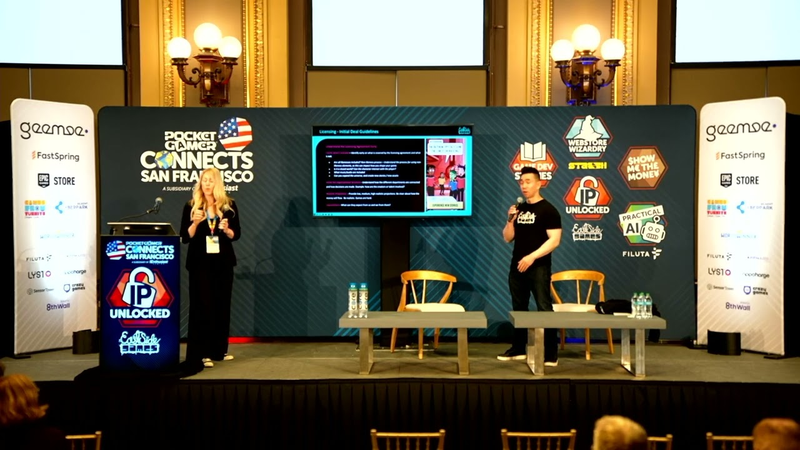
The analysis draws on the operational history of Hutch, a studio that has successfully secured partnerships with approximately one hundred car manufacturers, including Formula One and the Forza brand. The scope of these insights covers the mobile gaming industry, specifically focusing on the intersection of licensed intellectual property and game design. The methodology relies on expert industry testimony and case study analysis, underscoring that the most effective partnerships move beyond simple brand placement to create authentic, player-focused experiences that respect the integrity of the licensed assets.
The games and companies this document names on the inner ring, other documents about them on the outer one. Select a cover to see it up close and open it in a new tab; drag to move, pinch or Ctrl + scroll to zoom.
Deconstructor of Fun · 2026

Deconstructor of Fun · 2026

Deconstructor of Fun · 2026

Deconstructor of Fun · 2026

Deconstructor of Fun · 2026

Deconstructor of Fun · 2026
Deconstructor of Fun · 2026

Deconstructor of Fun · 2026

Deconstructor of Fun · 2026
Deconstructor of Fun · 2026

Deconstructor of Fun · 2026
Deconstructor of Fun · 2026
PocketGamer.biz · 2026