More on Game Development
View all
Mobilegamer.biz
Those ‘decompiling’ videos, iPhone Duo games, Bing Gordon talks EA, Zynga and AI plus plenty more
Mobilegamer.biz · 2026

Thomas Brush
Don't Finish Your Game. Do This Instead.
Thomas Brush · 2026
GameDiscoverCo
Should devs change their release plans due to AI clones?
GameDiscoverCo · 2026

PocketGamer.biz
Why Supercell couldn’t save Squad Busters and Google's AI game maker | Week in Mobile Games podcast
PocketGamer.biz · 2026

Extra Credits
Design Club: Industry Shenanigans! GTA6, AI in development, and the 1400$ PS5!
Extra Credits · 2026

Thomas Brush
AI Game Dev: Is It Over For Indies?
Thomas Brush · 2026

PocketGamer.biz
Ex-Take-Two AI chief Luke Dicken warns AI bubble could "make 2008 look like a walk in the park"
PocketGamer.biz · 2026
The Game Business
Is Xbox making the right decisions? Plus, how AI is (and isn’t) transforming game localization
The Game Business · 2026

Deconstructor of Fun
TWIG #400: Is the Game Industry Actually Crashing, OpenAI's Astra and 8 Years of Hot Takes
Deconstructor of Fun · 2026
The Game Business
Unity CEO: “The cost of building a game is coming down markedly”
The Game Business · 2026
Extra Credits
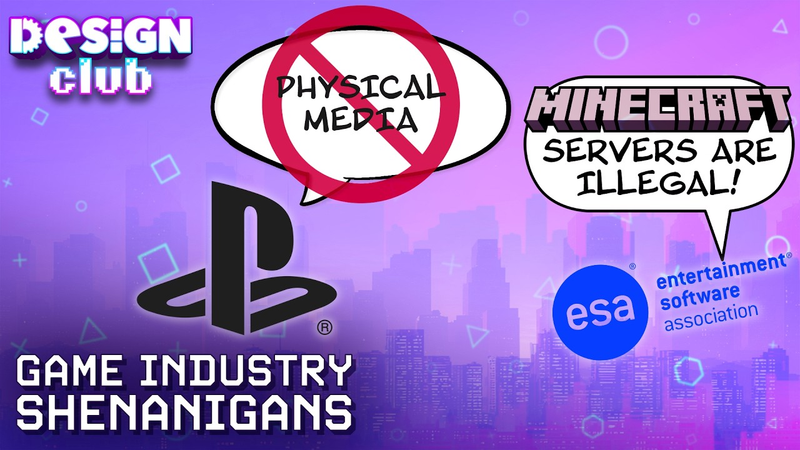
Epic CEO says AI disclosures are bad, Sony Says Disks are Dead, and other Shenanigans | Design Club
Extra Credits · 2026
PocketGamer.biz
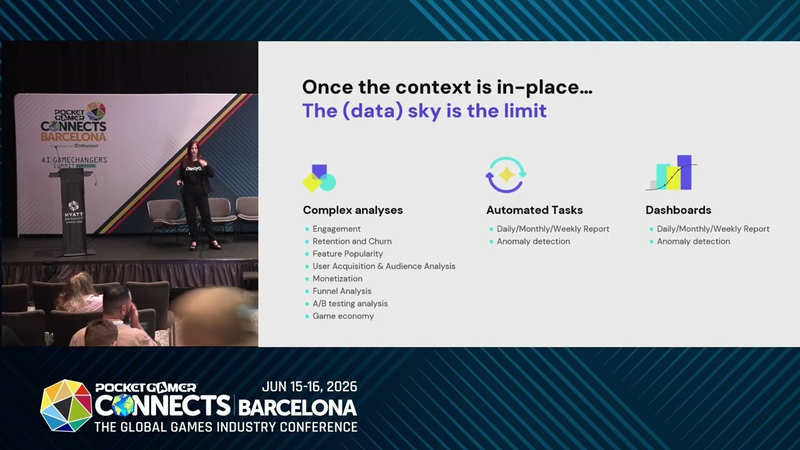
Session: Game Data for All: How AI Is Reinventing Game Analytics - Orly Shoavi, ClarityQ.
PocketGamer.biz · 2026