More on Serious Games
View all
Whitepaper
Gamification Elements and Their Relationship with Creative Motivation in Higher Education: Uzbekistan
European Conference on Games Based Learning (ECGBL) · 2026
Whitepaper
Emotional and Behavioral Benefits of a Standardized Program with Modern Board Games
Serious Games Society · 2026
Whitepaper
Playing with Perceptions: Reducing Mental Health Stigma through Proxy Experiences
Loading... The Journal of the Canadian Game Studies Association · 2026
Whitepaper
Can Ordinary Horror Games Reduce Avoidant and Safety Behaviours in Players with Anxiety Disorders?
Press Start · 2025
Whitepaper
The Ludum Platform: Exploring the Impact of Game Design on Prosocial Behavior in Children's Digital Play
Uppsala University · 2025
Whitepaper
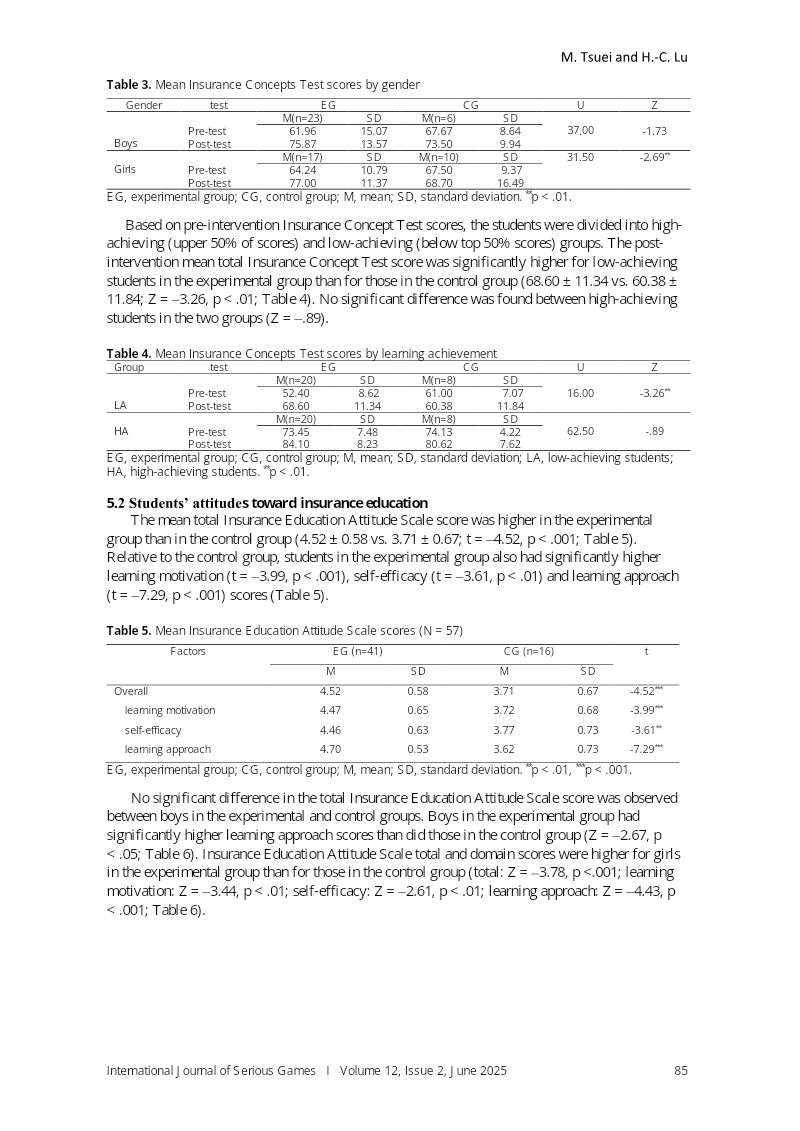
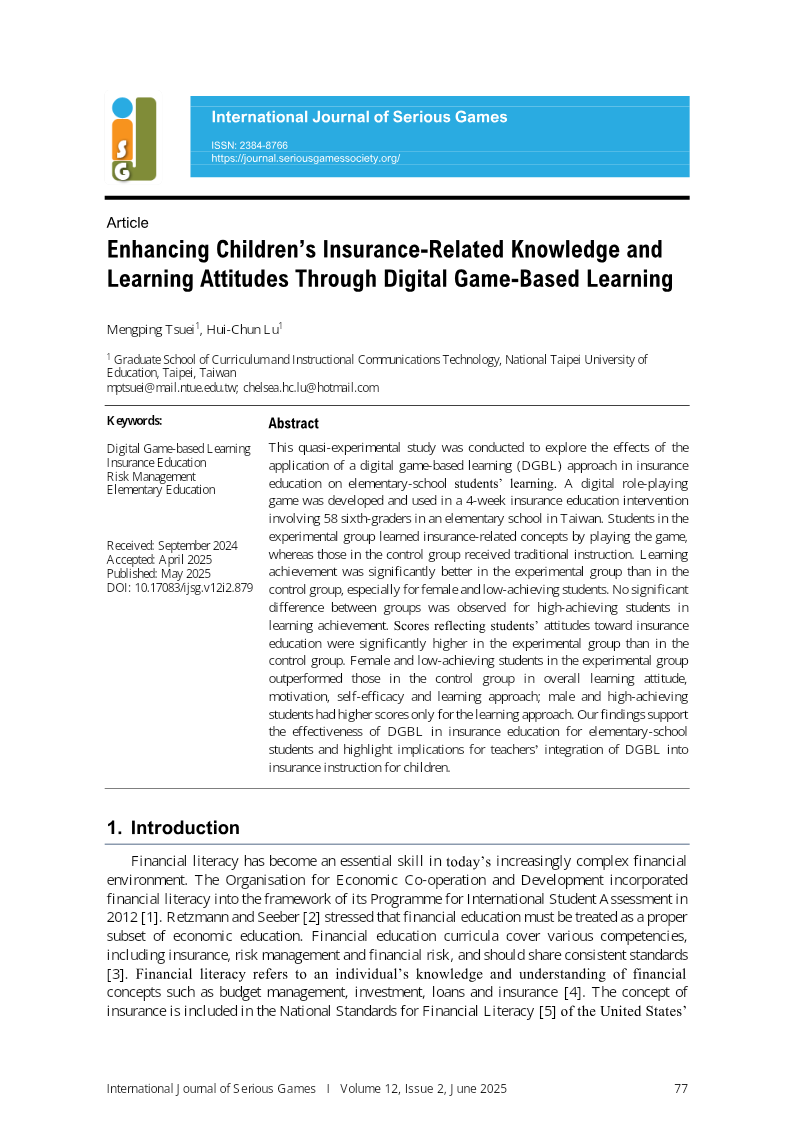
Enhancing Children’s Insurance-Related Knowledge and Learning Attitudes Through Digital Game-Based Learning
Serious Games Society · 2025
Whitepaper
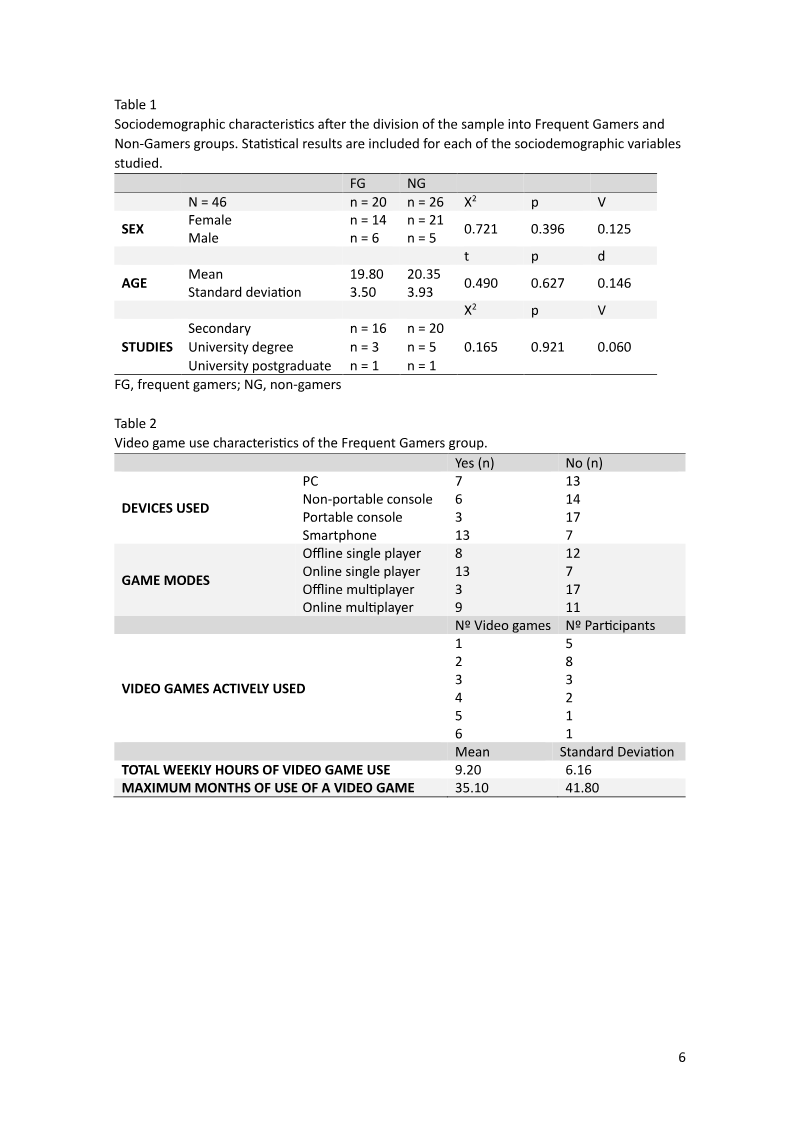
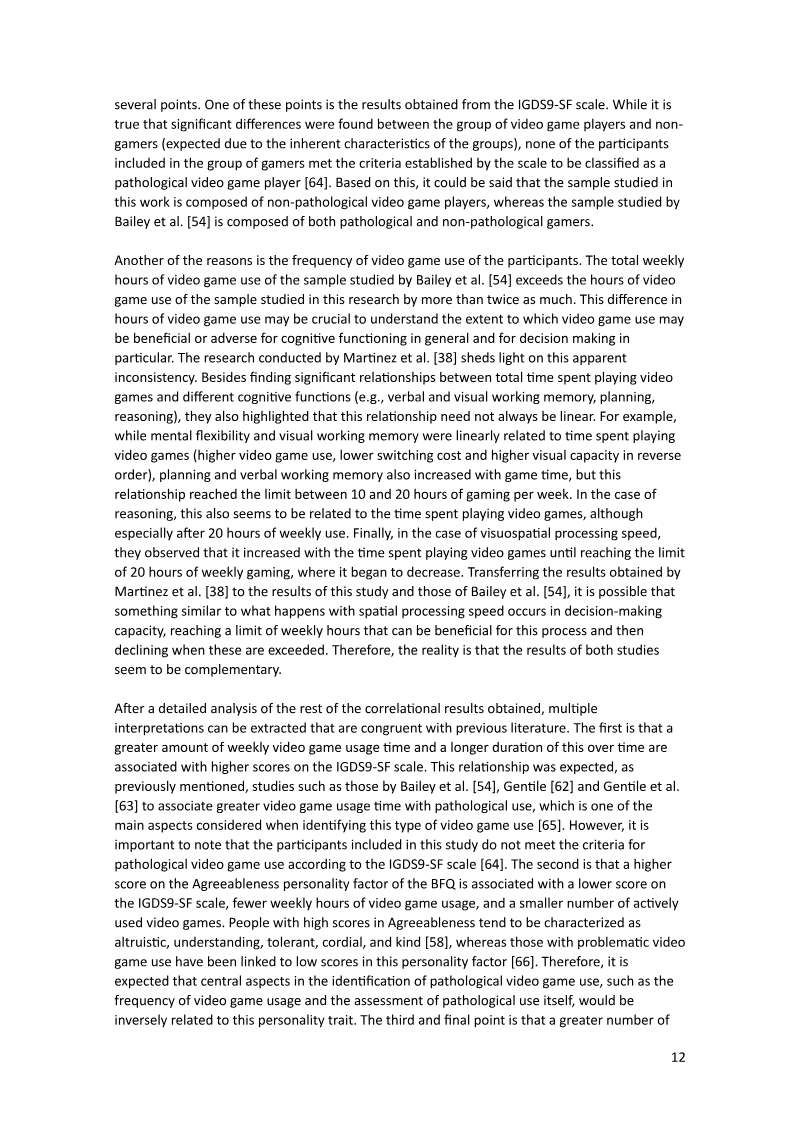
From Pixels to Choices: Understanding the Influence of Video Games on Decision-Making Skills
Universidad Villanueva · 2025
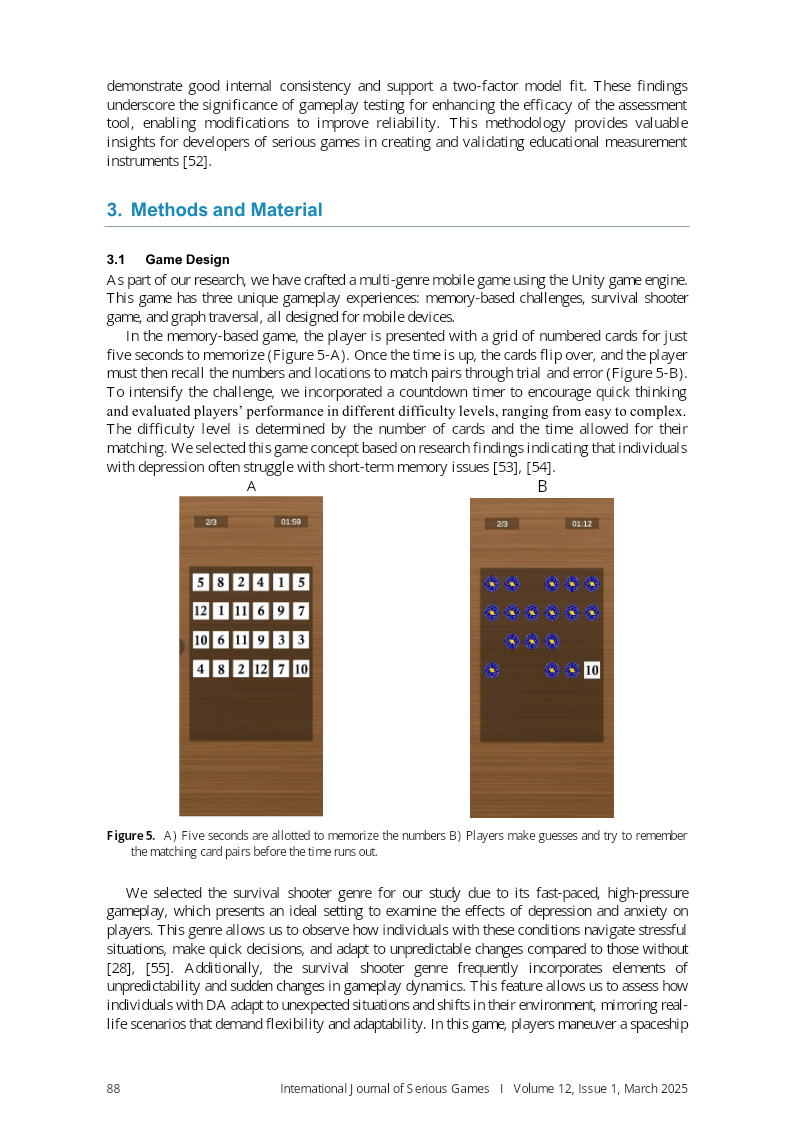
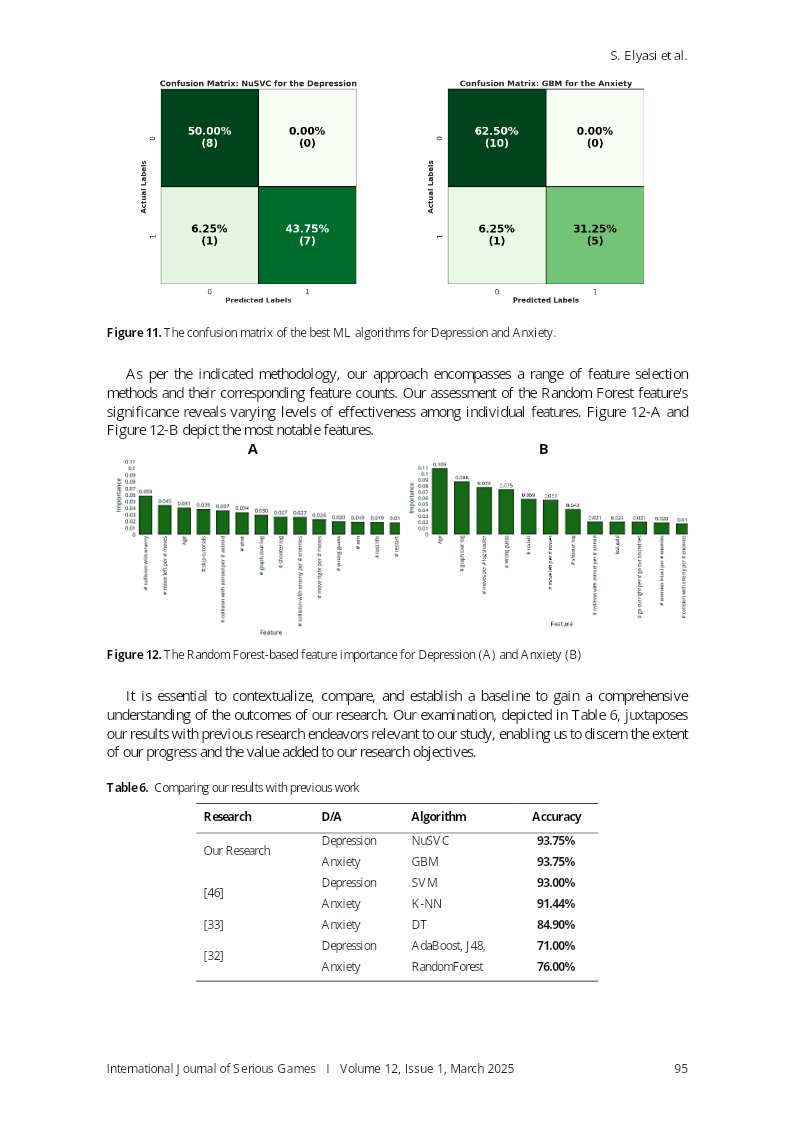
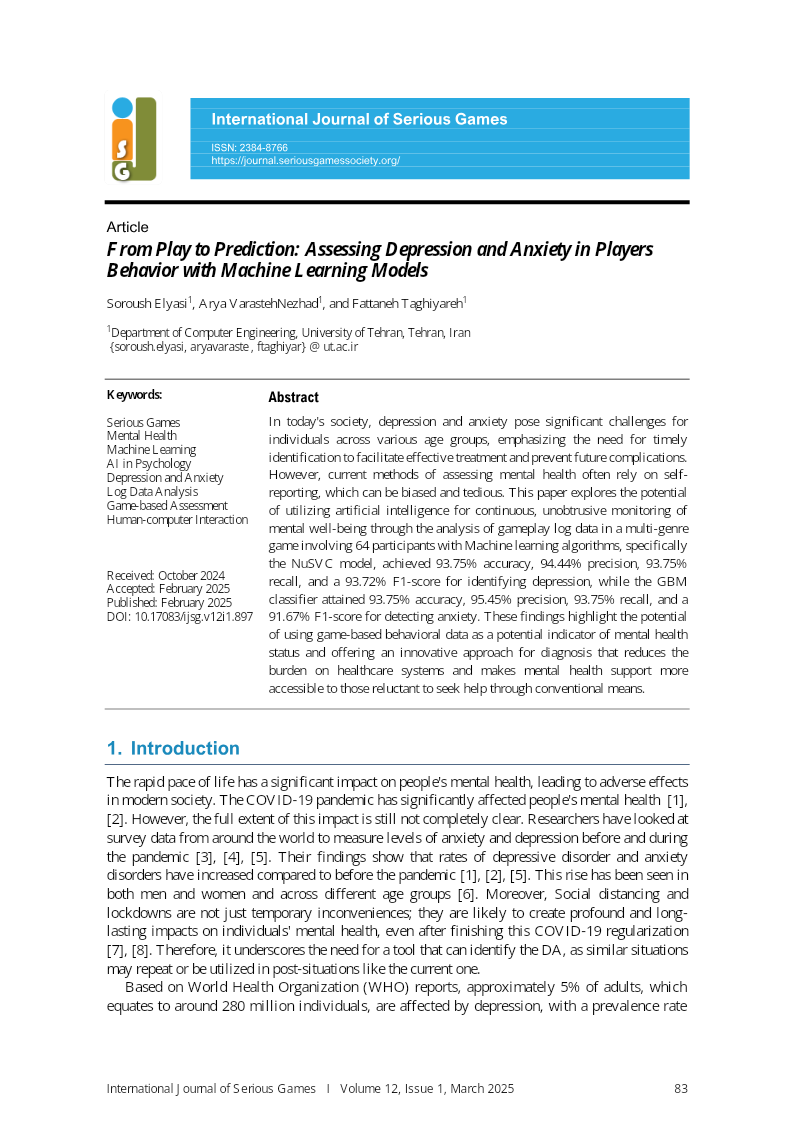
Whitepaper
From Play to Prediction: Assessing Depression and Anxiety in Players Behavior with Machine Learning Models
Serious Games Society · 2025

Whitepaper
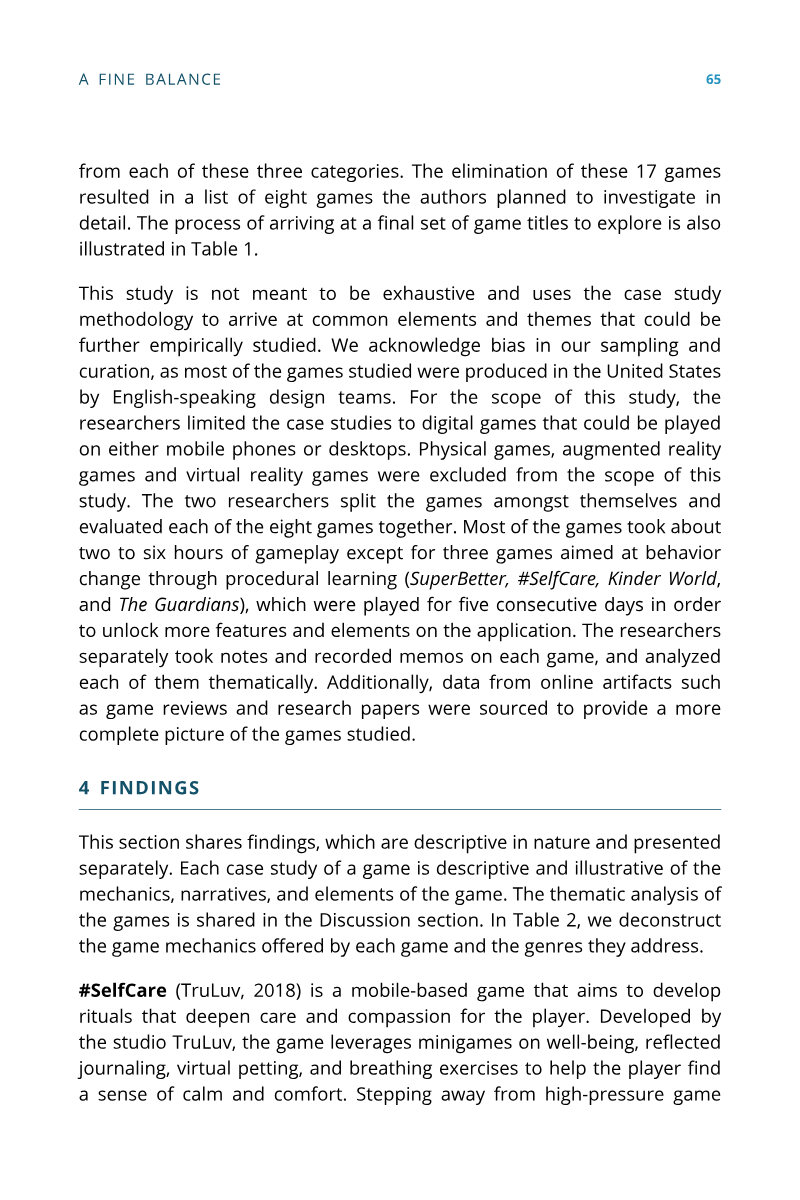
Games for Change Asia-Pacific Journal: Volume 2
ETC Press · 2023
Whitepaper
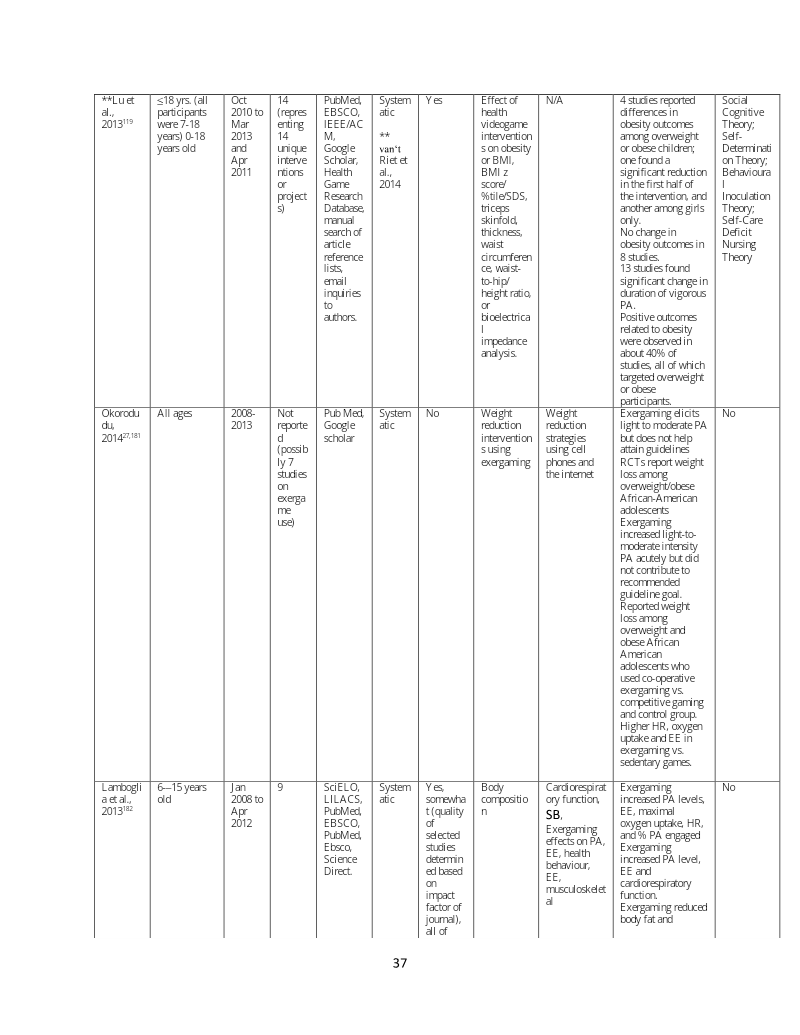
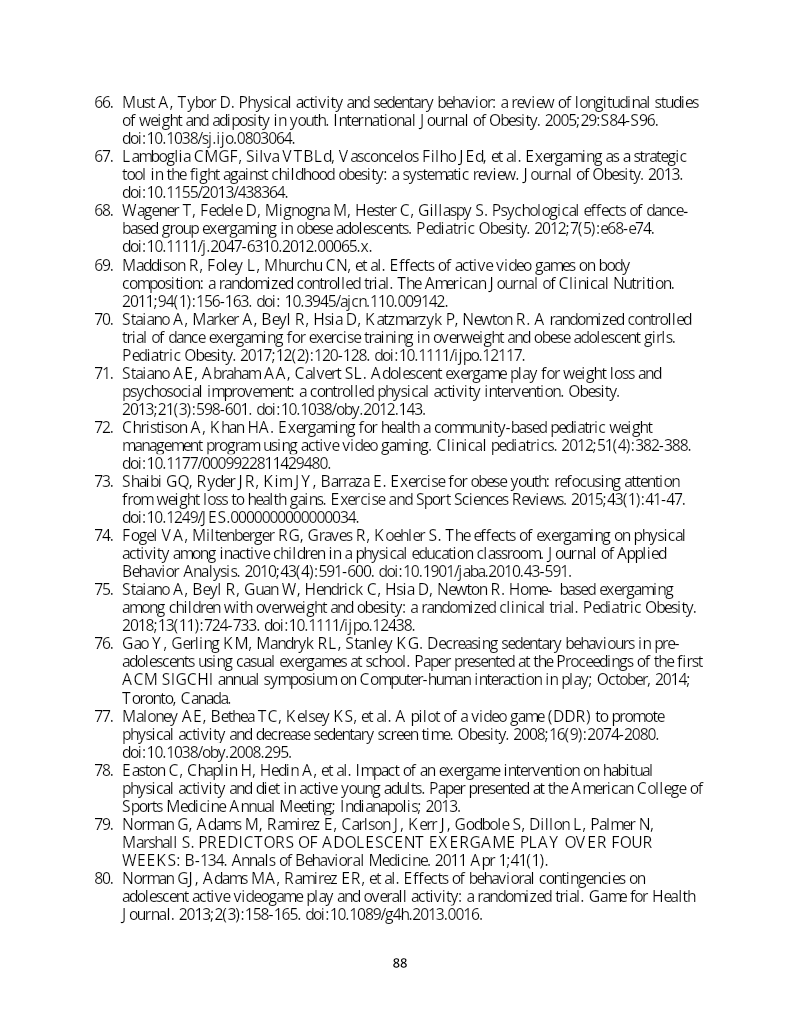
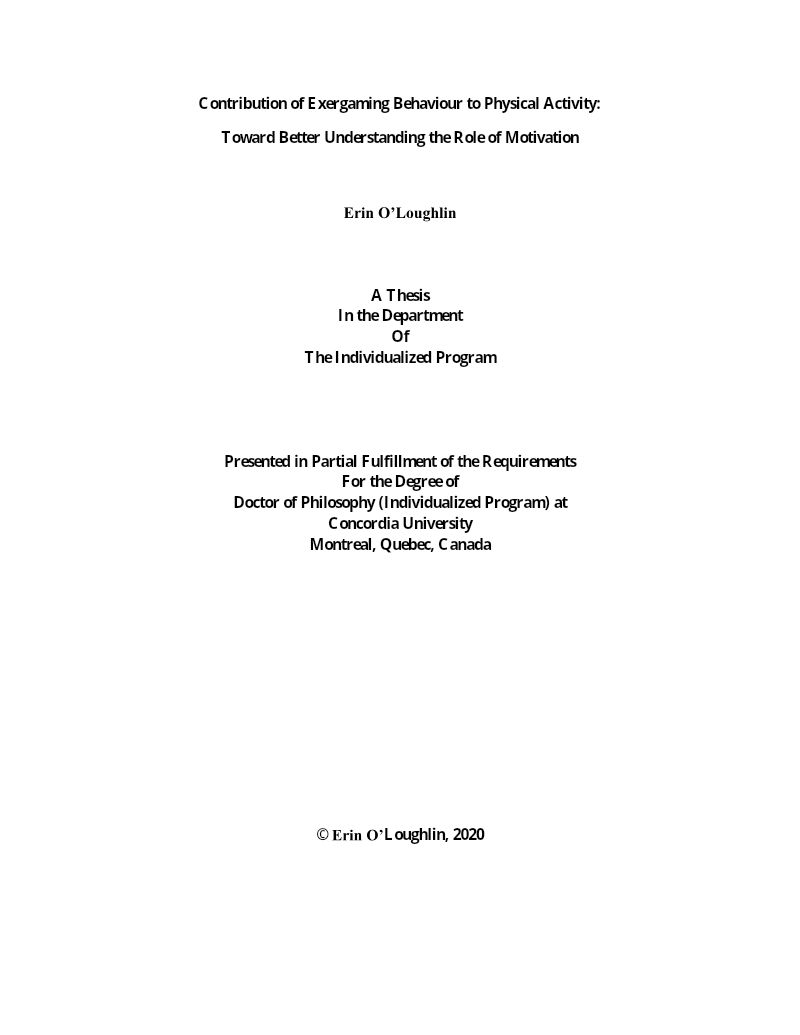
Contribution of Exergaming Behaviour to Physical Activity: Toward Better Understanding the Role of Motivation
Concordia University · 2023
Whitepaper
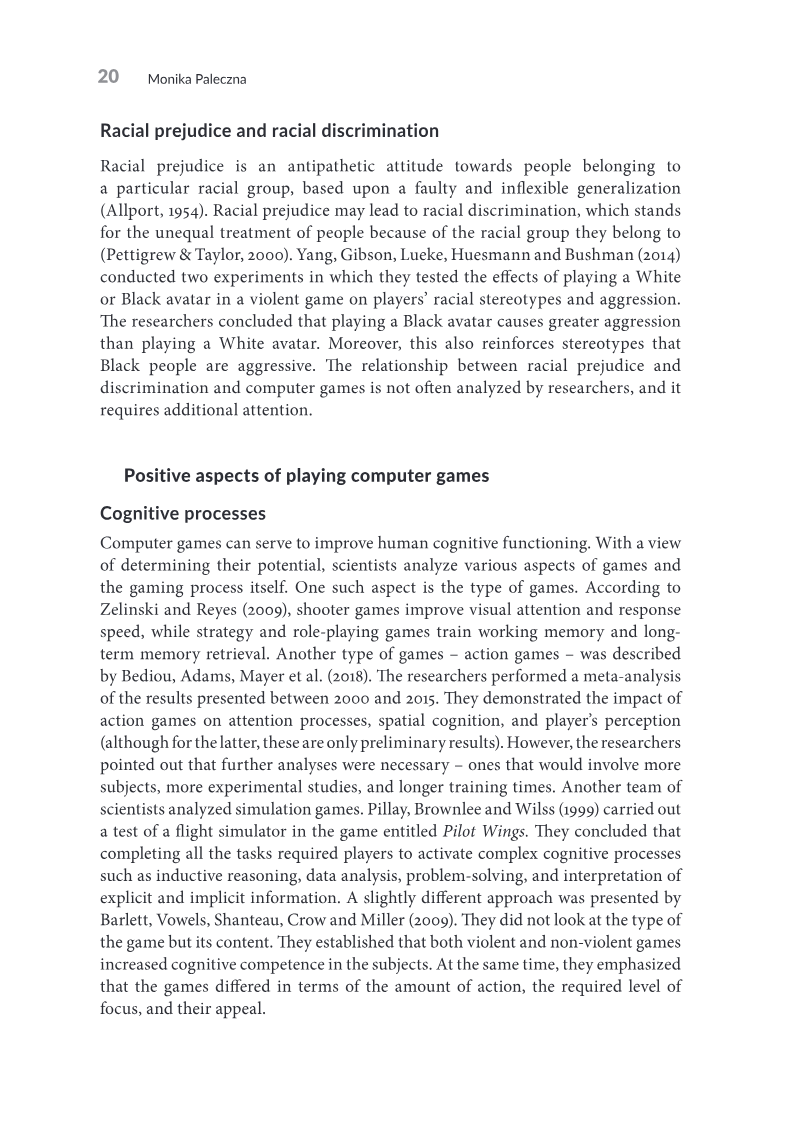
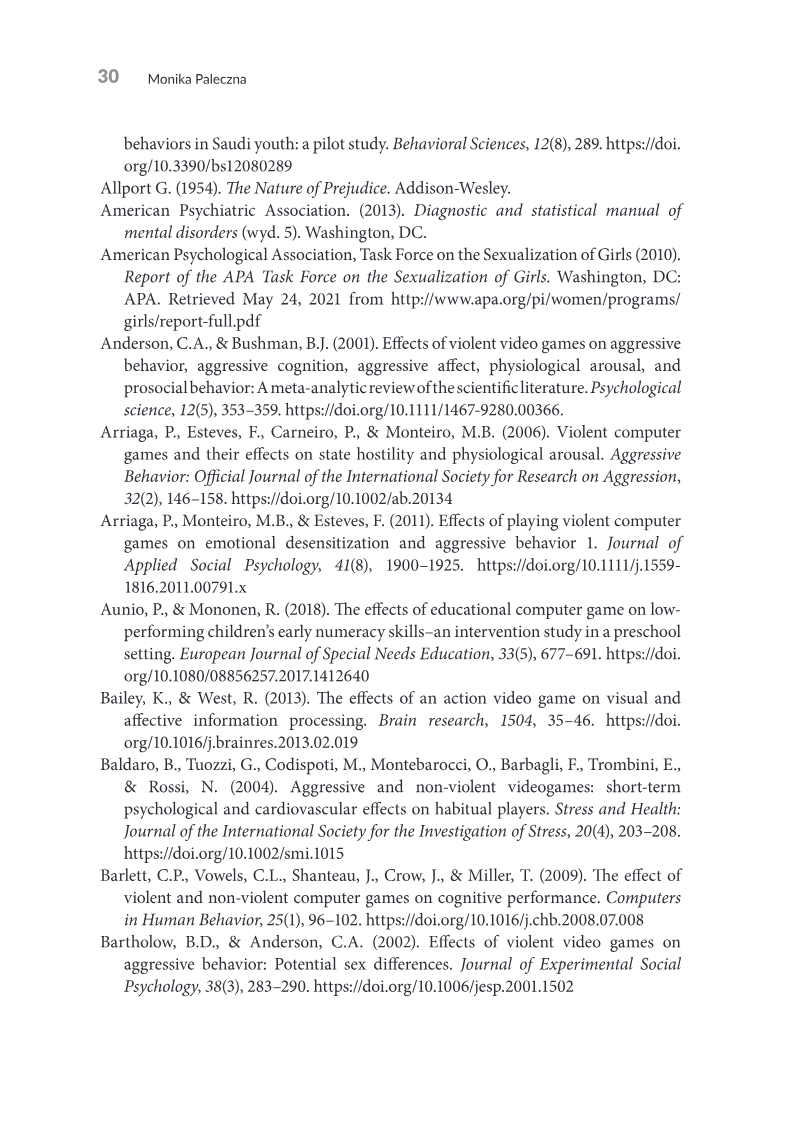
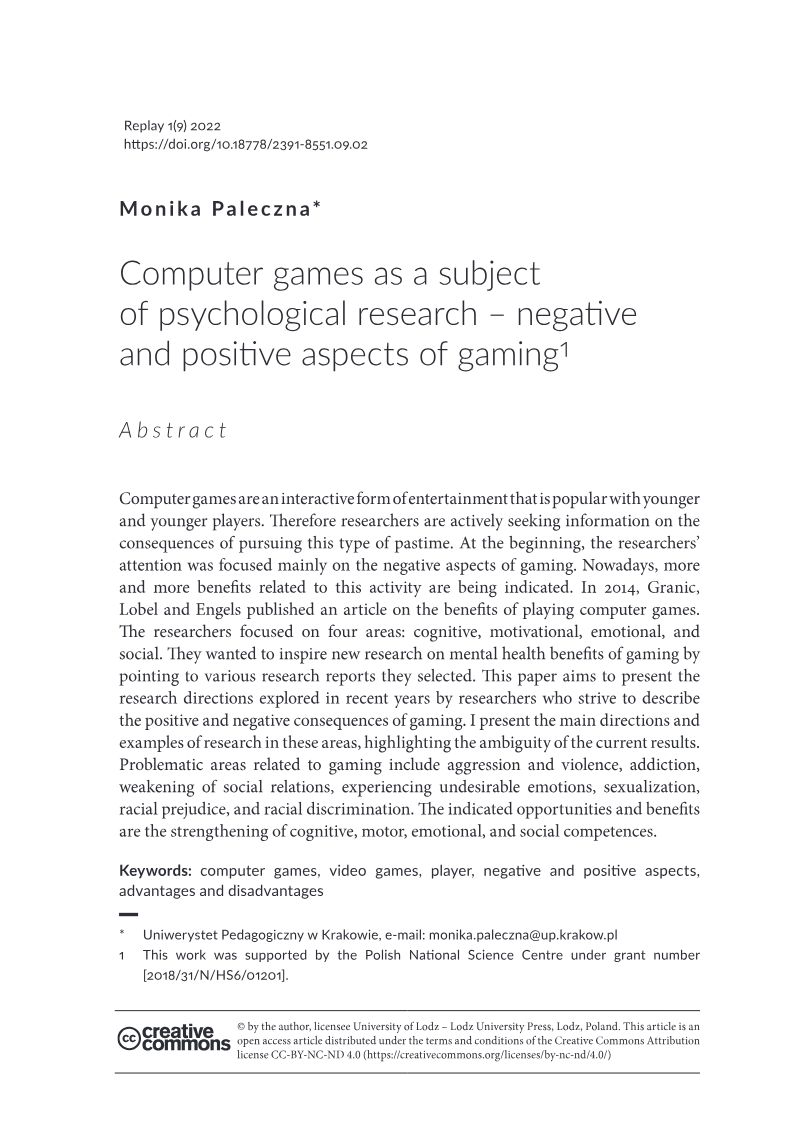
Computer Games as a Subject of Psychological Research: Negative and Positive Aspects of Gaming
Replay. The Polish Journal of Game Studies · 2022
Whitepaper
Understanding Students’ Engagement with a Serious Game to Learn English: A Sociocultural Perspective
International Journal of Serious Games · 2022