The analysis examines the rise of non‑fungible token (NFT) games, arguing that while the sector attracts significant capital and corporate interest, it faces skepticism from both developers and players. Key data reveal that NFT sales surged to approximately $25 billion in 2021, a dramatic increase from the previous year, and that major marketplaces such as OpenSea experienced valuation jumps of 800 % after a $300 million funding round. Despite this growth, only about 30 % of game studios express interest in NFT projects, and a survey of 1,500 console and PC gamers found that just 56 % of hardcore players are willing to earn NFTs through gameplay. Concerns cited include potential for micro‑transactions, scams, money laundering, and environmental impact from play‑to‑earn mechanics.
The scope covers global markets with a focus on South Korean firms like Netmarble and Com2Us, as well as Western entities such as Zynga. The time frame spans 2021‑2022, capturing the peak of NFT hype and subsequent backlash. Methodology references include market trackers (DappRadar), advertising analytics (SocialPeta), and industry surveys from Interpret and the Game Developers Conference.
The report lists prominent titles—Axie Infinity, The Sandbox, Sorare, Gods Unchained, CryptoKitties, and others—highlighting their revenue peaks, user acquisition strategies, and token economics. Overall, the findings suggest that while NFTs offer novel monetization pathways for mobile games, current implementations often prioritize economic incentives over gameplay quality, limiting broader adoption.
SocialPeta · 2026
SocialPeta · 2026
SocialPeta · 2026
SocialPeta · 2026
SocialPeta · 2026
SocialPeta · 2026
SocialPeta · 2026
SocialPeta · 2026
SocialPeta · 2026
SocialPeta · 2026
SocialPeta · 2026
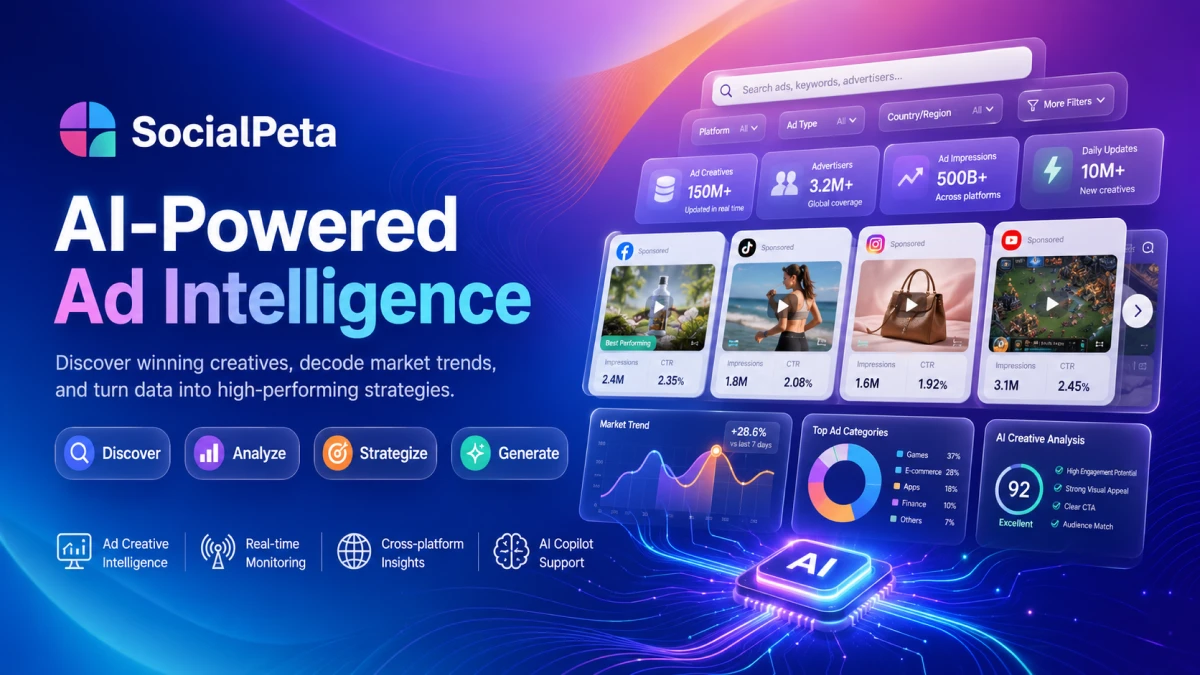
SocialPeta · 2026
DappRadar · 2022
Newzoo · 2022
Stream Hatchet · 2024
Game7 Research · 2024
CMC Research · 2022
DappRadar · 2022
DappRadar · 2022
Newzoo · 2022
Newzoo · 2022
Newzoo · 2022
DappRadar · 2022
GDC · 2022