
An independent evaluation commissioned by the Department for Culture, Media and Sport (DCMS) and conducted by Alma Economics assesses the economic and operational impact of the UK Games Fund (UKGF), including its associated programs, Tranzfuser and DunDev. The primary objective of this analysis is to quantify the effectiveness of public investment in the UK’s early-stage video game development sector and to validate the fund’s role in fostering industry growth and innovation.
The findings demonstrate significant economic returns, with the current three-year iteration of the UKGF projected to generate between £30 million and £58 million in productivity benefits. This results in a benefit-cost ratio ranging from 3.8 to 7.3, with a central estimate of 4.8. Beyond direct economic output, the data indicates that UKGF support increases the probability of beneficiaries developing a functional prototype or game by eight percentage points within one year. Furthermore, every £10,000 in funding correlates with a five-percentage-point increase in the creation of reusable assets or code. The program also acts as a catalyst for private investment, as participating companies successfully leveraged £18.2 million in additional funding, surpassing the total £13 million invested by the government.
Qualitative feedback highlights high levels of beneficiary satisfaction, particularly regarding the application process and the program’s unique community contribution model, which encourages developers to share time and expertise. Additionally, 80% of surveyed companies reported that the funding effectively reduced the risk profile of their projects. These results confirm that the UKGF serves as a vital mechanism for de-risking early-stage creative ventures and strengthening the broader UK games ecosystem. The insights gained from this evaluation are intended to inform the design of future government support initiatives, such as the Games Growth Package.

UK Games Fund · 2026

UK Games Fund · 2026

UK Games Fund · 2026
UK Games Fund · 2026

UK Games Fund · 2025

UK Games Fund · 2025

UK Games Fund · 2025

UK Games Fund · 2025

UK Games Fund · 2025

UK Games Fund · 2025

UK Games Fund · 2025

UK Games Fund · 2025

AEVI · 2025
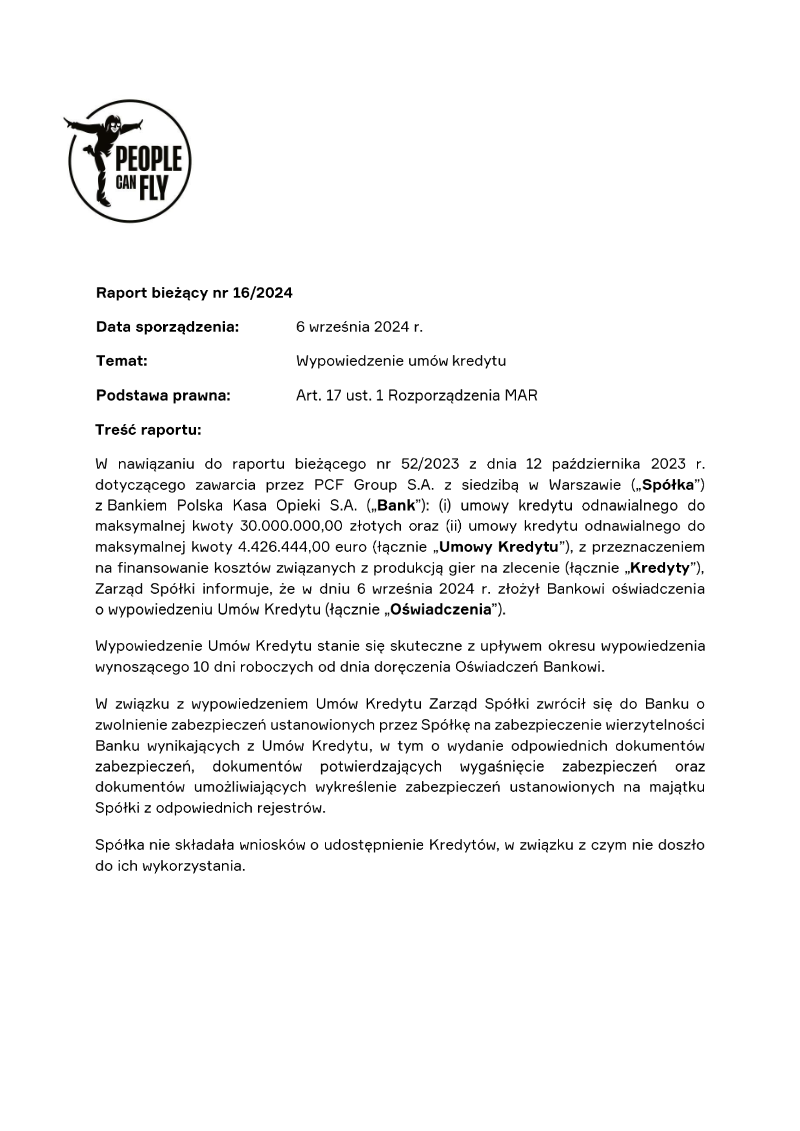
PCF Group · 2024

tinyBuild · 2024
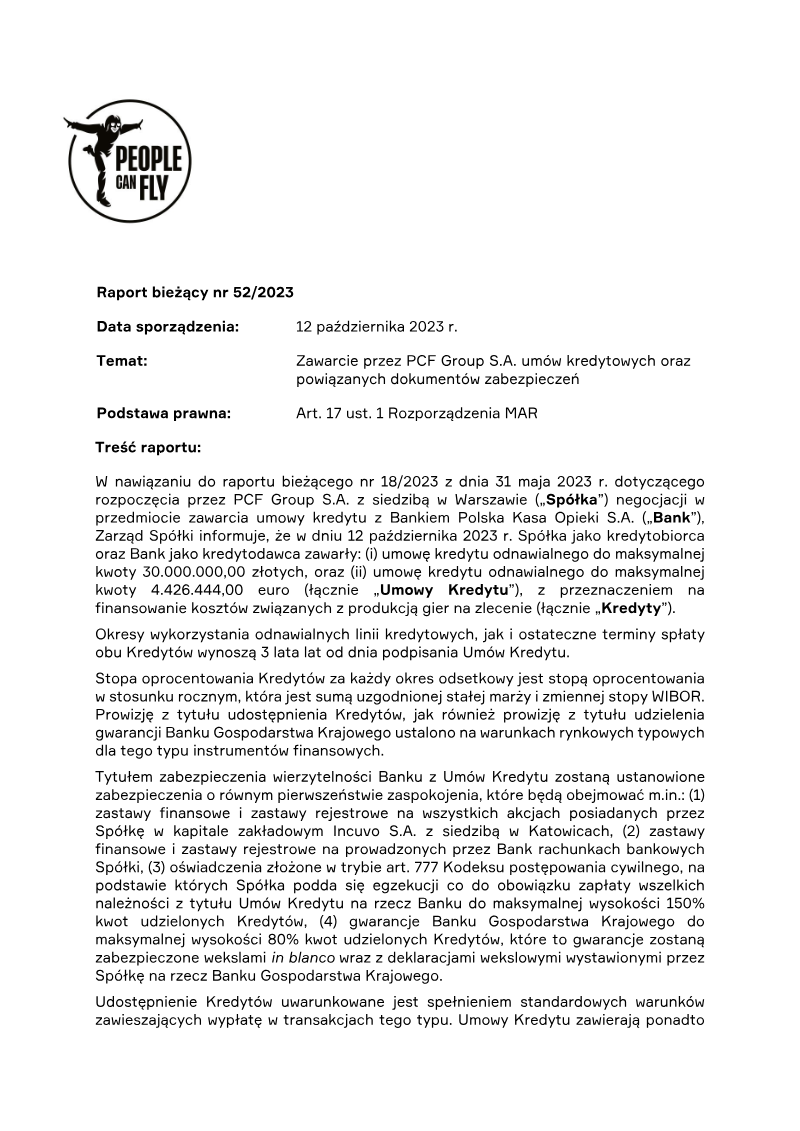
PCF Group · 2023

CESA – Computer Entertainment Supplier's Association · 2023
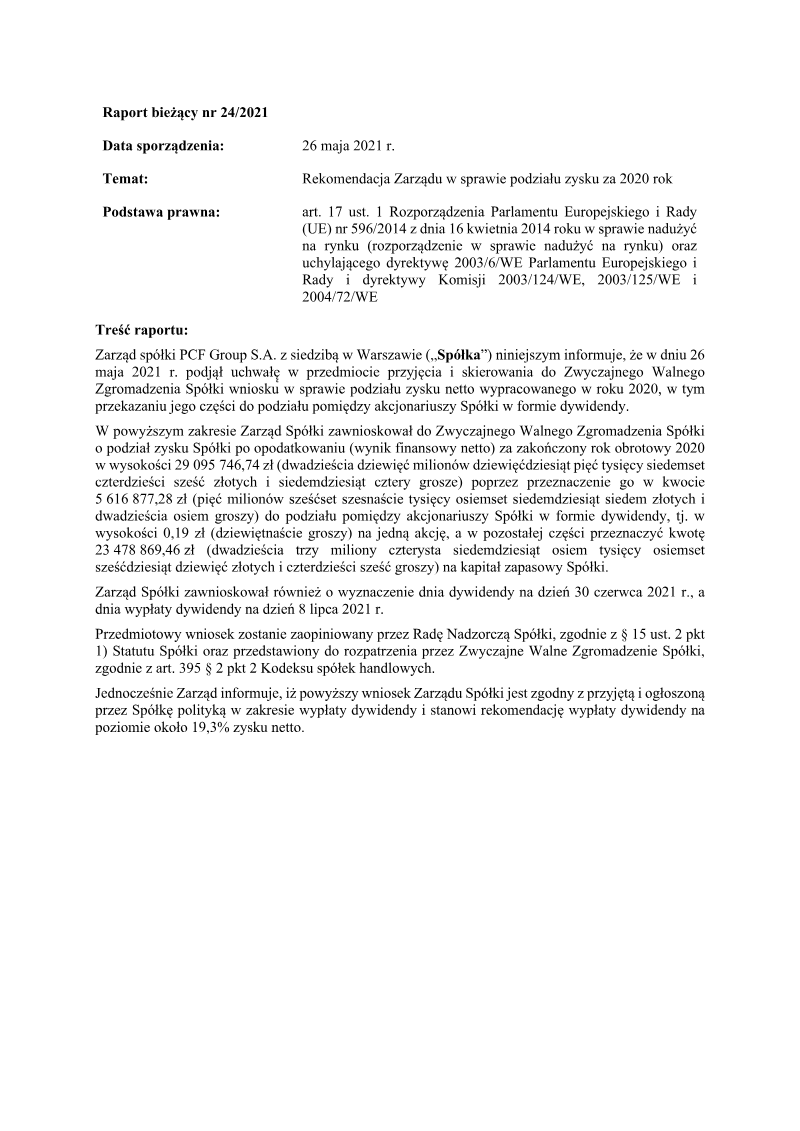
PCF Group · 2021
Ventspils High Technology Park · 2020

InvestGame
PCF Group
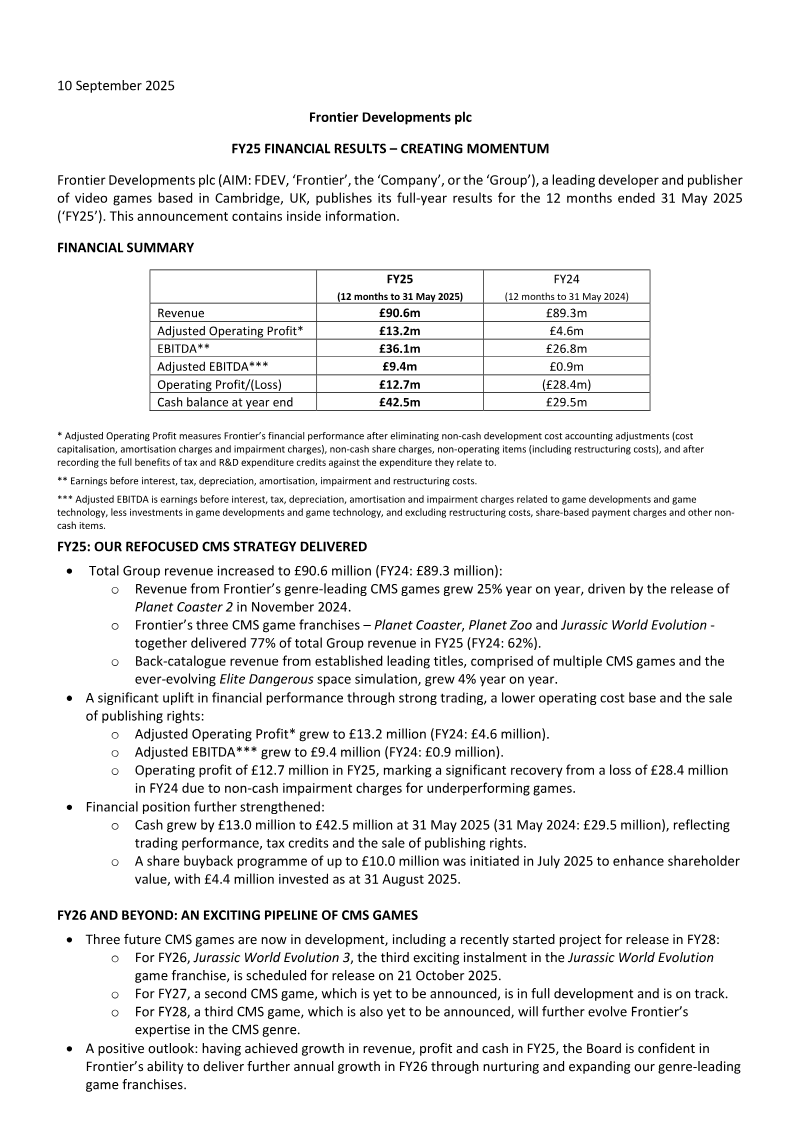
Frontier Developments

InvestGame
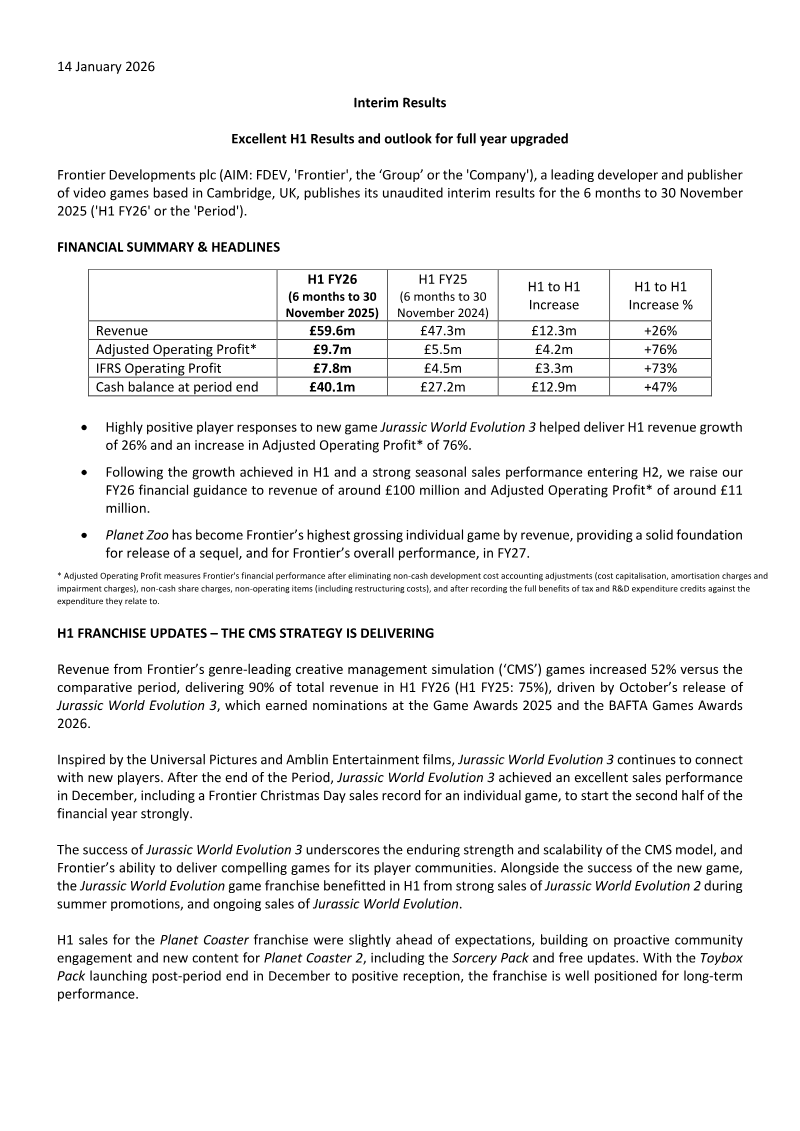
Frontier Developments