UK Games Fund
Association16 documents
Documents
Article
UKGF Portfolio Update and News: September 2026
The UK Games Fund (UKGF) has announced its latest cohort of recipients for the September 2026 funding cycle, underscoring the ongoing vitality and commercial ambition of the United Kingdom’s independent games sector. The update confirms the selection of fifteen new companies for the Round 20 Prototype Fund, alongside additional recipients for the Content Fund. These investments are designed to facilitate sustainable business growth, enable higher production standards, and support studios at various stages of their development lifecycles.
The selection process reflects sustained interest across the UK’s independent development landscape, with the fund maintaining its commitment to fostering creative value and long-term success. While the current announcement focuses on the Prototype and Content funding routes, the organization has indicated that further details regarding the 2026 Starter Fund—which encompasses both Head Start and Fresh Start pathways—will be released in the near future.
By providing capital to these independent studios, the UKGF aims to bridge the gap between initial concept and market-ready product. Recipients, such as Wristwork, have noted that this financial support is instrumental in enabling deeper collaborations and achieving a higher degree of technical rigor. This latest portfolio expansion serves as a barometer for the broader UK industry, highlighting a consistent pipeline of entrepreneurial talent and creative output that continues to contribute to the nation's global reputation in the interactive entertainment sector.
- The UK Games Fund has announced the Round 20 Prototype Fund recipients, which include 15 independent studios such as Firebolt Games, Saltstone Studios, and Future Friends Games.
- In addition to the Round 20 Prototype Fund, the UK Games Fund has confirmed new recipients for its Content Fund, with further project details to be published in the organization's portfolio section.
- The 2026 Starter Fund cohort, encompassing both the Head Start and Fresh Start pathways, is scheduled for announcement in the near future.
- The funding initiatives are designed to support independent UK-based games companies at various stages of development to foster sustainable business growth and long-term commercial success.
- The UK Games Fund reports sustained application interest across its three primary funding routes—Prototype, Content, and Starter—reflecting continued creative and entrepreneurial activity within the UK independent sector.
UK Games Fund
Article
Newly Funded Companies Announced: UK Games Fund
The UK Games Fund has announced its largest cohort of funded companies since its inception in 2015, marking a significant expansion in support for the nation’s independent games sector. This initiative aligns with the UK Government’s Growth for Games strategy, which has secured an additional £28.5 million in funding to be distributed over the next three years. The primary objective of this capital injection is to foster the development of original intellectual property, facilitate skilled employment, and enhance the commercial viability of independent studios by preparing them for future private investment.
The selection process for the Prototype Fund, which recently reopened for applications, saw a high volume of interest from developers across the UK. Applicants demonstrated a heightened focus on audience development and project ambition, resulting in a competitive field of candidates. The 29 newly funded companies represent a diverse range of creative projects, including narrative-driven titles, life simulations, and puzzle games, all of which are expected to leverage these grants to advance their development cycles and market readiness.
By providing targeted financial support, the UK Games Fund aims to bridge the gap for early-stage developers, enabling them to transition from conceptual prototypes to sustainable business entities. This latest round of funding underscores a broader commitment to maintaining the UK’s competitive edge in the global interactive entertainment market. Through this sustained investment, the program continues to serve as a critical catalyst for innovation, helping independent studios navigate the challenges of game production while building the necessary infrastructure for long-term growth within the domestic industry.
- The UK Games Fund has secured an additional £28.5 million in government funding to support the independent games sector over the next three years.
- The UK Games Fund announced its largest cohort of funded companies since its inception in 2015, following a strong response to the reopened Prototype Fund.
- The 33 newly funded companies include studios such as Toyumi, Draknek & Friends, Kaizen Game Works, Team Folon, and Perchang.
- Funded projects cover a diverse range of titles, including narrative-driven games, life simulations like Toyumi’s 'Nomi', and various unannounced projects.
- The selection process for this cohort prioritized developers with ambitious, innovative projects and a clear focus on audience development.
+1
UK Games Fund

Article
UK Games Fund: A Fresh Start for Growth
The UK Games Fund has secured an additional £28.5 million over the next three years to strengthen support for independent game developers across the United Kingdom, as announced on 13 April 2026. The funding is part of the UK Government’s Growth for Games strategy and will be administered by UK Games Talent and Finance (UKGTF), the non‑profit entity that has managed the Fund since 2015. Since its inception, UKGTF has financed more than 400 games produced by small and medium‑sized enterprises throughout the UK, a contribution highlighted in an independent economic evaluation commissioned by the government.
The new allocation will be distributed through three distinct strands, each targeting a different stage of studio development. The Starter Fund offers £20 000 grants to university‑graduate companies, early‑stage start‑ups and firms seeking to build a foundation for future growth. The Prototype Fund provides up to £100 000 for studios with industry experience that wish to advance audience‑validated, own‑IP projects and scale their operations. The Content Fund delivers up to £250 000 for established, high‑growth companies that already have third‑party investment on the table; this tranche is designed to unlock further expansion.
UKGTF CEO Paul Durrant emphasized that the Fund’s renewed structure reflects lessons learned from its decade‑long operation and aligns with the government’s objective of positioning the UK as a global leader in video games. Application calls will be announced shortly, and the Fund’s expanded resources are expected to reinforce the economic impact of the UK indie game sector.
- The UK Games Fund has secured £28.5 million in new government funding to support independent developers over the next three years.
- The funding is divided into three tiers: £20,000 for the Starter Fund, up to £100,000 for the Prototype Fund, and up to £250,000 for the Content Fund.
- The Content Fund is specifically designed for high-growth companies that have already secured third-party investment to facilitate further expansion.
- UK Games Talent and Finance (UKGTF), which has managed the fund since 2015, will continue to administer the new allocation.
- Since its inception, the UKGTF has provided financing for more than 400 games produced by small and medium-sized enterprises across the UK.
UK Games FundApr 2026
Article
UK Games Talent at London Games Festival
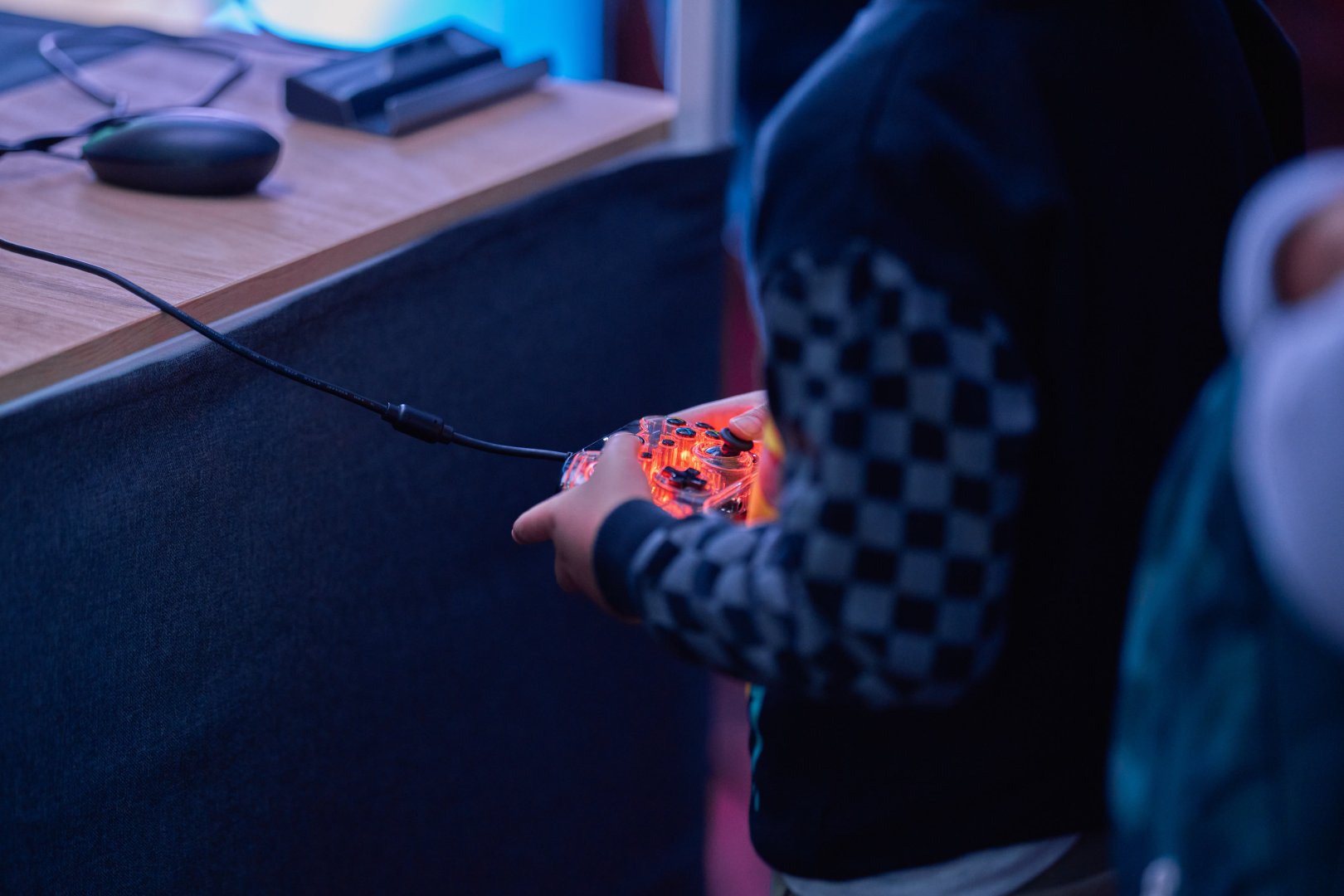
The London Games Festival serves as a critical platform for emerging UK indie developers, specifically highlighting the latest cohort of start-ups supported by the UK Games Fund. The primary objective of the New Games Plus showcase is to provide early-stage studios with high-level exposure, enabling them to present unreleased titles to both the general public and industry professionals. This initiative emphasizes the importance of direct player feedback and networking in the commercial development of new gaming talent.
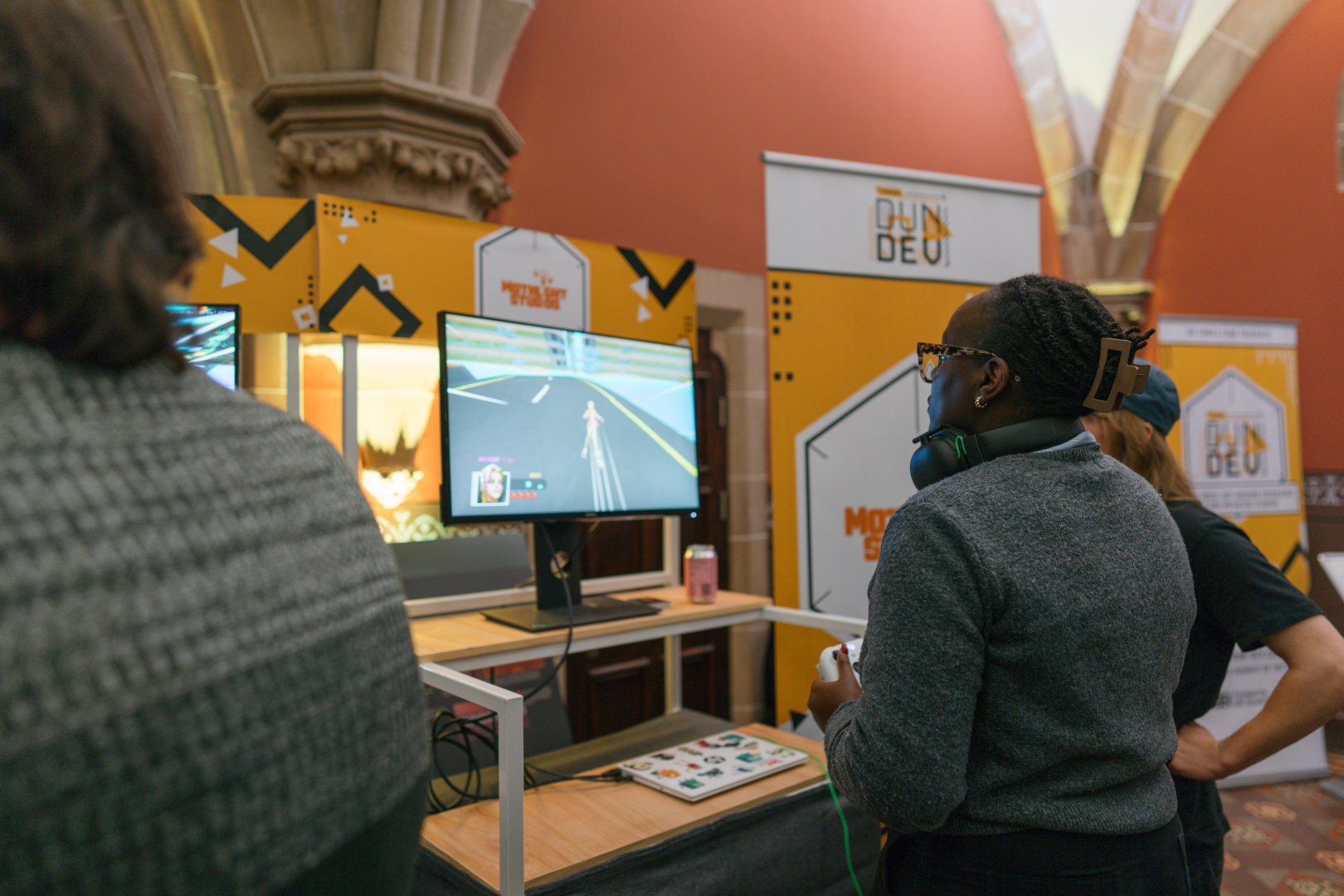
The 2026 showcase features eight specific studios, split equally between the Tranzfuser 2025 winners and the DunDev 2026 cohort. The participating Tranzfuser companies include Centaurus Software, Red Rat Games, ResByte Games, and Studio Whalefall, while the DunDev group consists of MVGIE Studios, Jardus Games, Mothlight Studio, and Nostalgicat. All eight organizations have received grant support from the UK Games Fund, which acts as a foundational pillar for their ongoing business growth and project development.
By integrating these early-stage developers into a broader, competitive landscape alongside global indie titles, the event aims to validate the quality of UK-grown projects. The inclusion of these studios in a major festival environment reflects a strategic effort to bridge the gap between initial prototype funding and market readiness. This ongoing commitment to spotlighting domestic talent underscores the broader industry trend of nurturing indie ecosystems to ensure long-term sector vitality within the United Kingdom.
- The 2026 London Games Festival New Games Plus showcase features eight early-stage UK indie studios, all of which are supported by the UK Games Fund.
- The showcase cohort is split equally between the Tranzfuser 2025 winners and the DunDev 2026 group.
- Participating Tranzfuser studios include Centaurus Software, Red Rat Games, ResByte Games, and Studio Whalefall.
- The DunDev cohort consists of MVGIE Studios, Jardus Games, Mothlight Studio, and Nostalgicat.
- The initiative is designed to bridge the gap between initial prototype funding and market readiness by providing studios with direct exposure to industry professionals and the public.
+1
UK Games FundApr 2026
Article
DunDev 2026 Funding Outcome: UK
The DunDev 2026 residential program concluded with a 100% success rate for its participants, as all four early-stage game development studios involved secured financial backing from the UK Games Fund’s Prototype Fund. This outcome validates the program’s core objective: to accelerate the commercial development of original intellectual property by strengthening the entrepreneurial capabilities of emerging UK-based studios.
The participating studios—MVGIE Studio, Mothlight Studios, Jardus Games, and Nostalgicat—benefited from a structured month-long residency in Dundee. The program provided a collaborative environment featuring one-to-one mentorship, professional development coaching, and direct networking opportunities with industry investors and publishers. By combining dedicated development space with expert guidance, the initiative aimed to equip these studios with the business acumen and industry connections necessary to transition from early-stage concepts to viable commercial projects.
This initiative highlights the ongoing efforts of the UK Games Fund to foster innovation within the domestic gaming sector. By integrating these four studios into its broader portfolio, the organization continues its strategy of identifying and supporting high-potential talent. The program serves as a critical bridge for developers, providing the resources and professional network required to navigate the challenges of the early-stage game development lifecycle.
- All four participating studios—MVGIE Studio, Mothlight Studios, Jardus Games, and Nostalgicat—achieved a 100% success rate in securing funding from the UK Games Fund’s Prototype Fund.
- The DunDev 2026 program utilized a month-long residency in Dundee to provide early-stage studios with mentorship, coaching, and direct access to investors and publishers.
- The initiative is designed to accelerate the commercial development of original intellectual property by improving the entrepreneurial capabilities of emerging UK-based game studios.
- The program serves as a strategic bridge for developers to transition from early-stage concepts to viable commercial projects by providing dedicated development space and industry connections.
- The UK Games Fund continues to integrate high-potential talent into its portfolio as part of a broader strategy to foster innovation within the domestic gaming sector.
+1
UK Games FundMar 2026
Article
DunDev: The Springboard to Success
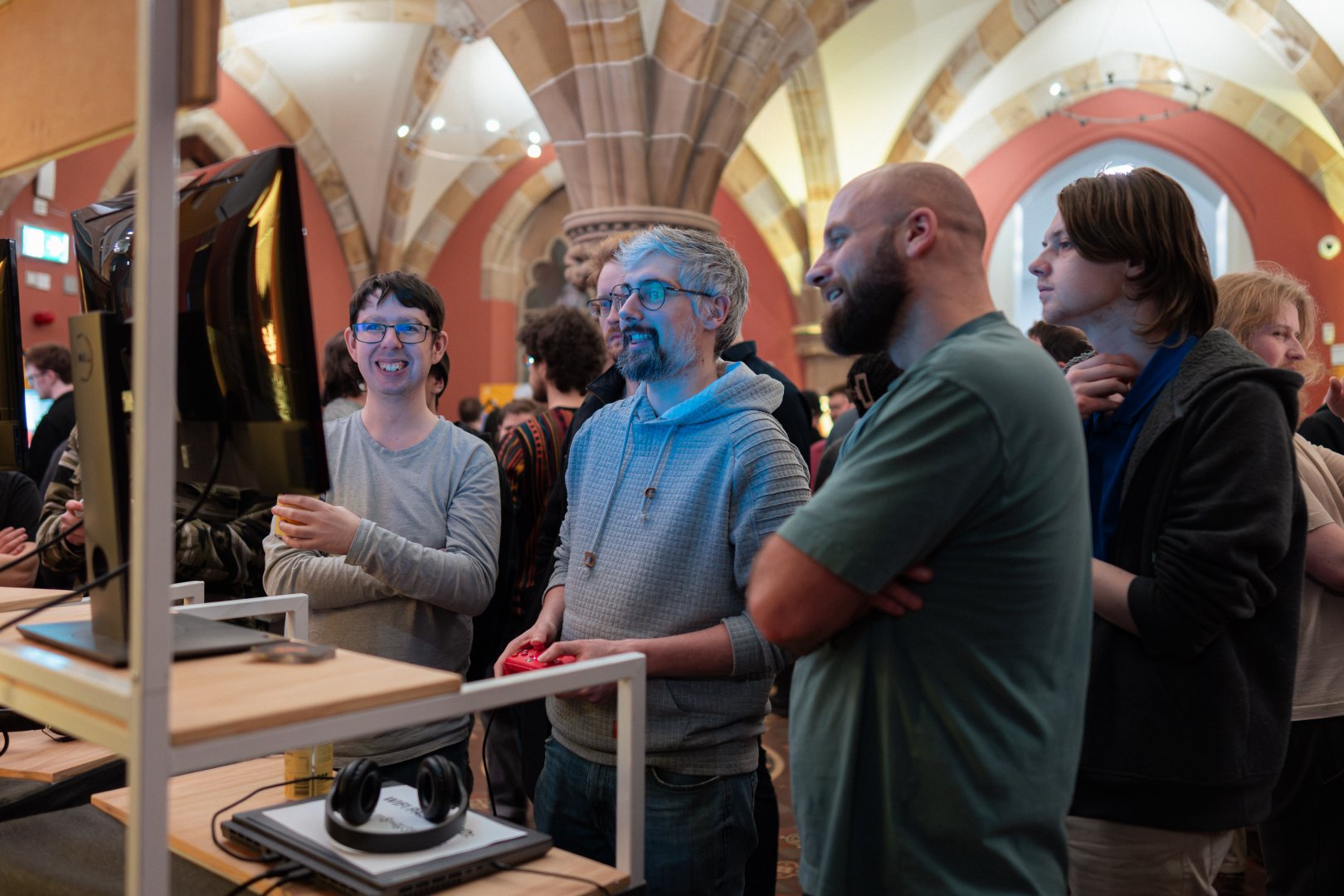
The DunDev residential program serves as a strategic accelerator for early-stage independent game development studios in the United Kingdom. By providing a four-week intensive hothousing experience in Dundee, the initiative aims to equip emerging developers with the professional skills, business acumen, and industry connections necessary to achieve sustainable growth. The program focuses on bridging the gap between creative game design and viable commercial operations through a combination of mentorship, expert-led workshops, and practical industry exposure.
The 2026 cohort featured four selected studios—Nostalgicat, Mothlight Studio, MVGIE Studios, and Jardus Games—who participated in a curriculum structured around weekly thematic pillars. Key activities included individualized sessions with industry veterans, public play-testing events at Dundee Contemporary Arts, and private pitch sessions with publishers. These engagements were designed to stress-test game concepts and refine business strategies in a real-world environment. The program concluded with a formal showcase in partnership with the Scottish Game Developers Association and a final pitch session for potential grant support from the Prototype Fund.
This initiative highlights the importance of localized, intensive support structures in fostering the UK’s indie game ecosystem. By facilitating direct access to established industry experts and providing a platform for public and professional feedback, the program accelerates the development lifecycle for high-potential startups. The success of the cohort is measured by their increased professional readiness and their ability to navigate the competitive landscape of game publishing and funding. The outcomes of the final grant pitches serve as a critical milestone for the participating studios as they transition from the residential program back to their independent operations.
- The 2026 DunDev residential program provided a four-week intensive accelerator in Dundee for four early-stage UK indie studios: Nostalgicat, Mothlight Studio, MVGIE Studios, and Jardus Games.
- The program curriculum focused on bridging the gap between creative design and commercial viability through mentorship, expert-led workshops, and industry networking.
- Participating studios engaged in public play-testing at Dundee Contemporary Arts and private pitch sessions with publishers to stress-test game concepts and business strategies.
- The initiative concluded with a formal showcase hosted in partnership with the Scottish Game Developers Association.
- Final pitch sessions were held to secure potential grant support from the Prototype Fund as a critical milestone for studio sustainability.
UK Games FundFeb 2026

Article
Content Fund Portfolio News: UK
The UK Games Fund continues to drive growth and development within the domestic video game industry through its Content Fund, which provides essential financial support to independent studios. The primary objective of this initiative is to facilitate the production, polish, and market launch of high-potential titles by enabling studios to expand their internal capabilities across art, animation, and audio departments.
A notable success story within the current portfolio is the survival horror title Deathground, developed by Jaw Drop Games. Following support from the Content Fund, the game successfully entered Early Access, achieving significant market visibility. Key performance indicators include reaching the number ten spot on the UK Steam charts, securing nearly 300,000 wishlist additions, and attaining a top-20 ranking on Twitch alongside a fourth-place position on the Steam Hype Chart. These metrics underscore the effectiveness of targeted grant funding in accelerating development timelines and enhancing the commercial viability of independent projects.
Beyond individual project milestones, the portfolio is expanding through the addition of four new studios: Damp Gnat, Hugecalf Studios, Rocket Flair Studios, and Ace High Sports. These additions reflect the ongoing assessment and allocation processes managed by the fund to support a diverse range of UK-based developers. By providing the necessary resources for technical and creative refinement, the UK Games Fund remains a critical catalyst for innovation and economic activity within the British interactive entertainment sector.
- The UK Games Fund Content Fund provides capital to independent studios to scale internal capabilities in art, animation, and audio for the production and launch of high-potential titles.
- Jaw Drop Games’ survival horror title Deathground achieved a top-10 position on the UK Steam charts and a top-20 ranking on Twitch following support from the fund.
- Deathground secured nearly 300,000 wishlist additions and reached fourth place on the Steam Hype Chart, demonstrating the impact of grant funding on commercial visibility.
- The portfolio has expanded to include four new studios: Damp Gnat, Hugecalf Studios, Rocket Flair Studios, and Ace High Sports.
- The fund’s primary operational focus is accelerating development timelines and enhancing the technical and creative refinement of independent projects to drive UK industry growth.
UK Games FundNov 2025
Article
Round 18 Companies Announced: UK
The UK Games Fund has finalized its eighteenth round of funding, selecting a cohort of twelve independent studios to receive support for their respective game development projects. This initiative serves to provide essential capital for prototype creation, which acts as a critical stepping stone for these developers to secure subsequent publishing agreements or private investment. The selection process for this round was characterized by high levels of competition and a notable influx of first-time applicants to the Prototype Fund.
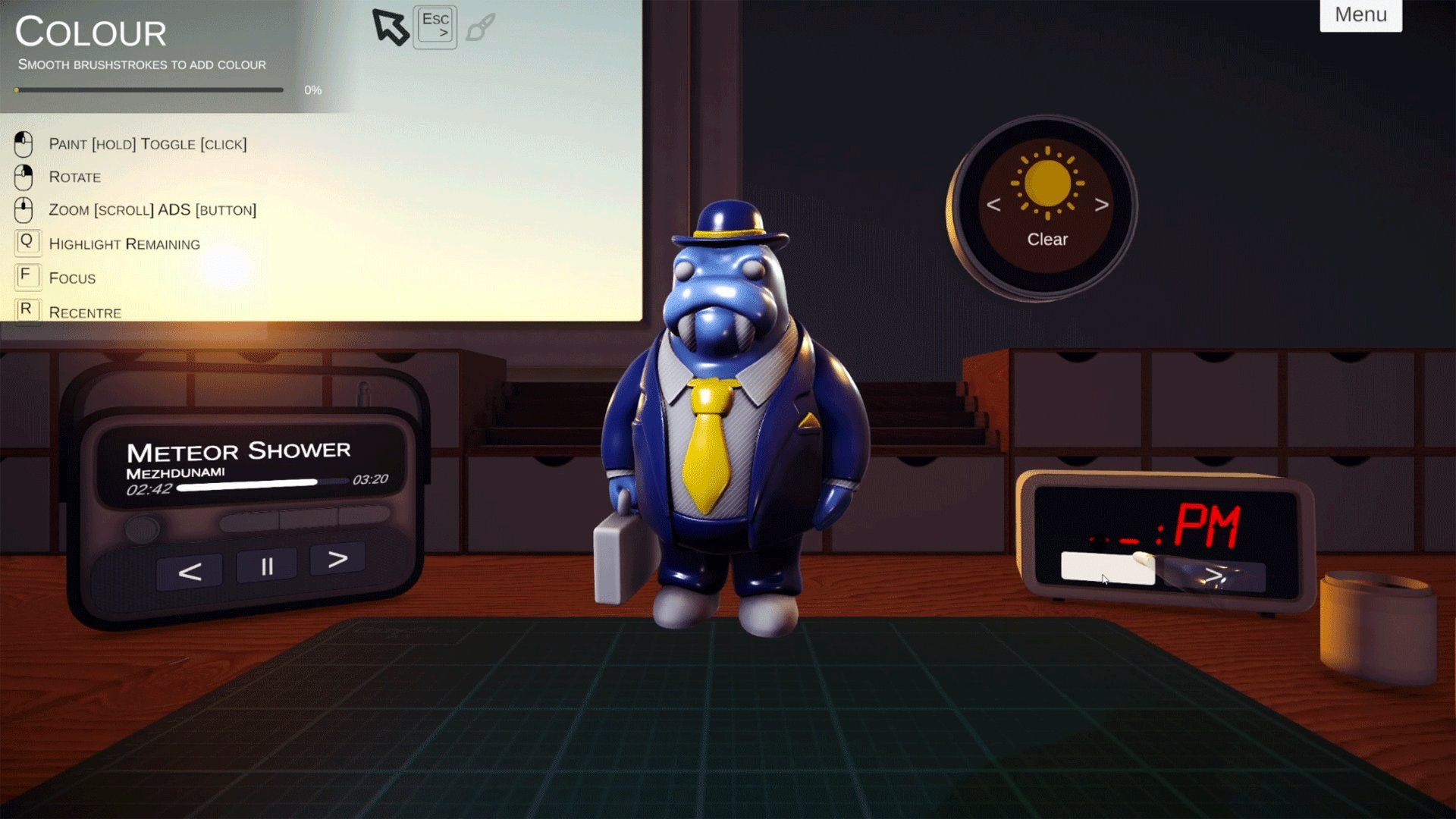
The twelve companies selected for the Round 18 portfolio include Balloon Studios, Fail Forward Games, Game Anim, Krygon Studio, Nellyvision, Nequinox Studios, Pretty Cool Games, Sigtrap, Tea Imp Games, Triplevision Games, Original Big Games, and The Studio That Threw Nothing Away. These studios are currently initiating work on a diverse range of projects, including titles such as Sea Beyond, You Shoot I’ll Drive, City of Thieves, More Than a Tempo, Possession, Thingy Paint, Thingamajigs, Feral Rebellion, Toss Me, and Anchoress.
This funding cycle represents the final cohort of the year for the UK Games Fund, which operates under the broader mandate of fostering growth within the domestic interactive entertainment sector. While the organization continues to support its current portfolio, it has temporarily paused the acceptance of new expressions of interest for future funding rounds, with plans to reopen the application process in the coming year. The program remains a key mechanism for government-backed investment in the United Kingdom’s games industry, focusing on early-stage development to ensure long-term commercial viability for emerging creative talent.
- The UK Games Fund has selected twelve independent studios for its eighteenth round of funding to support early-stage prototype development.
- The selected cohort includes Balloon Studios, Fail Forward Games, Game Anim, Krygon Studio, Nellyvision, Nequinox Studios, Pretty Cool Games, Sigtrap, Tea Imp Games, Triplevision Games, Original Big Games, and The Studio That Threw Nothing Away.
- New projects currently in development include titles such as Sea Beyond, You Shoot I’ll Drive, City of Thieves, More Than a Tempo, Possession, Thingy Paint, Thingamajigs, Feral Rebellion, Toss Me, and Anchoress.
- This funding cycle marks the final cohort of the year, with the UK Games Fund temporarily pausing new expressions of interest until the application process reopens next year.
- The Prototype Fund experienced high levels of competition during this round, driven by a significant increase in first-time applicants.
UK Games FundOct 2025
Article
Content Fund Company Updates: UK Games Fund
The UK Games Fund (UKGF) Content Fund serves as a strategic financial mechanism designed to catalyze growth within the British video game development sector. By providing targeted grants, the fund enables independent studios to scale operations, recruit specialized talent, and secure high-level publishing partnerships. The primary objective of this initiative is to foster professional development and project polish, ultimately helping UK-based developers reach international markets and achieve commercial viability.
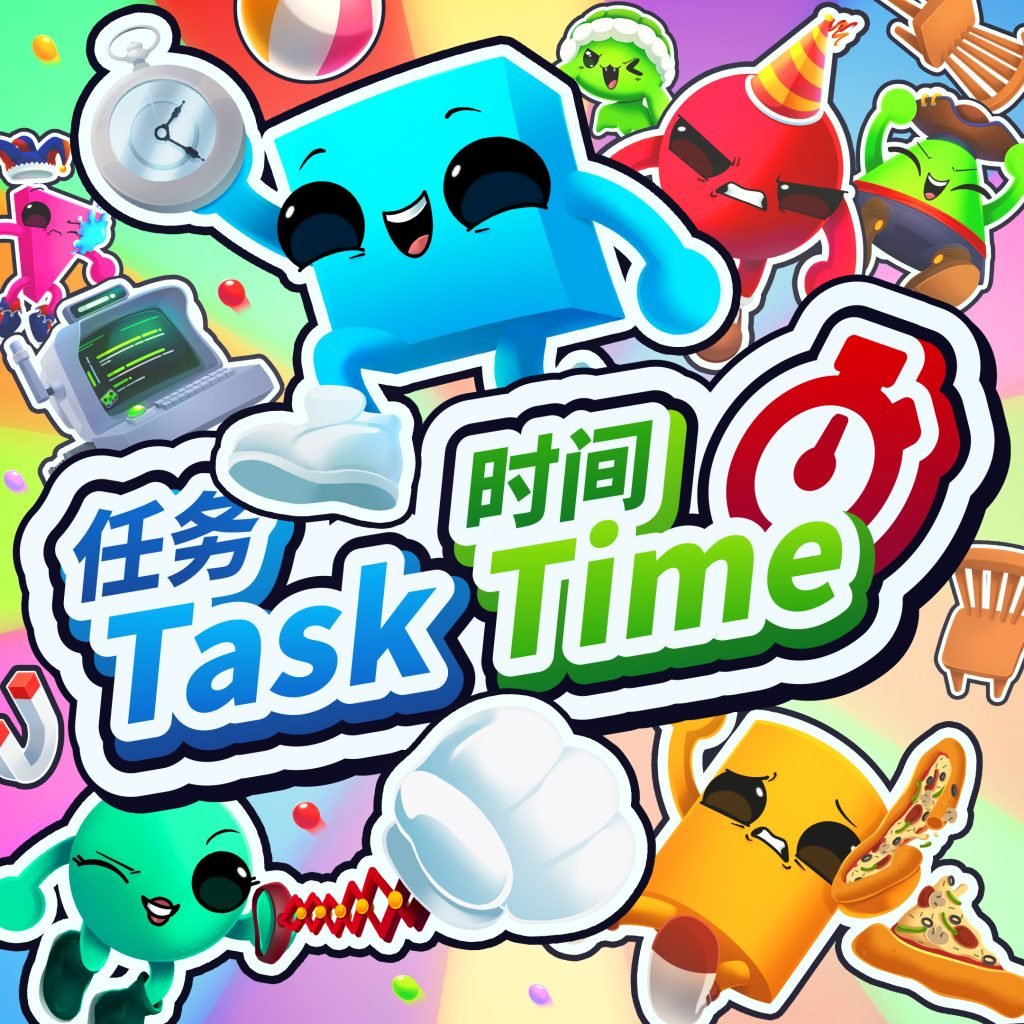
Recent updates from the portfolio highlight the tangible impact of these grants on studio output and industry visibility. Notable developments include the announcement of Task Time by ReadGraves, in partnership with Wired Productions, and Earth Must Die by Size Five Games, which secured a publishing deal with No More Robots. Additionally, the portfolio has seen the release of Unseen Diplomacy 2 by Triangular Pixels into Early Access and the Steam announcement of Titan Isles by Psytec Games. These projects demonstrate the fund’s success in facilitating diverse gameplay experiences, ranging from chaotic party games and narrative-driven point-and-click adventures to immersive virtual reality and cooperative survival titles.
The UKGF emphasizes that these milestones represent key indicators of success, validating the effectiveness of public funding in unlocking private investment and external support. By enabling studios to expand their teams and refine their products, the Content Fund acts as a critical bridge between early-stage development and successful market entry. These outcomes underscore the broader mission of the UKGF to build sustainable talent pipelines and enhance the competitive standing of the UK games industry on the global stage.
- The UK Games Fund (UKGF) Content Fund provides targeted grants to independent studios to facilitate scaling, talent recruitment, and the securing of high-level publishing partnerships.
- The fund acts as a financial bridge between early-stage development and commercial viability, successfully leveraging public funding to unlock private investment and external support.
- ReadGraves partnered with Wired Productions for the title Task Time, while Size Five Games secured a publishing deal with No More Robots for Earth Must Die.
- Triangular Pixels has released Unseen Diplomacy 2 into Early Access, and Psytec Games has officially announced Titan Isles on Steam.
- The portfolio demonstrates a diverse range of funded project types, including party games, narrative-driven point-and-click adventures, virtual reality, and cooperative survival titles.
+1
UK Games FundSept 2025
Article
Portfolio Round Up: August 2025
The UK Games Fund portfolio continues to demonstrate significant growth and industry recognition as of August 2025. The primary purpose of this update is to highlight the recent achievements, funding milestones, and strategic developments of companies supported by the organization’s Prototype, Starter, and Content funds. These updates underscore the efficacy of public investment in fostering innovation and commercial viability within the United Kingdom’s independent games sector.
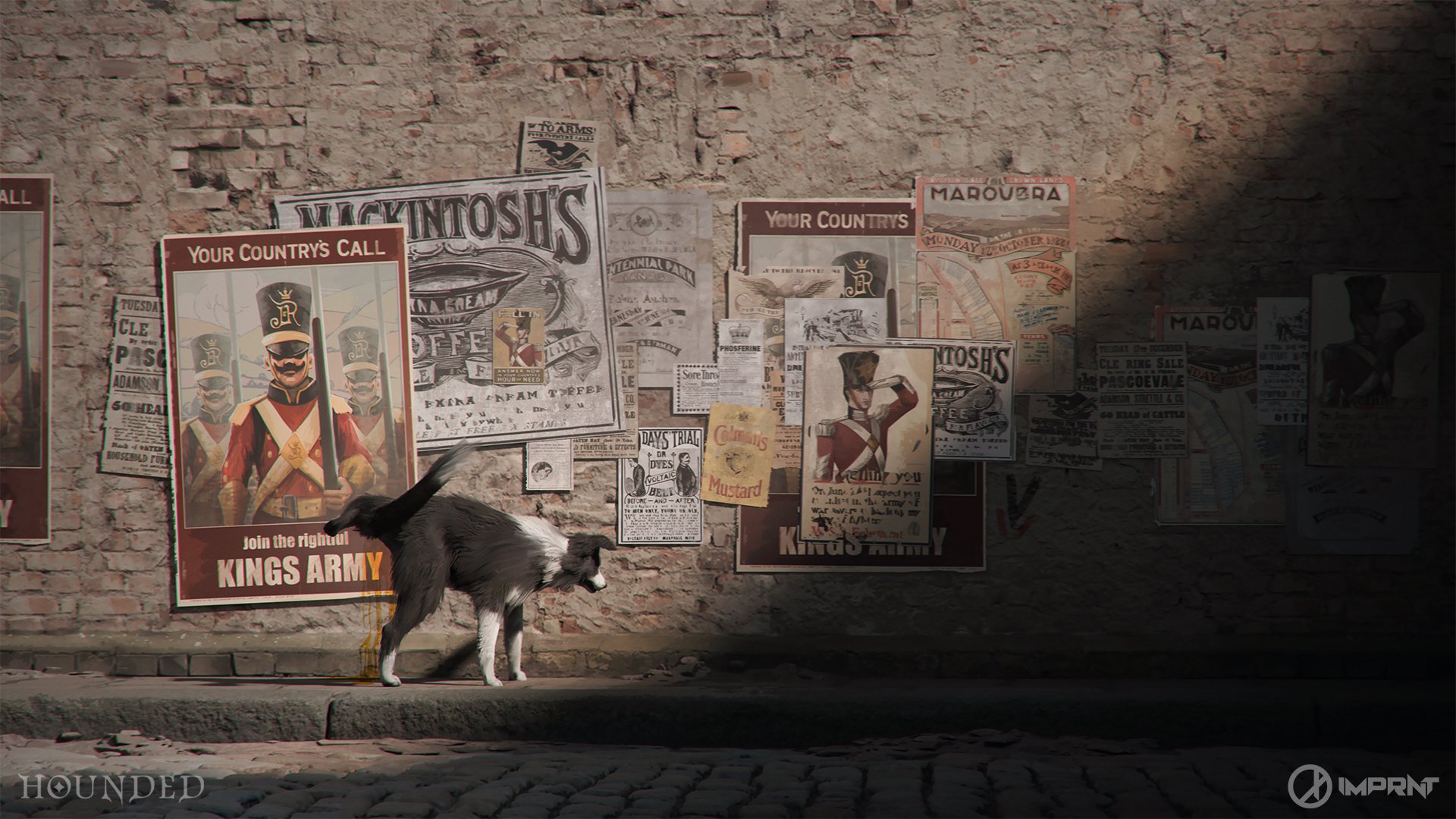
Key findings from the portfolio reveal a diverse range of successes across the industry. Imprnt Studios secured an Epic MegaGrant for its project Hounded, while Spilt Milk Studios earned the title of Best Small Studio at the July Develop: Star Awards. Additionally, Tombstone Studios received the People’s Choice Award at the DunDev 2025 event. Commercial and creative milestones are also prominent, with Draknek & Friends scheduling an October launch for Spooky Express and Binary Spiders establishing a new indie publishing label, Upstart Games. Furthermore, Sketchbook Games achieved cultural recognition through the inclusion of Lost Words: Beyond the Page in The Story Museum’s exhibition.
These developments reflect a broader trend of UK-based studios leveraging targeted financial support to reach critical development milestones and expand their market presence. By facilitating both technical production and business infrastructure, the funding initiatives serve as a vital catalyst for long-term sustainability. The reported successes illustrate a robust pipeline of talent and creative output, reinforcing the role of the UK Games Fund in strengthening the competitive landscape for independent developers throughout the country.
- Imprnt Studios secured an Epic MegaGrant for their project Hounded, while Spilt Milk Studios was named Best Small Studio at the July 2025 Develop: Star Awards.
- Tombstone Studios won the People’s Choice Award at the DunDev 2025 event, highlighting the portfolio's success in industry recognition.
- Draknek & Friends has scheduled the commercial launch of their title Spooky Express for October 2025.
- Binary Spiders has expanded its business operations by establishing a new indie publishing label, Upstart Games.
- Sketchbook Games achieved cultural recognition as their title Lost Words: Beyond the Page was featured in an exhibition at The Story Museum.
+1
UK Games FundAug 2025

Article
Funded Companies Announced: UK Games Fund
The UK Games Fund has officially announced the selection of new portfolio companies for Round 17 of its Prototype Fund. This initiative provides financial support to independent developers for the commercial development of original intellectual property. The program aims to accelerate the creation of polished game prototypes, enabling studios to reach development milestones more rapidly than would be feasible through self-funding alone.
The funding round offers individual grants of up to £30,000 per company. The selection process for Round 17 notably included a high volume of first-time applicants, indicating a growing reach within the domestic development community. The successful cohort comprises 22 studios, including Karno, Nucleolus Software, Observer Interactive, Panda Cat Games, Parable Studios, Paris Media, Party for Introverts, RO Pictures, Secret Level Studios, Silent Games, TurtleFox Games, Wild Man Games, Ant Workshop, Blackstaff Games, Blank Keys, Blue Sight Games, Breaking Change, Bunnyhug, Couchbound Games, Ice BEAM, Infinity Ape, and Jollywise Media.
These projects span a diverse range of genres and concepts, from simulation and strategy titles to unannounced projects currently in early development. By providing this capital, the UK Games Fund continues its mission to foster growth and innovation within the UK’s interactive entertainment sector. The support serves as a critical bridge for small-to-medium-sized enterprises, allowing them to refine their technical and creative output while maintaining ownership of their intellectual property.
- The UK Games Fund has selected 22 independent studios for Round 17 of its Prototype Fund, providing grants of up to £30,000 per company.
- The program supports the commercial development of original intellectual property, allowing studios to accelerate milestones while retaining full ownership.
- The cohort includes Karno, Nucleolus Software, Observer Interactive, Panda Cat Games, Parable Studios, Paris Media, Party for Introverts, RO Pictures, Secret Level Studios, Silent Games, TurtleFox Games, Wild Man Games, Ant Workshop, Blackstaff Games, Blank Keys, Blue Sight Games, Breaking Change, Bunnyhug, Couchbound Games, Ice BEAM, Infinity Ape, and Jollywise Media.
- Round 17 saw a high volume of first-time applicants, signaling an expansion of the fund's reach within the UK domestic development community.
- Funded projects cover a diverse range of genres, including strategy and simulation titles, alongside various unannounced projects in early development stages.
+1
UK Games FundAug 2025

Article
All About Impact: UK Games Fund
An independent evaluation commissioned by the Department for Culture, Media and Sport (DCMS) and conducted by Alma Economics assesses the economic and operational impact of the UK Games Fund (UKGF), including its associated programs, Tranzfuser and DunDev. The primary objective of this analysis is to quantify the effectiveness of public investment in the UK’s early-stage video game development sector and to validate the fund’s role in fostering industry growth and innovation.
The findings demonstrate significant economic returns, with the current three-year iteration of the UKGF projected to generate between £30 million and £58 million in productivity benefits. This results in a benefit-cost ratio ranging from 3.8 to 7.3, with a central estimate of 4.8. Beyond direct economic output, the data indicates that UKGF support increases the probability of beneficiaries developing a functional prototype or game by eight percentage points within one year. Furthermore, every £10,000 in funding correlates with a five-percentage-point increase in the creation of reusable assets or code. The program also acts as a catalyst for private investment, as participating companies successfully leveraged £18.2 million in additional funding, surpassing the total £13 million invested by the government.
Qualitative feedback highlights high levels of beneficiary satisfaction, particularly regarding the application process and the program’s unique community contribution model, which encourages developers to share time and expertise. Additionally, 80% of surveyed companies reported that the funding effectively reduced the risk profile of their projects. These results confirm that the UKGF serves as a vital mechanism for de-risking early-stage creative ventures and strengthening the broader UK games ecosystem. The insights gained from this evaluation are intended to inform the design of future government support initiatives, such as the Games Growth Package.
- The UK Games Fund generates a central benefit-cost ratio of 4.8, with projected productivity benefits between £30 million and £58 million.
- Participating companies successfully leveraged £18.2 million in private investment, exceeding the £13 million total government funding provided.
- UKGF support increases the probability of a developer completing a functional prototype or game by eight percentage points within one year.
- Every £10,000 in funding correlates with a five-percentage-point increase in the creation of reusable assets or code.
- 80% of surveyed companies reported that the funding effectively reduced the risk profile of their early-stage creative projects.
+1
UK Games FundJul 2025