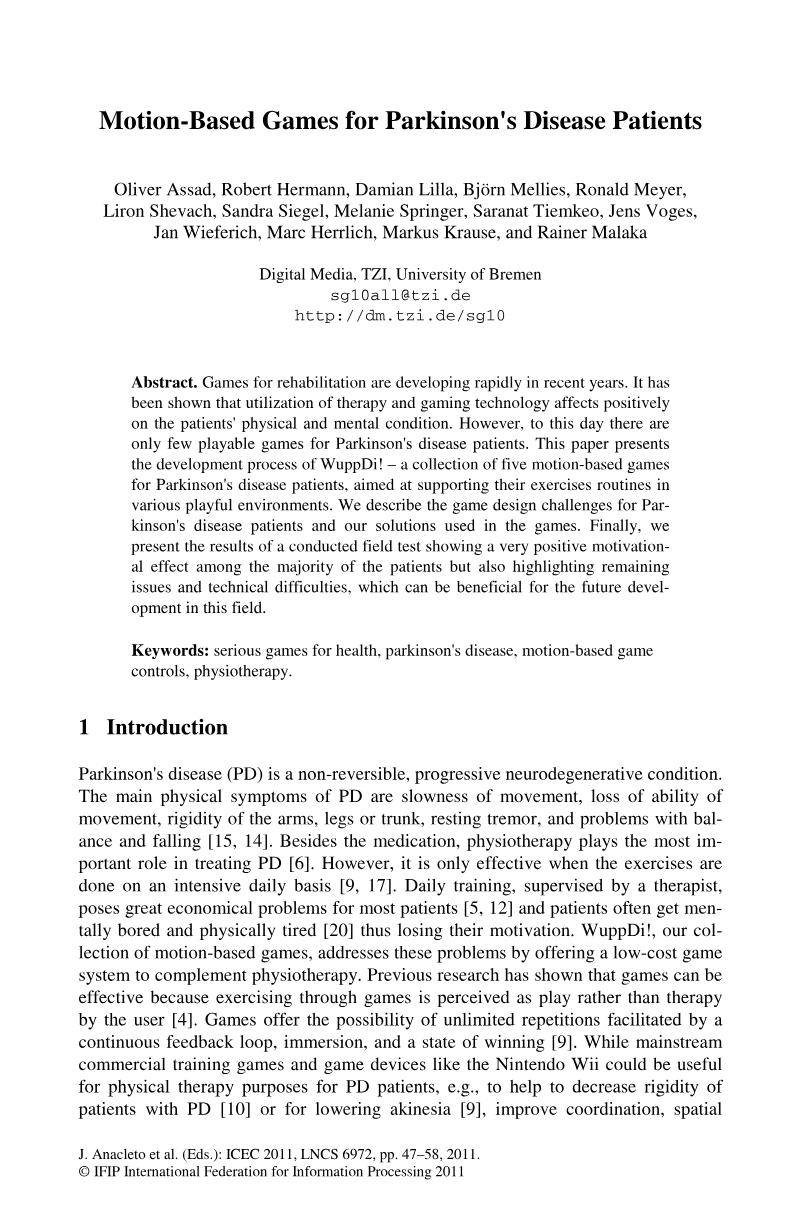
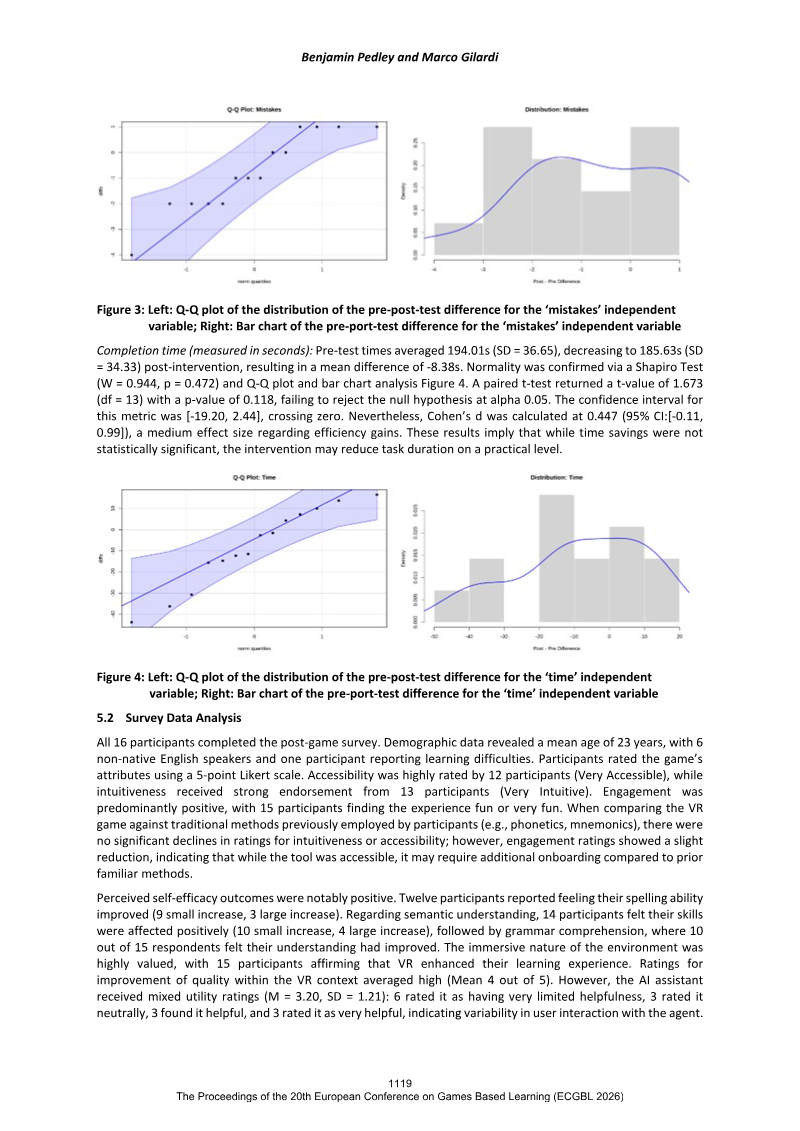
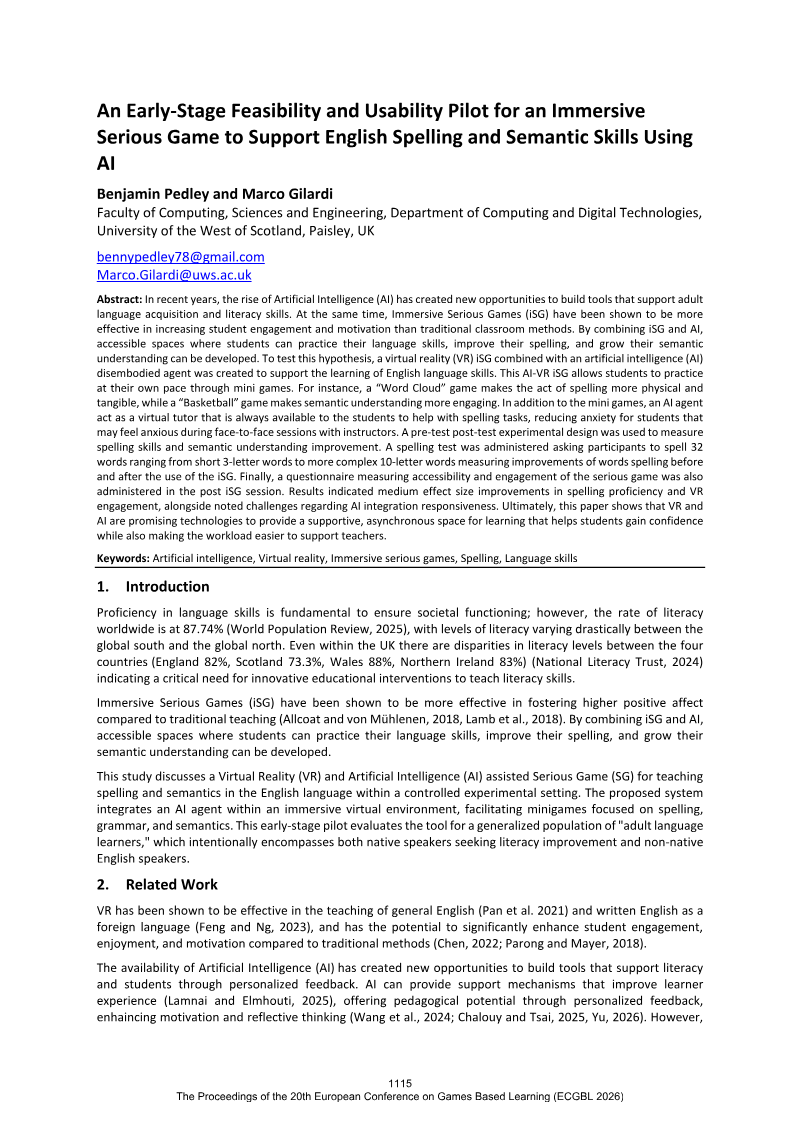
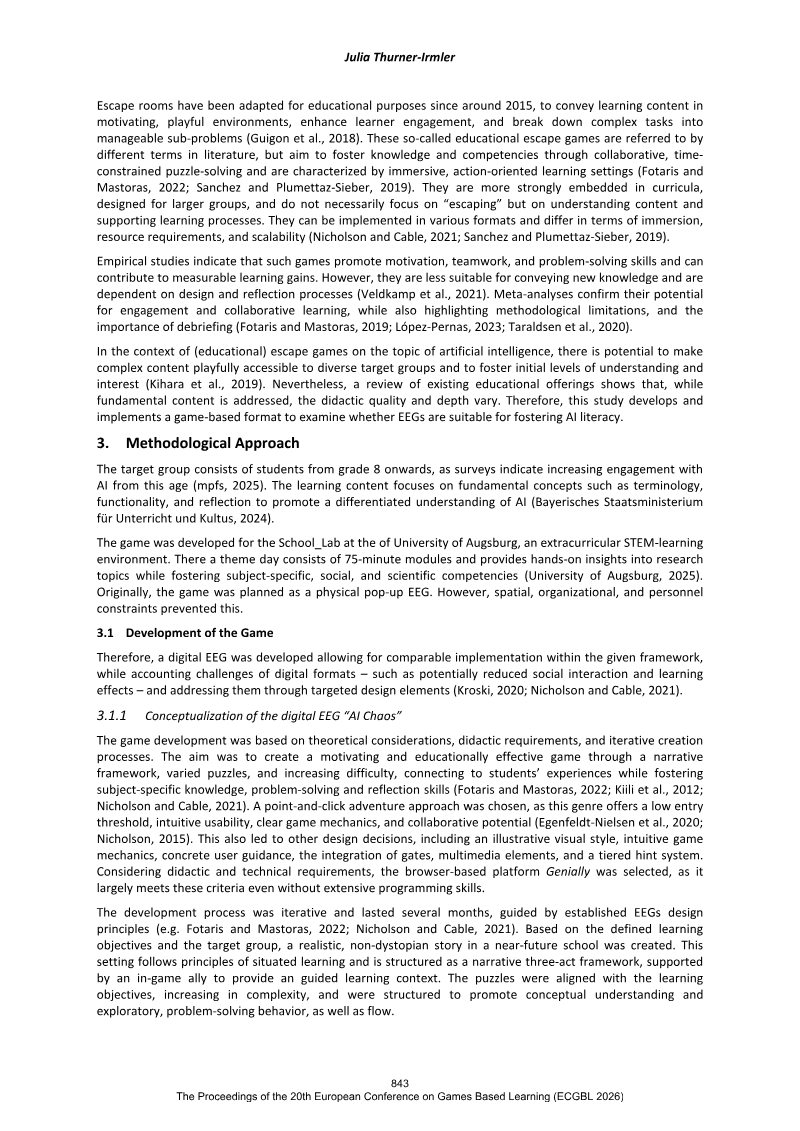
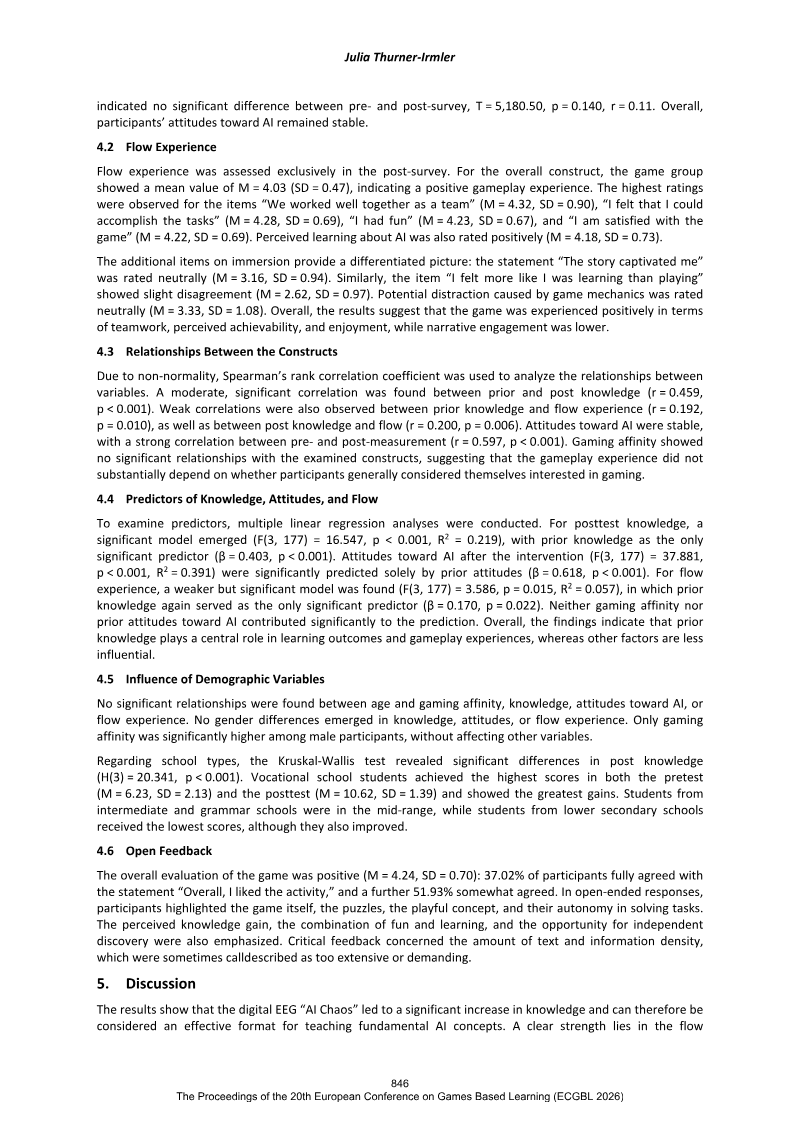
This research explores the implementation of Dynamic Difficulty Adjustment (DDA) in exergames designed for patients with Parkinson’s disease. The primary objective is to address the significant physical and symptomatic variability among patients by automating the adjustment of game parameters, specifically focusing on the range of motion (ROM), speed, and accuracy. By dynamically scaling the amplitude of required movements, the system aims to provide personalized therapeutic support that encourages consistent physical activity without requiring constant manual intervention from physiotherapists.
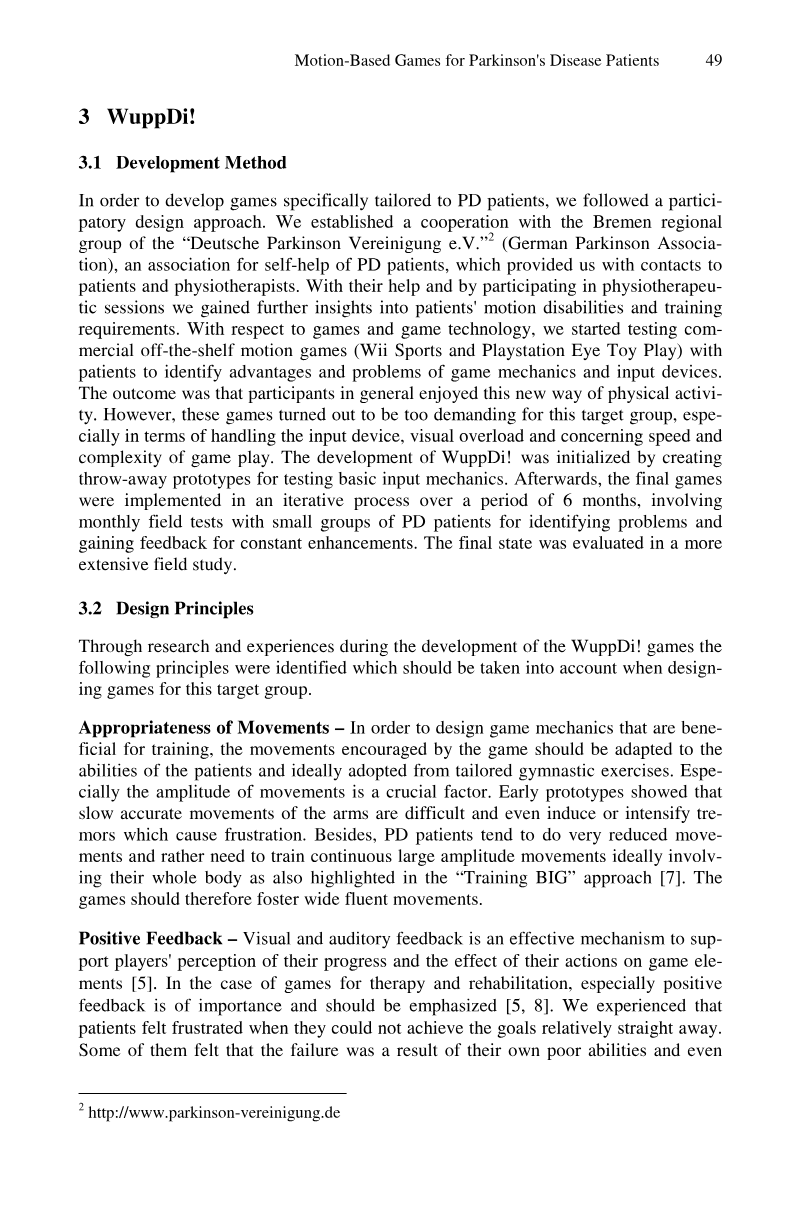
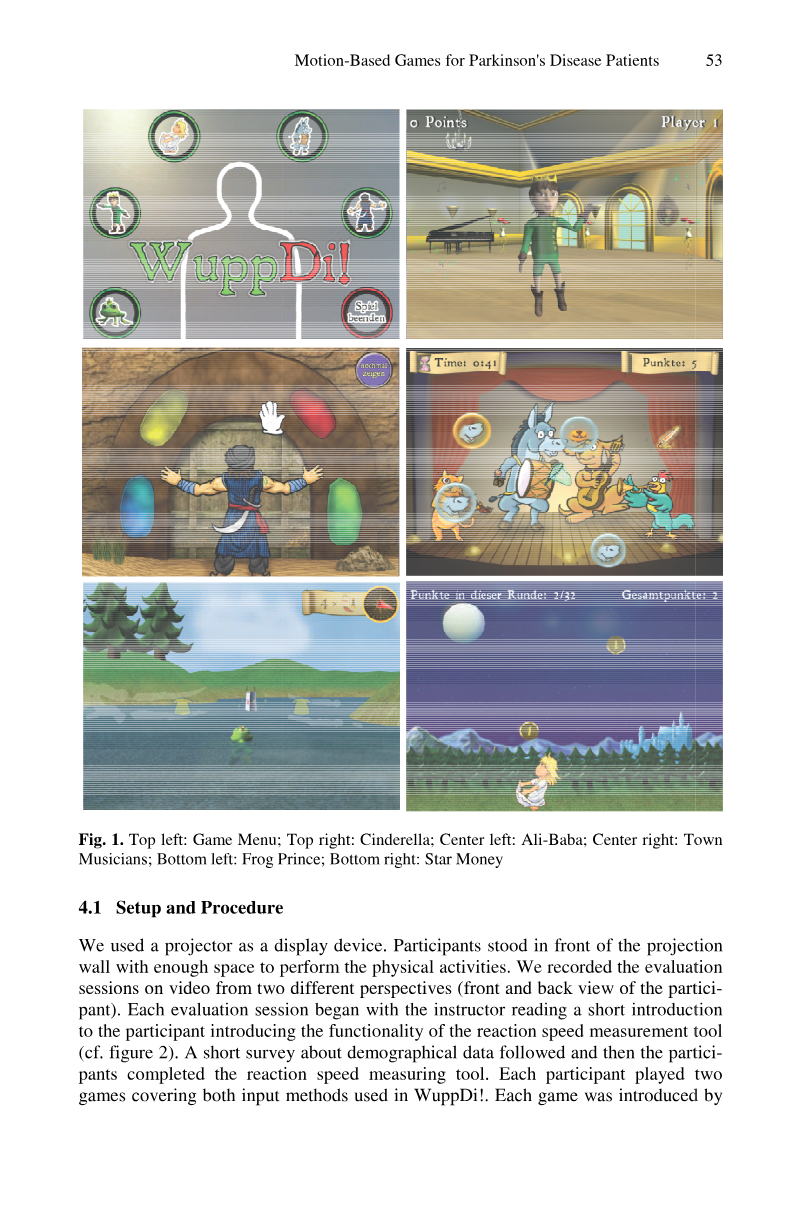
The study utilized the WuppDi! exergame suite, specifically the game Sterntaler, which employs a Kinect sensor to track player movements. The system evaluates performance after each round to adjust difficulty, incorporating a warm-up phase and a calibration process to set initial constraints. A three-week case study involving three male Parkinson’s patients, aged 64 to 76, was conducted to assess the viability of these automated adjustments. Data collection included game logs, observational analysis, video recordings, and self-reported feedback from both patients and therapists.
Findings indicate that the automated amplitude adjustments successfully accommodated individual differences in body height and motor capabilities, with therapists noting that the system effectively encouraged fuller, more therapeutic movements. However, the study concludes that current adaptation mechanics require greater flexibility. Specifically, the system struggled to account for directional movement limitations, such as difficulty with vertical versus horizontal reaching. Future development should prioritize more granular, area-based performance analysis and incorporate a broader range of feedback metrics to better align game mechanics with specific clinical rehabilitation goals.