1 free read left. Create a free account for unlimited reading + AI research.
Create free accountWhitepaperKorea University
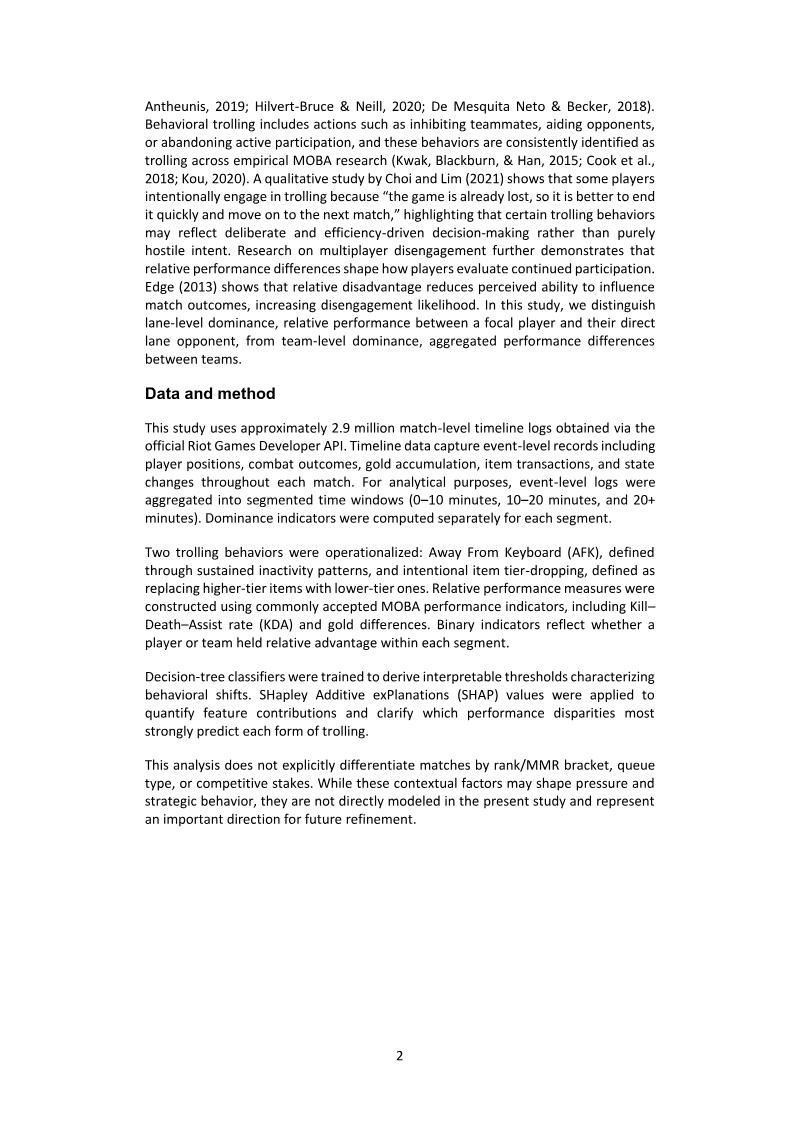
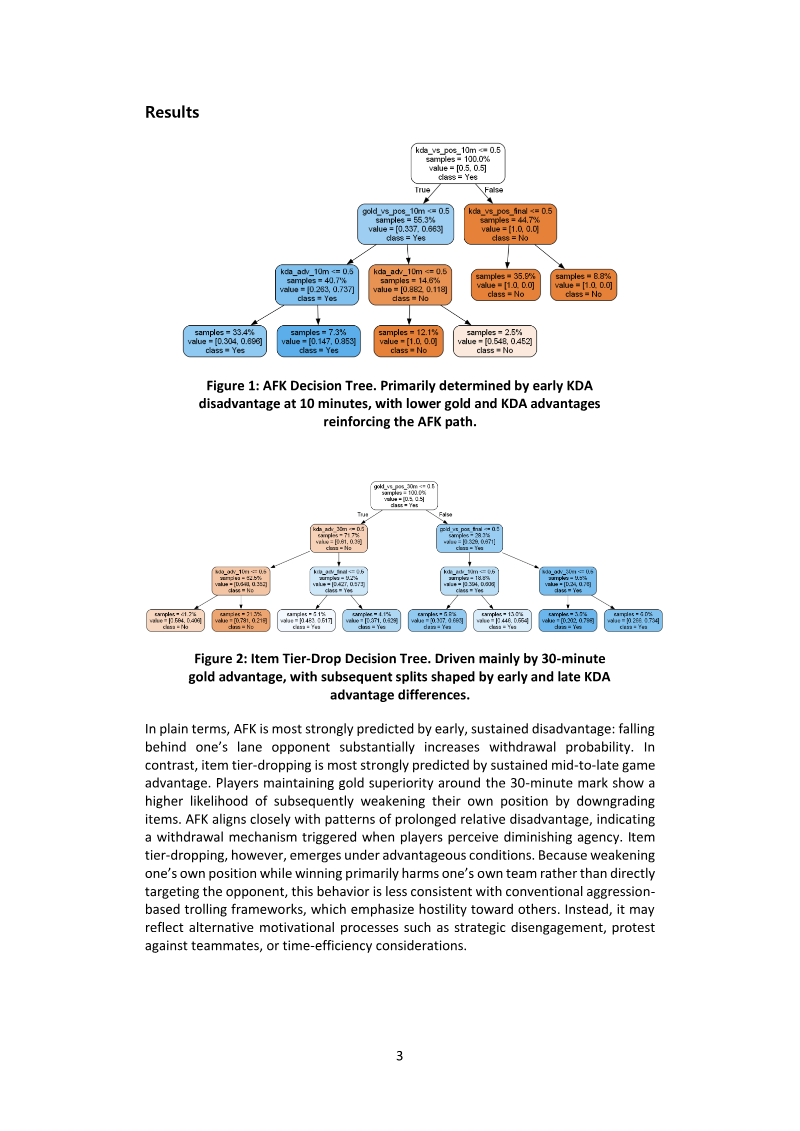
Action2Score introduces a sophisticated deep learning embedding model designed to quantify individual player contributions within Multiplayer Online Battle Arena (MOBA) games. By shifting the focus from binary match outcomes to the granular evaluation of specific in-game actions, the methodology addresses the inherent limitations of traditional ranking systems that often fail to capture individual performance nuances. This approach aims to mitigate toxic player behavior and provide a more impartial, actionable framework for skill assessment and matchmaking optimization.
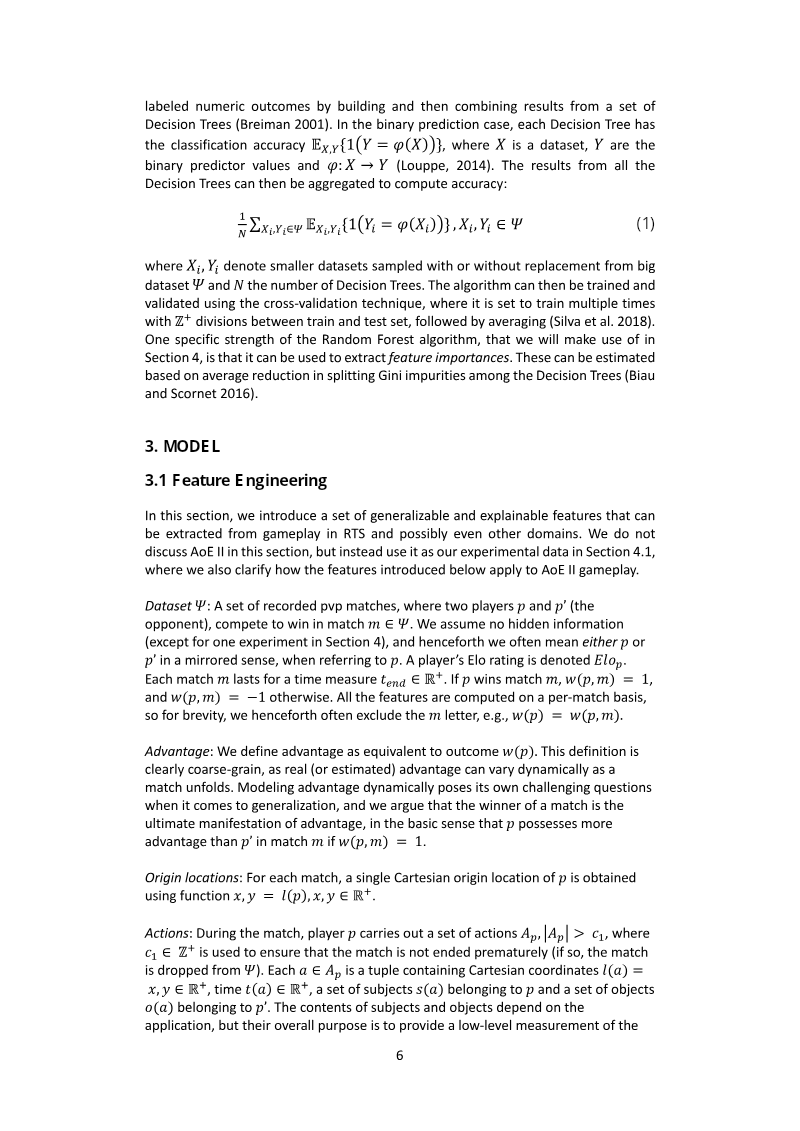
The model utilizes a GRU-SLP architecture to analyze action sequences in reverse, training on a dataset of 245,575 League of Legends matches. By employing a 30-dimensional embedding space that incorporates champion roles, lane assignments, spatial positioning, and weighted event types, the system achieves over 99% discernment accuracy. The implementation of specialized loss functions—Confidence-Cross Entropy and Deterministic-ReLU—allows the model to isolate the causal impact of specific actions on team victory. This technical rigor enables the system to outperform conventional metrics like KDA and gold, particularly in identifying the value of support roles that are frequently undervalued by standard statistical analysis.
Empirical testing confirms that specific model configurations, notably Models 1 and 7, maintain consistent performance evaluations regardless of whether a match results in a win or a loss. By decoupling individual contribution from final match results, this framework offers a robust alternative to outcome-oriented metrics. Ultimately, this embedding-based approach provides a scalable solution for enhancing player recognition and refining matchmaking algorithms, offering a more equitable and nuanced understanding of player skill within highly competitive digital environments.
DiGRA · 2026