More on Game Design
View all


Whitepaper
AI-Assisted Scene Synthesis in the 3D Educational Game Authoring Tool GameTULearn
European Conference on Games Based Learning (ECGBL) · 2026



Whitepaper
A Ludic PSY AI-Game-Engine for Utopia: Exploring Pl[AI] for a Viable Future
DiGRA · 2026
Whitepaper
AI-deation: When the Teacher is a Transformer in Role-Playing to Create Privacy Decision Serious Games
Serious Games Society · 2024
Whitepaper
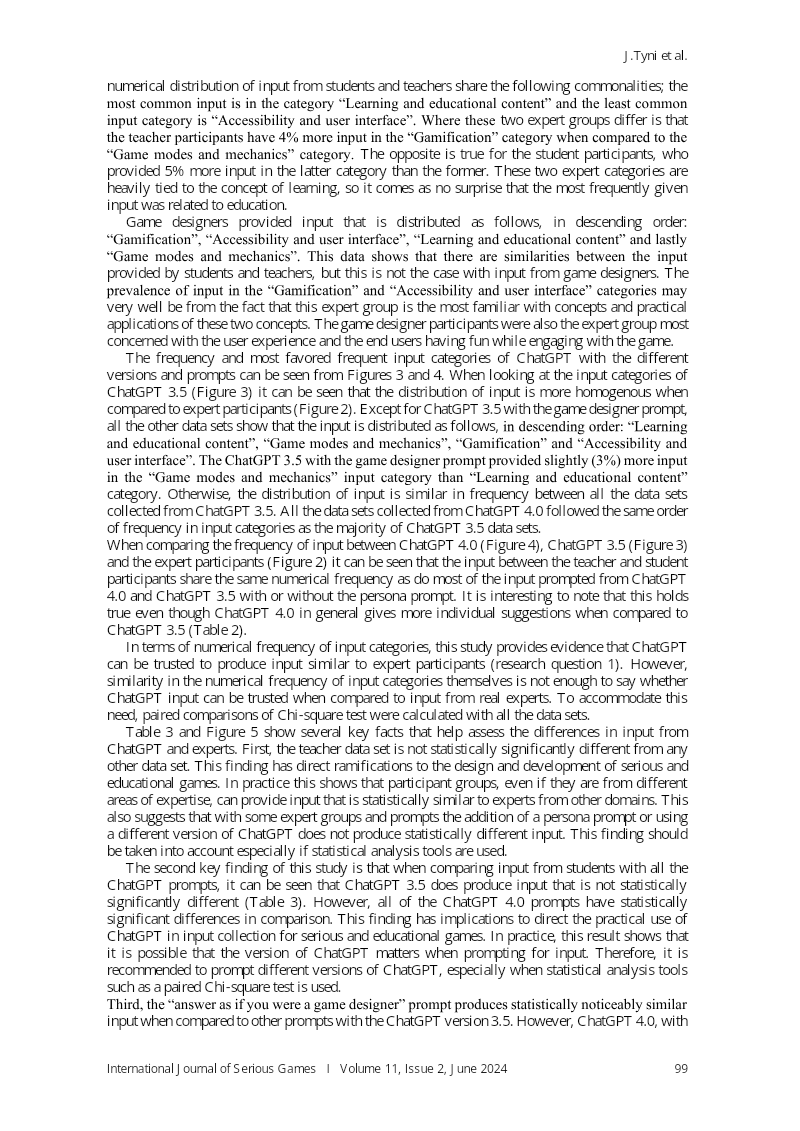
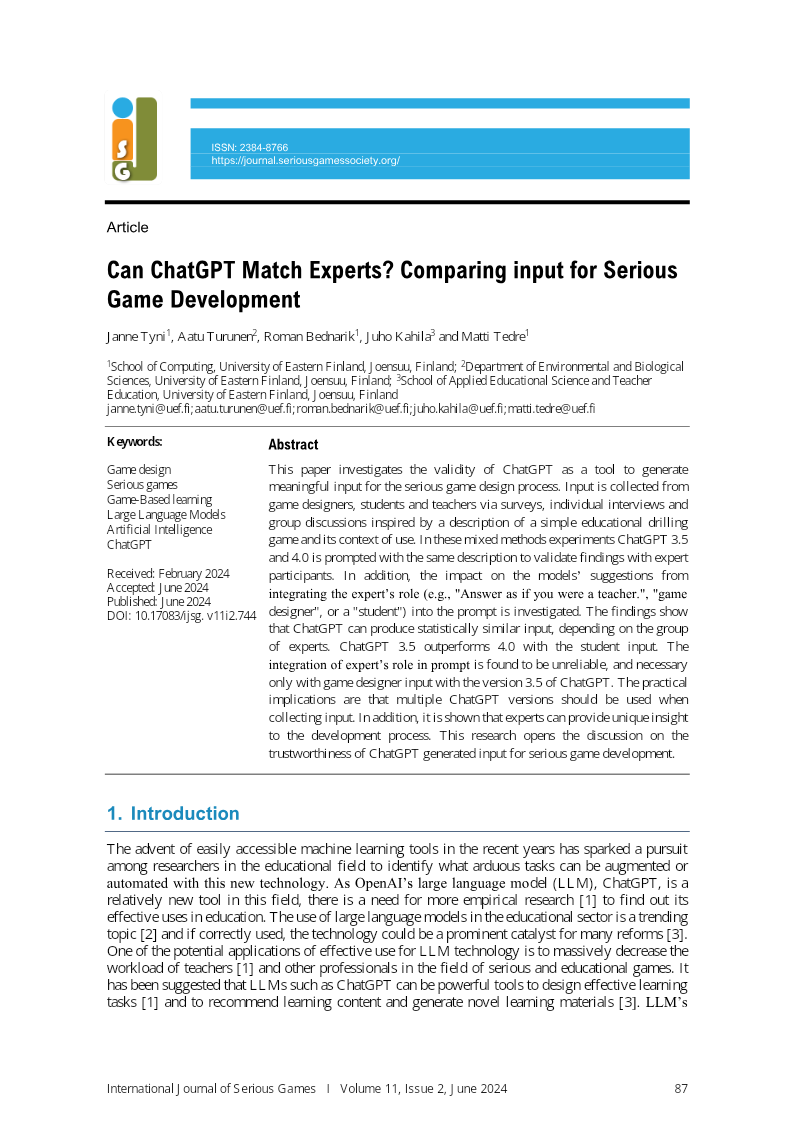
Can ChatGPT Match Experts? Comparing Input for Serious Game Development
International Journal of Serious Games · 2024
Whitepaper
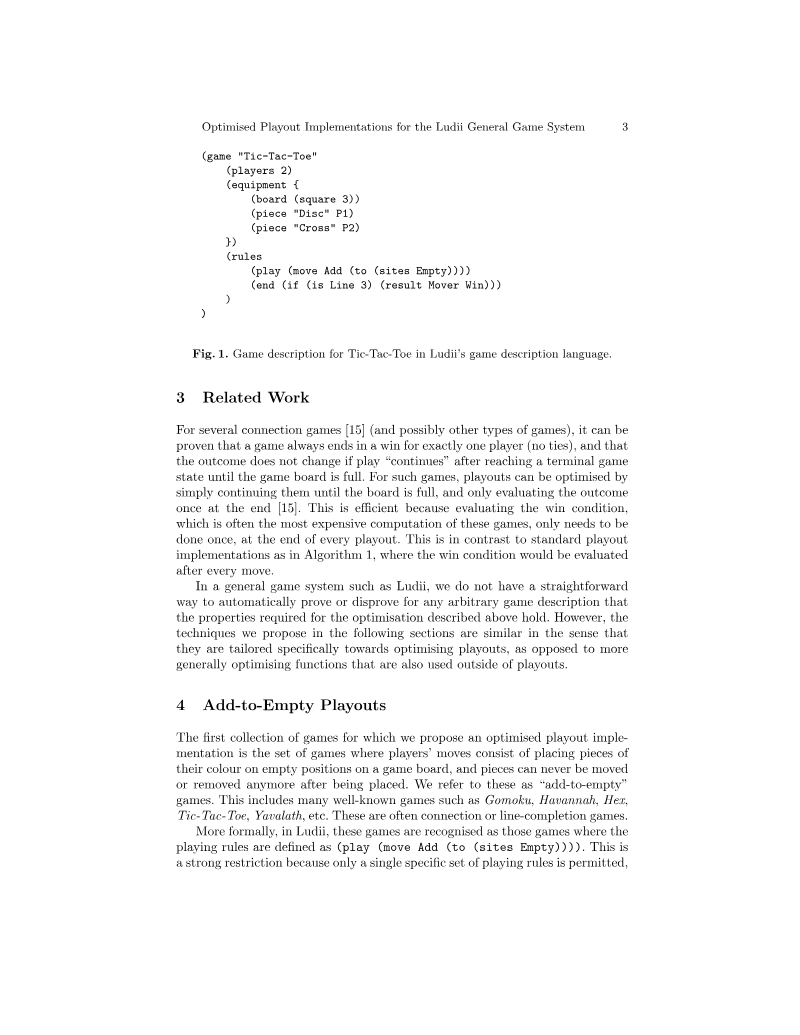
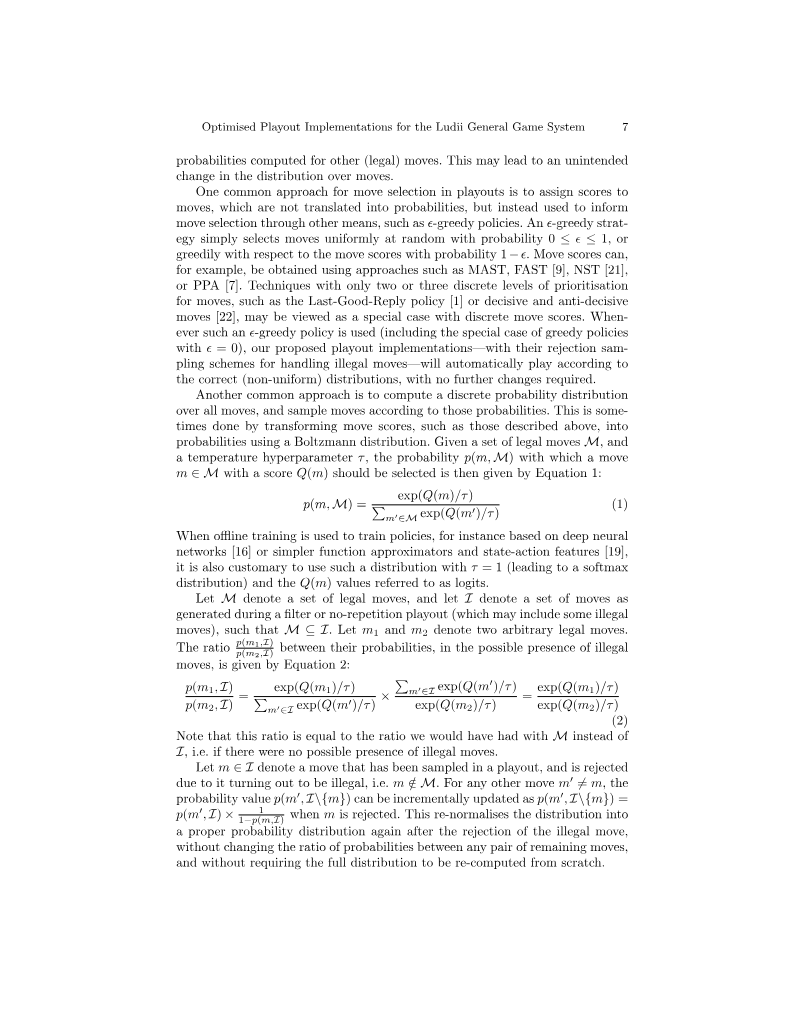
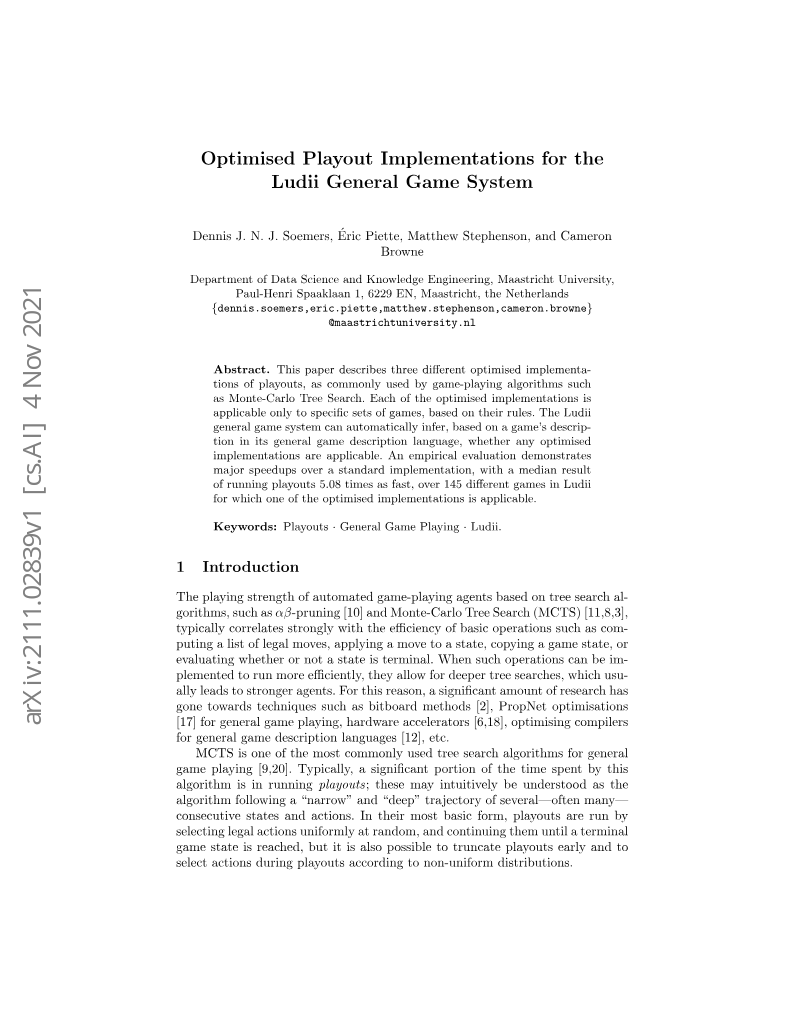
Optimised Playout Implementations for the Ludii General Game System
Maastricht University · 2022
Whitepaper
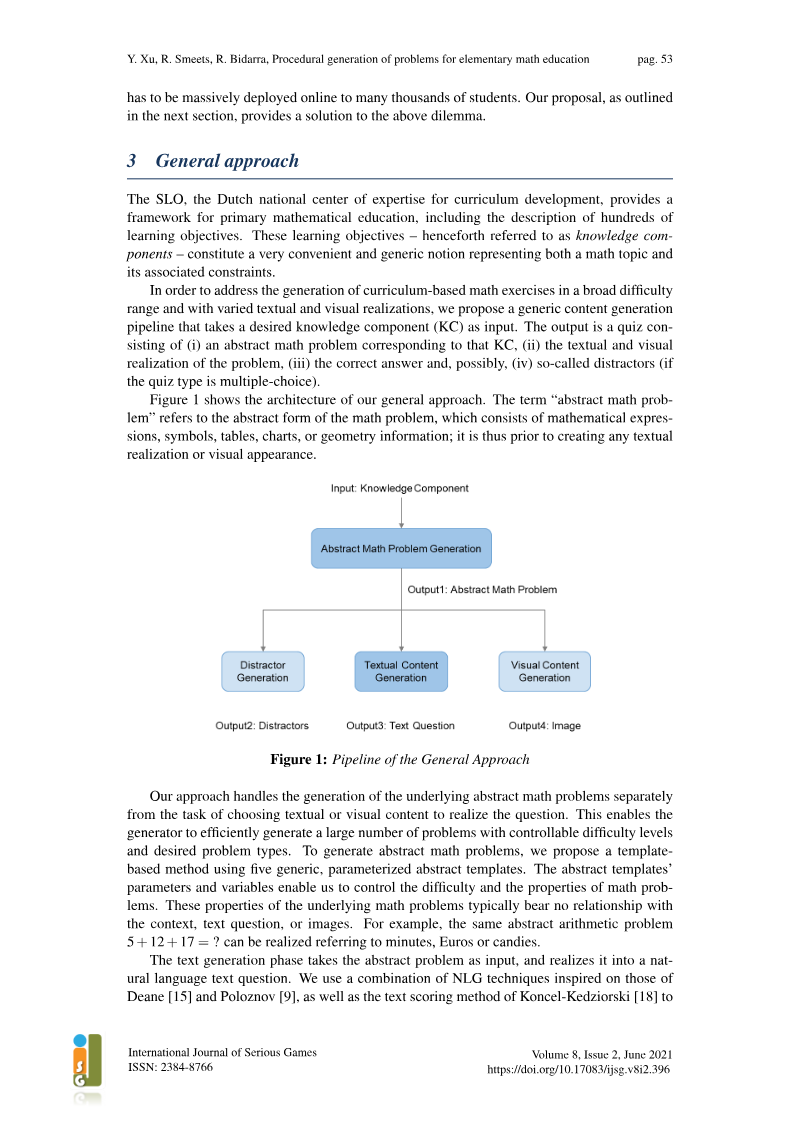
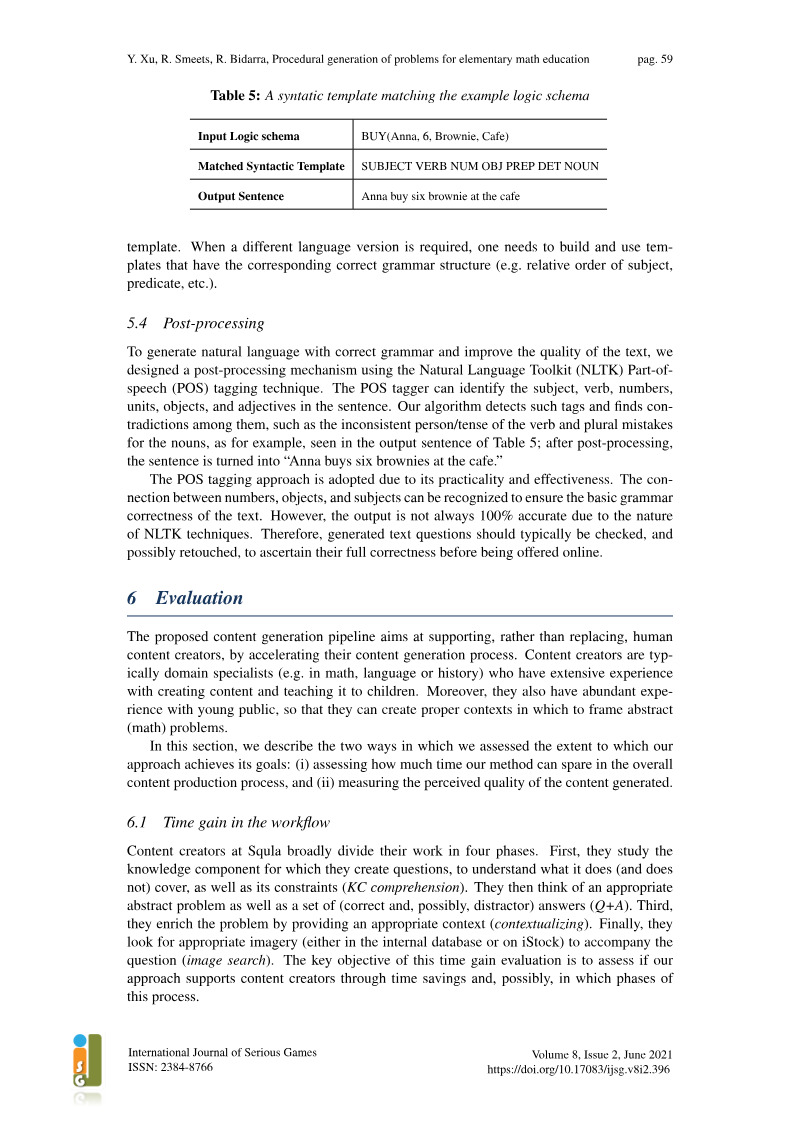
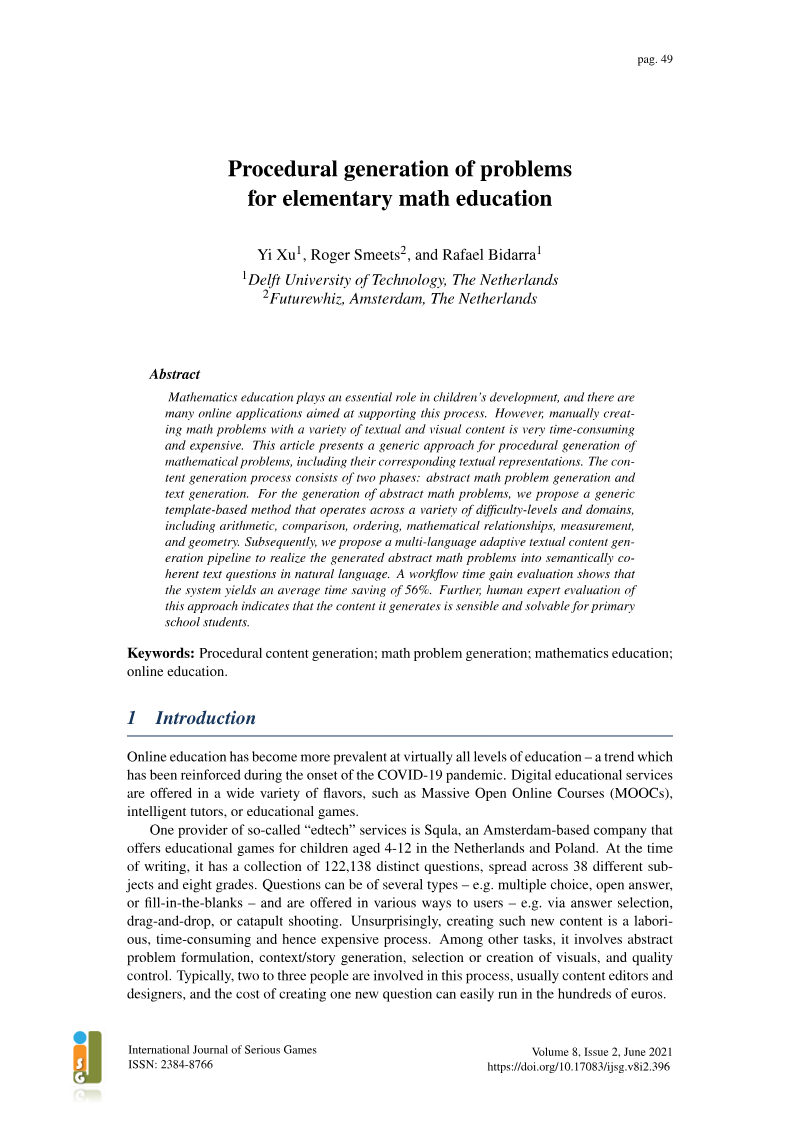
Procedural Generation of Problems for Elementary Math Education
International Journal of Serious Games · 2021
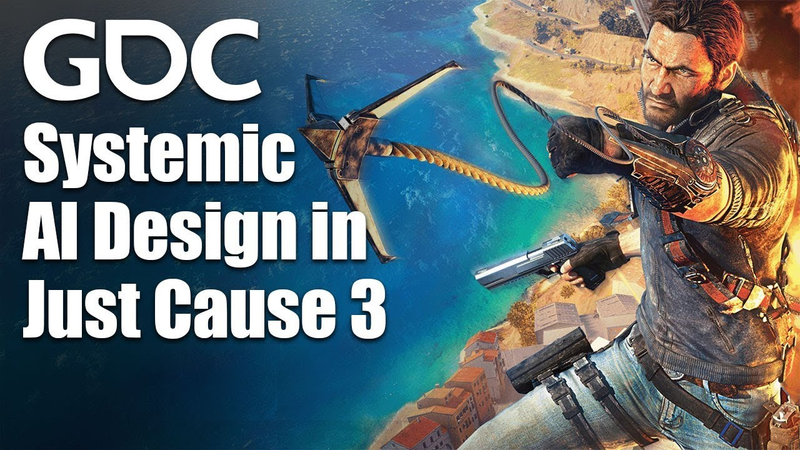
Game Developers Conference
Tree's Company: Systemic AI Design in Just Cause 3
Game Developers Conference · 2019
Whitepaper
Development of a Hardware/Software System for Proprioception Exergaming
International Journal of Serious Games · 2018

Whitepaper
Game Engines: Design, Labour, and Legality
DiGRA · 2018
Whitepaper
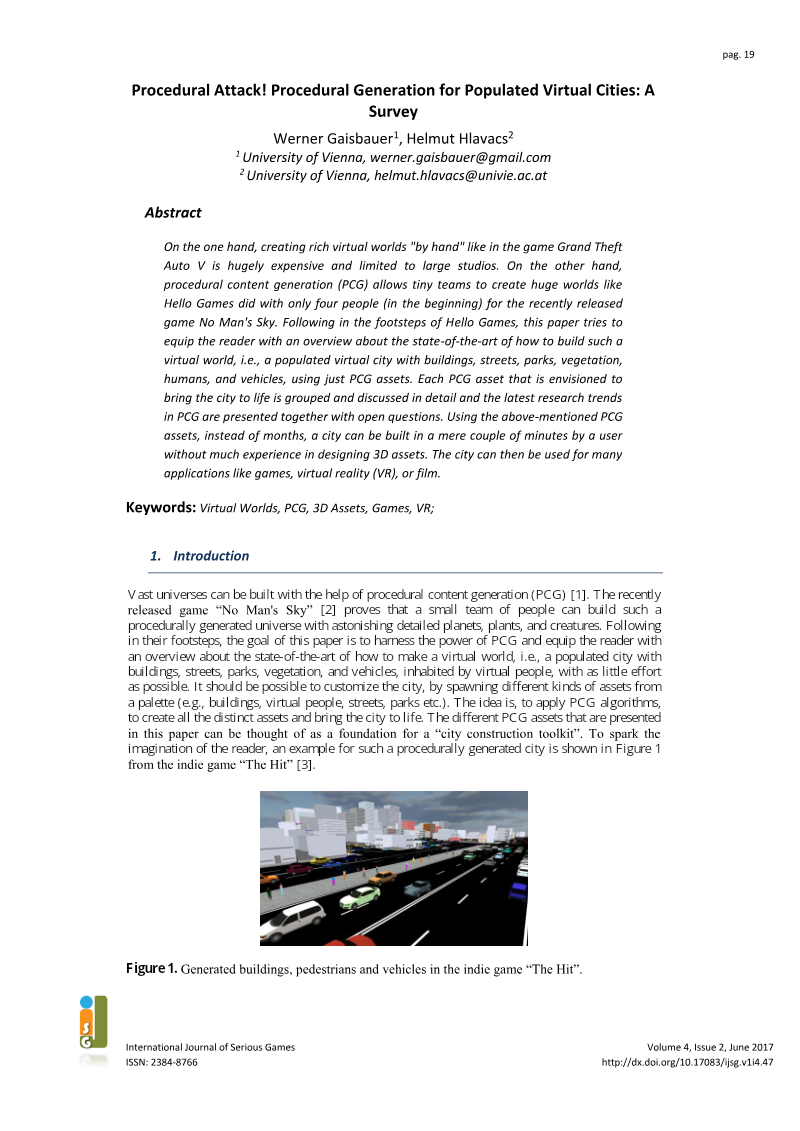
Procedural Attack! Procedural Generation for Populated Virtual Cities: A Survey
International Journal of Serious Games · 2017
Whitepaper
Game Essays as Critical Media and Research Praxis
DiGRA · 2016
Whitepaper
Natural Language Processing in Serious Games: A State of the Art
International Journal of Serious Games · 2015