Key insights
5 slides
Key number
Saudi PIF acquires Electronic Arts for $55 billion.
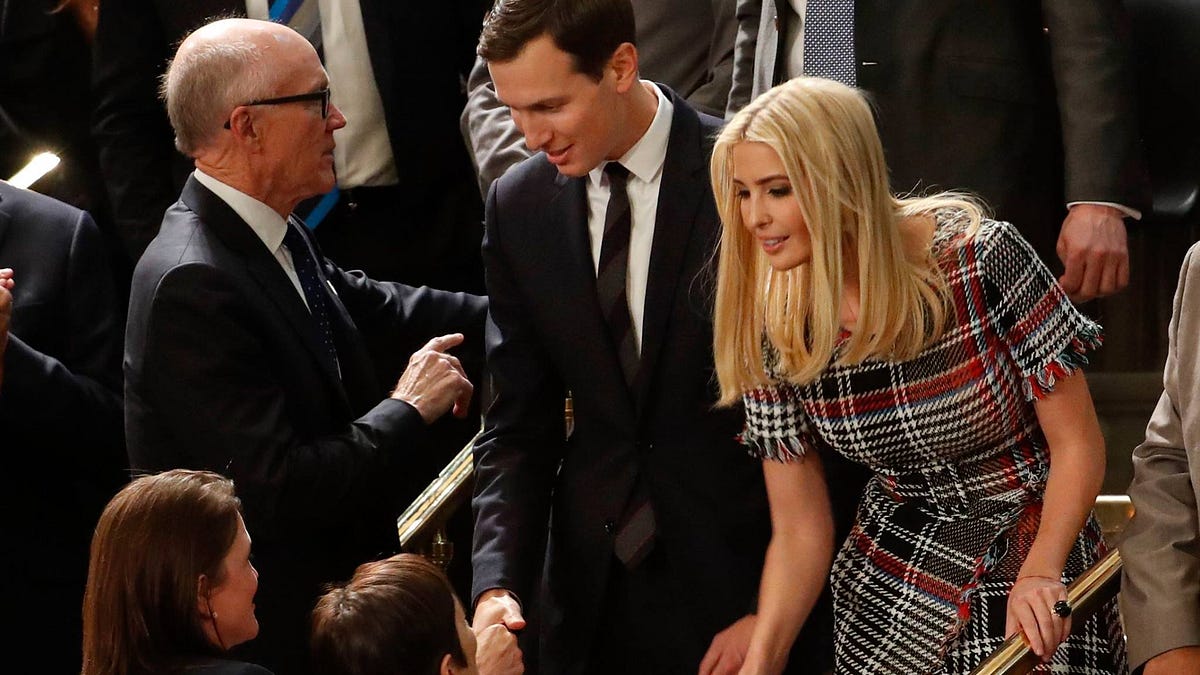
The acquisition is a partnership with Affinity Partners and Silver Lake Capital.
Regulatory path
Post-election climate helped bypass regulatory hurdles.
The political climate following the 2024 U.S. presidential election facilitated the deal.
Workforce impact
The deal is expected to lead to significant layoffs.
The acquisition is expected to result in significant corporate layoffs. It may also shift internal policies on diversity and inclusion.
Broader trend
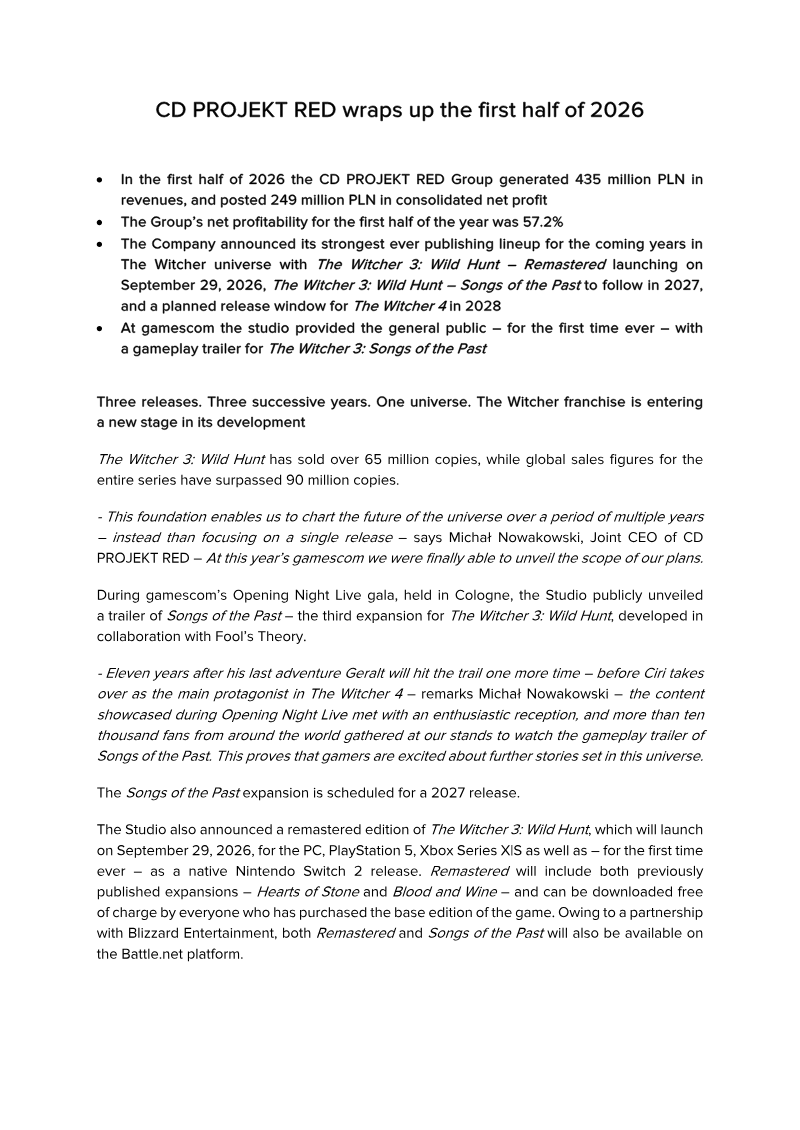
The deal reflects a trend of authoritarian influence.
Video game companies are increasingly utilized as tools for international reputation management. The deal is a symptom of a growing network of authoritarian influence.
Strategic intent
The deal is a strategic soft-power play by the Saudi state.
It integrates EA's intellectual property, sports titles, and esports infrastructure. It serves a broader national reputation-building strategy.
1 / 5
Ask AI about this report