Loading the document
1 free read left. Create a free account for unlimited reading + AI research.
Create free accountWhitepaperIFIP International Conference on Entertainment Computing (ICEC)
Model-driven software development (MDSD) is positioned as a solution to manage these growing complexities in game development.
Key problem. Game development is becoming more complex and multidisciplinary.
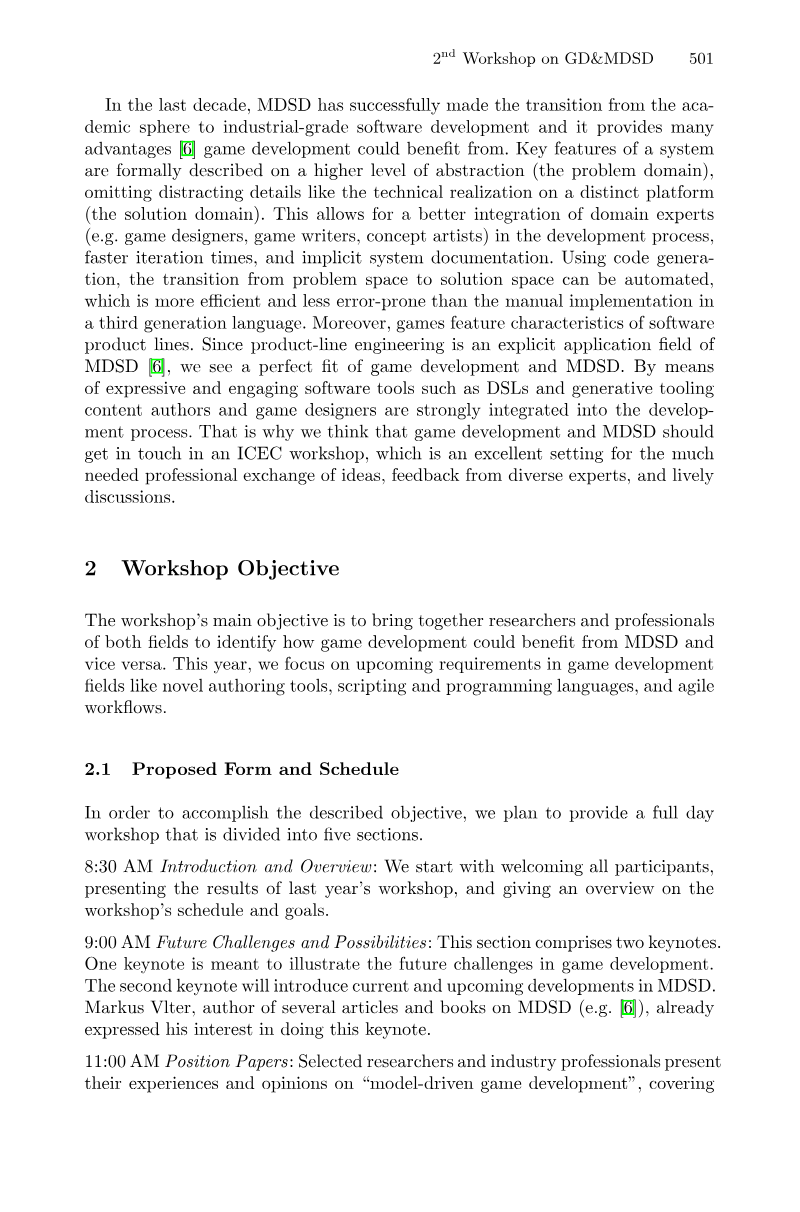
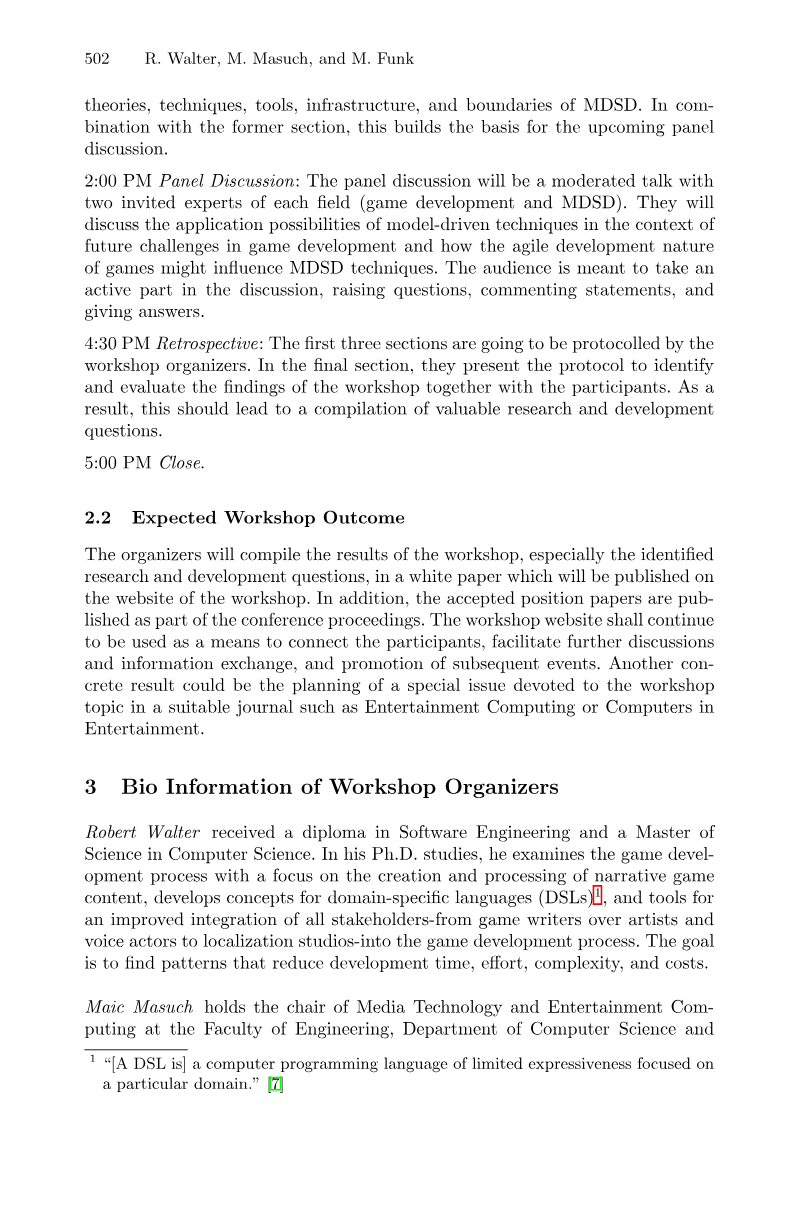
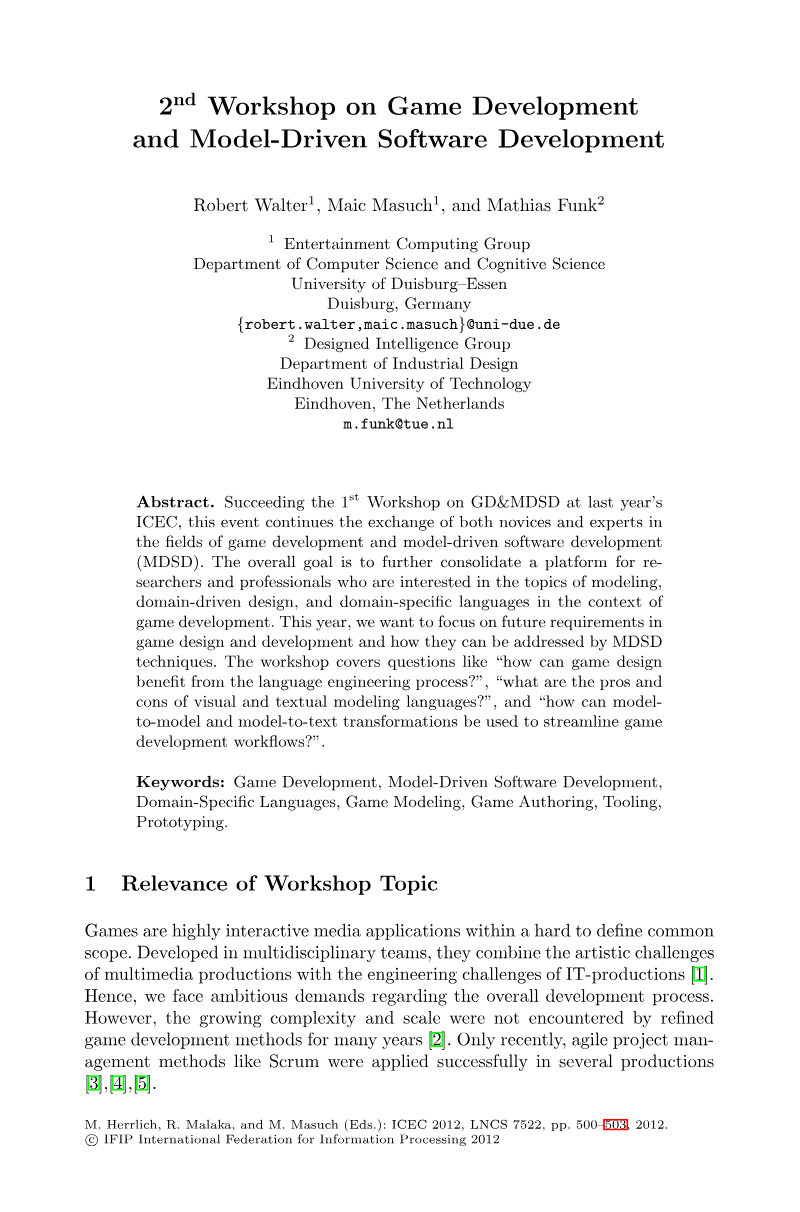
The second workshop on Game Development and Model-Driven Software Development (GD&MDSD) serves as a collaborative platform for researchers and industry professionals to explore the integration of model-driven engineering into the game production lifecycle. The primary thesis posits that game development, which faces increasing complexity and multidisciplinary challenges, can significantly benefit from model-driven software development (MDSD) techniques. By shifting focus from low-level technical implementation to higher-level problem domains, developers can improve iteration speeds, enhance documentation, and better integrate non-technical stakeholders such as game designers and writers into the development process.
The workshop highlights the inherent compatibility between game development and MDSD, particularly regarding software product lines and the use of domain-specific languages (DSLs). Key advantages identified include the automation of code generation, which reduces manual implementation errors, and the use of generative tooling to streamline workflows. The event structure is designed to facilitate a professional exchange of ideas through keynote presentations on future industry challenges, the review of position papers, and moderated panel discussions. These sessions aim to address critical questions regarding the trade-offs between visual and textual modeling languages and the practical application of model-to-model transformations.
The scope of this initiative encompasses the intersection of academic research and industrial-grade software engineering within the global game development sector. By documenting findings in white papers and conference proceedings, the organizers seek to establish a long-term research agenda. The ultimate goal is to define a set of development patterns that reduce production time, costs, and complexity, thereby bridging the gap between artistic multimedia production and rigorous software engineering.

IFIP International Conference on Entertainment Computing (ICEC) · 2023

Springer · 2023

IFIP International Conference on Entertainment Computing (ICEC) · 2022
IFIP International Conference on Entertainment Computing (ICEC) · 2021

University of Glasgow · 2021
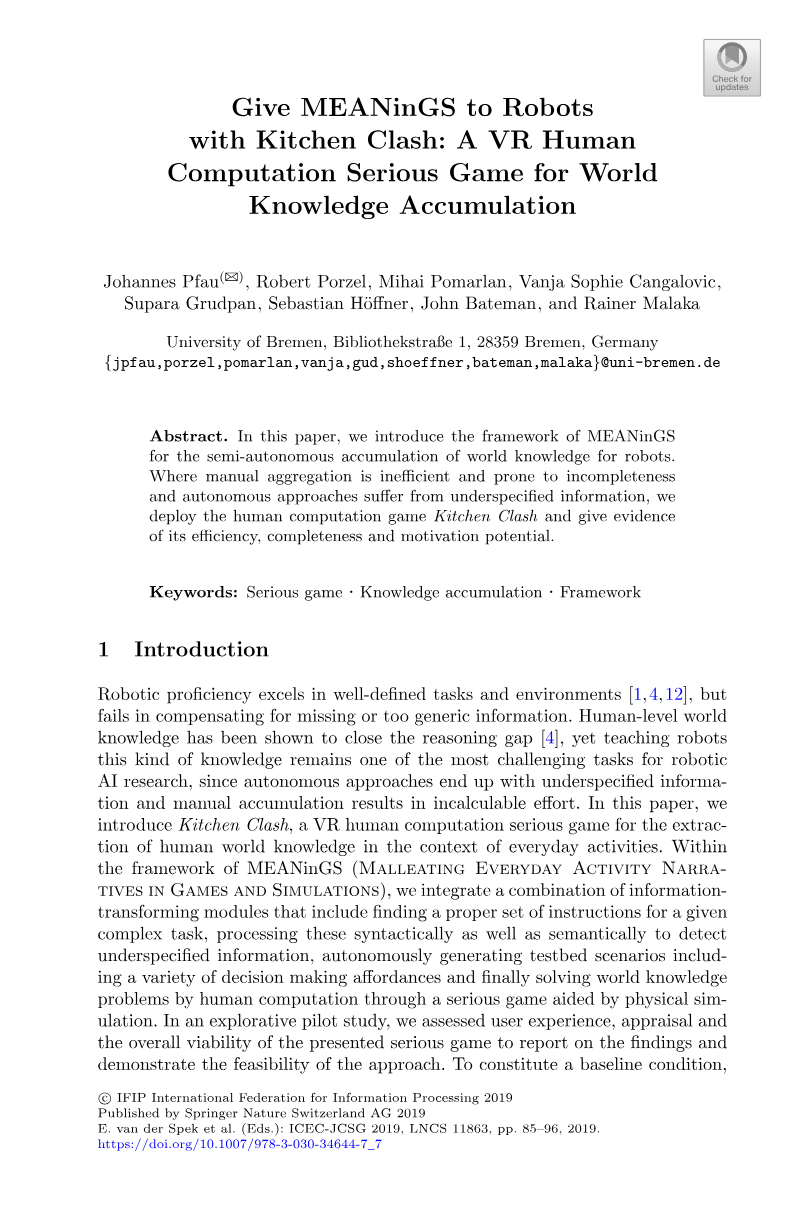
IFIP International Conference on Entertainment Computing (ICEC) · 2019
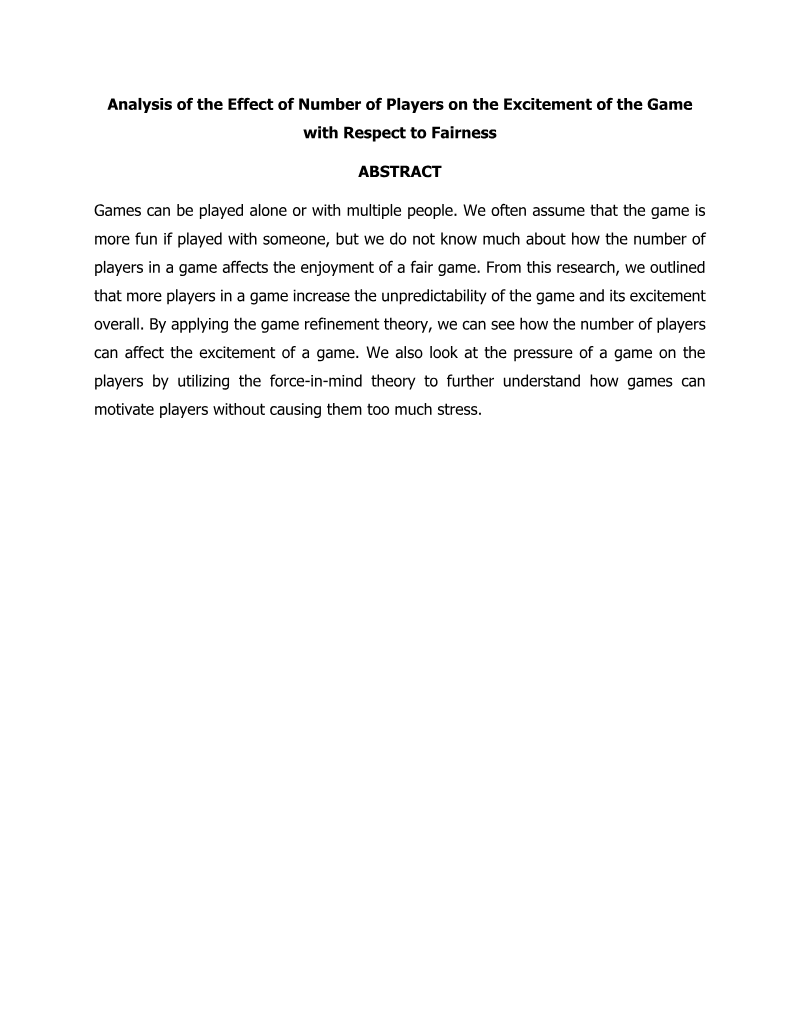
IFIP International Conference on Entertainment Computing (ICEC) · 2018
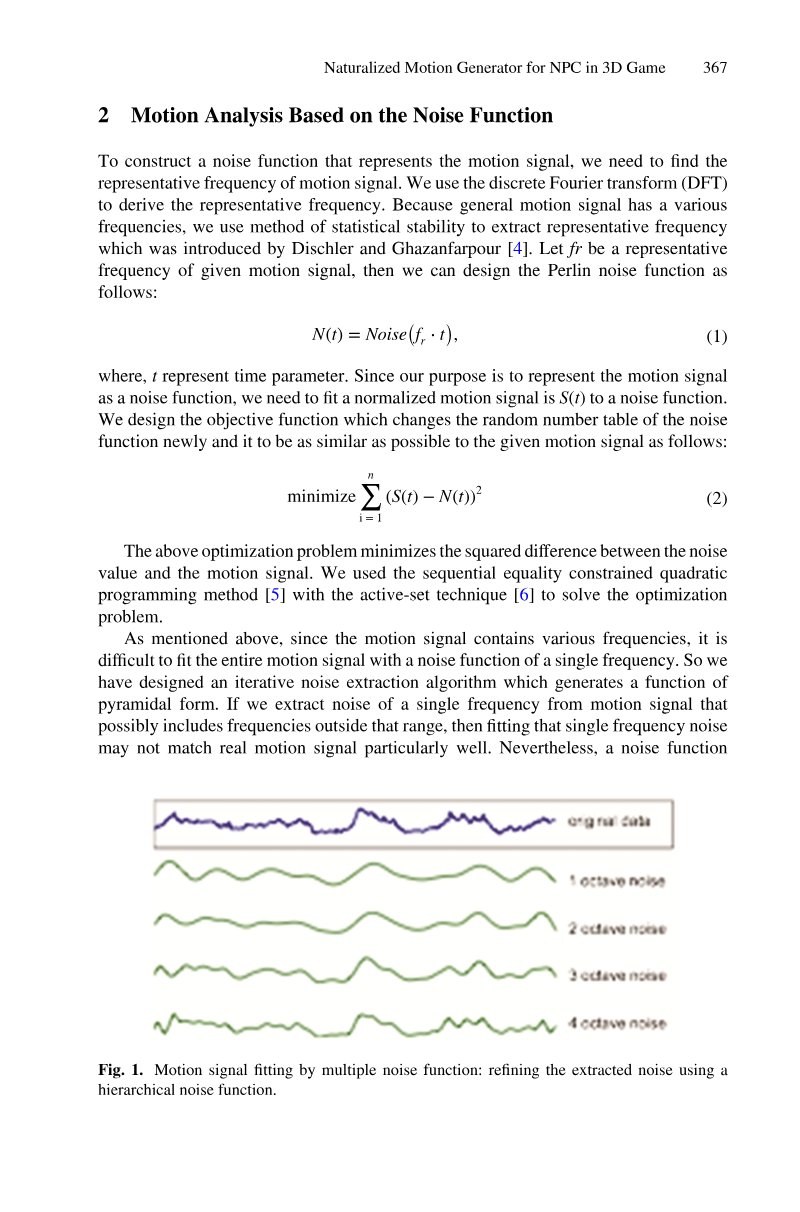
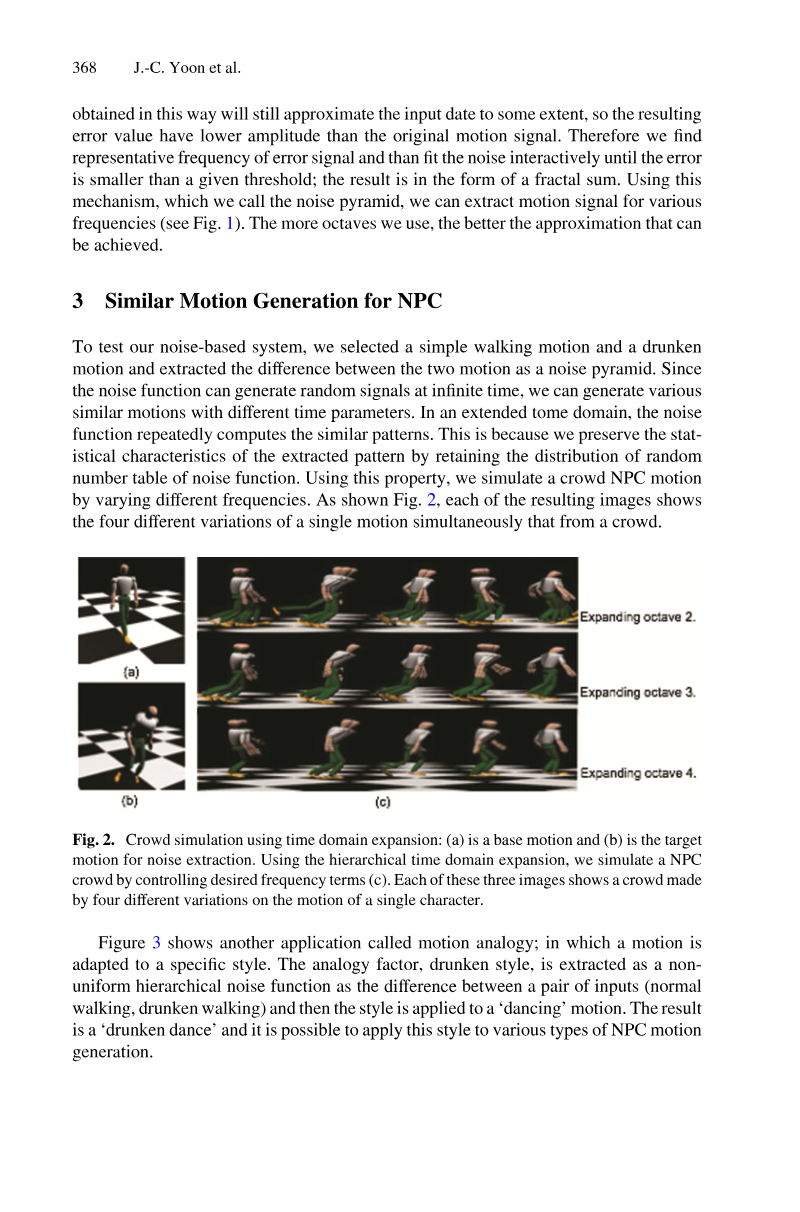
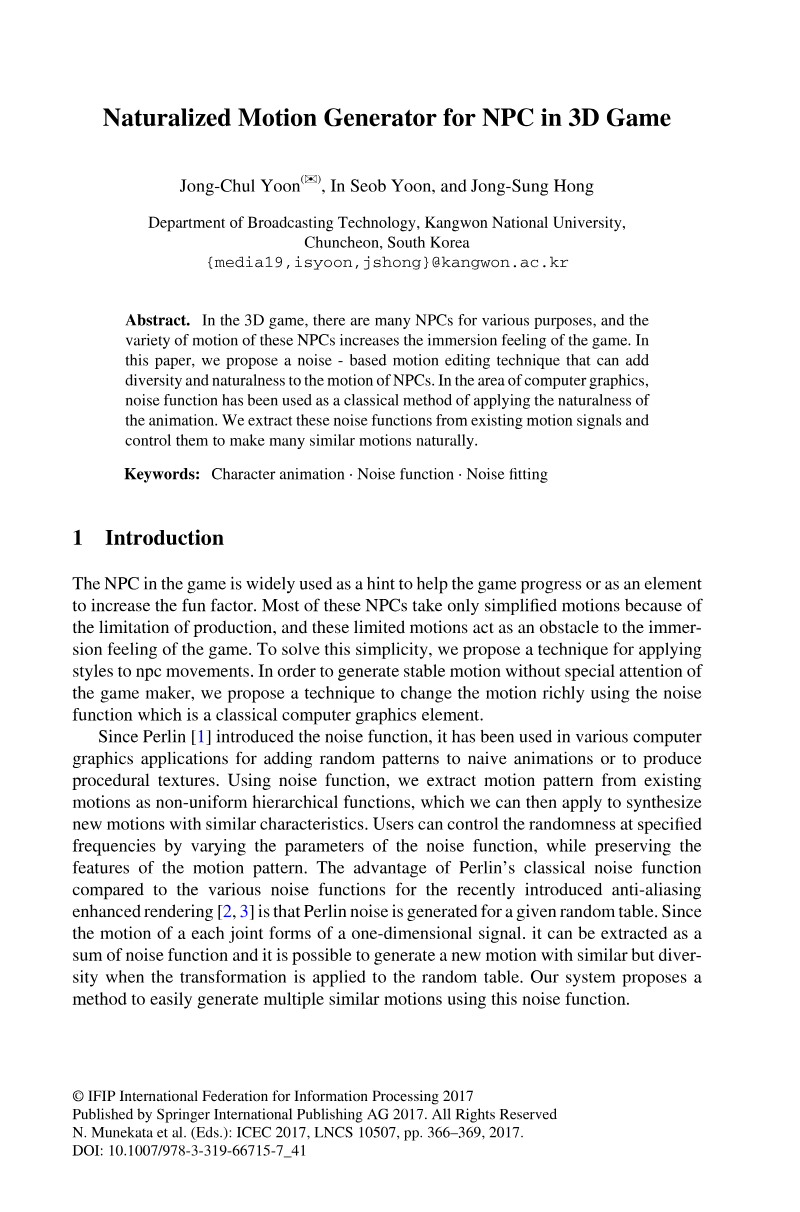
IFIP International Conference on Entertainment Computing (ICEC) · 2017
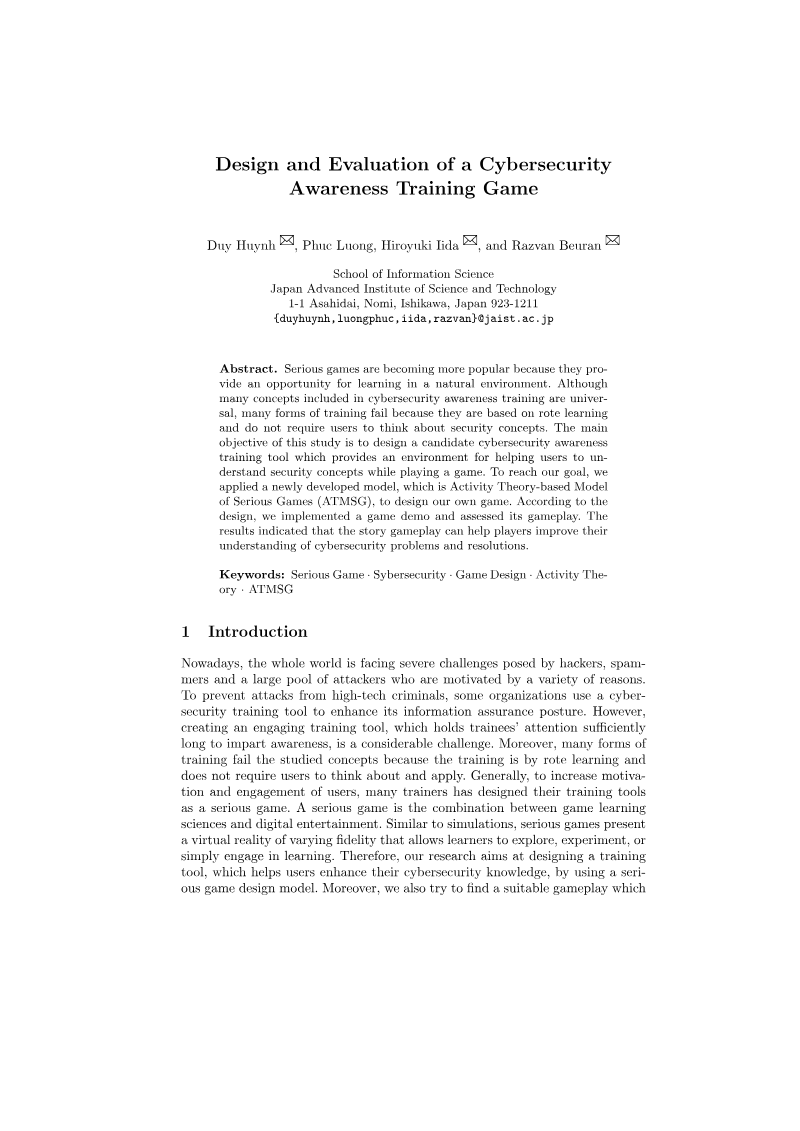
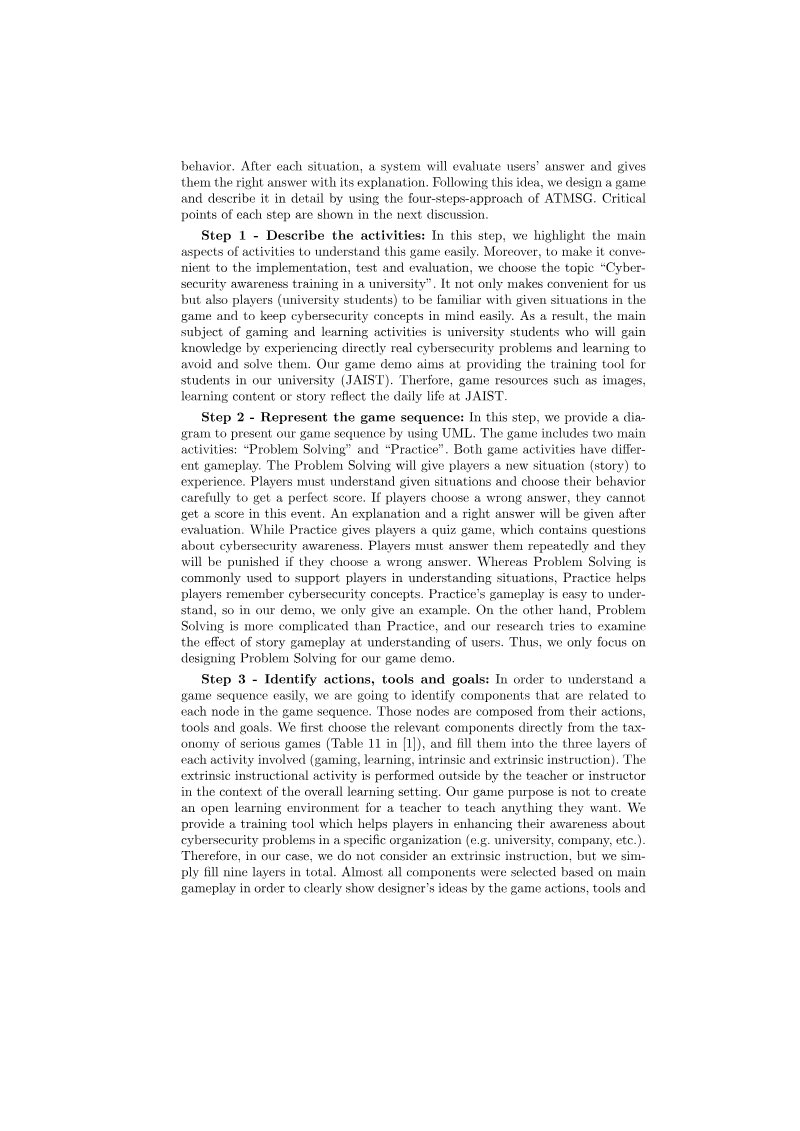

IFIP International Conference on Entertainment Computing (ICEC) · 2017
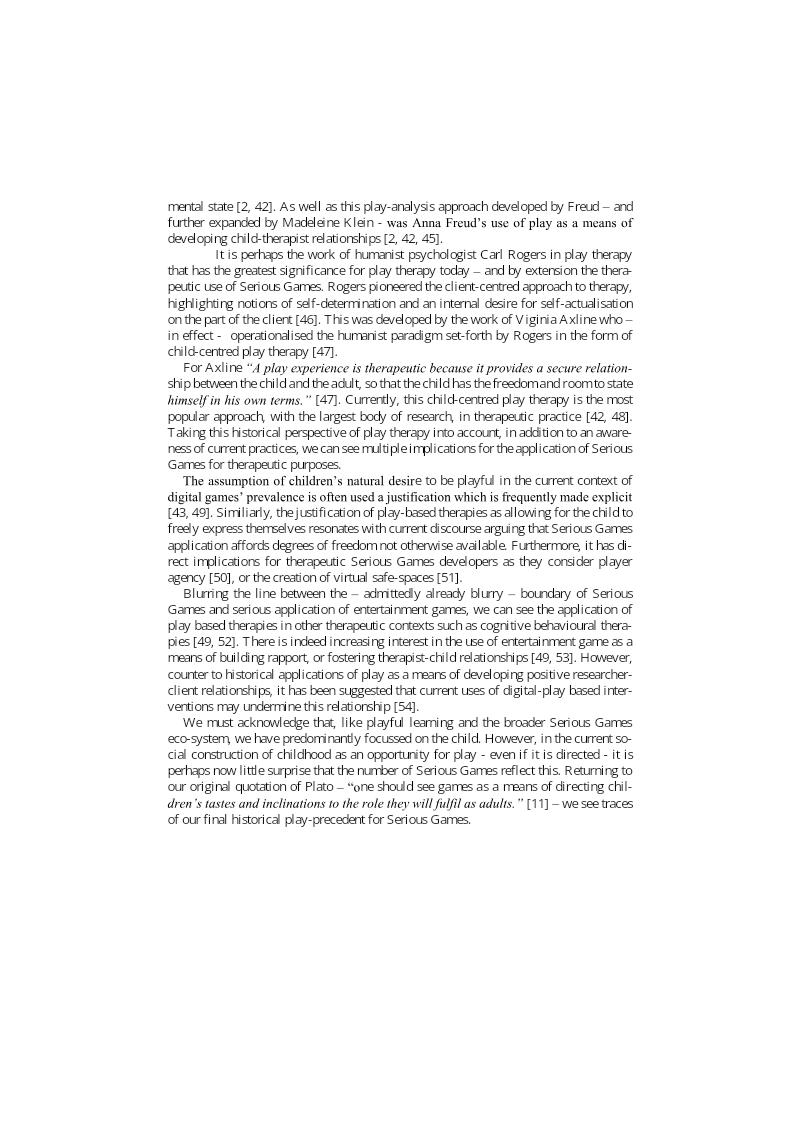
IFIP International Conference on Entertainment Computing (ICEC) · 2016
University of Vienna · 2015
IFIP International Conference on Entertainment Computing (ICEC) · 2015

Naavik · 2026








Comments