FinancialTencent Holdings Limited
Annual Report 2007: Tencent Holdings Limited
146 pages~249 min full read
Tencent Holdings Limited’s 2007 annual report documents a year of accelerated growth and strategic expansion within China’s rapidly evolving internet ecosystem. Revenues surged 36.4 % to RMB 3.82 billion, driven primarily by a 37.7 % rise in internet value‑added services and an 84.9 % jump in online advertising, while mobile telecom revenues grew 15.4 %. Operating profit climbed 40.6 % to RMB 1.64 billion, and net profit rose 47 % to RMB 1.57 billion, reflecting high operating margins of 42–46 % and a gross margin improvement to 71 %. The company’s balance sheet expanded, with total assets reaching RMB 6.99 billion and cash equivalents rising to RMB 2.95 billion, supported by significant capital expenditures on fixed assets and a new Shenzhen headquarters.
Strategic acquisitions—most notably Joymax, Beijing BIZCOM, and incremental stakes in Shenzhen Domain—contributed to a 15 % enterprise‑income‑tax advantage and added roughly RMB 37.8 million in revenue and RMB 12.6 million in net profit to the consolidated results. Tencent maintained a concentrated geographic focus on mainland China, with modest international revenue streams from the United States, Hong Kong, and Europe. Governance practices were robust: independent remuneration and audit committees oversaw compensation, financial reporting, and compliance with Hong Kong listing rules, while share‑option schemes capped at 3.6 % of issued capital were in place to align executive incentives.
Financial risk management highlighted exposure to foreign‑exchange, interest‑rate, and credit risks, with a notable RMB 98.6 million exchange loss due to Renminbi appreciation and an absence of hedging instruments. Despite higher leverage—gearing rose from 20 % to 24 %—the company’s liquidity remained strong, with a cash position of RMB 2.95 billion and limited credit‑risk exposure. Overall, the report portrays Tencent as a high‑growth, technology‑driven enterprise consolidating its market leadership through diversified internet services, strategic acquisitions, and disciplined governance within the Chinese digital economy.
Giant Network Group · 2026
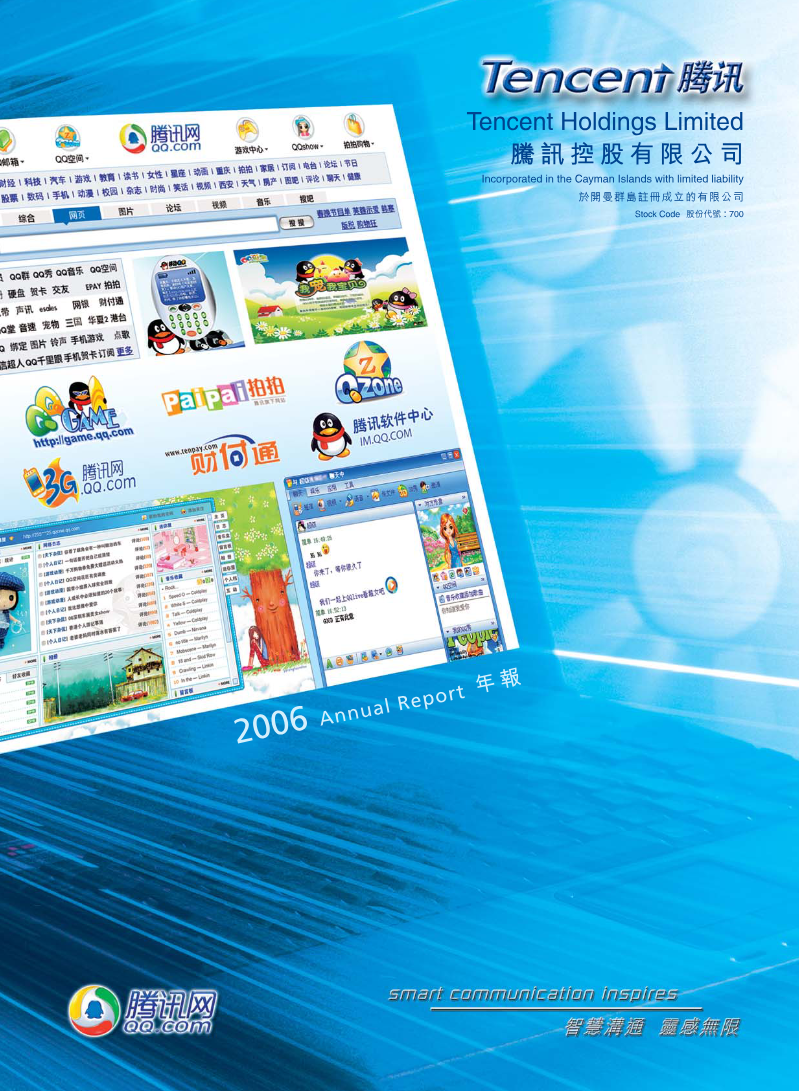
Tencent

Ubisoft · 2026
Capcom · 2026
Pearl Abyss · 2026

Archosaur Games · 2026
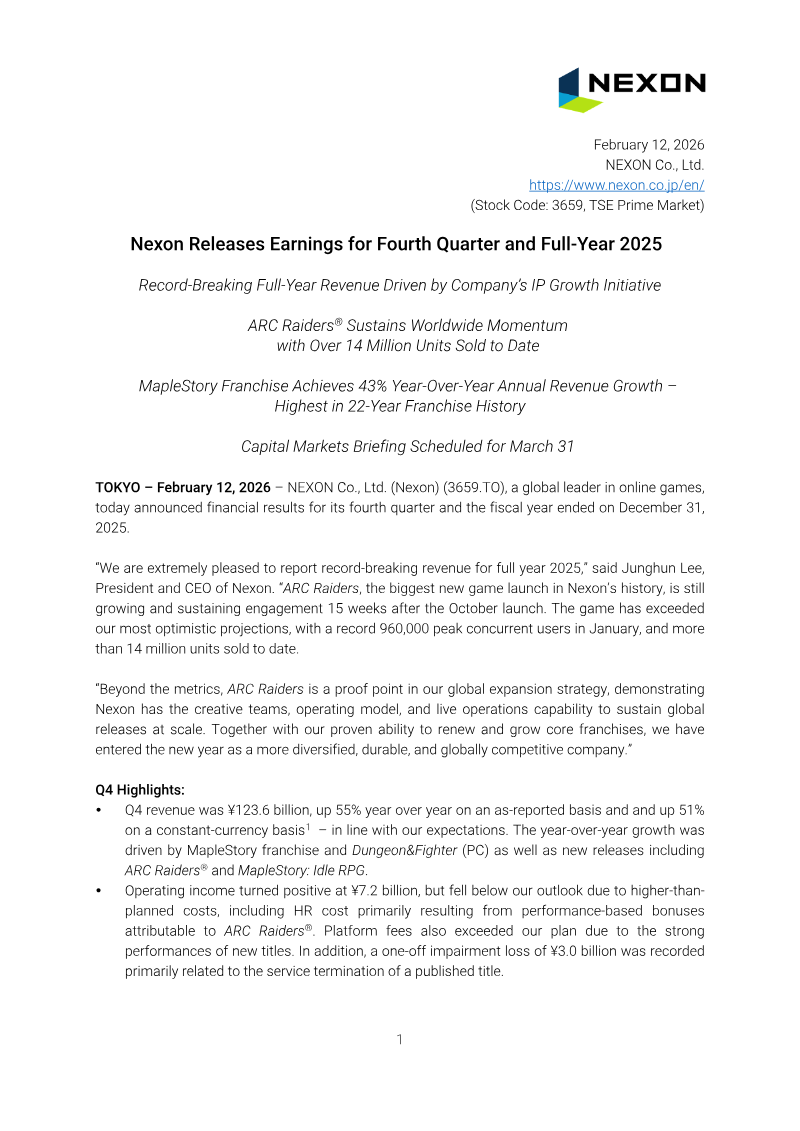
NEXON Co. · 2026

Kakao Games · 2026
Aream & Co · 2026
Meridian Play · 2026

Kakao Games · 2025

Krafton · 2025