Monetization & Live Ops
Revenue models, in-game economies, retention and live operations.
258 documents
Google · 2022
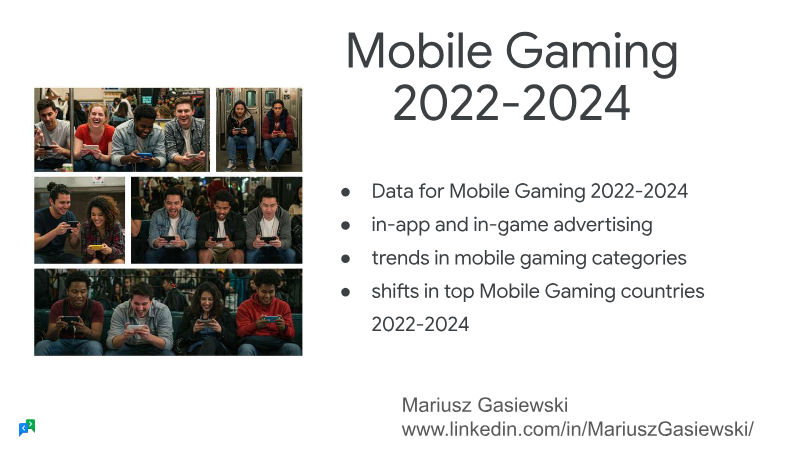
ReportData for Mobile Gaming 2022-2024
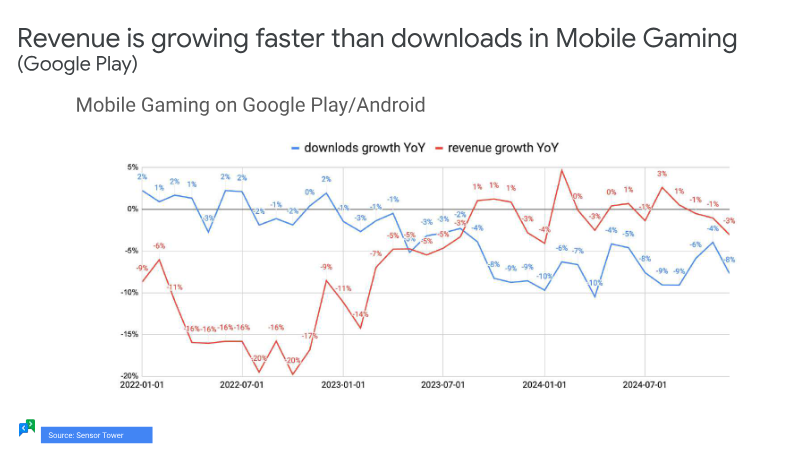
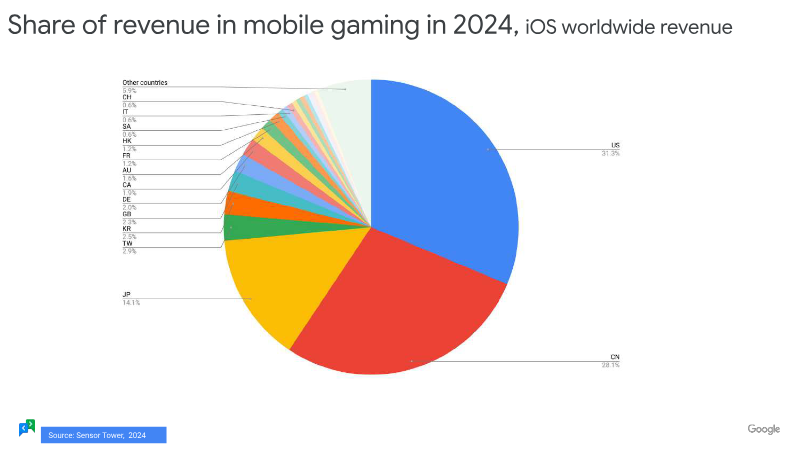
Mobile gaming maintains its position as the primary driver of industry expansion, fueled by widespread smartphone adoption and consistent engagement across both emerging and established markets. Between 2022 and 2024, the sector has demonstrated a clear trend where revenue growth consistently outpaces download volume on both iOS and Android platforms. This financial trajectory is increasingly supported by a strategic shift toward in-game advertising, which is currently outpacing traditional in-app purchases as a primary revenue stream. Global market dynamics remain anchored by the United States, China, and Japan, which continue to serve as the most significant revenue generators. However, emerging markets are playing an increasingly critical role in the industry’s growth, particularly in regions like Brazil, where smartphone gaming penetration has surpassed 90% across all demographics. In these regions, player behavior is heavily influenced by free-to-play accessibility, narrative depth, and social recommendations. Furthermore, data from the U.S. and U.K. confirms that younger demographics prioritize smartphones over consoles and PCs, solidifying the mobile device as the central hub for modern gaming. Despite the proliferation of available titles, the global player base exhibits a preference for focused engagement, with many users choosing to dedicate their time to a single game rather than managing multiple titles simultaneously. While market concentration among top-tier publishers remains stable, the rapid expansion of the advertising sector suggests a fundamental change in how developers monetize their audiences. Ultimately, the industry is transitioning toward a model that prioritizes long-term retention and diversified revenue streams over simple volume-based growth, ensuring that mobile gaming remains the most influential segment of the broader interactive entertainment landscape.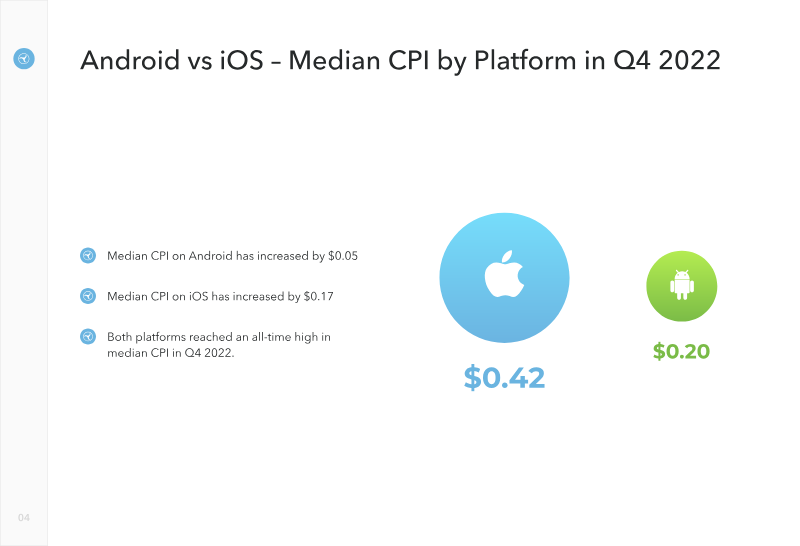

Tenjin · 2022
ReportThe Hyper-Casual Benchmark Report: Q3 2022
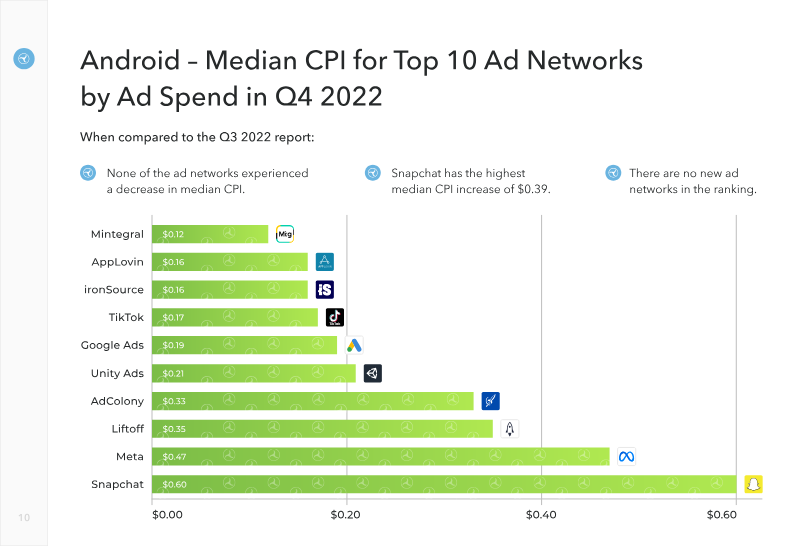
The hyper-casual mobile gaming sector experienced a notable escalation in acquisition costs during the latter half of 2022, characterized by rising median cost-per-install (CPI) rates across both Android and iOS platforms. By the fourth quarter of 2022, median CPI reached all-time highs of $0.20 on Android and $0.42 on iOS. This upward trend in acquisition spending was global, as no major market tracked by ad spend experienced a decrease in median CPI on Android, while iOS markets saw varied fluctuations, including a significant decrease in the United States and notable increases in France and Germany. Retention metrics reveal a consistent performance advantage for iOS over Android across all tiers of game quality. For the top 2% of hyper-casual titles, iOS achieved a 45% Day 1 retention rate compared to 38% on Android, with Day 7 retention figures similarly favoring iOS at 19% versus 14%. This performance gap persists among the top 25% of games and the median cohort, where iOS maintains a higher percentage of returning players. These findings underscore a widening disparity between high-performing titles and average games, emphasizing the critical importance of engagement optimization in a landscape of increasing user acquisition costs. The analysis draws upon data from over 100,000 games and one-third of the global mobile player base to establish these benchmarks. By segmenting performance by platform and geographic region, the data highlights the shifting economic landscape for developers and publishers. The findings suggest that while market saturation and rising costs present significant challenges, the ability to maintain player retention remains the primary differentiator between top-tier hyper-casual games and the broader market.
ironSource · 2022
ReportModern Mobile Consumer 2022: App Monetization Report
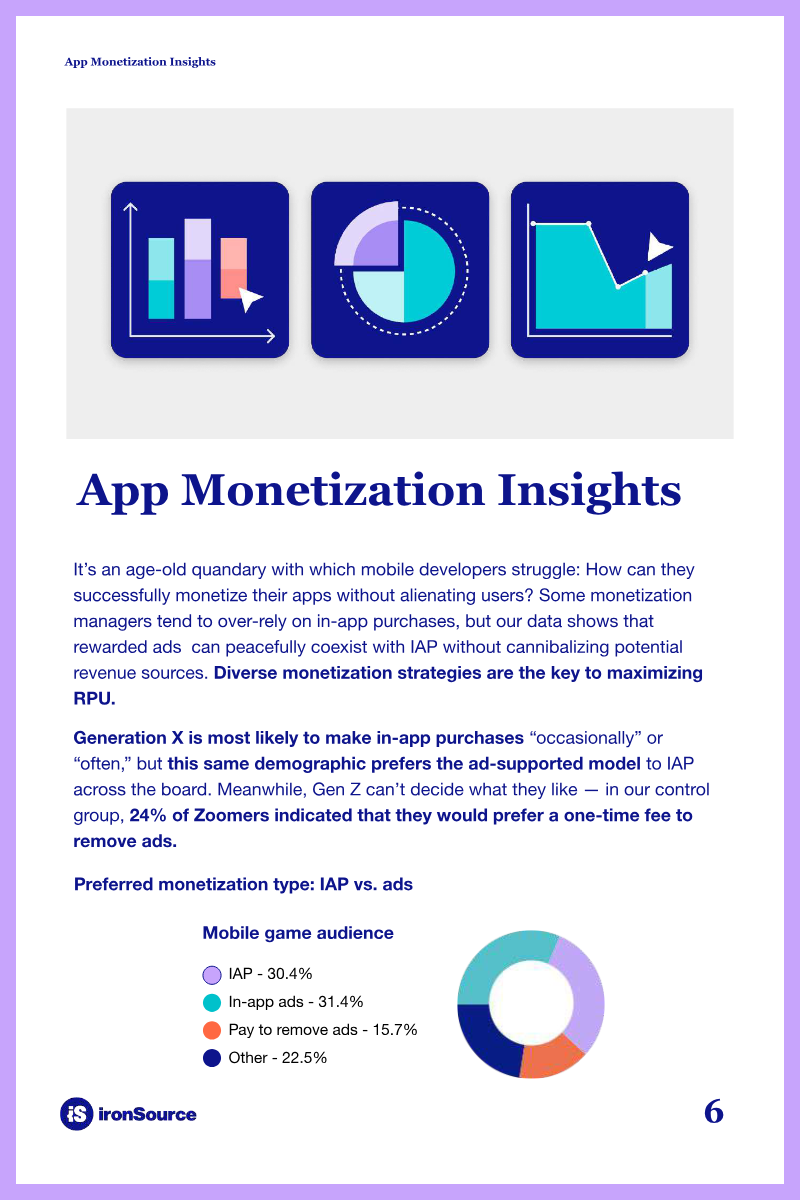
The report examines how modern mobile consumers interact with app monetization, revealing that rewarded ads and in-app purchases (IAP) coexist without cannibalizing revenue. Surveying 30,457 participants—18,894 from gaming apps and 11,563 from non-gaming apps on the ironSource network, plus a 500-person control group outside MobileVoice®—the study covers North America and global markets from April to May 2022. Respondents were verified as adults and opted in for virtual rewards, ensuring engagement accuracy. Key findings show an almost even split between IAP and ad-supported preferences across both gaming and non-gaming audiences. Generation X favors occasional or frequent IAP yet prefers ad support overall, while 24% of Gen Z would pay a one-time fee to remove ads. Approximately one third of users make occasional IAPs, a significant rise from the 2-3% noted five years earlier. Free apps with IAP dominate downloads (52% of gaming users), and 15-17% of consumers now spend more on IAPs than five years ago. Methodologically, the study combined custom MobileVoice® surveys with third-party polling (Pollfish) to mitigate bias. Data were analyzed using ironSource’s Offerwall and native survey offers, with age verification and global reach. The report concludes that diversified monetization strategies—balancing ads, IAPs, and optional removal fees—are essential to meet evolving consumer expectations. It recommends audience-specific research, price optimization, and value bundle offerings to maximize revenue while preserving user experience.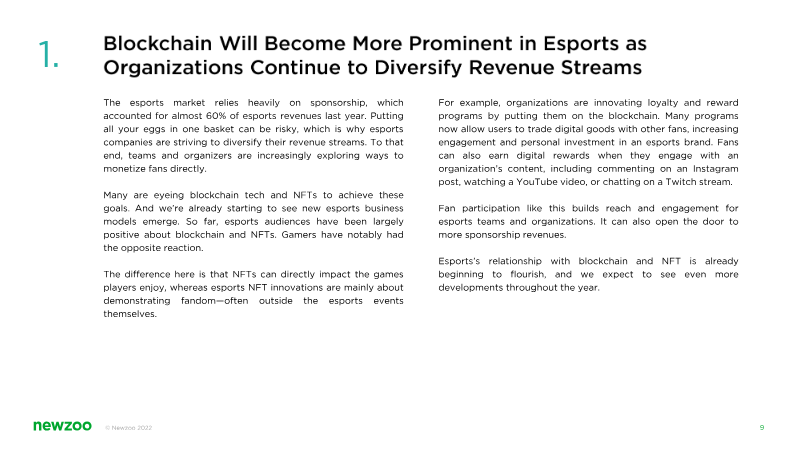
Newzoo · 2022
ReportNewzoo Trends to Watch 2022: Games, Esports, Live Streaming, Cloud and the Metaverse
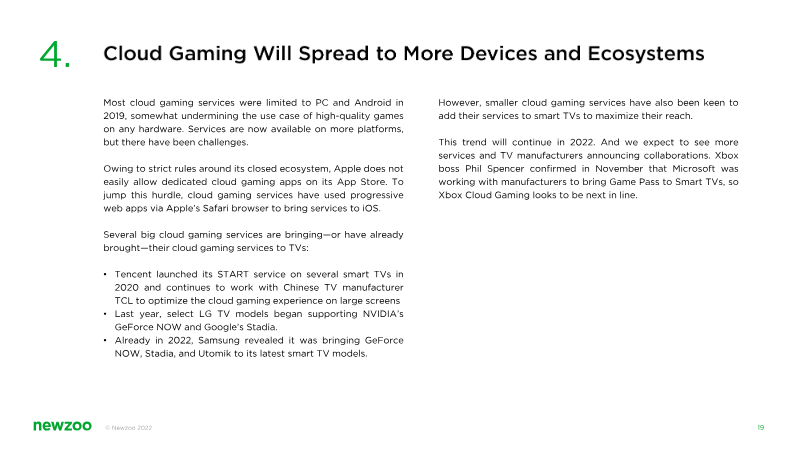
The analysis projects that 2022 will be defined by a cautious expansion of emerging monetisation models and a deepening investment in immersive technologies. While non-fungible tokens and crypto-based revenue streams continue to provoke player backlash, platform bans and regulatory scrutiny, publishers are expected to experiment with “NFT-like” features under less contentious branding. Concurrently, legal pressure on Apple and Google is likely to ease app-store steering rules, creating alternative payment pathways that could reshape distribution economics. Metaverse and virtual-reality narratives are driving substantial capital inflows, with major hardware releases from Meta, Sony and Apple building on the strong sales of the Quest 2 in 2021. High-profile titles such as Horizon Forbidden West illustrate the market’s appetite for immersive experiences. A parallel “brand gold rush” in virtual real-estate is accelerating, exemplified by multi-million-dollar acquisitions in Decentraland’s Fashion District and The Sandbox, where corporations are establishing branded malls and interactive spaces. Globally, the games industry generated $175.9 billion in 2021, anchored by the Asia-Pacific region’s $88.2 billion contribution and an 8.7 percent compound annual growth rate. North America remains a significant market, while esports and cloud-based services continue to expand the ecosystem’s reach and monetisation potential. The convergence of these trends suggests a year of strategic experimentation, heightened investment in immersive platforms, and evolving regulatory landscapes shaping the future of interactive entertainment.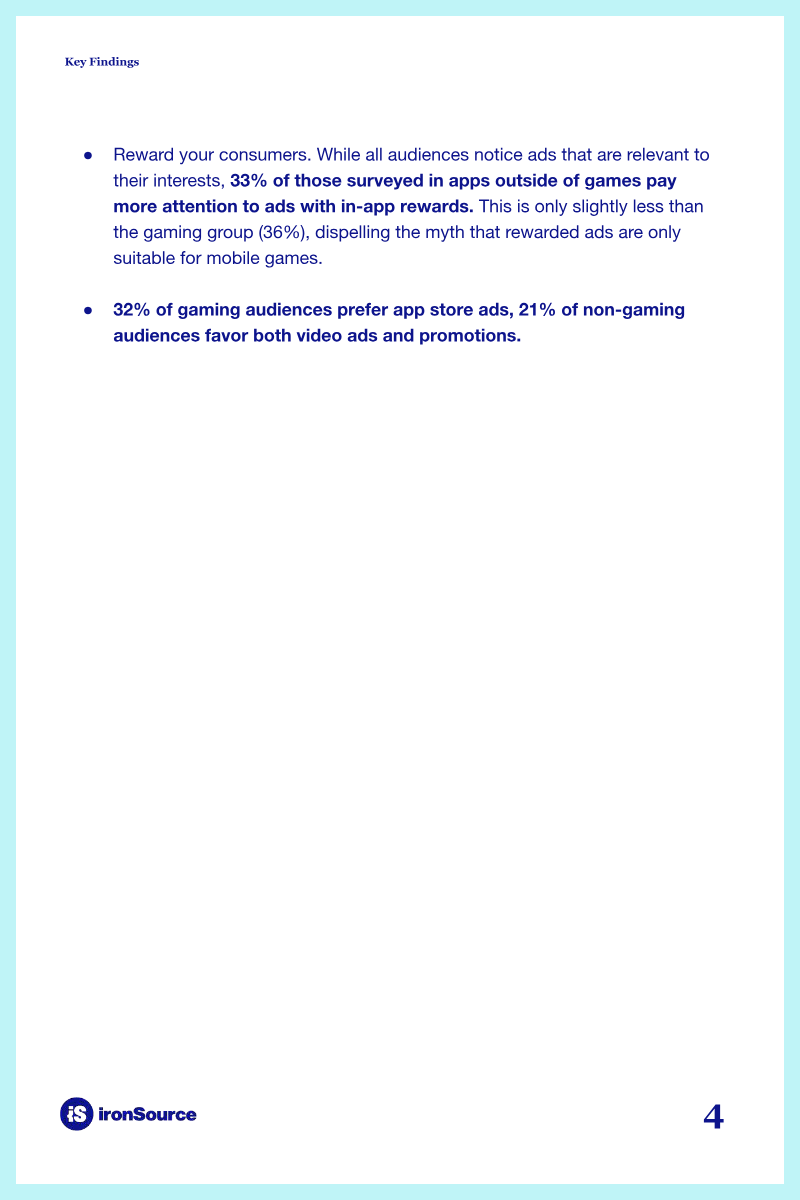
ironSource · 2022
ReportModern Mobile Consumer 2022: App Discovery Report
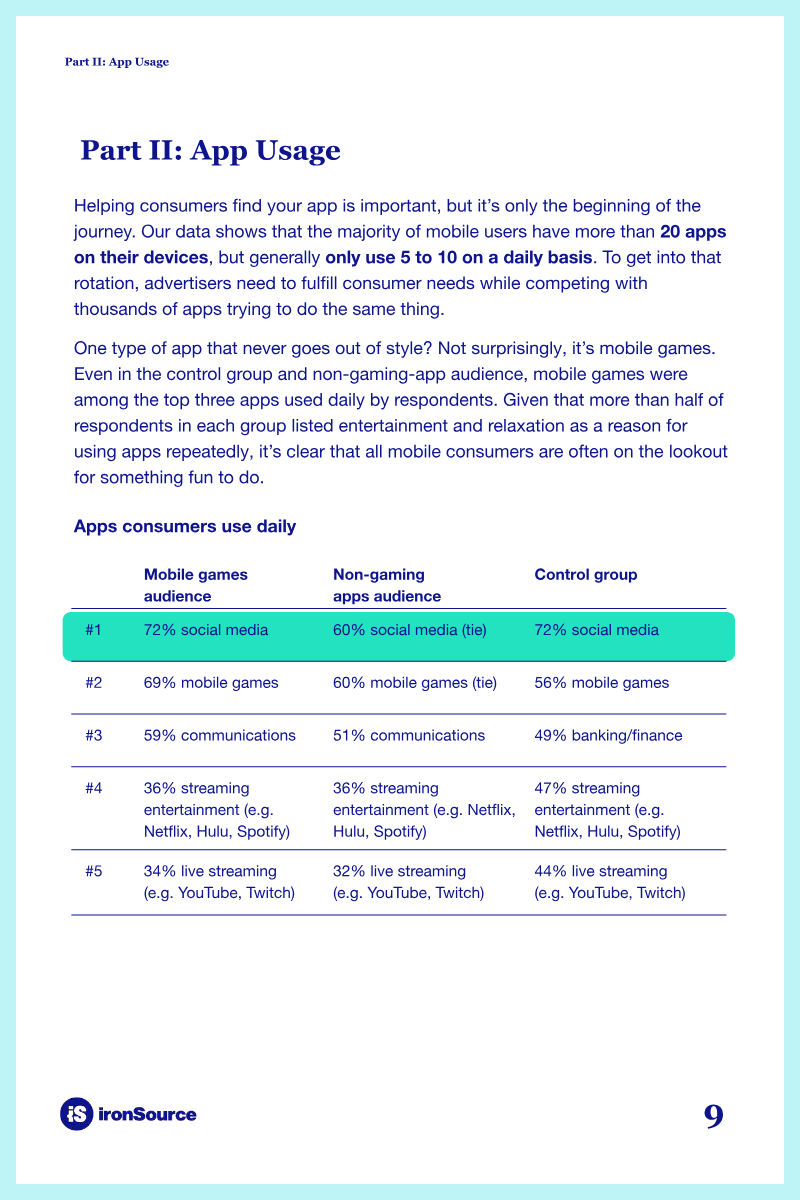
The Modern Mobile Consumer 2022: App Discovery Report examines the evolving journey of mobile users from initial app discovery to daily usage and long-term engagement. The primary thesis suggests that the traditional distinction between gamers and non-gamers is increasingly obsolete, as consumer behaviors and attitudes toward advertising are remarkably consistent across different app categories. Findings indicate that mobile gaming has become a universal hobby, with 60% of non-gaming app users playing mobile games daily, tying with social media for the top usage category. Data highlights the dominance of in-app advertising as a discovery tool, with 70% of gaming audiences and 78% of a control group reporting they have downloaded apps after seeing mobile advertisements. While most users maintain over 20 apps on their devices, the majority only engage with five to ten apps daily. To break into this limited rotation, the research suggests that video ads, app store promotions, and interactive formats are the most effective. Furthermore, rewarded ads—traditionally associated with gaming—show broad appeal, with 33% of non-gaming audiences paying more attention to ads that offer in-app incentives. The research methodology involved a large-scale survey of 30,457 respondents conducted in April and May 2022. The sample included 18,894 consumers from gaming apps and 11,563 from non-gaming apps within the ironSource network, supplemented by a 500-person third-party control group to eliminate bias. All participants were verified adults aged 18 or older. The geographic scope is global, focusing on the broader mobile app economy. Conclusions emphasize that successful user acquisition strategies must prioritize interest-based relevance, humor, and rewarded engagement to capture the attention of the modern mobile consumer.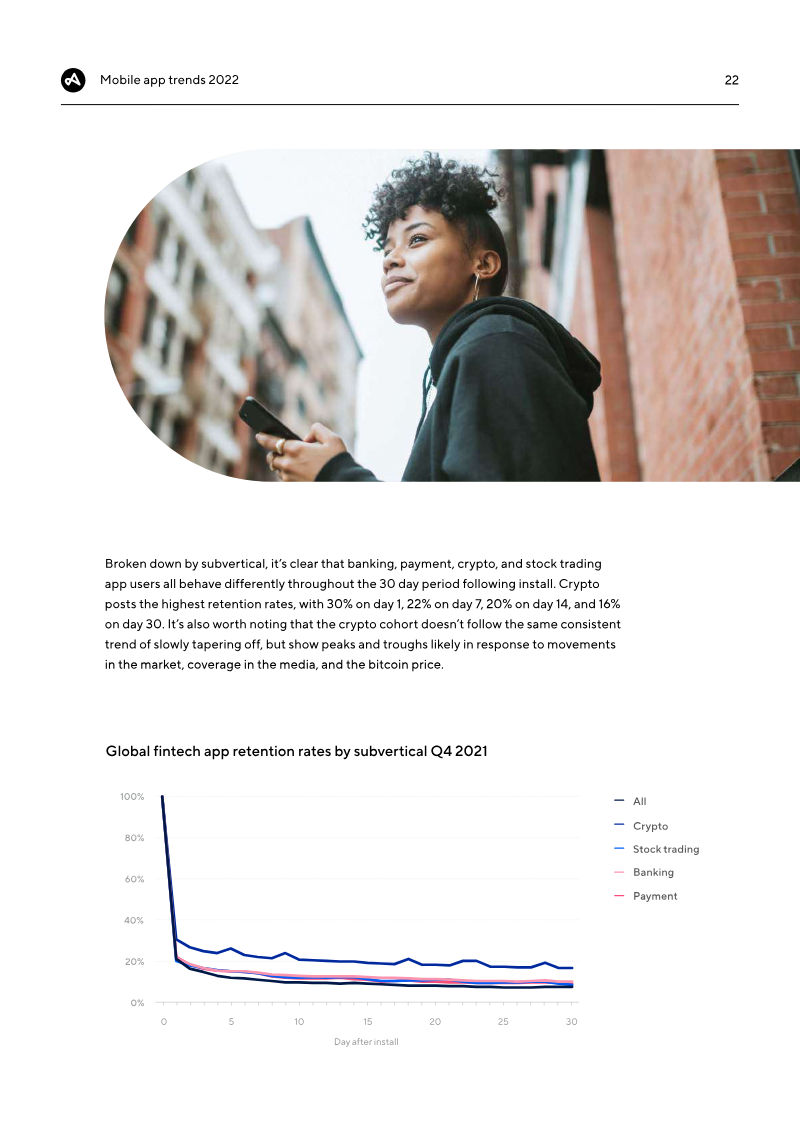
Adjust · 2022
ReportMobile App Trends 2022
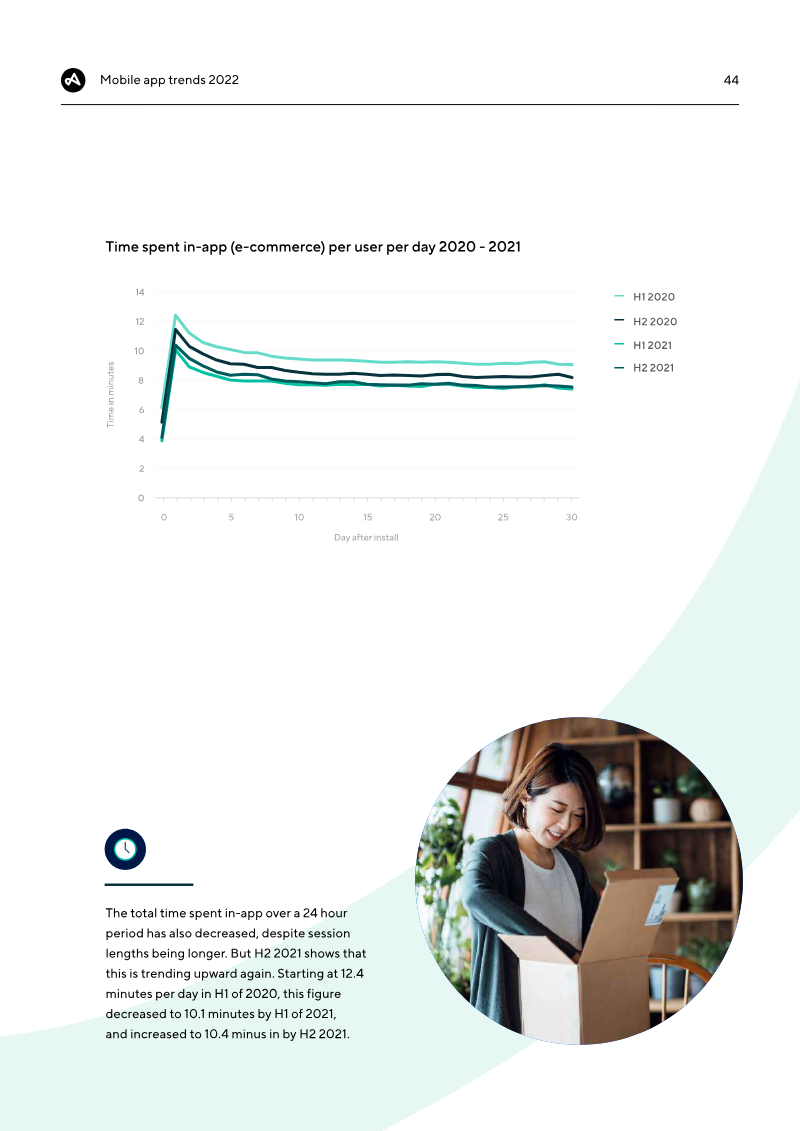
The mobile app industry experienced a period of robust expansion throughout 2021, characterized by $170 billion in consumer spending and $288 billion in advertising expenditures. Despite the implementation of Apple’s App Tracking Transparency framework, the sector demonstrated unexpected resilience as global opt-in rates reached 25%, significantly outperforming initial industry forecasts. This growth was distributed across several key verticals, with fintech and gaming leading the surge in installs at 35% and 32% respectively, while e-commerce maintained steady upward momentum with a 12% increase in downloads. Fintech emerged as a primary driver of engagement, particularly within the asset management and cryptocurrency subverticals. While traditional banking and payment apps maintained the highest share of installs, crypto apps achieved record session lengths exceeding 15 minutes. This heightened engagement occurred alongside a sharp rise in acquisition costs, with effective cost-per-install (eCPI) for fintech apps more than tripling. Consequently, developers are increasingly pivoting toward subscription-based models to ensure long-term profitability and offset the rising price of user acquisition. The e-commerce and gaming sectors mirrored this trend of higher costs paired with increased user value. Although e-commerce retention rates saw a slight decline, total in-app revenue jumped by 46%, driven by longer session durations in marketplace apps. Similarly, the gaming industry saw hyper-casual titles dominate download volumes while adventure and strategy games secured deeper engagement. Across all sectors, the transition toward higher-quality user bases is evident; while it is becoming more expensive to acquire users, those who remain are spending more time and money within apps, making retention and lifetime value the critical metrics for sustained success in a maturing mobile market.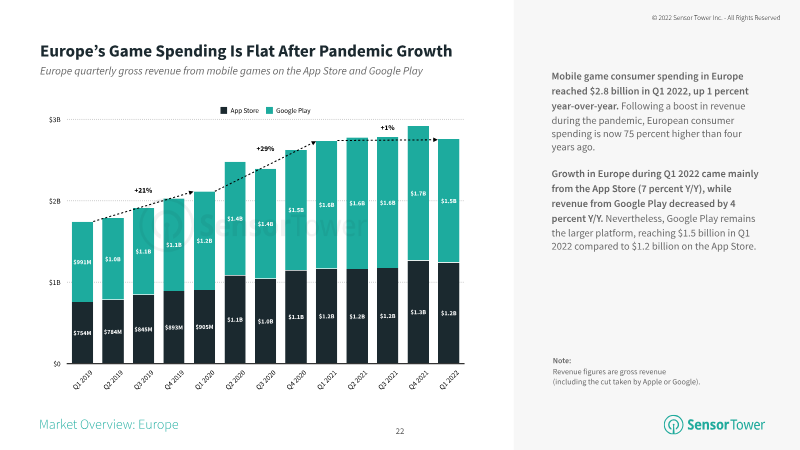
Sensor Tower · 2022
ReportThe State of Mobile Gaming 2022: Market Trends and Top Titles in the U.S., Europe, and Asia
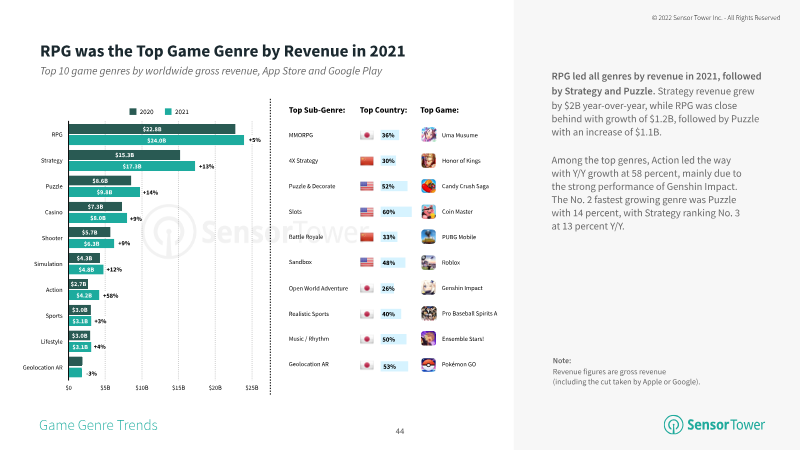
Global mobile gaming revenue experienced its first historical year-over-year decline in the first quarter of 2022, falling 6% to $21.2 billion. This contraction follows a period of unprecedented pandemic-driven growth and is largely attributed to market stabilization and rising inflation, which contributed to a 22% spending drop on Google Play. While established markets such as the United States and Japan saw double-digit revenue decreases, global game adoption remained resilient at approximately 14 billion quarterly downloads, a figure significantly higher than pre-pandemic benchmarks. Geographic performance diverged sharply between mature and emerging regions. The U.S. market saw consumer spending fall 10% to $5.8 billion, and the broader Asian market declined 7% to $11.2 billion. Conversely, emerging markets in Southeast Asia and the APAC region showed significant growth. India solidified its position as the global leader in volume, accounting for 15% of worldwide installs and a 73% increase in consumer spending. In Europe, Turkey emerged as a primary growth hub, recording a 36% revenue increase and becoming the region's fastest-growing market for both downloads and development. Genre and monetization trends indicate a shift toward sophisticated engagement mechanics. While RPG and Shooter revenues fell by 13% and 14% respectively, RPG remains the highest-grossing genre globally, and Hypercasual titles continue to dominate downloads with a 32.5% market share. Real-Time Strategy emerged as the fastest-growing sub-genre by revenue. To combat declining spending, developers are increasingly adopting Season Passes, now utilized by half of the world’s top-grossing titles to revitalize legacy games. Furthermore, strong correlations have emerged between specific aesthetics and monetization strategies, particularly the synergy between Anime art styles and Gacha mechanics, as well as the integration of ad-removal subscriptions within casual titles.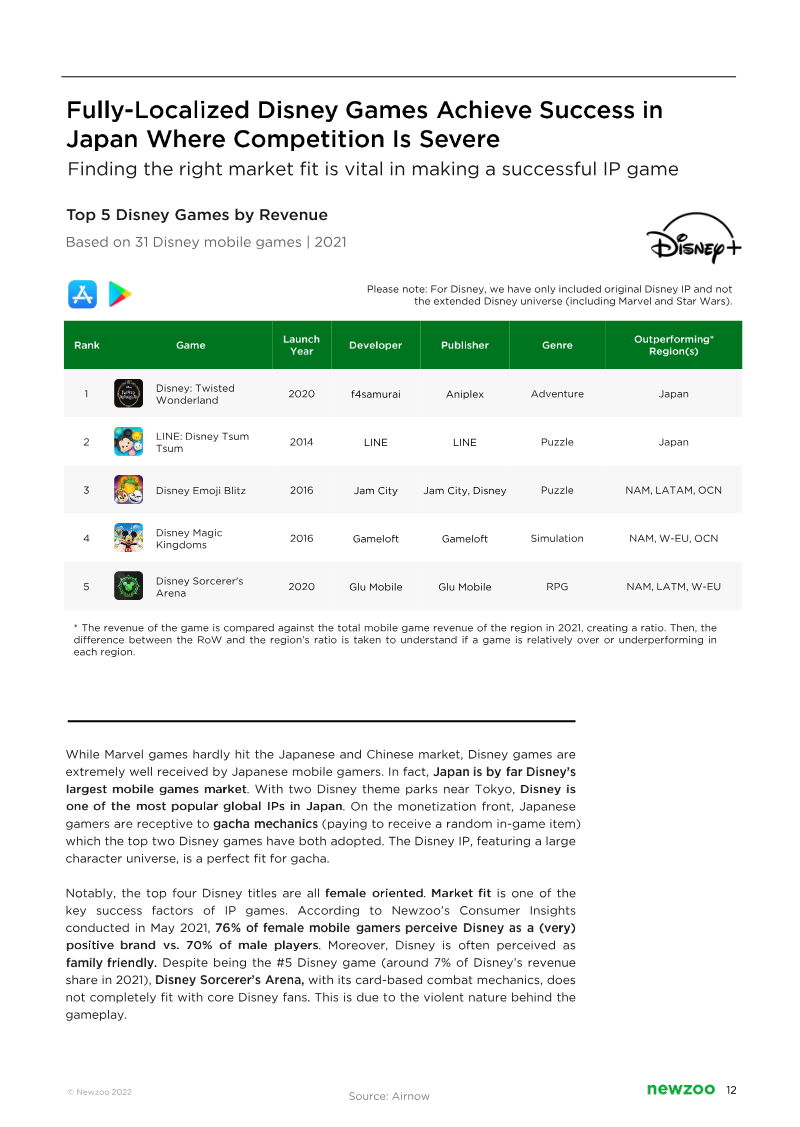
Newzoo · 2022
ReportIP-Based Mobile Games: 2022
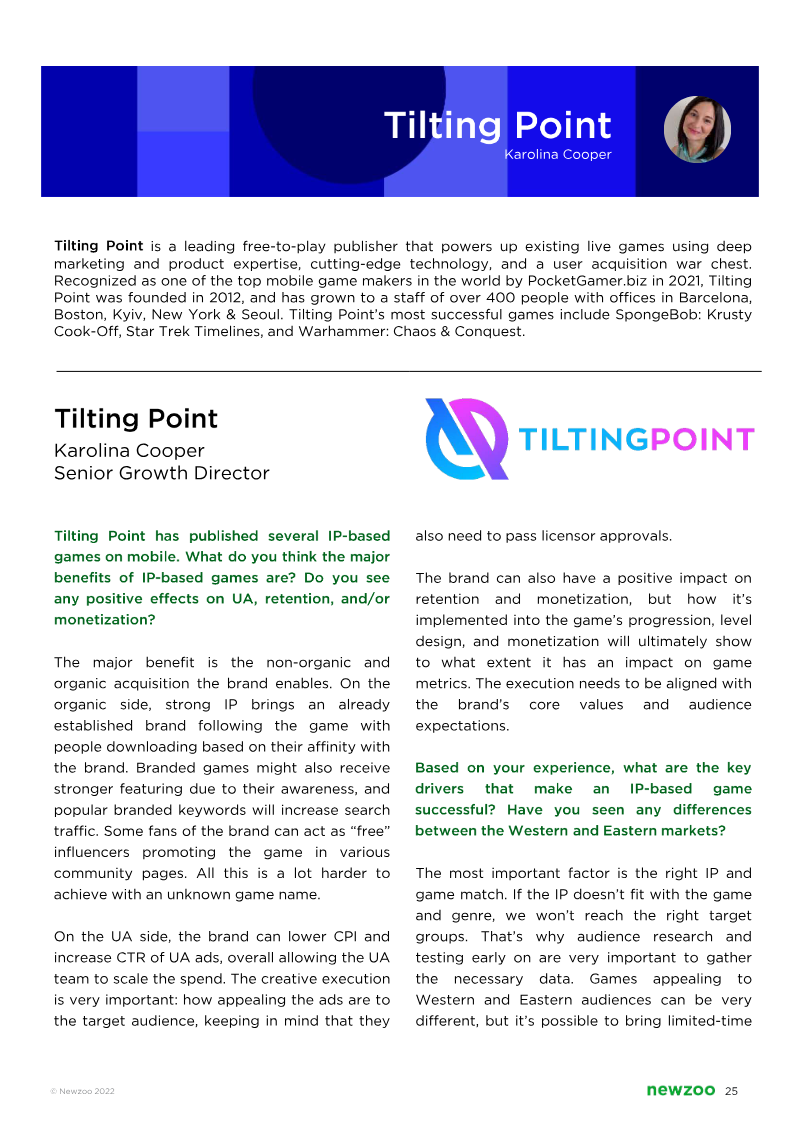
The mobile gaming landscape has shifted toward intellectual property (IP) as a primary strategy for navigating user-tracking challenges like Apple’s App Tracking Transparency. By 2021, nearly all top-downloaded new iOS titles were based on existing IPs, demonstrating that established brands are essential for driving organic acquisition and attracting high-spending players. While Western franchises like Disney and Marvel lead in global download volume, Eastern IPs—particularly those rooted in Japanese manga and Chinese literature—command superior revenue through specialized monetization models like gacha. This geographic divide highlights a fundamental difference in market behavior, where Western audiences prioritize battle mechanics while Asian markets focus on deep character development and simulation. Success in this sector requires a rigorous alignment between an IP’s core values and the chosen game genre. Titles such as Marvel Strike Force and Umamusume: Pretty Derby illustrate how faithful adherence to lore and character-driven mechanics fosters emotional attachment and long-term retention. However, leveraging a known brand introduces operational complexities, including intensive stakeholder management, extended development timelines for licensor approvals, and the necessity of localized adaptations to meet regional preferences. The primary objective for developers is to deliver a unique IP experience rather than prioritizing original game design, as any perceived misalignment with the source material can lead to immediate user churn. The industry is currently evolving toward a transmedia model where mobile games are no longer secondary products but integral components of a franchise’s universe. This strategy involves integrating game-original content back into the broader IP narrative to sustain community engagement across multiple platforms. Ultimately, the effectiveness of an IP-based title hinges on its ability to lower user acquisition costs while maintaining a "perfect fit" between the theme and gameplay. As the market matures, the integration of cross-platform strategies will be vital for publishers seeking to maximize the lifecycle and monetization potential of global entertainment brands.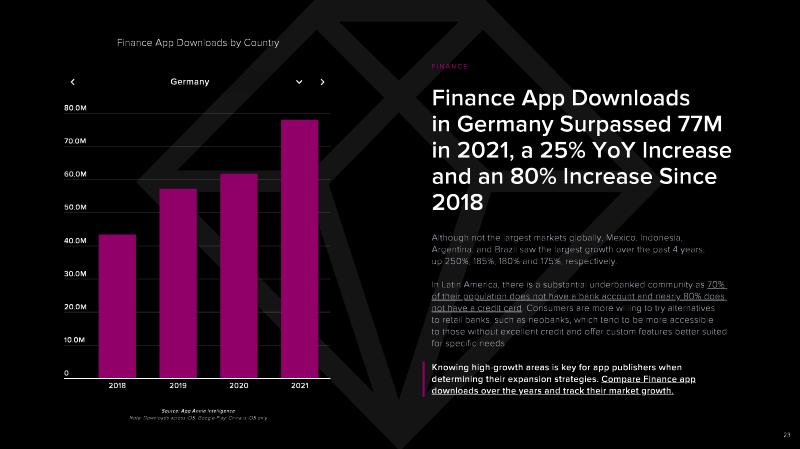
data.ai · 2022
ReportState of Mobile: Germany 2022
The German mobile market experienced a period of rapid acceleration in 2021, characterized by a 72% increase in consumer spending over two years to reach $4.0 billion. Daily engagement rose to 3.4 hours per user, with social and video applications capturing 60% of that time. While gaming remains the primary economic driver, accounting for over 70% of total app spend and $2.8 billion in revenue, the broader ecosystem saw significant diversification into finance, retail, and health sectors. High-performance titles like Genshin Impact and Coin Master led the gaming sector, while neobanks and cryptocurrency platforms gained substantial traction among younger demographics. The retail and service sectors underwent a digital transformation, evidenced by record-breaking engagement in shopping apps and a 37% surge in food and drink sessions. This growth was fueled by the rise of rapid delivery services and international publishers capturing larger shares of the German market. Simultaneously, the health sector remained robust, with local utility apps like CovPass and Corona-Warn-App dominating download charts due to pandemic-related requirements. This period also marked a significant rebound for travel and sports engagement, which grew by 25% and 45% respectively as restrictions eased and major international events returned. Social and entertainment categories continue to anchor the mobile experience in Germany. WhatsApp maintains its position as the leading app by time spent, while TikTok saw a 75% year-over-year increase in engagement. Consumer spending in non-gaming categories is increasingly driven by dating and streaming services, with dating app revenue surging 115% since 2018. Overall, the German mobile landscape is defined by a sophisticated mix of high-spending gaming audiences, a rapidly maturing mobile commerce sector, and a strong reliance on mobile utilities for daily life and public health.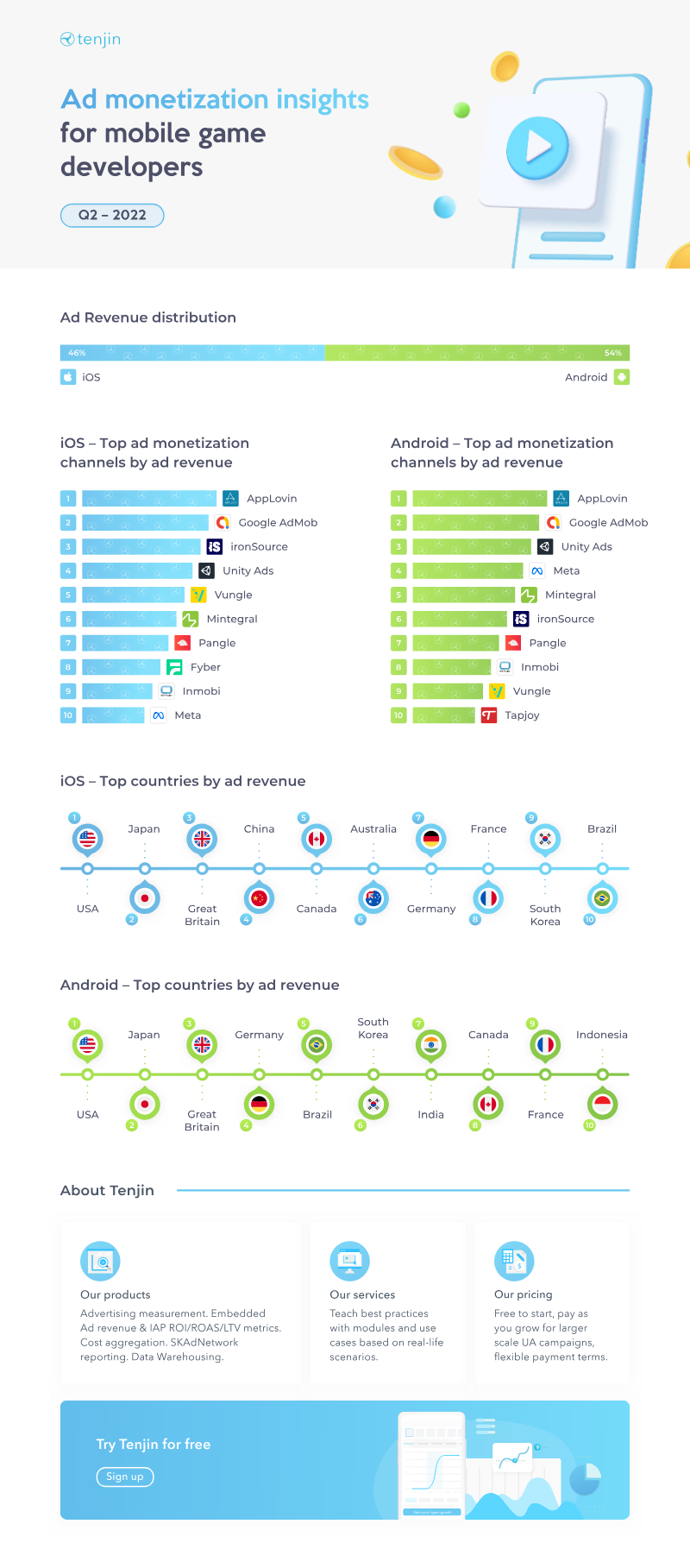
Tenjin · 2022
ReportAd Monetization Insights for Mobile Game Developers 2022
The 2022 ad monetization briefing delivers a data-driven overview of revenue-generation strategies for mobile game developers, emphasizing measurement, optimization, and regional performance trends. Core insights reveal that ad-based income accounts for a majority share of total monetization, with a highlighted 54% figure indicating the proportion of revenue derived from advertising across the surveyed markets. The analysis spotlights key territories—Germany, Japan, South Korea, Canada, and Indonesia—illustrating how each region contributes to overall earnings and how localized user acquisition (UA) campaigns influence cost structures and return on ad spend. A central theme is the importance of precise analytics to drive return on investment (ROI), return on ad spend (ROAS), and lifetime value (LTV) calculations. The briefing outlines a suite of measurement tools that aggregate ad revenue, in-app purchase (IAP) data, and cost metrics, integrating SKAdNetwork reporting for iOS environments and offering flexible data-warehousing solutions. These capabilities enable developers to assess campaign performance at scale, compare cost aggregation across organic and paid acquisition channels, and refine budgeting decisions based on real-time insights. Tenjin’s platform is positioned as a turnkey solution for developers seeking to embed advanced measurement modules without upfront cost, operating on a free-to-start, pay-as-you-grow pricing model. The service package includes advertising measurement, cost aggregation, and data-warehousing, designed to support both emerging studios and larger publishers in optimizing ad revenue streams. While specific methodological details such as sample size or data sources are not disclosed, the briefing draws on 2022 market data to inform best-practice recommendations for maximizing monetization efficiency across the highlighted global regions.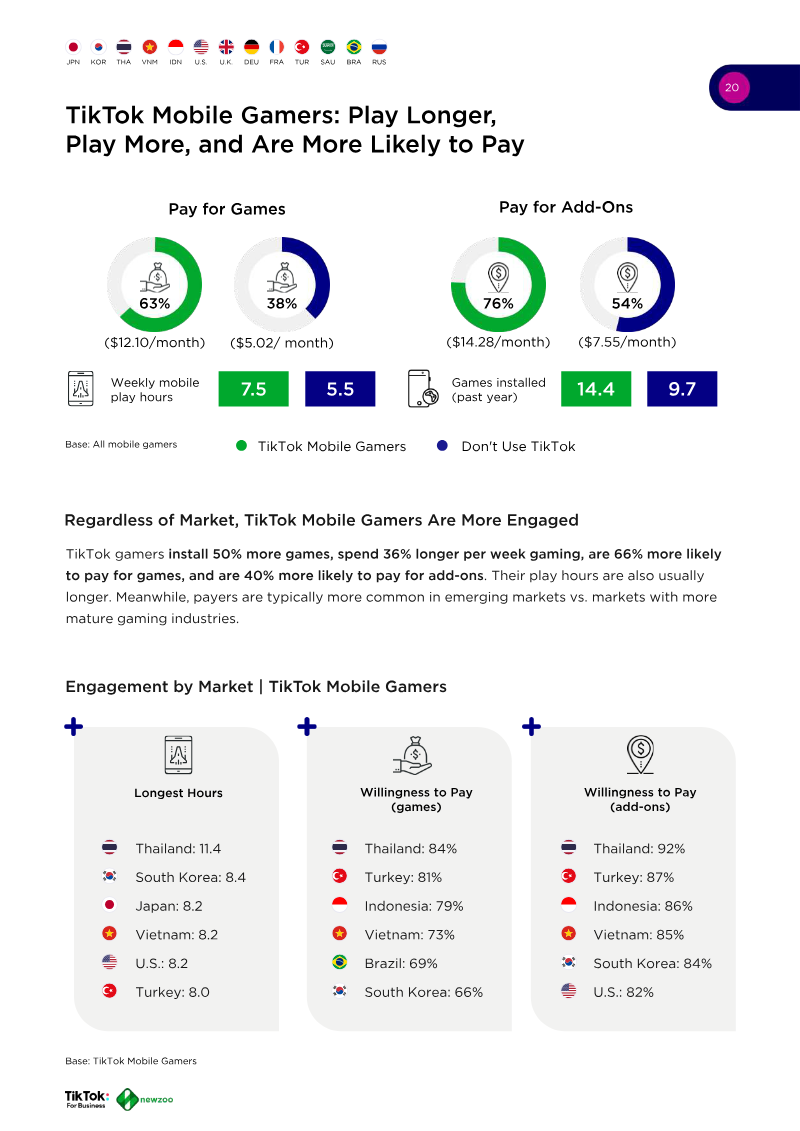
Newzoo · 2022
ReportThe New Destination to Reach Global Gamers: The 2021 Global Mobile Gamers Whitepaper
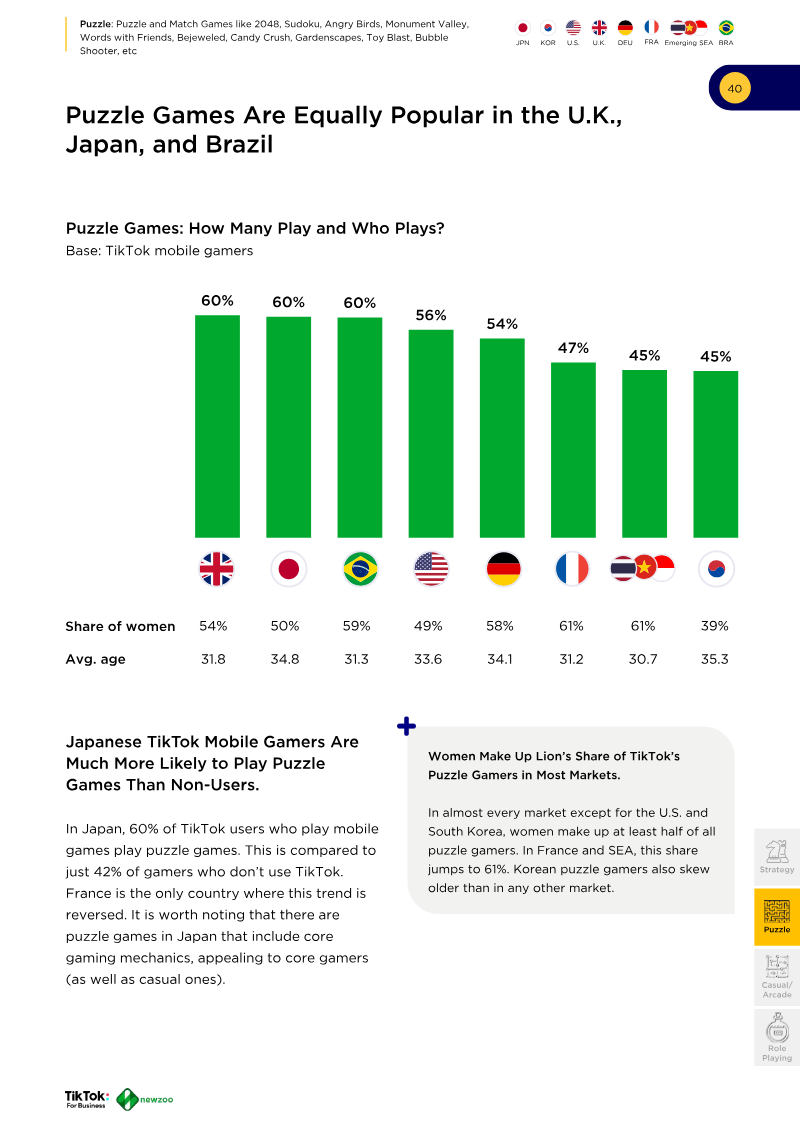
Mobile gaming represents the largest and fastest-growing segment of the global entertainment industry, generating $93.2 billion in 2021 with a projected trajectory toward $126.1 billion by 2024. Within this landscape, a distinct synergy has emerged between mobile gaming and social media platforms, particularly TikTok, where nearly half of all mobile gamers are active. These users demonstrate significantly higher value than non-users, installing 50% more games, playing 36% longer, and showing a 66% higher likelihood of making in-game purchases. This demographic functions as a highly social and evangelical audience that consumes an average of seven different genres and responds more favorably to innovative advertising formats like sponsored livestreams and user-generated content. Global player behavior reveals a consistent preference for realistic art styles and fantasy or mystery settings, though regional nuances remain critical for market penetration. While Southeast Asian markets are dominated by MOBA titles, Japanese and South Korean audiences show a marked preference for immersive RPGs and Puzzle RPGs. Across all regions, the primary motivation for gameplay is relaxation or passing time, yet monetization is driven by progression-based incentives, such as the desire to unlock content or bypass difficult levels. This suggests that while the initial draw of a game is often casual, long-term financial viability depends on structured advancement and consistent content updates. Retention and re-engagement strategies must address the primary drivers of player churn, which are identified as technical bugs and slow leveling speeds. Conversely, the introduction of new missions, story-driven updates, and technical optimizations are the most effective methods for reclaiming lapsed players. To maximize impact, advertisers and developers should prioritize action-packed, narrative-driven creative content that leverages the social metaverse. By focusing on regional aesthetic preferences—such as "cute" or anime styles in Asia versus cartoonish realism in Western markets—and addressing the specific progression needs of players, stakeholders can better navigate the increasingly competitive global mobile gaming ecosystem.

GameRefinery · 2021
Report