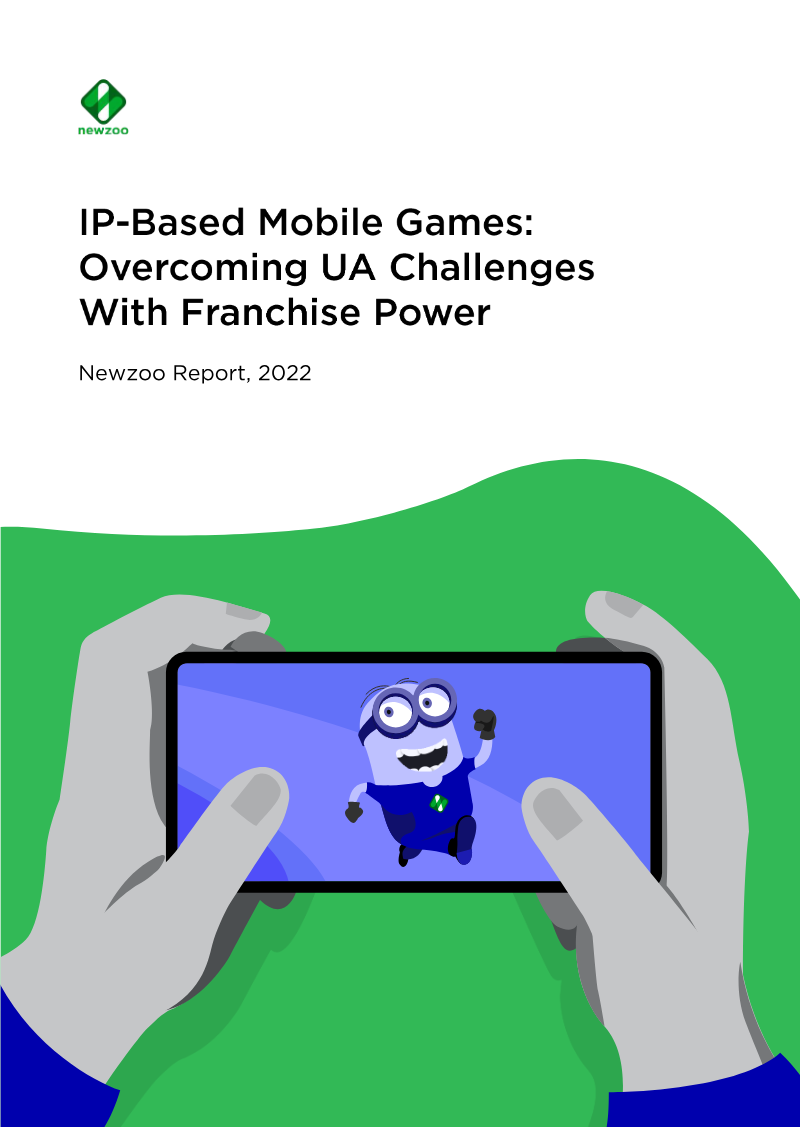
The mobile gaming landscape has shifted toward intellectual property (IP) as a primary strategy for navigating user-tracking challenges like Apple’s App Tracking Transparency. By 2021, nearly all top-downloaded new iOS titles were based on existing IPs, demonstrating that established brands are essential for driving organic acquisition and attracting high-spending players. While Western franchises like Disney and Marvel lead in global download volume, Eastern IPs—particularly those rooted in Japanese manga and Chinese literature—command superior revenue through specialized monetization models like gacha. This geographic divide highlights a fundamental difference in market behavior, where Western audiences prioritize battle mechanics while Asian markets focus on deep character development and simulation.
Success in this sector requires a rigorous alignment between an IP’s core values and the chosen game genre. Titles such as Marvel Strike Force and Umamusume: Pretty Derby illustrate how faithful adherence to lore and character-driven mechanics fosters emotional attachment and long-term retention. However, leveraging a known brand introduces operational complexities, including intensive stakeholder management, extended development timelines for licensor approvals, and the necessity of localized adaptations to meet regional preferences. The primary objective for developers is to deliver a unique IP experience rather than prioritizing original game design, as any perceived misalignment with the source material can lead to immediate user churn.
The industry is currently evolving toward a transmedia model where mobile games are no longer secondary products but integral components of a franchise’s universe. This strategy involves integrating game-original content back into the broader IP narrative to sustain community engagement across multiple platforms. Ultimately, the effectiveness of an IP-based title hinges on its ability to lower user acquisition costs while maintaining a "perfect fit" between the theme and gameplay. As the market matures, the integration of cross-platform strategies will be vital for publishers seeking to maximize the lifecycle and monetization potential of global entertainment brands.
Google · 2026
Newzoo · 2026

Newzoo · 2026
Newzoo · 2026

Deconstructor of Fun · 2026
Newzoo · 2026
Newzoo · 2026
Newzoo · 2026
Newzoo · 2026

Newzoo · 2026
Newzoo · 2026
Newzoo · 2025

Almedia · 2026

Sensor Tower · 2026

Sensor Tower · 2026

AppLovin · 2026

Sensor Tower · 2026

Modern Times Group · 2026
AppMagic · 2026
InvestGame · 2026
GREE · 2026
InvestGame · 2026
InvestGame · 2026
Sensor Tower · 2026