Development & Publishing
Making and shipping games: design, engines, QA and publishing deals.
225 documents
AEVI · 2023
ReportVideojuegos en el aula
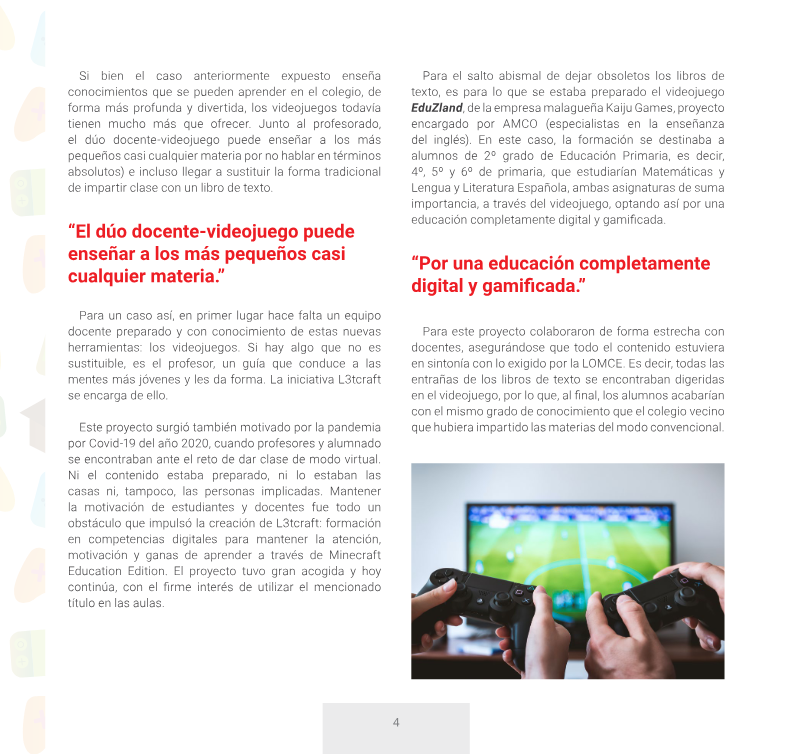
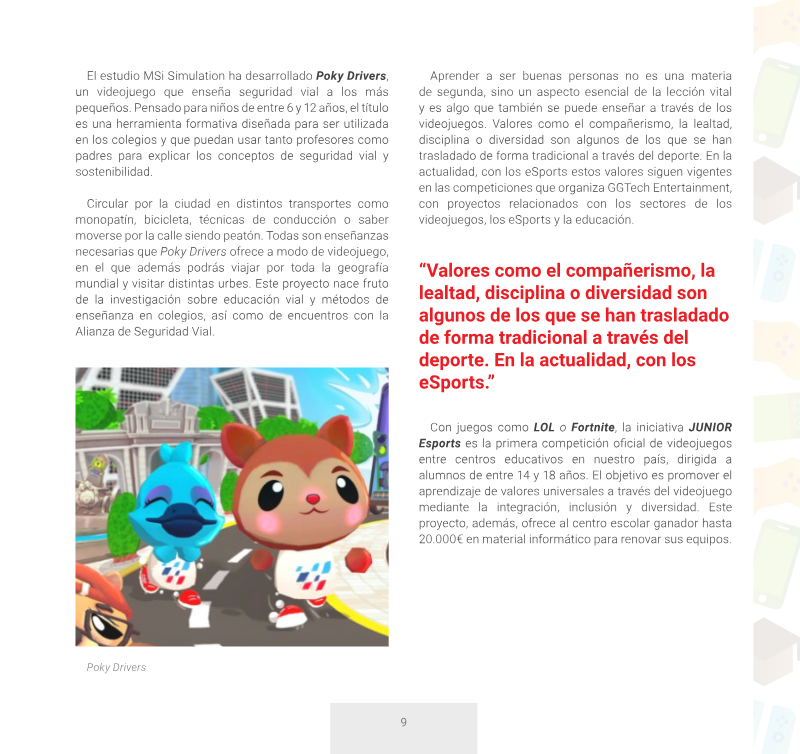
Spanish educators are progressively integrating video games into classroom practice, positioning interactive media as legitimate learning tools rather than mere entertainment. The manual demonstrates that, when combined with teacher training, games can stimulate creativity, empathy and digital competence, providing an engaging complement or alternative to traditional textbooks. Initiatives such as AEVI’s “The Good Gamer,” the nationwide rollout of Minecraft Education Edition, and locally developed titles—including EduZland, BetterWorld, Planet Rescuers, Koral and Endling—are now employed in more than a thousand schools to address subjects ranging from mathematics and language to civic values, environmental stewardship and mental‑health awareness. A thriving ecosystem of Spanish‑origin serious games supports this pedagogical shift. Projects like Teacher+, Diana frente al espejo, Academons, Villi Adventures, 200 y +, Bailando un Tesoro, Poky Drivers, JUNIOR Esports, Futuros Talentos, Nintendo ESNE, EVAD Kids and Minecraft Education target a broad spectrum of curricular content—science, language, history, health and safety—and promote transversal values such as equality, anti‑bullying, teamwork and sustainability. The breadth of offerings illustrates a coordinated effort to embed game‑based learning across primary and secondary education. The landscape is reinforced by a wide coalition of Spanish game developers, publishers and academic programs, including major studios such as Riot Games, Ubisoft and Take‑Two Interactive, alongside numerous university‑based game schools. This cross‑sector network is linked to the broader European context through the Interactive Software Federation of Europe, which represents trade associations from eighteen European nations and leading global companies. Together, these actors create a robust, responsible and economically vibrant environment for video‑game education and production throughout Spain and the wider European market.


AEVI · 2023
ReportLlibre Blanc d’Accessibilitat per al Desenvolupament de Videojocs
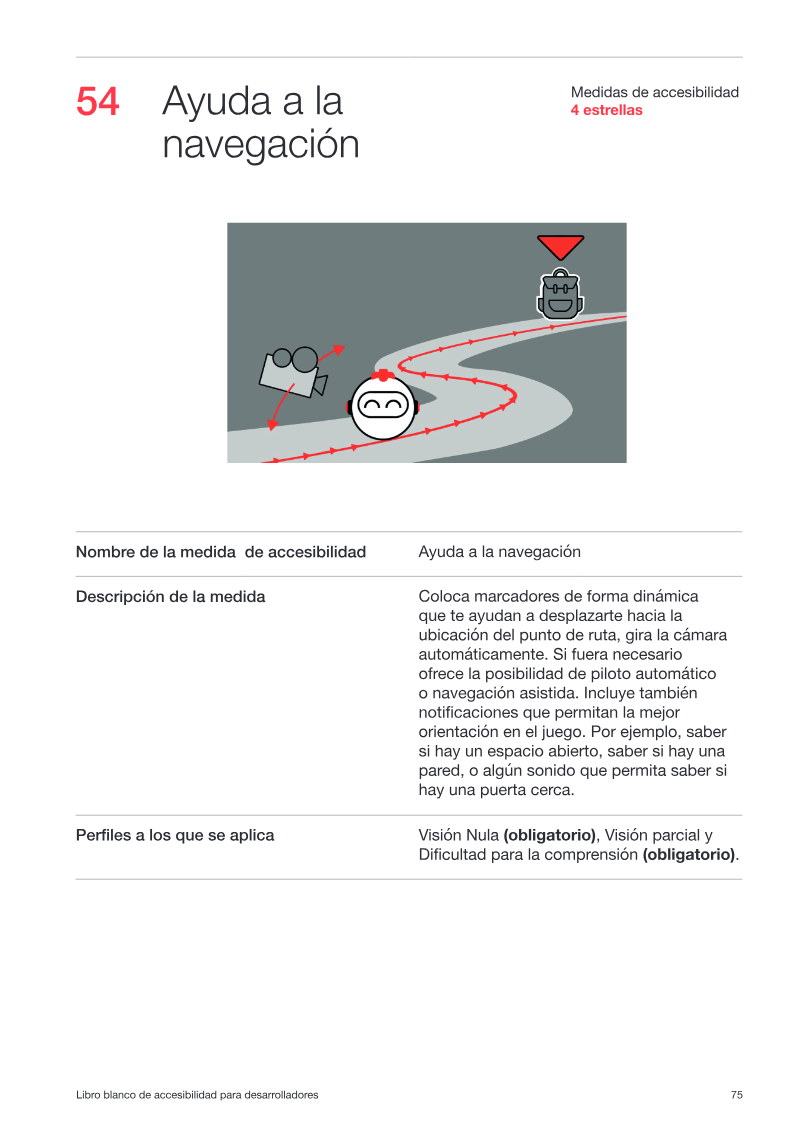
The central thesis is that video‑game accessibility must be embedded from the earliest design stages, using a standardized, non‑subjective evaluation framework, to achieve universal inclusion while avoiding the steep costs of retro‑fitting. Drawing on the European EN 301 549 ICT‑accessibility standard and the Ga11y portal launched in July 2022, the analysis provides a comprehensive catalogue of functional measures that map directly to specific disability profiles. The market context is global, with more than three billion gamers worldwide, roughly 400 million of whom have a disability, and an estimated 18 million regular players in Spain. Despite growing awareness since 2014 and heightened industry focus from 2018, major publishers often omit disclosure of the accessibility features they implement. The work outlines 28 “star‑rated” guidelines, ranging from simple one‑star options such as clear iconography, customizable audio mixes, and control‑swap mechanisms, to complex five‑star solutions like sign‑language interpretation and AI‑driven navigation assistance. Each measure is linked to visual, auditory, motor, speech or cognitive impairments, and the guidance stresses that low‑complexity features can be integrated early with minimal technical effort, delivering broad, cost‑effective support. A parallel emphasis is placed on the expanding hardware ecosystem. Commercial adaptive controllers—from the modular Sony Access Controller to eye‑tracking solutions like Tobii Eye Tracker 5—are complemented by low‑cost 3‑D‑printed accessories that enable bespoke adaptations. Collaboration between industry bodies such as AEVI and the Fundación ONCE underpins the push for mandatory, inclusive design practices across the European development landscape, positioning accessibility as a strategic imperative rather than an optional add‑on.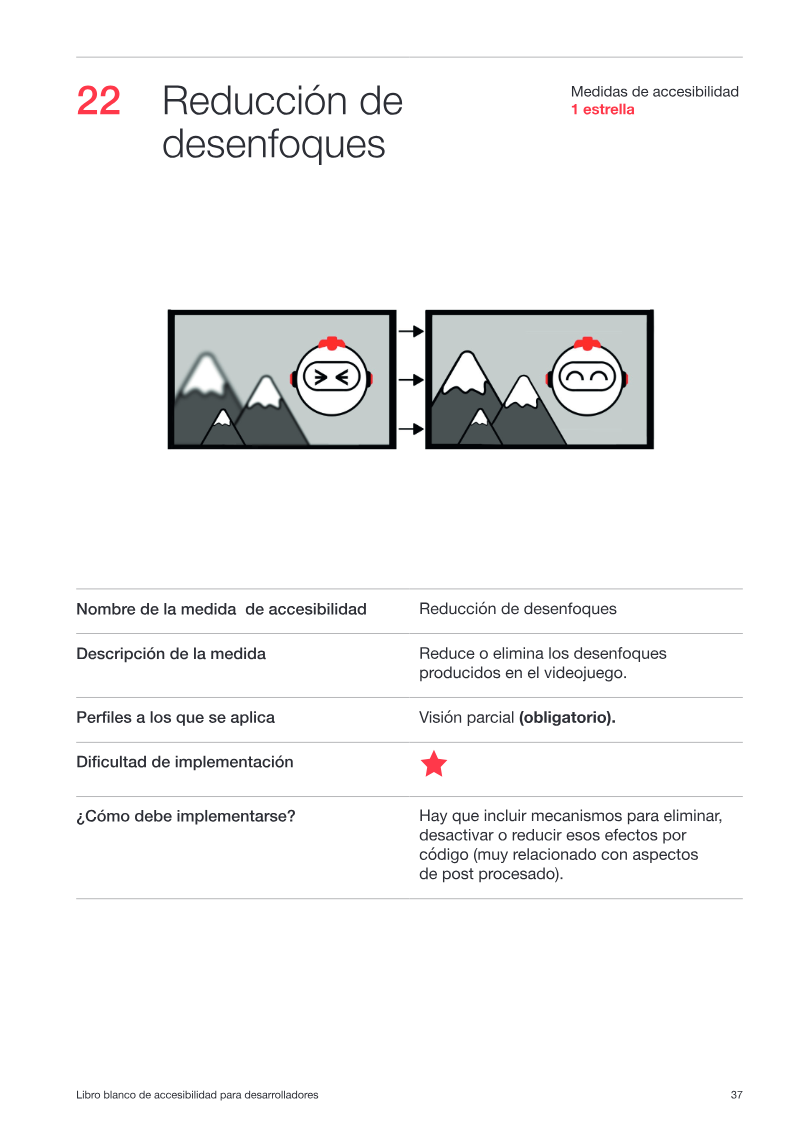
AEVI · 2023
ReportLibro Blanco de Accesibilidad para Desarrolladores
The core thesis emphasizes that video‑game accessibility must be embedded from the earliest design stages, rather than added later, because retro‑fitting dramatically inflates development time and cost. Drawing on the European EN 301 549 standard and the Ga11y catalogue, the work presents a systematic methodology for evaluating both closed platforms (consoles) and open platforms (PC and mobile) and supplies developers with a practical reference for implementing auditory, visual, motor and cognitive options. Globally, roughly three billion people play video games, of whom about four hundred million experience some form of disability. Within the Spanish ecosystem, industry bodies such as AEVI and Fundación ONCE have positioned universal accessibility as a strategic priority, encouraging adoption of the outlined standards across the period 2018‑2023, when systematic measures began to emerge after an initial appearance in 2014. A tiered catalogue of more than thirty accessibility measures is detailed, ranging from basic 1‑star options—identifiable icons, joystick swapping, sound‑mix controls and puzzle‑skip functions—to advanced 5‑star features such as sign‑language interpretation, voice‑to‑text and text‑to‑voice for multiplayer. Each measure is mapped to specific disability profiles (partial or total vision loss, colour‑vision deficiency, hearing loss, motor impairments and cognitive challenges) and is recommended for early integration with configurable settings. A self‑assessment matrix forces developers to verify compliance for every mandatory feature, underscoring that true inclusivity also depends on compatible adaptive peripherals. The analysis of hardware solutions lists the principal adaptive controllers and accessories available for major consoles, including the Xbox Adaptive Controller, Hori Flex, PlayStation Access Controller, QuadStick, Tobii Eye Tracker 5, the Ford Adapta racing simulator and the OWO haptic jacket, together with their price ranges. It concludes that while commercial peripherals are expanding, gaps remain, making coordinated software‑hardware strategies essential for delivering fully inclusive gameplay across the global market.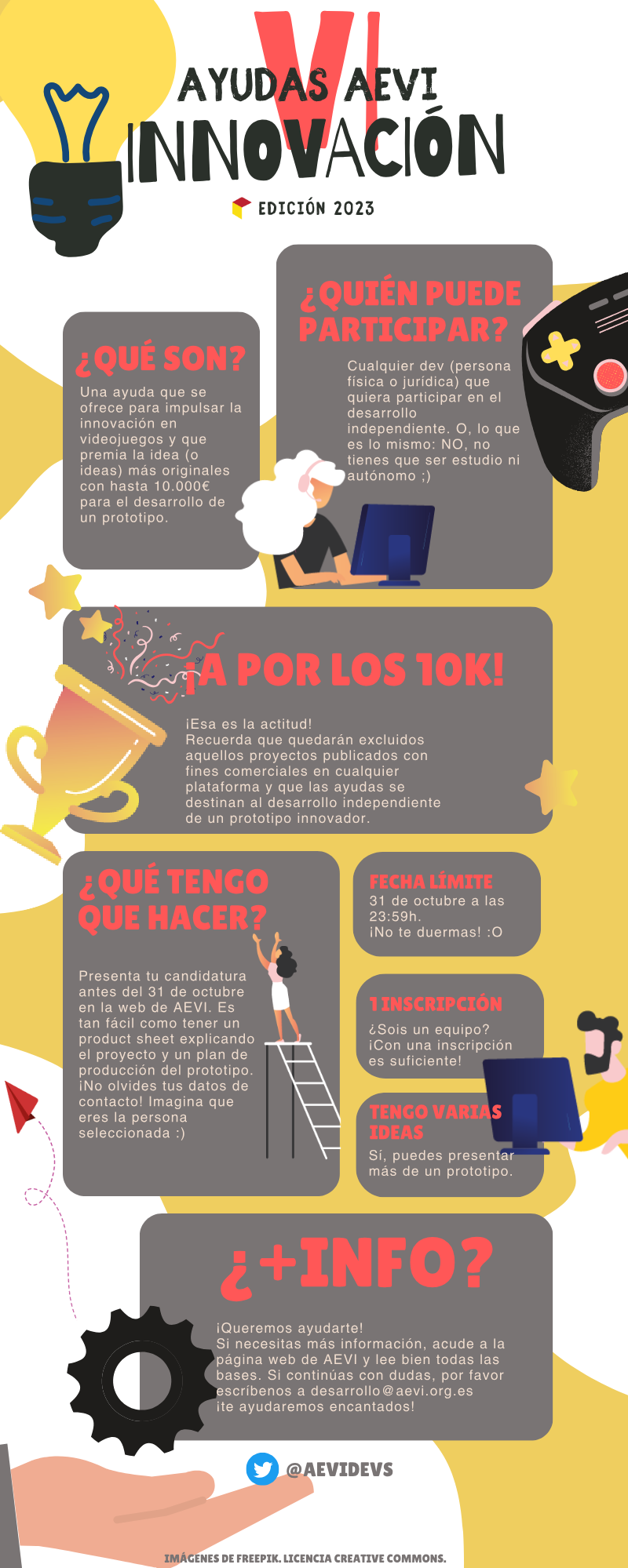
AEVI · 2023
ReportAyudas AEVI Innovación: Edición 2023
The AEVI Innovation program for 2023 offers financial support of up to €10,000 to independent developers—both individuals and legal entities—who wish to create an innovative prototype in the video‑game sector. The aid is expressly targeted at non‑commercial projects, and any work that has already been published on any platform for commercial purposes is excluded from eligibility. Applicants may submit more than one prototype idea, provided each proposal meets the program’s criteria. Eligibility is open to any developer, regardless of prior experience, who can demonstrate a novel concept and a clear production plan for the prototype. The application process is streamlined: candidates register through the AEVI website, upload a concise product sheet describing the project, and provide contact details. The deadline for submissions is 31 October at 23:59, and the program emphasizes a proactive attitude, encouraging developers to act promptly. The initiative focuses exclusively on the Spanish independent game development ecosystem, with no geographic restrictions beyond the national context. No statistical data or survey methodology is presented, as the program functions as a grant call rather than a research study. The primary objective is to stimulate creativity and technical experimentation within the indie sector by reducing financial barriers to prototype development.
Suomen Pelinkehittäjät ry · 2023
ReportThe Game Industry of Finland Report: 2022
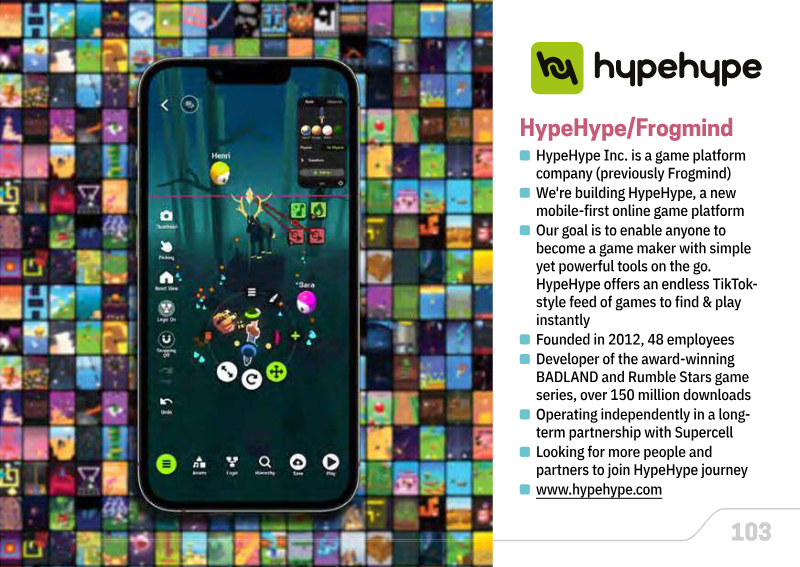
The Finnish game industry established itself as a premier global hub between 2021 and 2022, maintaining a record annual turnover of €3.2 billion. This performance places Finland among the top five national game industries in Europe. Despite a shift toward the "games-as-a-service" model and macroeconomic headwinds that reduced the frequency of new game launches, the sector experienced a surge in startup activity and employment. By late 2022, the industry supported 232 active studios and approximately 4,100 employees, characterized by a highly international workforce and a stable presence of female professionals. While mobile remains the dominant platform by revenue, there is a significant strategic pivot toward PC and multiplatform development, with 64% of studios now targeting the PC market. This evolution is supported by a sophisticated funding ecosystem that includes over €300 million in private investment and substantial public R&D support from Business Finland. The industry’s maturity is further evidenced by high-profile acquisitions from global giants such as Sony, Netflix, and Playtika, alongside the continued success of established leaders like Supercell, Rovio, and Remedy Entertainment. The ecosystem is anchored in Helsinki, which accounts for the vast majority of turnover and employment, but it also benefits from thriving regional clusters in Tampere, Oulu, and Kajaani. These hubs specialize in diverse technologies ranging from VR and Web3 to simulation and narrative-driven titles. Despite challenges such as rising marketing costs due to privacy changes and a persistent talent shortage, the industry remains resilient through robust institutional support from organizations like Neogames and Suomen Pelinkehittäjät ry. This collaborative infrastructure, combined with a focus on original intellectual property and emerging technologies like Creative AI, ensures Finland’s continued influence on the global gaming landscape.
Unity · 2023
ReportGaming Report 2023
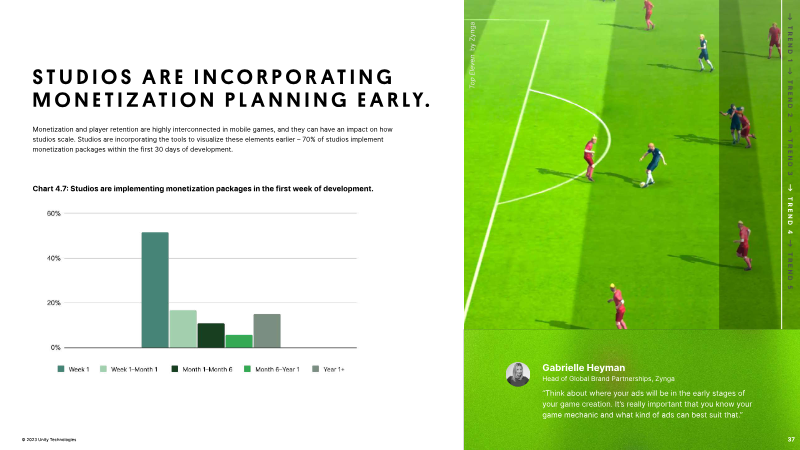
The global gaming industry in 2023 is defined by a strategic shift toward development efficiency and long-term player retention. Studios are increasingly prioritizing speed to market, with 62% of indie developers now shipping titles in under a year. This acceleration is largely fueled by the widespread adoption of premade assets and a reduction in average developer hours. While large studios are expanding their reach through a 16% increase in multiplatform development, indie studios remain predominantly focused on single-platform desktop releases. Simultaneously, there is a notable pivot toward mobile production, where global daily active users have risen by 8% despite a slight decline in the number of paying players. Monetization strategies are evolving to address this shift in player behavior, moving toward a balanced model where ad-supported structures and in-app purchases hold nearly equal weight. To ensure financial viability, 70% of studios now integrate monetization and LiveOps within the first 30 days of development. This early focus on the product lifecycle has contributed to a 33% increase in the average game lifespan, supported by frequent core content updates and a 27% rise in battle pass adoption. Emerging markets, particularly in regions like Kazakhstan, are driving a 15.7% year-over-year increase in total game builds, signaling a lower barrier to entry for new creators. Looking forward, the industry is embracing generative AI and user-generated content to streamline workflows and deepen engagement. The rise of "hybrid-casual" mobile games reflects a broader trend of blending accessible mechanics with sophisticated retention loops. Success in the current economic climate requires rigorous scope control and a transition from simple user acquisition to the maintenance of long-term player relationships. By leveraging achievements, community building, and real-time operational updates, developers are successfully extending the relevance and profitability of their titles in an increasingly competitive global market.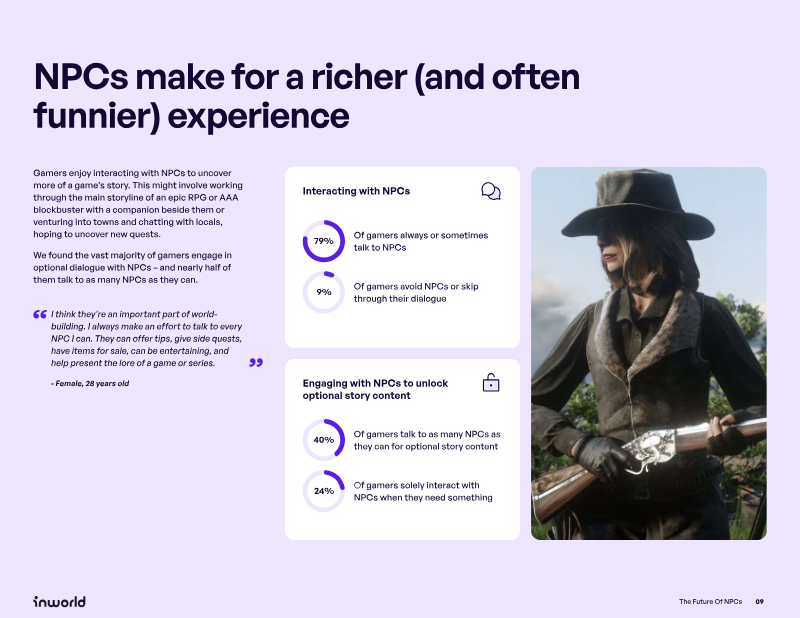
Inworld AI · 2023
ReportThe Future of NPCs
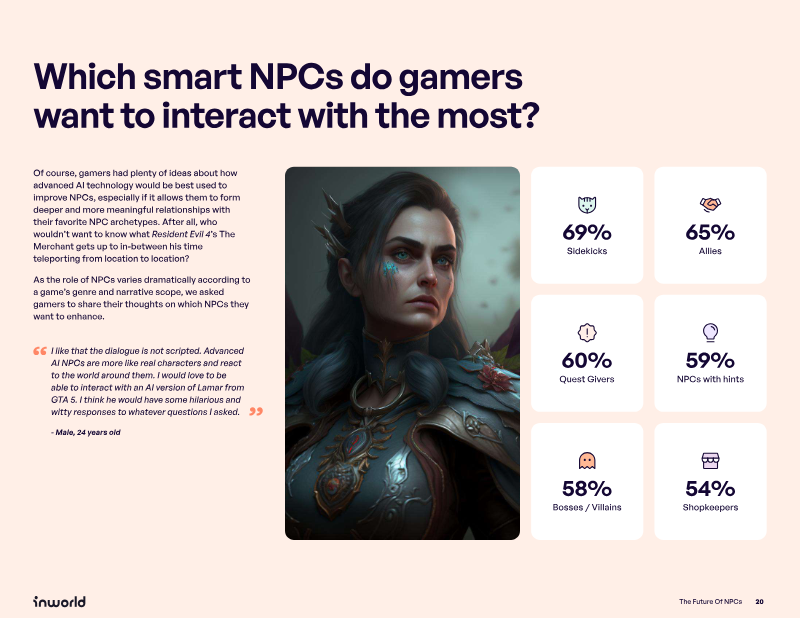
This analysis explores the evolving role of non-playable characters (NPCs) in the video game industry, arguing that while graphical and narrative technologies have advanced, NPC interactivity has remained stagnant. The central thesis posits that integrating advanced AI—specifically large language models and machine learning—is essential for maintaining player immersion and driving commercial growth. By moving away from static dialogue trees toward dynamic, situational awareness, developers can address long-standing player frustrations regarding repetitive behaviors and scripted limitations. Key findings indicate a significant market demand for sophisticated AI integration. Data shows that 84% of gamers view NPCs as vital to their experience, yet 52% are frustrated by repetitive dialogue. The transition to advanced AI NPCs appears to offer a clear financial incentive: 81% of players expressed a willingness to pay more for games featuring intelligent characters, and 79% stated they would be more likely to purchase a title with such features. Furthermore, 88% of respondents believe advanced AI would improve overall gameplay and immersion, suggesting that these technologies could increase player retention and session length. The scope of the research focuses on 1,002 U.S.-based gamers aged 16 to 50 who play at least five to eight hours per week across PC, console, mobile, and VR platforms. Methodology involved a 20-minute survey conducted by Bryter Research, which included a demonstration of generative AI NPC capabilities to gauge participant reactions. The findings suggest that while role-playing and sandbox genres stand to benefit most, there is a near-unanimous consensus (99%) among surveyed gamers that advanced AI NPCs represent a positive value add for the industry.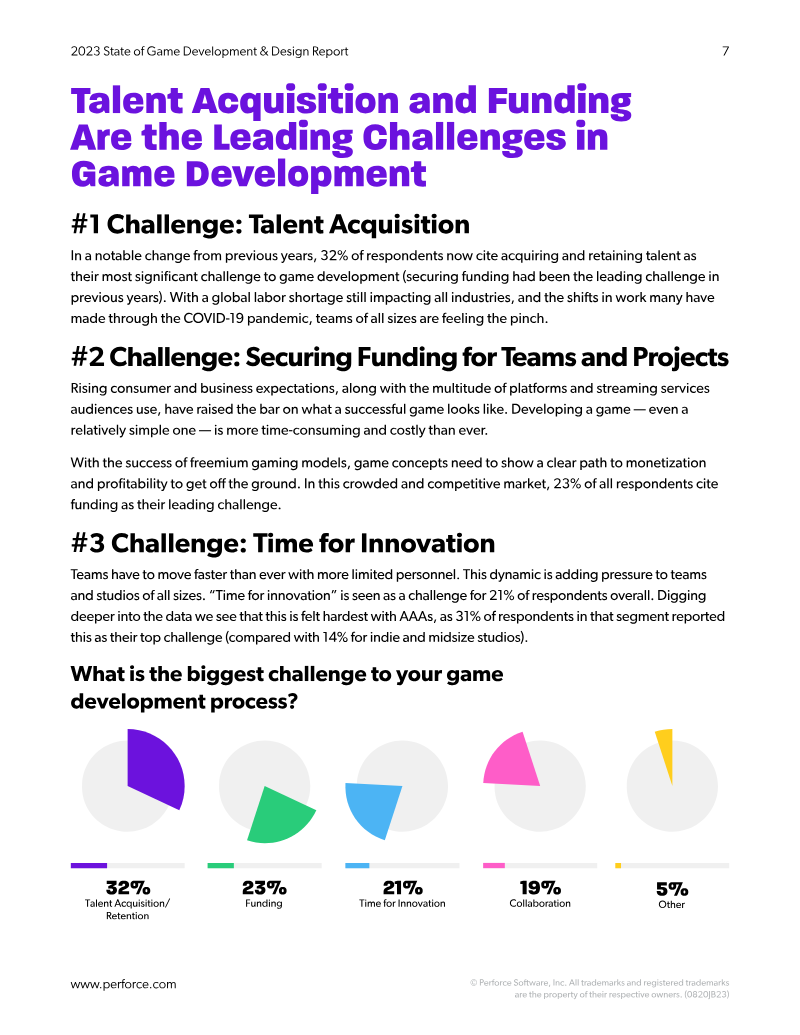
Perforce · 2023
ReportState of Game Development & Design Report 2023
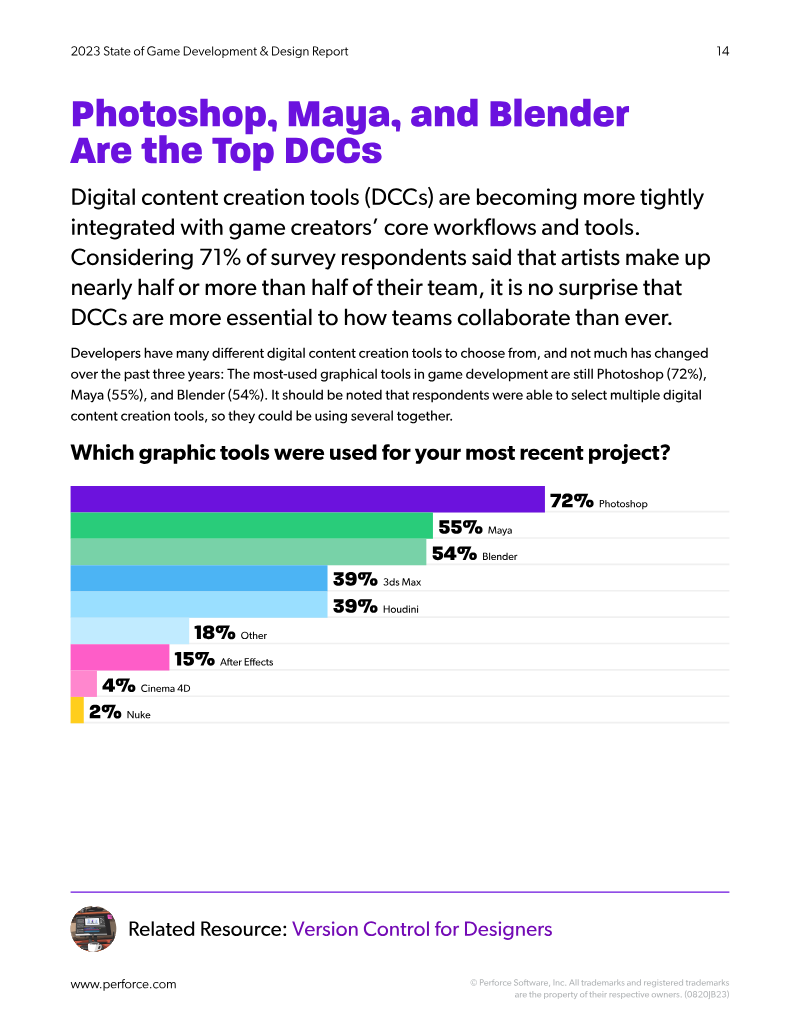
The 2023 State of Game Development & Design Report provides a comprehensive analysis of the current trends, technological preferences, and operational hurdles facing the global gaming industry. Based on an annual survey of creators ranging from indie developers to AAA studios, the findings highlight a significant shift in industry priorities. While funding was previously the primary concern for developers, talent acquisition and retention have emerged as the leading challenge in 2023, cited by 32% of respondents. This labor shortage is compounded by development velocity issues, particularly for AAA studios, where 49% of respondents identify time-related bottlenecks—such as lengthy build times—as their greatest obstacle. The geographic and sectoral scope of the data reveals a consolidation toward established markets and platforms. Despite previous forecasts suggesting a surge in immersive technology, interest in AR and VR has declined sharply, with only 13% of developers currently working on VR projects compared to 28% the previous year. PC remains the dominant platform, utilized by 90% of developers, while 45% of studios now opt for self-publishing, frequently utilizing Steam for distribution. Technologically, the industry shows a clear preference for specific toolsets. Unreal Engine remains the most popular game engine at 57%, while Unity saw a significant drop in usage. Perforce Helix Core has solidified its position as the industry standard for version control, used by 73% of respondents. Looking forward, the report identifies generative AI as the most anticipated technological advancement, with creators expecting it to revolutionize the creative process. Simultaneously, there is a growing industry-wide push for improved work-life balance, reduced "crunch" culture, and a shift away from profit-driven monetization models in favor of original gameplay experiences.

CyberAgent · 2022
Presentation1Q FY2022 Presentation Material: October to December 2021
CyberAgent demonstrated significant financial growth during the first quarter of fiscal year 2022, with consolidated sales reaching 171 billion yen and operating profit increasing nearly threefold to 19.8 billion yen. This performance was primarily catalyzed by the Game business, where sales nearly doubled to 58.3 billion yen. The massive success of Uma Musume Pretty Derby, which surpassed 12 million downloads, drove a 15.1-fold year-over-year increase in operating profit for the segment. Despite this momentum, the inherent volatility of the gaming market led to a cautious approach regarding full-year forecasts. The Media segment, led by the streaming platform ABEMA, achieved 24.9 billion yen in sales but reported an operating loss of 3.8 billion yen. This deficit reflects aggressive reinvestment into the online betting platform WINTICKET and content expansion, including the acquisition of Babel Label and integration with the Nintendo Switch. ABEMA continues to scale its reach, recording over 76 million downloads and 18 million weekly active users. Meanwhile, the Internet Advertisement business achieved record sales, supported by the launch of three new subsidiaries focused on digital transformation. The long-term strategic framework involves utilizing high-margin profits from the Advertising and Game segments to fund the evolution of Media into a primary growth pillar and essential social infrastructure. This vision is underpinned by a corporate purpose focused on overcoming economic stagnation through digital innovation and global expansion. Future growth in the gaming sector is anticipated through a robust pipeline of high-profile intellectual properties, including titles based on Final Fantasy VII and Jujutsu Kaisen, while broader corporate sustainability is managed through integrated ESG initiatives.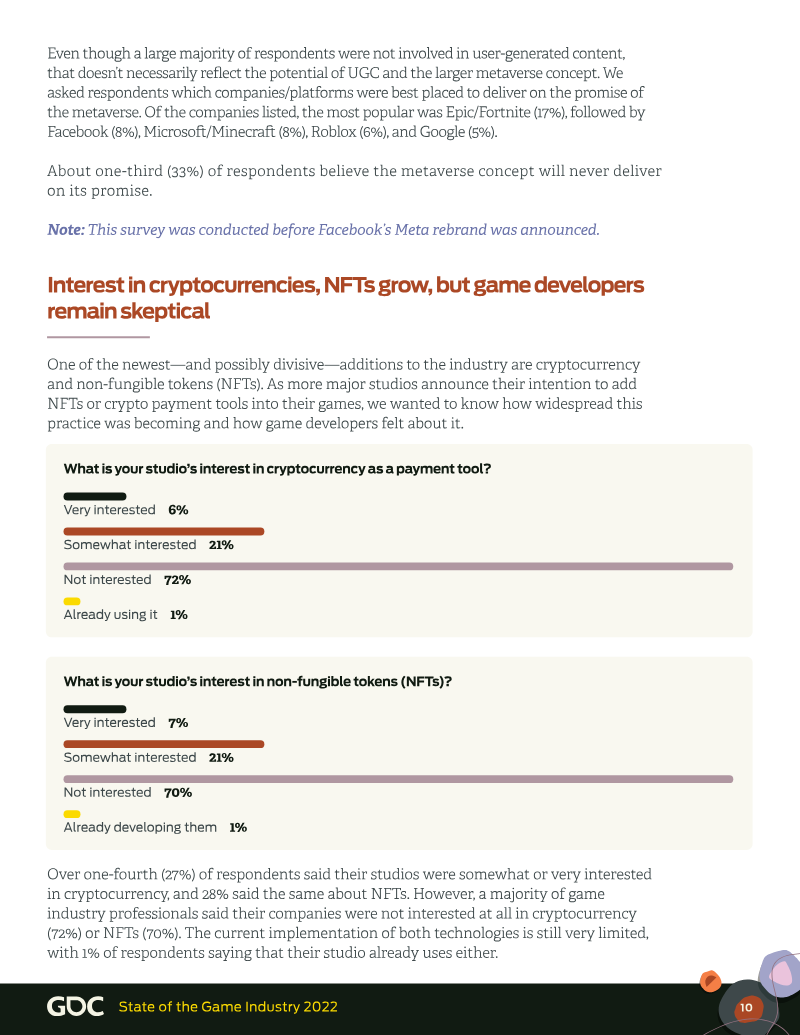

GDC · 2022
ReportState of the Game Industry Report: 2022
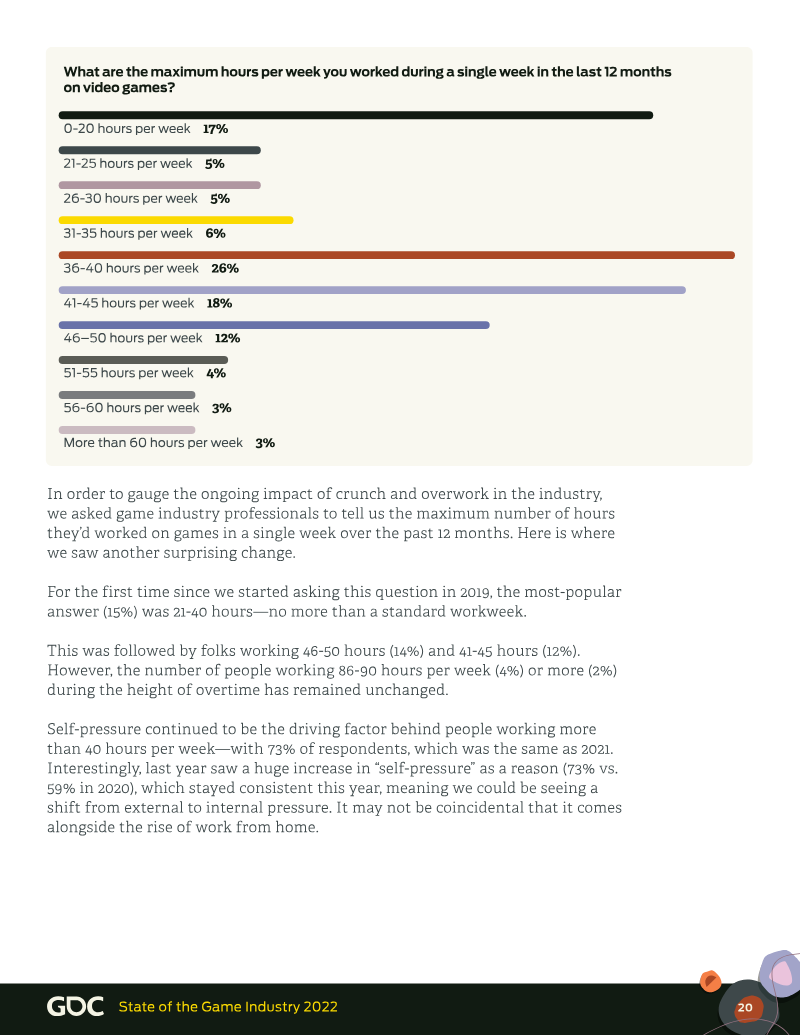
The global game development landscape in 2022 reflects a period of significant structural and cultural transition. PC remains the primary development platform, while the PlayStation 5 maintains its position as the leading console choice. Conversely, mobile development has experienced a decade-long decline in developer interest. Emerging hardware like the Steam Deck and PlayStation VR2 continues to capture attention, yet the industry remains deeply skeptical of speculative technologies such as the metaverse, cryptocurrency, and NFTs. These concerns are rooted in anxieties regarding environmental sustainability, ethical business practices, and the long-term viability of blockchain-based models. Workplace culture and labor dynamics have emerged as central themes, marked by a measurable improvement in work-life balance as 60 percent of developers now maintain a 40-hour work week or less. Despite this progress, the industry struggles with systemic issues, as a majority of studios have failed to adequately address internal reports of misconduct and toxicity. This environment has fueled a growing movement toward collective bargaining, with 55 percent of developers supporting unionization and nearly one-quarter of workplaces engaging in active discussions regarding labor organization. The industry continues to prioritize accessibility, with a record 39 percent of developers integrating inclusive design features into their projects. However, broader efforts toward diversity and social activism remain inconsistent across various studios. Furthermore, the workforce remains predominantly male and early-career, highlighting a demographic imbalance that persists alongside ongoing tensions between developers and major platform holders. As evidenced by the 34 percent of developers who support Epic Games in its legal conflict with Apple, there is a clear desire for greater autonomy and a shift in the power dynamics that currently govern the digital distribution ecosystem.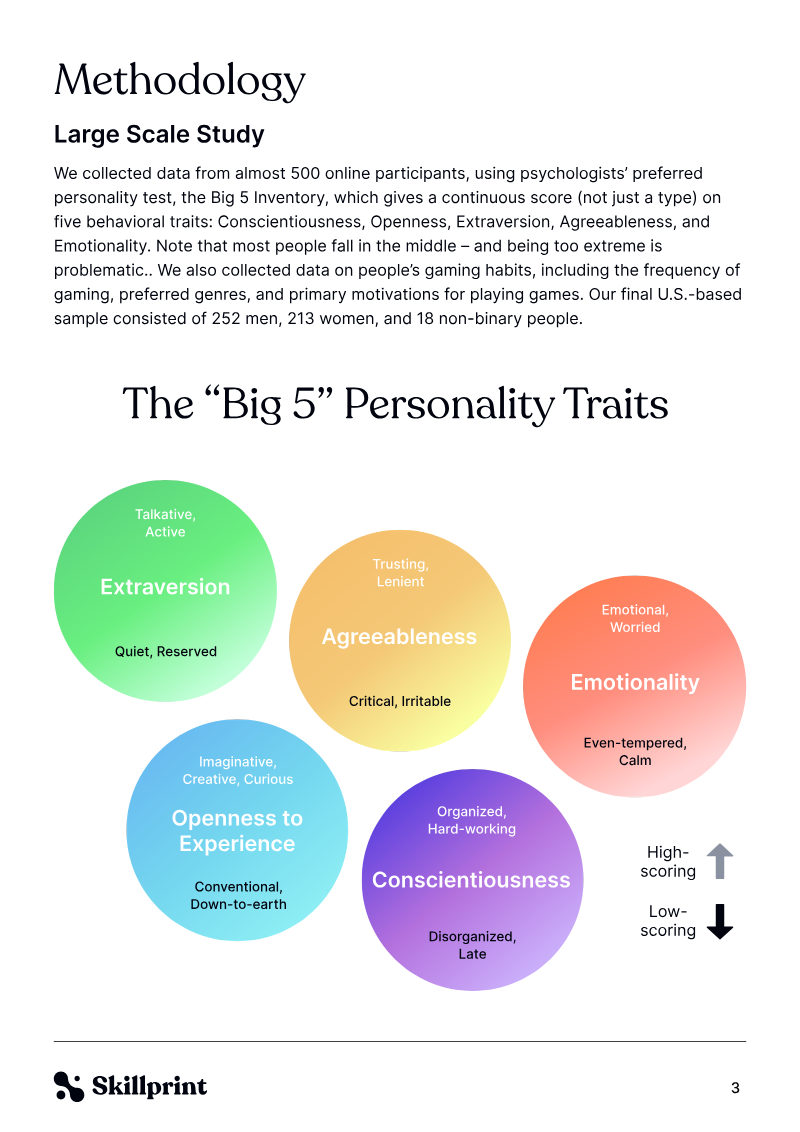
Skillprint · 2022
ReportGames Can Be Good for the Mind: State of Mobile Games – Cognitive and Psychological Benefits
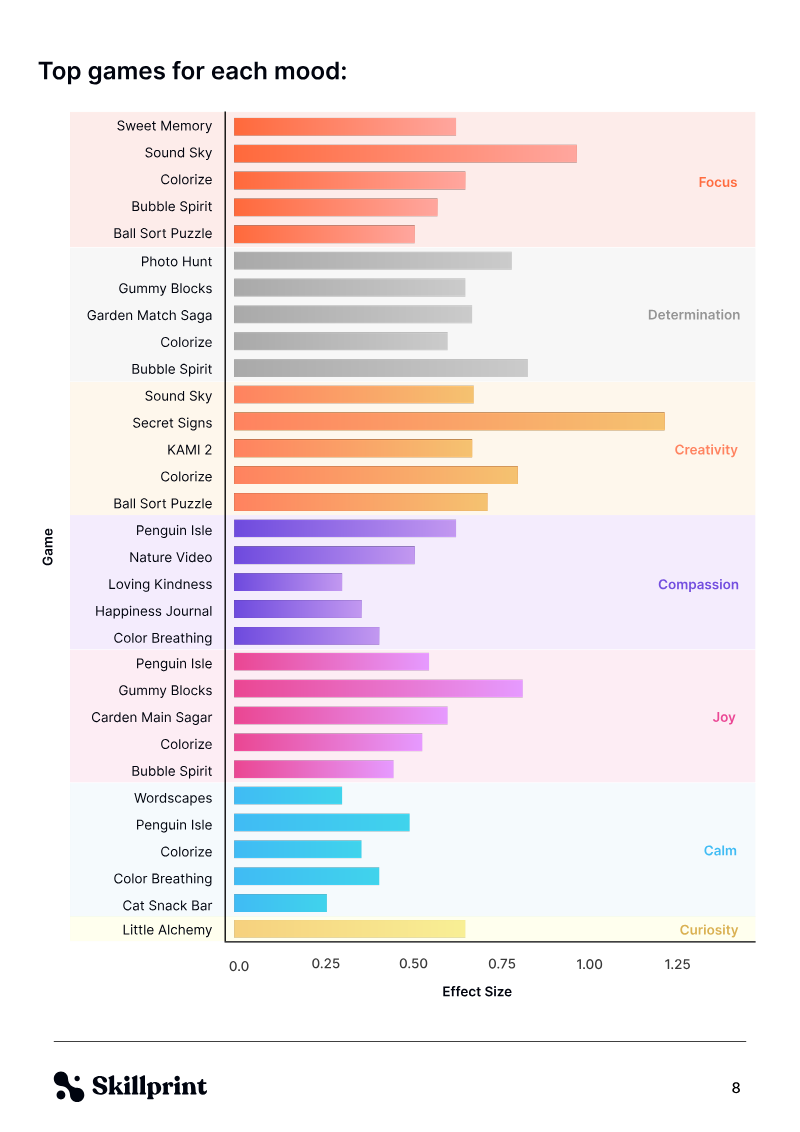
This empirical report by Skillprint examines the cognitive and psychological benefits of mobile gaming, challenging the narrative that gaming is primarily detrimental to mental health. Based on a large-scale study of nearly 500 U.S. participants and 28 individual game impact studies, the research explores the intersection of the Big 5 personality traits, player motivations, and the emotional shifts experienced after gameplay. The methodology utilizes the Big 5 Inventory to assess traits such as Conscientiousness and Emotionality, while measuring mood changes across categories like focus, creativity, and determination using Cohen’s d effect sizes. The findings indicate that mobile games can significantly enhance specific mental states, often outperforming traditional psychological interventions like guided meditation or journaling. For instance, rhythm and puzzle games such as Sound Sky and Colorize showed large effect sizes for improving focus and creativity. The data also reveals that personality traits moderate these benefits; more emotional players tend to prefer word and idle games for relaxation, while open-minded individuals seek immersion and inspiration. Younger players are notably more driven by challenge and focus-oriented gameplay. The report concludes that game developers should prioritize personalization to appeal to diverse personality profiles, such as offering adjustable difficulty levels to satisfy both high-conscientiousness and high-emotionality players. It suggests that health professionals consider mobile games as supplemental tools for treating mood and attention disorders. Ultimately, the research advocates for a nuanced understanding of gaming as a customizable resource for psychological well-being, where specific genres and mechanics—such as timed challenges for focus or sandbox environments for creativity—can be matched to individual user needs.


EUN Partnership AISBL · 2022
Report