ArticleVideo Games Industry Memo
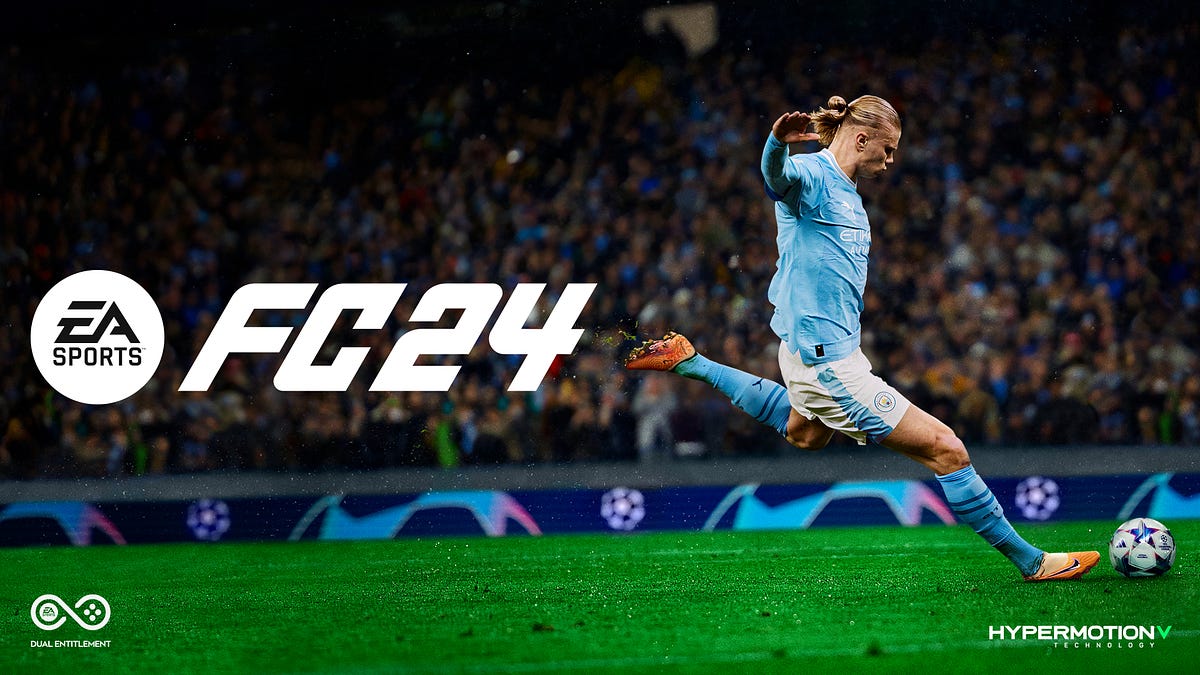
EA Sports FC Sheds FIFA Name: Video Games Industry Memo, 28/09/2023
28 Sept 20231 page~10 min full read
Key insights
6 slides
The breaking point
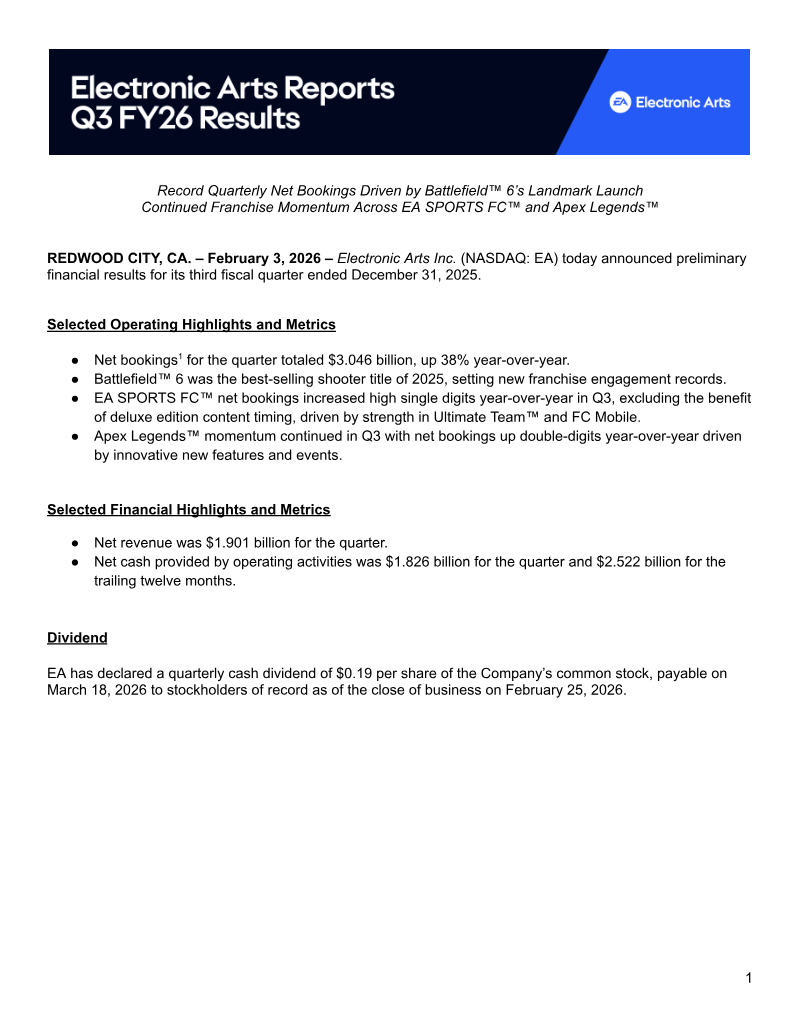
Electronic Arts ended its three-decade FIFA partnership over a $300 million fee increase.
The governing body demanded a reported $300 million increase in licensing fees. Electronic Arts chose to discontinue the license rather than accept the demand.
Brand confidence
Electronic Arts prioritized control over its internal ecosystem and Ultimate Team mode.
It maintains full control over the game’s ecosystem, particularly its lucrative Ultimate Team mode.
Weakened partner
FIFA’s brand value suffered from high-profile corruption scandals and mismanagement.
The governing body’s brand value was negatively impacted by high-profile corruption scandals and mismanagement.
Industry shift
Major publishers no longer view external IP holders as essential for market dominance.
The transition signals a shift in industry power dynamics. Major publishers now possess the leverage to dictate terms to external organizations as the global games economy matures.
New reality
External organizations must adopt realistic financial expectations to align with current power.
Gaming companies have matured to the point that they no longer rely on external branding for commercial success. Brands and governing bodies seeking partnerships must now engage constructively and realistically.
Past dominance
The FIFA license provided essential credibility that helped the series dominate the market.
Historically, the FIFA license helped the series dominate the market throughout the 1990s and 2000s. However, the relationship became increasingly one-sided as Electronic Arts expanded its own licensing portfolio.
1 / 6
Ask AI about this report