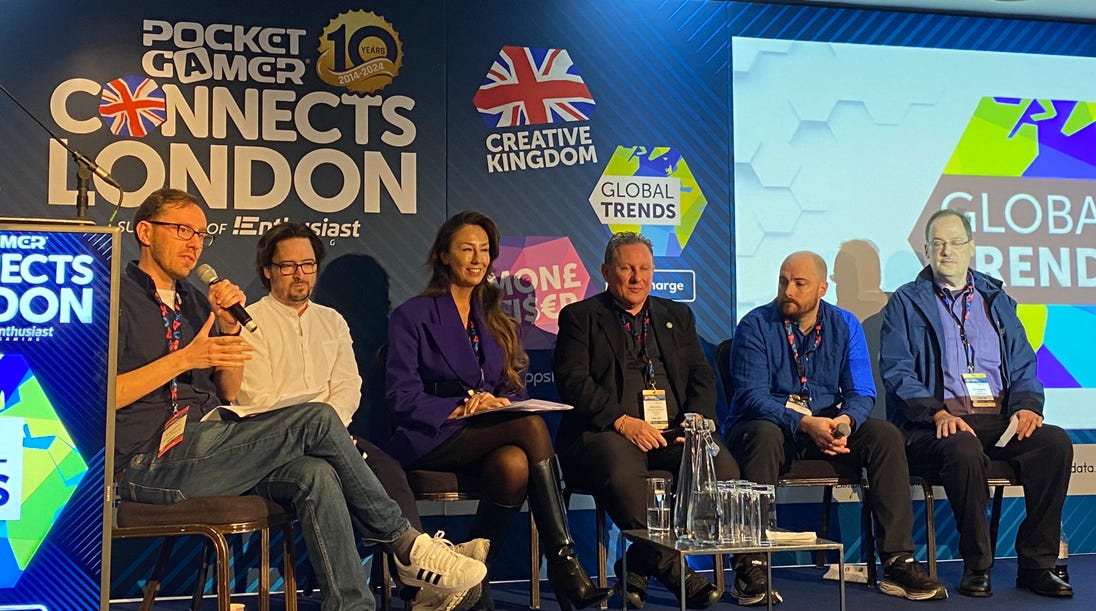
BAFTA is undergoing a strategic evolution to strengthen its relationship with the video games industry, moving away from a historically detached partnership toward a more integrated and supportive role. The primary thesis is that by professionalizing its games-specific programming and fostering a dedicated community, the organization can provide the medium with necessary cultural validation while better serving the needs of its industry members.
Key initiatives driving this shift include the appointment of a dedicated Head of Games in 2021 and the introduction of the BAFTA Connect membership tier, which has successfully attracted younger creative talent. Operational changes to the BAFTA Games Awards, such as the inaugural publication of a full longlist in December 2023, have provided significant benefits. This move aligns the awards with film and television standards, offers developers valuable marketing validation during peak buying periods, and provides jurors with an extended timeframe to evaluate complex, long-form titles. Furthermore, the organization has increased its focus on community-building through networking initiatives and events addressing industry-specific challenges, such as career sustainability amid recent sector-wide redundancies.
The scope of this transformation is primarily focused on the UK games industry, though it carries implications for the global perception of the medium. Methodology for these insights includes qualitative interviews with BAFTA leadership and quantitative data from a YouGov survey of over 2,000 British consumers, which indicated that 34% of 18-to-34-year-olds are more likely to purchase or play games recognized by BAFTA. While the organization maintains that it is not a trade association, these efforts represent a concerted attempt to build trust and soft power, positioning BAFTA as a critical partner in helping the games industry navigate cultural prejudices and secure long-term institutional credibility.
The closure of PlayStation’s London Studio, announced on February 29, 2024, serves as a primary case study for the broader restructuring currently impacting the global video game industry. As part of a wider initiative by Sony Interactive Entertainment to reduce its global headcount by 900 employees—approximately 8% of its workforce—the decision to shutter the London-based developer reflects a strategic pivot away from traditional hardware-peripheral development toward a focus on mobile and PC platforms.
The studio’s closure is attributed to three primary factors: the necessity for cost-cutting following missed PS5 sales targets and a 26% decline in quarterly operating profit, the underperformance of virtual reality as a commercial category, and a fundamental shift in Sony’s development priorities. While London Studio was historically recognized for its innovation in creative experiences for peripheral devices, such as EyeToy and various VR titles, these strengths were deemed incompatible with the company’s new resource-intensive requirements for multi-platform distribution.
This event is situated within a wider trend of industry-wide layoffs, which have seen approximately 8,000 job losses in the first two months of 2024 alone. The analysis suggests that the industry is struggling to recover from the post-pandemic investment bubble, compounded by the delay of anticipated hardware releases like the successor to the Nintendo Switch. Despite the potential for a stronger 2025, the current environment is characterized by declining morale and a difficult economic landscape. The closure of London Studio, a long-standing fixture in the UK games sector, underscores the volatility of the current market as major publishers aggressively reallocate resources to ensure long-term sustainability.
The video games industry is witnessing a strategic shift toward "investing for influence" rather than traditional internal development or full-scale acquisitions. This trend is exemplified by Disney’s $1.5 billion investment in Epic Games, which secures the entertainment giant a stake in a major digital ecosystem without the operational burden of managing a dedicated games division. By acquiring a minority interest, Disney gains a seat at the table and creative influence over a platform that serves as a virtual theme park, effectively outsourcing the technical and operational complexities of game development to established experts.
This approach reflects a broader industry evolution where major media and technology companies seek to navigate the "walled gardens" of dominant gaming platforms. The strategy allows investors to maintain a presence in the sector, capture audience engagement, and influence creative direction through partnership rather than ownership. This model mirrors the tactics of other significant market players, such as Tencent, which utilizes a network of minority stakes to foster industry connections and advance its broader corporate agenda, and various nation-states that leverage investments in major publishers to gain access to key decision-makers and influence the sector’s trajectory.
The analysis highlights that while these investments are often driven by commercial goals, they carry significant implications for industry power dynamics. As digital worlds become increasingly central to global entertainment, the influence exerted by institutional and state-backed investors over the curators of these spaces is expected to grow. This shift underscores a move away from the high-risk, high-cost model of in-house game production toward a more flexible, influence-based strategy that prioritizes strategic positioning within the most successful gaming ecosystems.
The recent industry discourse surrounding Microsoft’s potential shift toward releasing Xbox-exclusive titles on competing platforms, such as the PlayStation 5 and Nintendo Switch, reflects a broader, long-term strategic evolution rather than a decline of the Xbox brand. This transition is driven by the necessity to maximize market reach and financial returns for the gaming division, which has become a critical pillar of Microsoft’s $3 trillion corporate structure. Following the $69 billion acquisition of Activision Blizzard King, gaming revenue reached $7.11 billion in the second quarter of 2024, marking a 61% increase and establishing gaming as a higher revenue contributor than the Windows division.
The core strategy involves transforming Xbox into a platform-agnostic service that delivers content across consoles, PC, and mobile devices. By leveraging the Game Pass subscription model, Microsoft aims to create a unified ecosystem that integrates its first-party library with third-party partnerships, effectively serving players regardless of their chosen hardware. While the company remains committed to its own console hardware, with mid-generation updates and a new release planned for 2028, the overarching goal is to dismantle the traditional, hardware-dependent "console war" model.
This approach faces significant challenges, including hostility from competitors like Sony and restrictive mobile app store policies, such as Apple’s "Core Technology Fee." Despite these hurdles, the move to bring exclusives to rival platforms is a calculated effort to expand the user base and increase the perceived value of the Game Pass subscription. By positioning itself as a cross-platform service provider, Microsoft is attempting to secure a sustainable, multi-billion-dollar annual revenue stream while navigating the complexities of modern digital storefronts and regulatory scrutiny.
The primary objective of this analysis is to examine the strategies employed by Roblox to foster digital civility within its platform, moving beyond basic moderation tools to cultivate a positive, sustainable online culture. The central thesis posits that while technological safeguards are essential, they are insufficient on their own; true digital safety requires a holistic approach that integrates interpersonal skill-building, community engagement, and educational initiatives to manage the complexities of human interaction at scale.
The analysis highlights that Roblox’s approach relies on a multi-layered framework. While the platform utilizes machine learning and standard user-led functions like muting and blocking, these are categorized as foundational requirements rather than comprehensive solutions. Instead, the company emphasizes "digital civility"—the development of user resilience, communication skills, and an understanding of appropriate online conduct. This strategy includes nudging users toward positive behavior, providing resources for educators and parents, and creating rehabilitation pathways for users who commit minor infractions.
The scope of this effort is significant, given Roblox’s massive scale, which includes 70 million daily active users. The methodology for this assessment is based on expert interviews, specifically with Laura Higgins, Senior Director of Community Safety and Digital Civility at Roblox, alongside industry observations regarding the intersection of mental health, toxic gaming communities, and regulatory compliance.
Ultimately, the analysis concludes that while digital civility cannot entirely eradicate risks or illegal activity, it provides a necessary framework for navigating the inherent messiness of online social spaces. The findings suggest that a balance between industry-led cultural initiatives and government regulation is required, as neither can independently solve the challenges of maintaining safety in a global, diverse, and rapidly evolving digital environment.
The January 2024 Pocket Gamer Connects conference in London served as a bellwether for the global video games industry, highlighting a sector transitioning from the rapid growth of the pandemic era toward a more mature, albeit fragmented, state. The primary thesis suggests that the industry is currently navigating a period of reconstruction rather than immediate rebirth, characterized by a cautious "survive to '25" mentality as companies grapple with the lingering economic pressures of 2023, including inflation, high development costs, and reduced investor appetite.
Key findings from the event emphasize three major trends. First, the industry is experiencing a persistent hangover from previous years of over-exuberance, leading to ongoing layoffs and a more sober approach to business operations. Second, there is a strategic shift toward blurring boundaries, both between gaming platforms—with a record 15 of the top 100 grossing games now operating as cross-platform titles—and between developers and players. This is increasingly driven by the rise of user-generated content platforms like Roblox and Fortnite, as well as the strategic importance of social media discovery engines like TikTok.
Finally, the industry is demonstrating a newfound focus on regulation. Unlike previous years, where legal compliance was often treated as a secondary concern, there is now widespread awareness that policy, competition law, and online safety rules are mission-critical to long-term viability. The analysis concludes that while the industry faces significant structural challenges, this increased focus on maturity and regulatory awareness may ultimately foster a more sustainable and professionalized culture for the future. The insights are derived from industry observations, panel discussions, and market data presented during the conference.
The Video Games Industry Memo functions as a specialized weekly newsletter designed to provide high-level analysis of the power dynamics, political landscapes, and business developments shaping the global gaming sector. Its primary thesis is that the video game industry requires a dedicated, accessible, and authoritative source of information to help professionals navigate the complex intersection of commerce, policy, and media. By synthesizing industry news into a concise format, the publication aims to serve as an essential executive summary for stakeholders ranging from corporate leaders and investors to regulators and policymakers.
The scope of the publication is international, covering the global games industry through a lens that balances serious analytical rigor with an accessible, engaging tone. Each weekly edition, delivered on Thursday mornings, includes a deep-dive feature on a specific industry trend, summaries of five critical news stories, updates on executive job movements, a curated list of upcoming industry events, and analysis of three significant game releases. This structured approach is intended to provide a comprehensive overview of the sector’s agenda in a format that can be consumed in approximately 15 minutes.
Beyond its core editorial content, the platform offers a tiered subscription model, including a paid "Insider" service that provides additional monthly perks and exclusive insights. The publication positions itself as a vital resource for those who influence the industry, with a readership base that includes trade association leaders, legal professionals, and journalists. By focusing on the underlying forces that drive the sector, the newsletter seeks to demystify the business of games while maintaining a professional standard that has garnered recognition from various industry and media figures.
George Osborn serves as the editor of the Video Games Industry Memo, a publication focused on the intersection of the gaming sector, business strategy, and political influence. With nearly 15 years of experience in the industry, Osborn has established a career spanning journalism, strategic consulting, and trade association leadership, including a tenure as the Head of Campaigns and Communications at Ukie. His professional background provides the foundation for his current role as a subject matter expert on the commercial and regulatory dynamics of the global video game market.
The scope of his work encompasses the broader gaming ecosystem, with a specific emphasis on how governments, regulators, and NGOs interact with the industry. Through his consultancy, Half-Space Consulting, he advises various stakeholders on navigating the complexities of the sector. His expertise is frequently sought by major international media outlets, including the BBC, Bloomberg, and The New York Times, to provide analysis on industry developments and political trends.
Beyond his editorial and consulting work, Osborn is the author of a forthcoming book, Power Play: Video Games, Politics, And The Global Battle for Influence. This work examines the evolution of video games as a medium for political messaging and international influence. He remains active in the professional community by offering services in public speaking, media commentary, and corporate communications strategy, positioning himself as a bridge between the gaming industry and the public policy sphere.
The video game industry, particularly within the realm of high-profile role-playing games, relies heavily on the collaborative relationship between developers and performance directors to achieve critical acclaim. A primary thesis is that the exceptional voice acting in Baldur’s Gate 3 was a direct result of a supportive, collaborative culture fostered by Larian Studios and PitStop Productions. By prioritizing open communication and granting creative freedom to performers, the production team enabled actors to deliver nuanced, memorable performances that resonated with players and industry critics alike.
Key findings emphasize that the role of a performance director acts as a vital bridge between the developer’s creative vision and the actor’s interpretation. Successful performance direction requires early involvement in the development process, clear communication of project goals, and the creation of an environment where actors feel empowered to experiment. The analysis highlights that when developers trust professionals to execute their craft, the resulting performances significantly enhance the player's connection to the game’s narrative and characters.
The scope of this analysis covers the production practices behind Baldur’s Gate 3, reflecting on the broader video game industry’s approach to performance and voice acting. The methodology relies on qualitative insights provided by Tilly Steele, a voice and performance director at PitStop Productions, who offers a practitioner’s perspective on the challenges and successes of the project. Beyond the specific case study of Baldur’s Gate 3, the analysis serves as a professional guide for developers and aspiring directors, advocating for early collaboration and a passion-driven approach to game production. The findings underscore that while every project requires a unique strategy, the fundamental principles of trust, open dialogue, and creative autonomy remain essential for delivering industry-leading performances.
Extremist organizations are increasingly leveraging the social ecosystems of video games to facilitate recruitment, radicalization, and the dissemination of violent propaganda. By infiltrating gaming subcultures and utilizing in-game communication channels, these actors identify and groom potential sympathizers, often transitioning them from minor instances of hate speech toward more extreme ideologies and real-world violence. This strategic exploitation of gaming infrastructure, including platforms like Discord and Roblox, has been linked to high-profile incidents of mass violence, highlighting a critical security vulnerability within digital gaming spaces.
The primary objective of addressing this threat is to shift the industry toward a proactive, collaborative model of community management. Rather than viewing games as the root cause of radicalization, the focus remains on mitigating the influence of bad actors through enhanced safety measures and the cultivation of inclusive environments. By fostering industry-wide cooperation, sharing best practices, and implementing robust self-regulation, stakeholders can effectively disrupt the pathways used by extremists to exploit these platforms.
This analysis underscores an urgent need for the gaming industry to recognize its role in preventing the normalization of extremist rhetoric. The scope of this challenge spans global gaming networks and digital communication platforms, necessitating a comprehensive approach to moderation that balances user freedom with public safety. Ultimately, the industry must prioritize the development of resilient community standards to disarm toxic spaces and prevent the further weaponization of gaming environments by radical groups.
The video games industry is entering a critical transitional phase in 2024, characterized by a shift away from the chaotic, high-volume release cycles of the previous year toward a period of strategic recalibration. While the initial release calendar appears relatively sparse compared to the "triple-A" saturation of 2023, this lull is expected to provide necessary breathing room for independent developers and mid-level publishers. Furthermore, the industry is bracing for significant hardware developments, most notably the anticipated launch of a successor to the Nintendo Switch, which is expected to catalyze market activity and set the trajectory for the remainder of the decade.
The sector continues to grapple with the lingering financial impacts of the pandemic, including inflationary pressures and a more cautious investment climate. Although the industry experienced significant workforce reductions in 2023, the move toward the mid-point of the current console generation is expected to drive new development cycles, potentially stabilizing employment as companies begin preparing for future hardware iterations. Investment capital is becoming more discerning, favoring core business models over speculative ventures in areas like Web3, while service-based games are positioned to consolidate their market share.
Regulatory and political landscapes present additional challenges, with new online safety and competition laws—such as the EU’s Digital Services Act and the UK’s Online Safety Act—imposing stricter compliance requirements on developers. Global elections in the US, UK, and Europe add a layer of political uncertainty, though most policy frameworks are expected to remain stable. Ultimately, 2024 serves as a pivotal year for the industry to move past the post-pandemic reset, allowing for a more sustainable, balanced approach to growth and development as it prepares for the high-profile releases and hardware shifts anticipated for 2025.
The final 2023 installment of the Video Games Industry Memo serves as a curated retrospective, shifting focus away from major AAA blockbusters to highlight notable, smaller-scale titles that defined the year for industry professionals. By aggregating personal recommendations from various contributors, the publication aims to showcase the diversity and creative breadth of the independent and mid-tier gaming landscape.
The selection features eight distinct titles, each praised for unique mechanics, narrative depth, or thematic resonance. Featured games include the rogue-lite city builder Against the Storm, the puzzle-focused Storyteller, the genre-bending Humanity, and the multifaceted fishing and restaurant simulation Dave the Diver. Other highlighted experiences include the atmospheric puzzle game Cocoon, the narrative-driven musical Stray Gods: The Roleplaying Musical, the asymmetrical horror title The Texas Chain Saw Massacre, the environmentally conscious Loddlenaut, and the culturally poignant cooking narrative Venba.
These recommendations emphasize the value of innovation and specialized design in a market often dominated by large-scale productions. The contributors, representing various sectors of the gaming industry, highlight how these titles offer accessible, high-quality experiences that cater to diverse player interests, ranging from cozy, environmentally themed gameplay to complex, narrative-heavy challenges. The collection functions as a qualitative survey of 2023’s "unsung" gaming highlights, providing a snapshot of the titles that resonated most strongly with industry insiders during the calendar year.