
Japanese Association for Role-Playing Game Studies (JARPS)
Open-access journal of the Japanese Association for Role-Playing Game Studies on role-playing games, larp and game-based learning.
Documents
Gamebooks and the Materiality of Reading
Gamebooks occupy a distinct niche in interactive media, defined by the interplay between branching narrative structures and the physical constraints of the printed page.
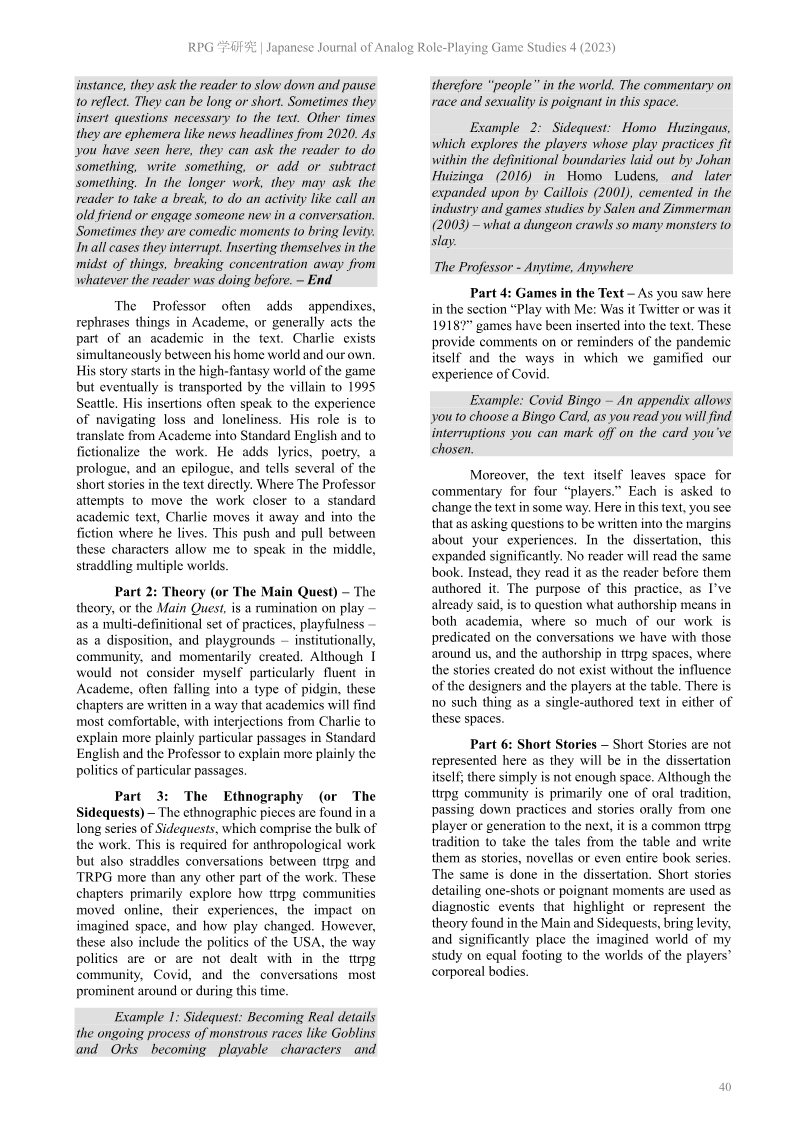
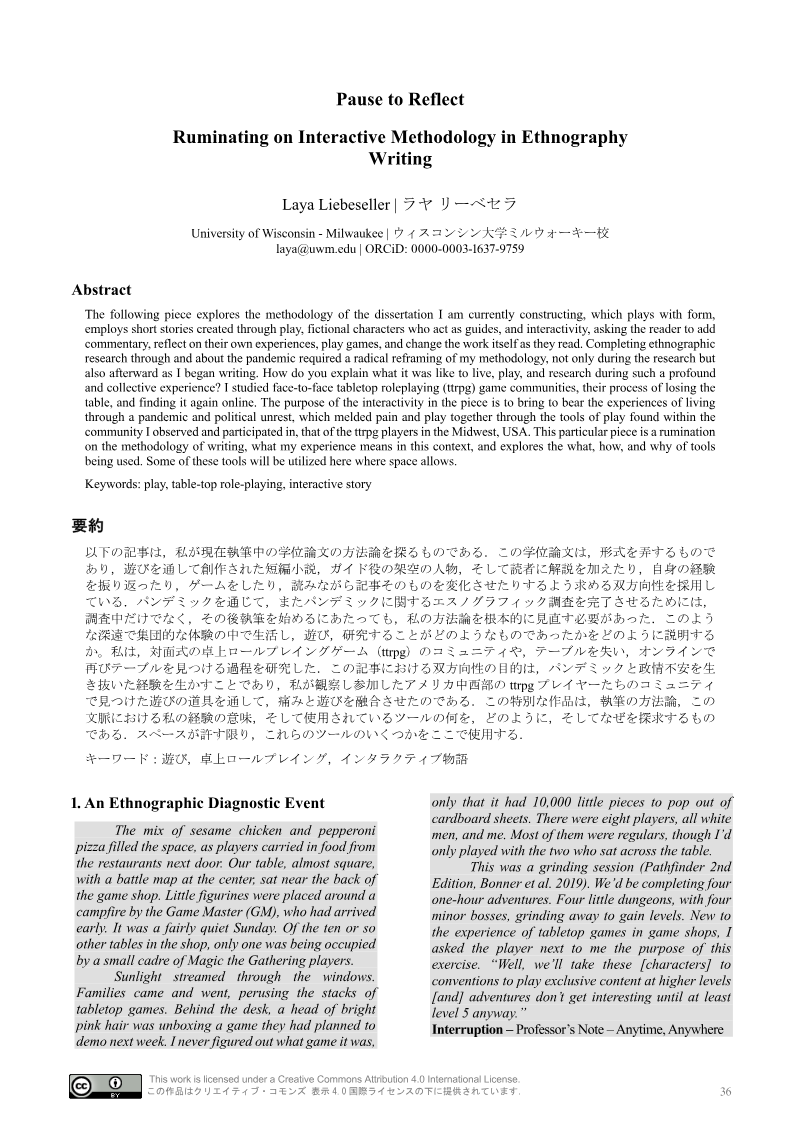
Pause to Reflect: Ruminating on Interactive Methodology in Ethnography Writing
Tabletop role-playing game communities in the American Midwest underwent a significant transformation during the COVID-19 pandemic, shifting from physical gatherings to digital environments amidst broader social and political instability.
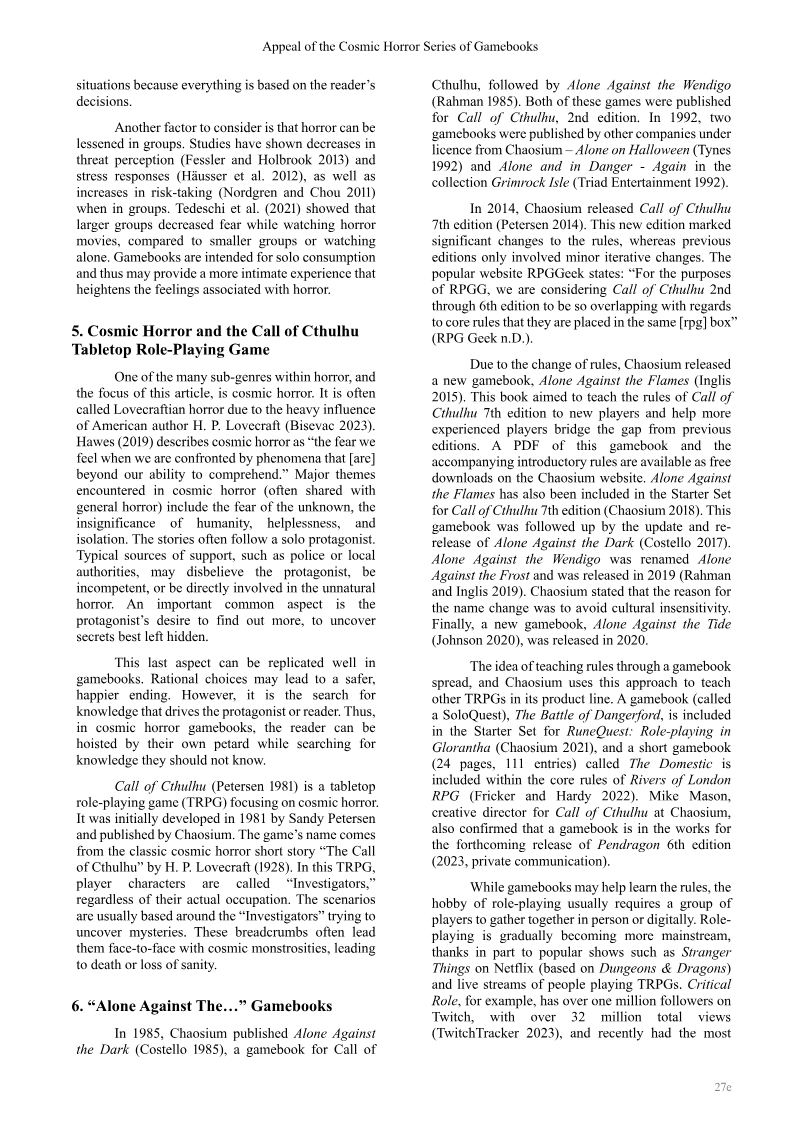
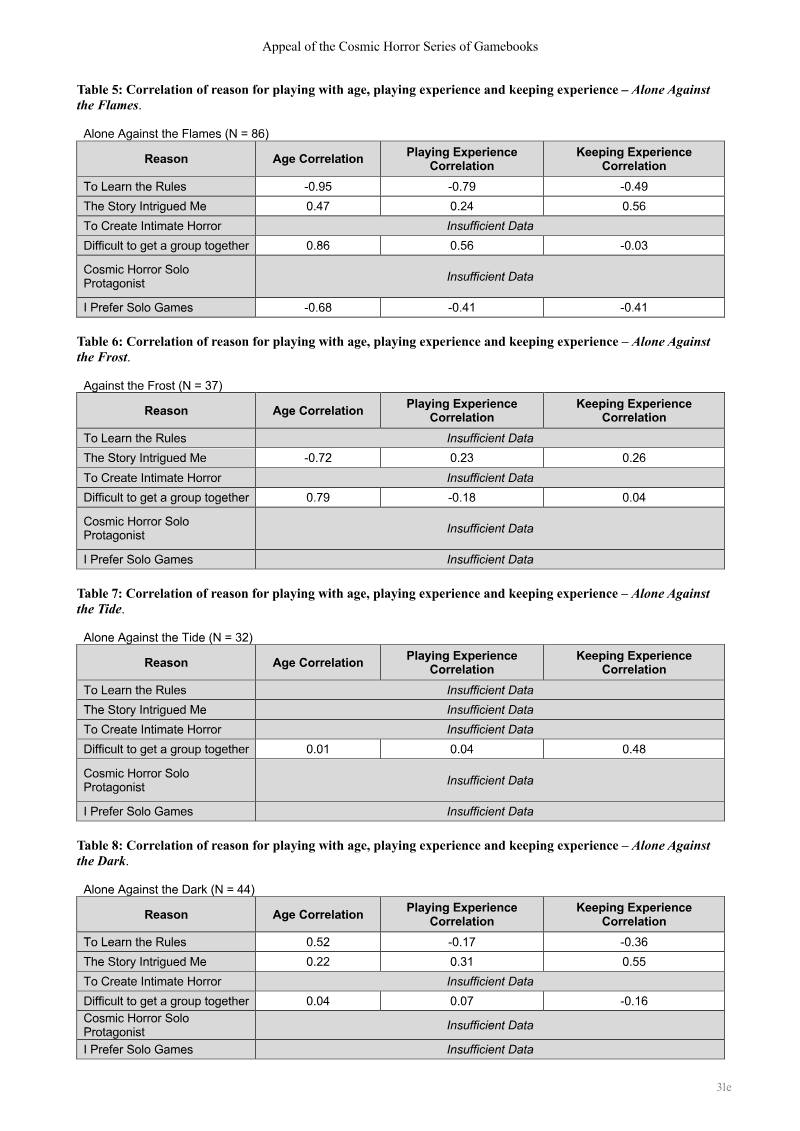
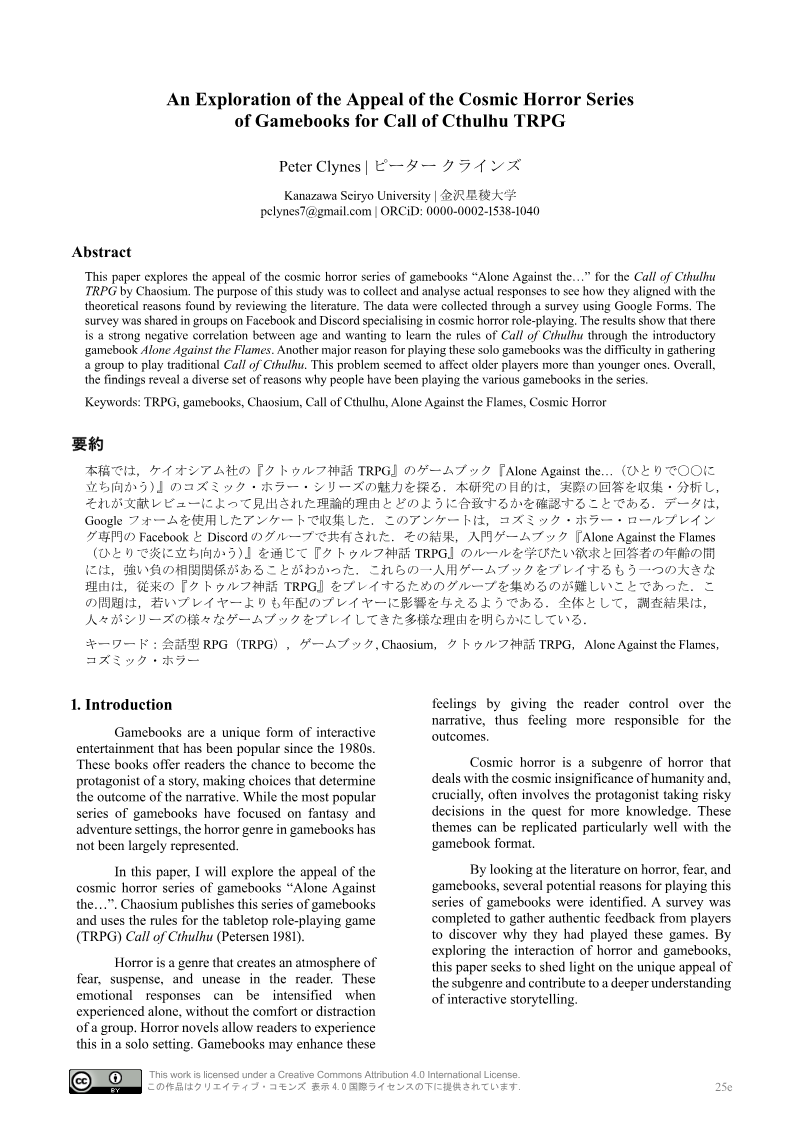
An Exploration of the Appeal of the Cosmic Horror Series of Gamebooks for Call of Cthulhu TRPG
The Alone Against the… gamebook series serves as a critical bridge between traditional tabletop roleplaying and solo engagement within the Call of Cthulhu ecosystem.
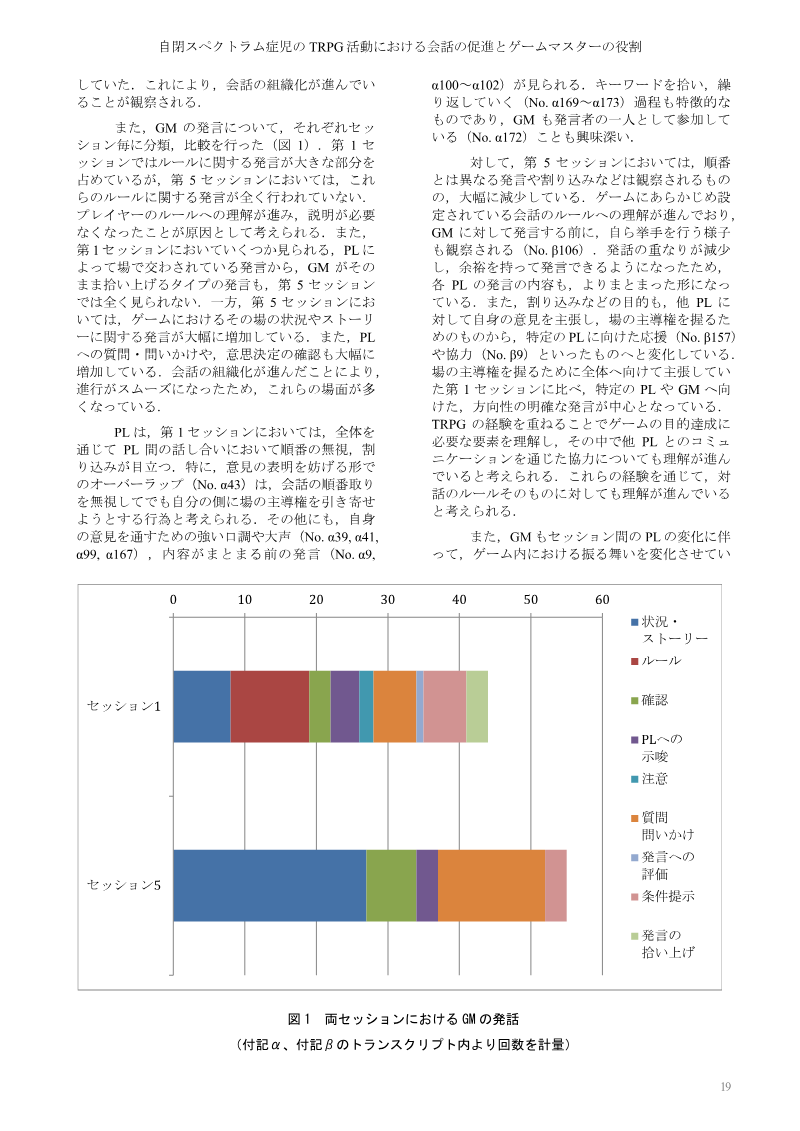
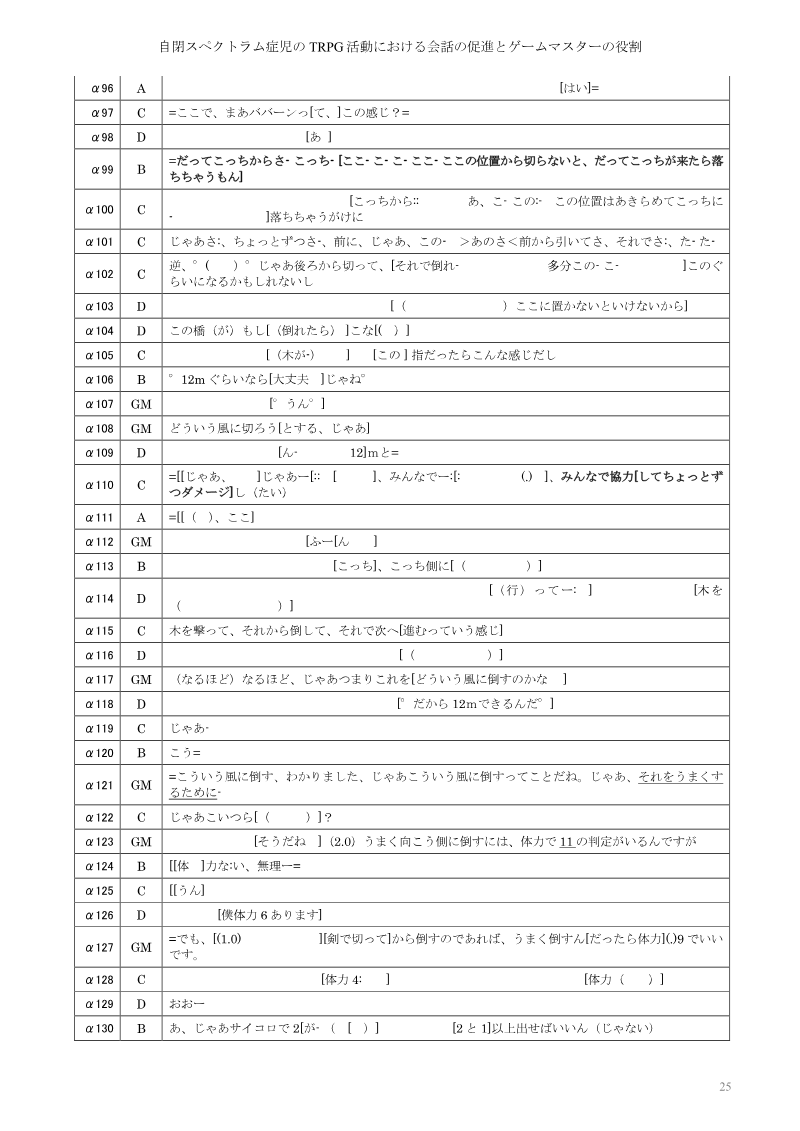
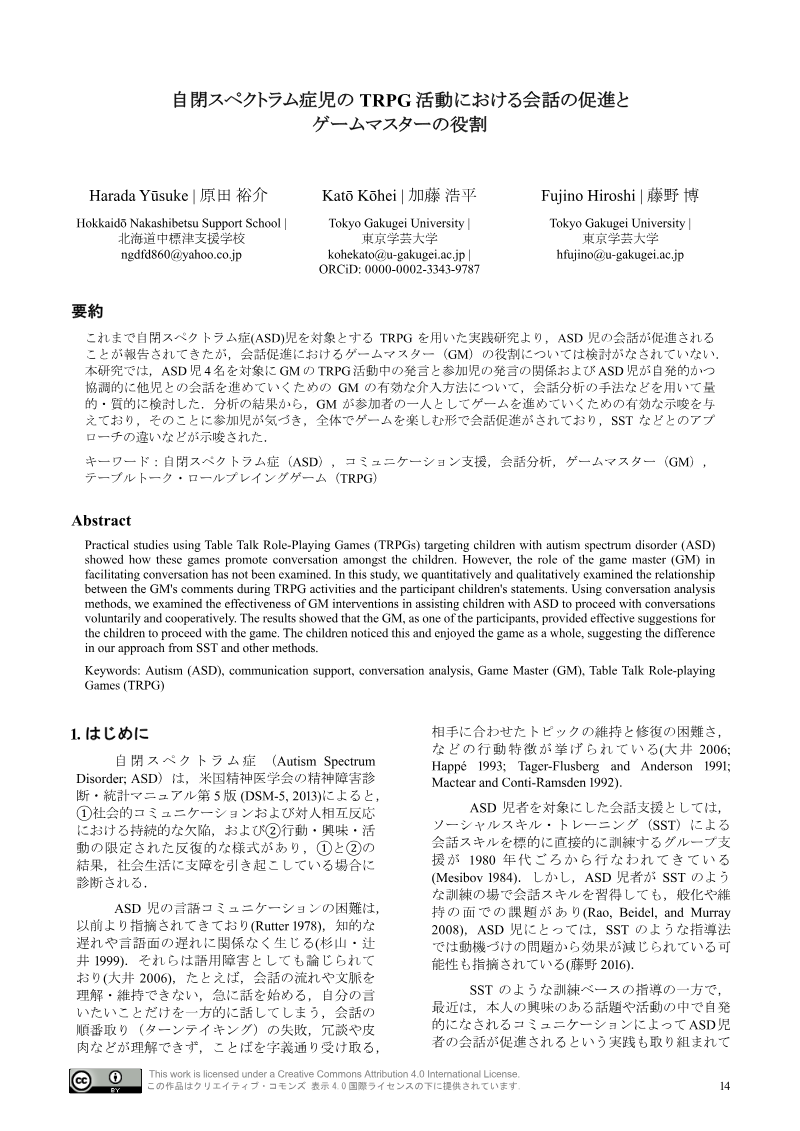
Facilitating Conversation and the Role of the Game Master in TRPG Activities for Children on the Autism Spectrum
This study investigates the role of the Game Master (GM) in facilitating communication among children with Autism Spectrum Disorder (ASD) during Table Talk Role-Playing Game (TRPG) sessions.
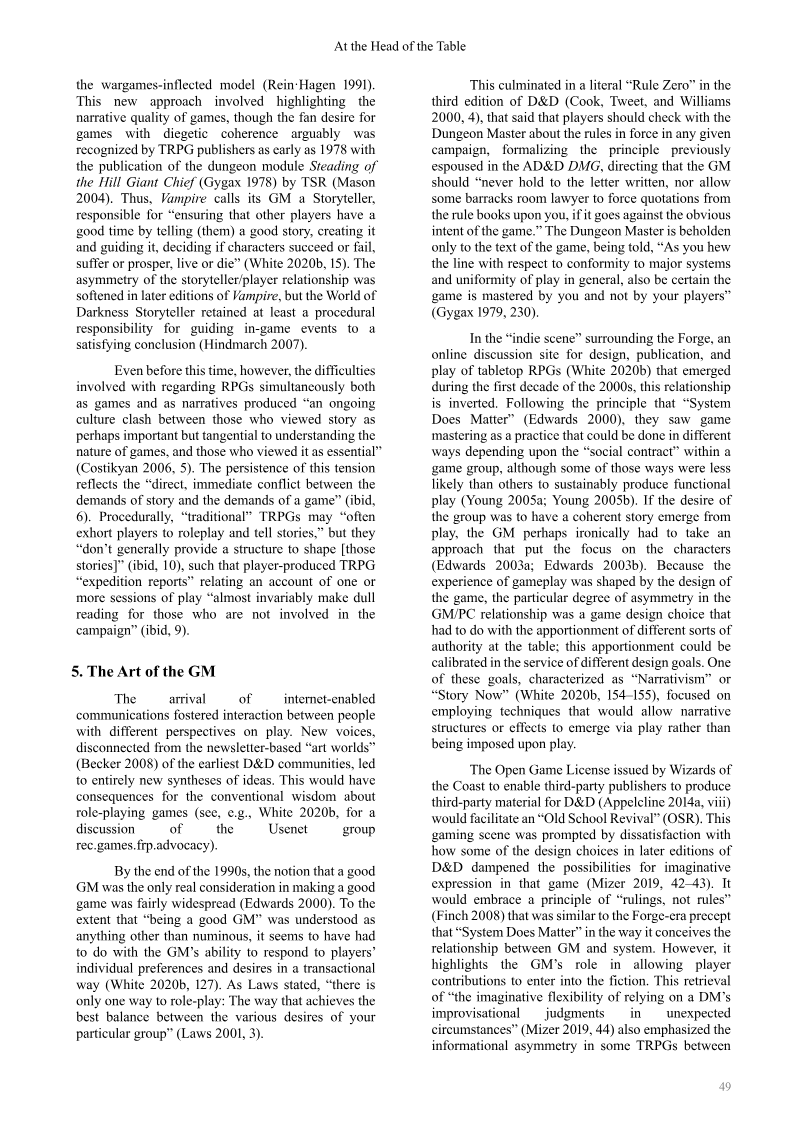
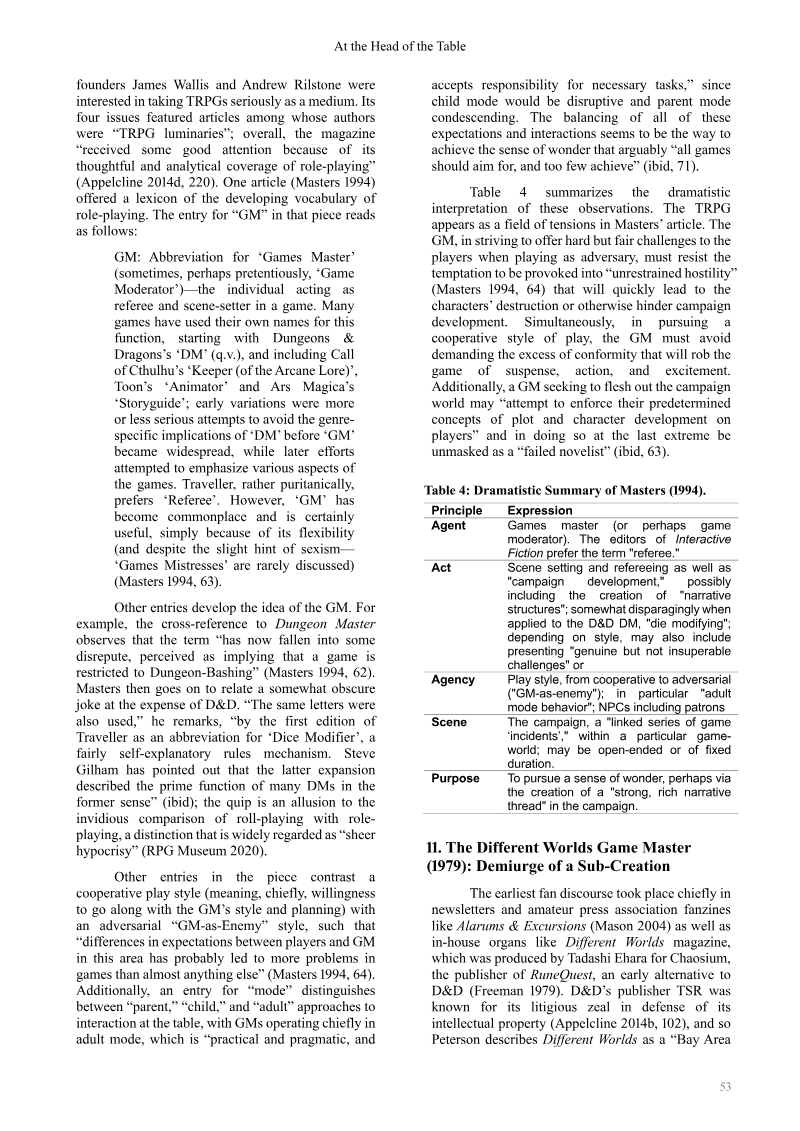
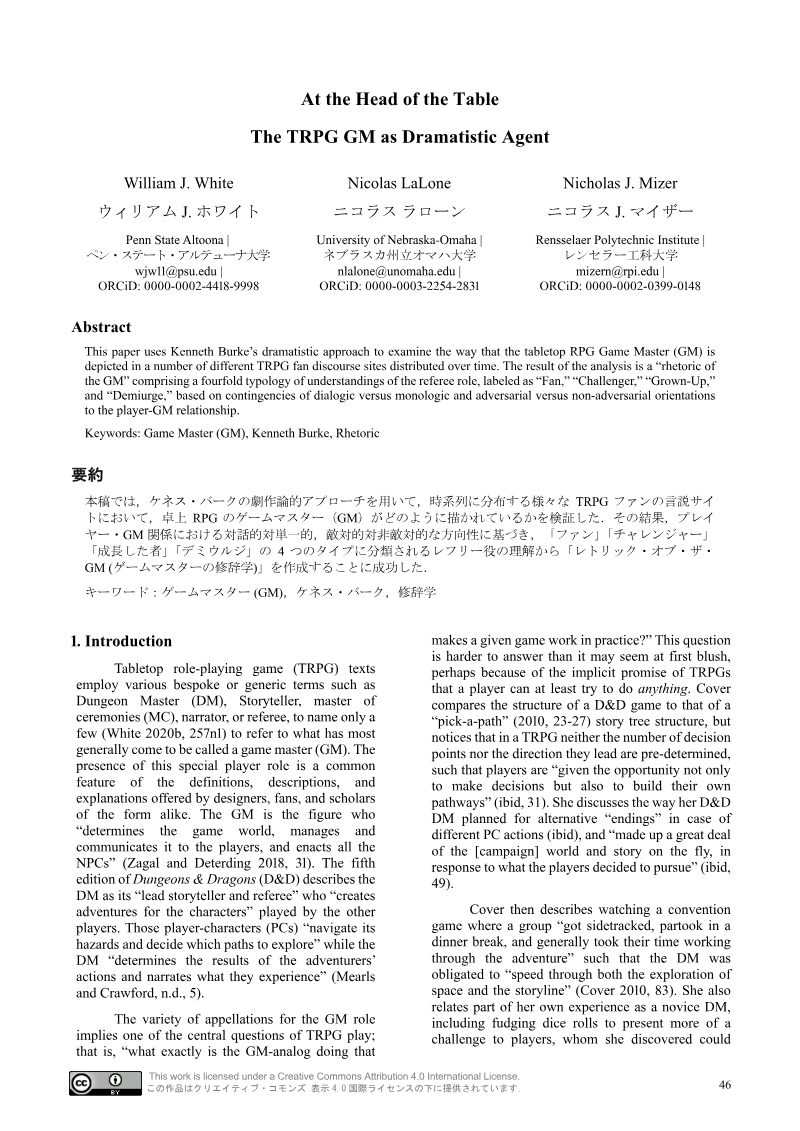
At the Head of the Table: The TRPG GM as Dramatistic Agent
The role of the Tabletop Role-Playing Game (TRPG) Game Master functions as a complex dramatistic agent, shaped by evolving rhetorical frameworks and shifting design philosophies.
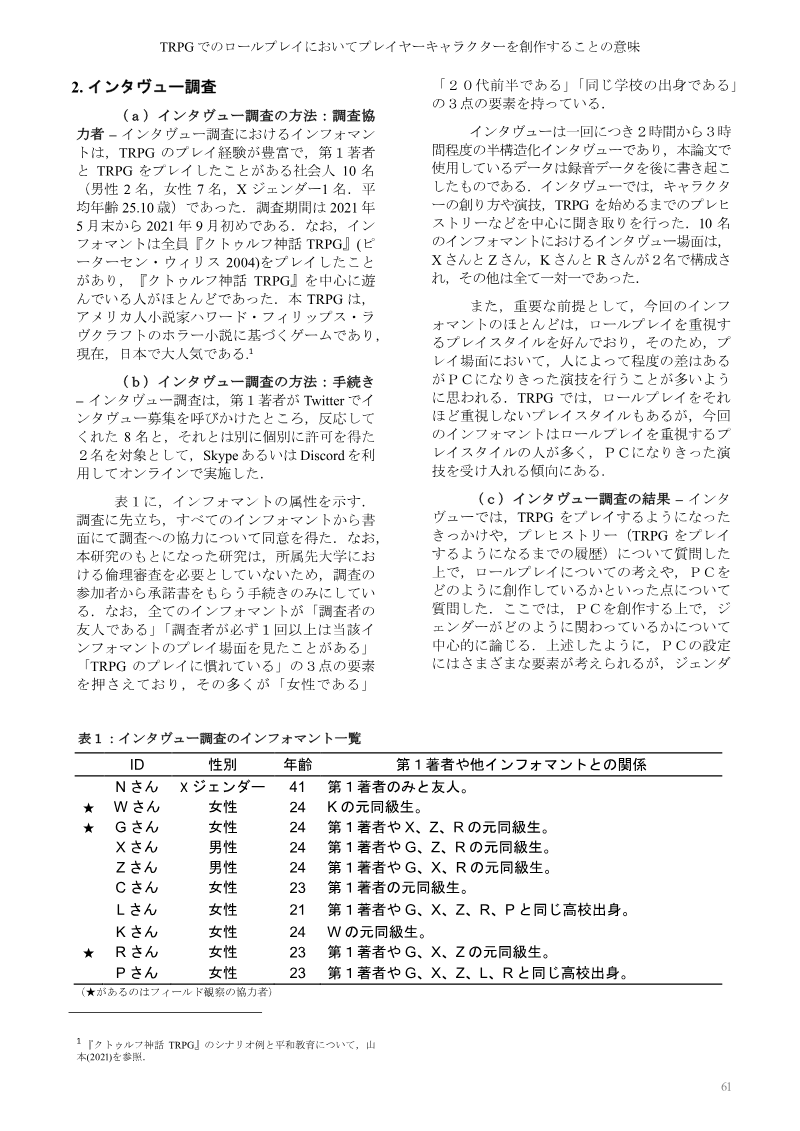
The Meaning of Creating Player Characters in TRPGs: Focusing on Gender and History Settings
This study explores the psychological and social significance of player character (PC) creation in tabletop role-playing games (TRPGs), focusing specifically on how gender performance and the use of long-term, recurring characters shape the player experience.
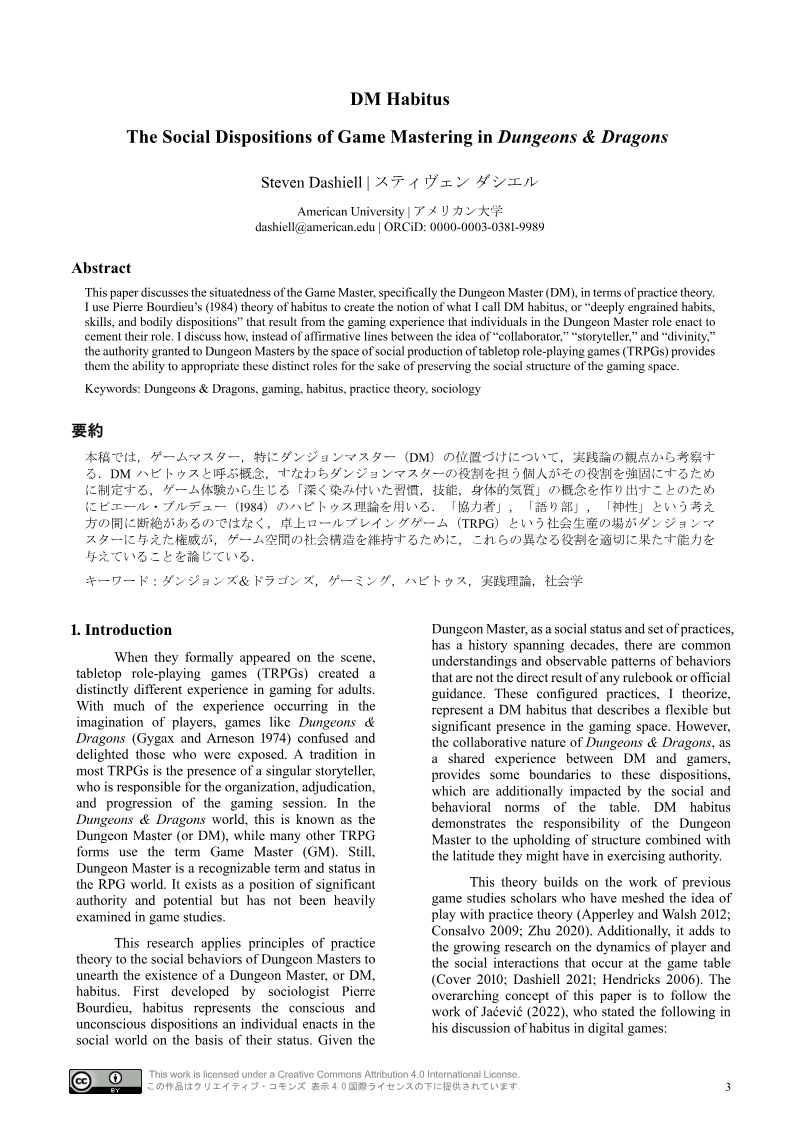
DM Habitus: The Social Dispositions of Game Mastering in Dungeons & Dragons
The role of the Dungeon Master in Dungeons & Dragons functions as a complex social practice defined by a specific habitus, a set of ingrained dispositions that allow individuals to navigate the tension between creative authority and collaborative facilitation.
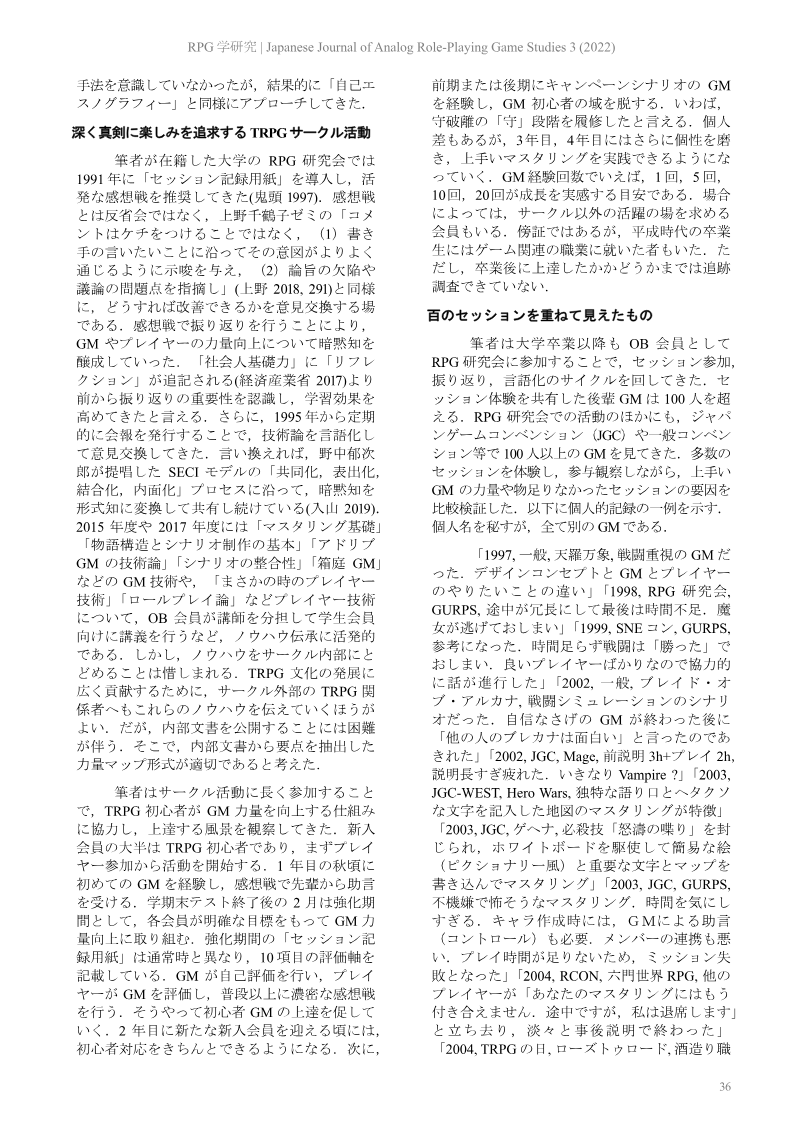
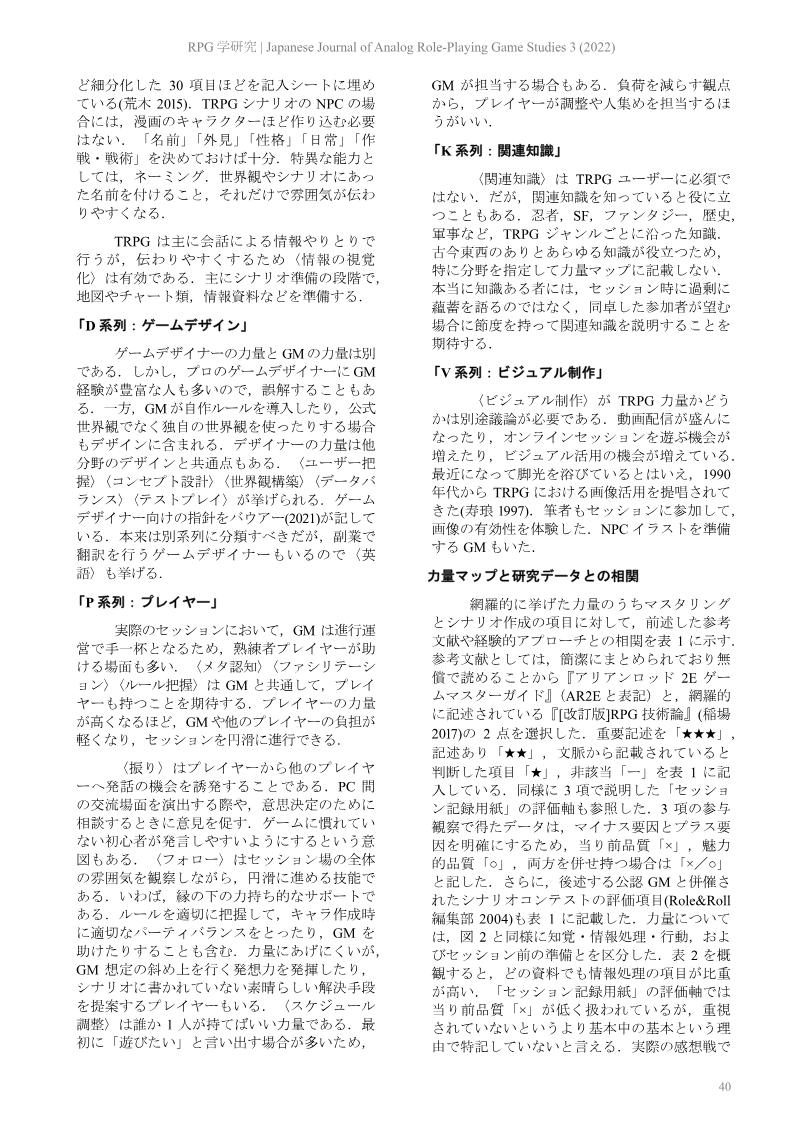
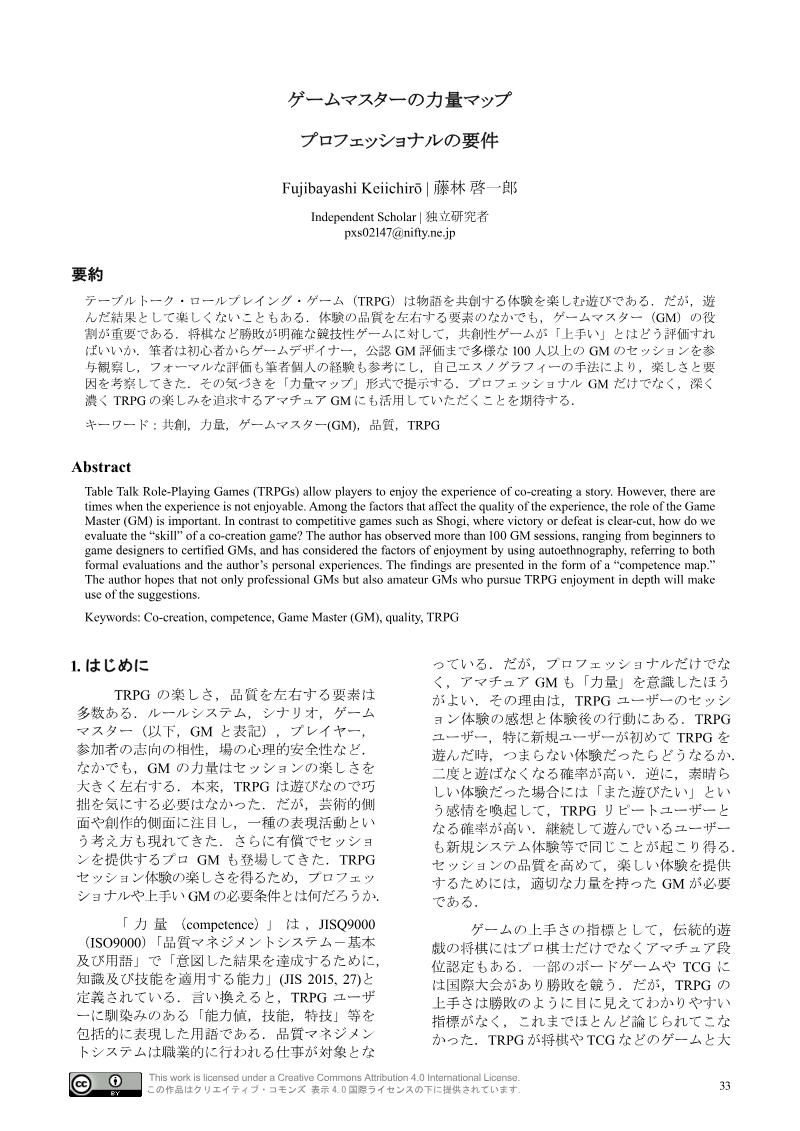
Competence Map for Game Masters: Professional Requirements
This analysis establishes a formal competence map for Table Talk Role-Playing Game (TRPG) Game Masters (GMs), aiming to define and evaluate the skills necessary to provide high-quality, enjoyable co-creative experiences.
Demand for Online Short-Time Voice Sessions of Golden Sky Stories: Japan
The rise of online tabletop role-playing game (TRPG) sessions, accelerated by the COVID-19 pandemic, has created a distinct demand for "short-time" voice sessions.
No Gods, No Masters: An Overview of Unfacilitated GMless Design Frameworks
The rise of unfacilitated, GMless tabletop and live-action role-playing games represents a significant shift in ludic design, moving away from the traditional, asymmetrical power structures of a singular Game Master toward a model of distributed narrative authority.
Designing with Dissonance: Navigating Immersion and Embodiment in Online Larps
Online live-action role-playing games (larps) face a fundamental design challenge rooted in the dissonance between the physical separation of participants and the fictional requirement that their characters occupy a shared space.
Beyond the Character Sheet: Character Keepers as Digital Play Aids in the Contemporary Indie TRPG Community
Character keepers represent a significant evolution in contemporary indie tabletop role-playing game culture, functioning as sophisticated, collaborative digital interfaces that transcend the limitations of traditional paper character sheets.