The concept of sessionability—a game’s structural capacity to provide a satisfying, complete experience within short play sessions—is a critical driver of modern game discovery and commercial success. Games that feature short, repeatable gameplay loops, integrated meta-progression, and tactical variety are increasingly outperforming linear, narrative-driven titles in high-choice environments like Steam. This trend is driven by the preferences of busy players who seek immediate gratification and a clear sense of value for their time, which in turn fuels organic recommendations and virality.
Data comparing recent releases illustrates this divide, with highly sessionable titles achieving significantly higher concurrent player counts on Steam compared to critically acclaimed but linear experiences. While linear games often struggle to gain traction in the storefront's competitive ecosystem, they find more success within subscription services like Game Pass. Subscription-based players are less sensitive to the dollar-per-hour value proposition, allowing narrative-focused games to reach a broader audience than they would through direct retail sales alone.
The industry is also observing a rise in gambling-adjacent user experience patterns, where developers utilize addictive mechanics—such as randomized upgrades and slot-machine-inspired feedback loops—to increase engagement. While these mechanics effectively capture player attention, they raise questions regarding design ethics. Ultimately, the market is currently favoring games that provide aggressive, brain-tickling hooks, creating a challenging landscape for developers of slower-paced or traditional narrative experiences. Success in the current climate requires balancing these engagement-driven design choices with the inherent appeal of the game's core mechanics.
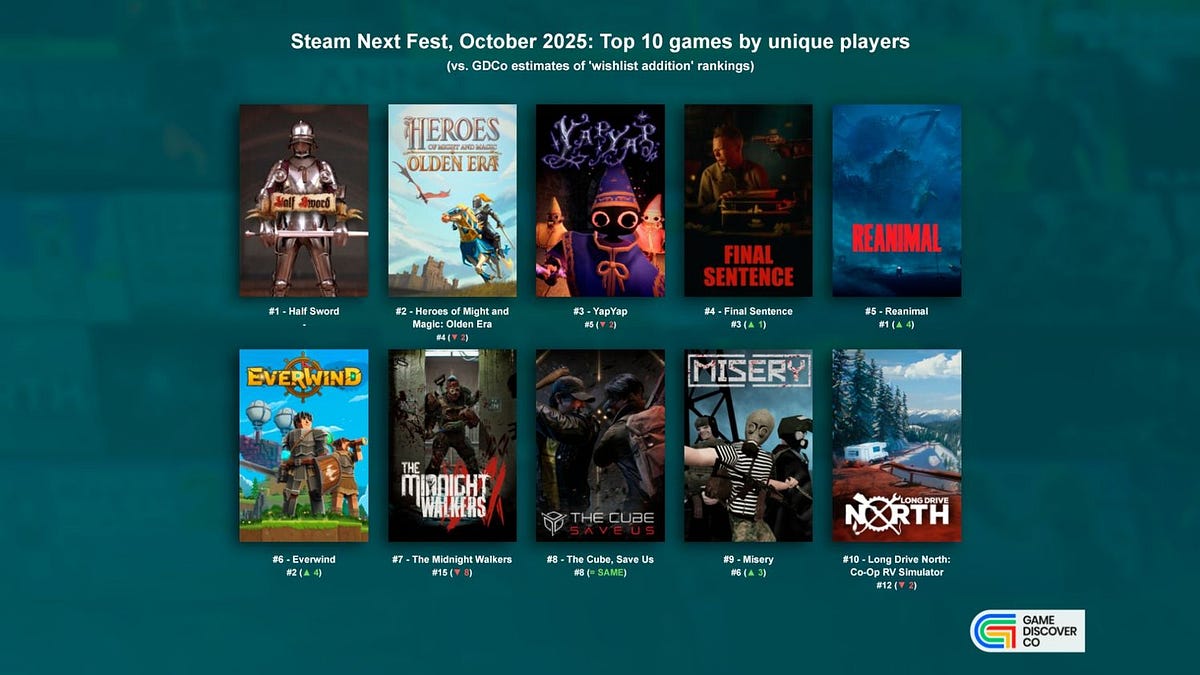
The October 2025 Steam Next Fest featured approximately 2,900 game demos, reflecting a sustained high volume of participation that has become standard for the event. The primary objective is to analyze which titles achieved the most significant traction during the festival, measured by wishlist additions and unique player counts. The findings indicate that the most successful games are rarely driven by existing intellectual property; instead, they are characterized by easily definable, "grokkable" gameplay styles, with a notable prevalence of co-op, survival, and extraction shooter mechanics.
Data analysis reveals that Next Fest is increasingly serving as a platform to amplify existing momentum rather than acting as a discovery engine for unknown titles. Games that entered the festival with pre-existing interest consistently outperformed those that relied solely on the event for visibility. For instance, top-performing titles like Heroes of Might and Magic: Olden Era and Reanimal saw significant wishlist growth, while others, such as Half Sword, maintained high concurrent player counts that predated the festival. The median game, by contrast, added fewer than 500 wishlists, highlighting a stark performance gap between the top 5% of participants and the broader field.
Methodologically, the analysis utilizes a combination of Valve’s official top-played charts and proprietary wishlist estimation models. The scope of the research covers the global Steam ecosystem during the October 2025 event window. Additional industry insights include the observation that approximately 17% of participating titles disclosed the use of generative AI, primarily for marketing assets and in-game art. Furthermore, the event saw a shift toward randomized recommendations, which reinforces the importance of pre-festival marketing to secure visibility in a fragmented and crowded digital marketplace.
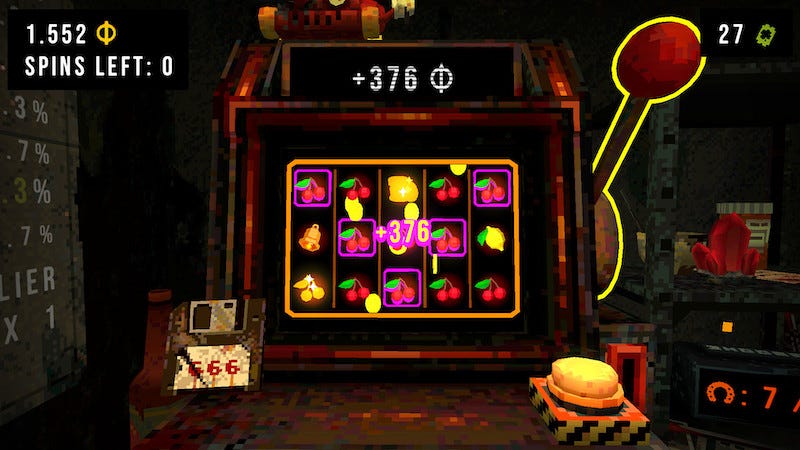
The success of the roguelite title CloverPit, which achieved 750,000 sales within its first two weeks on Steam, serves as a case study for effective organic game discovery in the current market. The game’s performance is attributed primarily to a viral demo that generated significant pre-launch momentum, including 100,000 wishlists in a single week. By leveraging a "PS1 horror" aesthetic and a highly meme-able, "grokkable" slot machine mechanic, the developers successfully engaged both players and content creators without relying on paid advertising.
Key performance data from the Steam backend highlights the game's strong retention and market penetration. CloverPit maintained a 6.4% refund rate, which is notably lower than the industry median of 9.5%. Regional sales data indicates a broad international appeal, with the United States accounting for 29% of sales, followed by Germany, Japan, and South Korea. The game’s success was further amplified by organic influencer coverage, particularly from high-profile creators and Japanese VTubers, which the publishers facilitated by providing early access to key channels.
The analysis emphasizes that in the modern PC gaming landscape, a well-executed demo launched during a major platform event is often more effective than traditional marketing strategies. While short-form video content on platforms like Instagram Reels played a supporting role in the game's visibility, the core driver remained the inherent design of the game, which encouraged emergent, "broken" builds that naturally fostered viral content. This data-driven perspective underscores the shift toward community-led discovery, where the quality and shareability of a game’s core mechanics dictate its commercial trajectory.
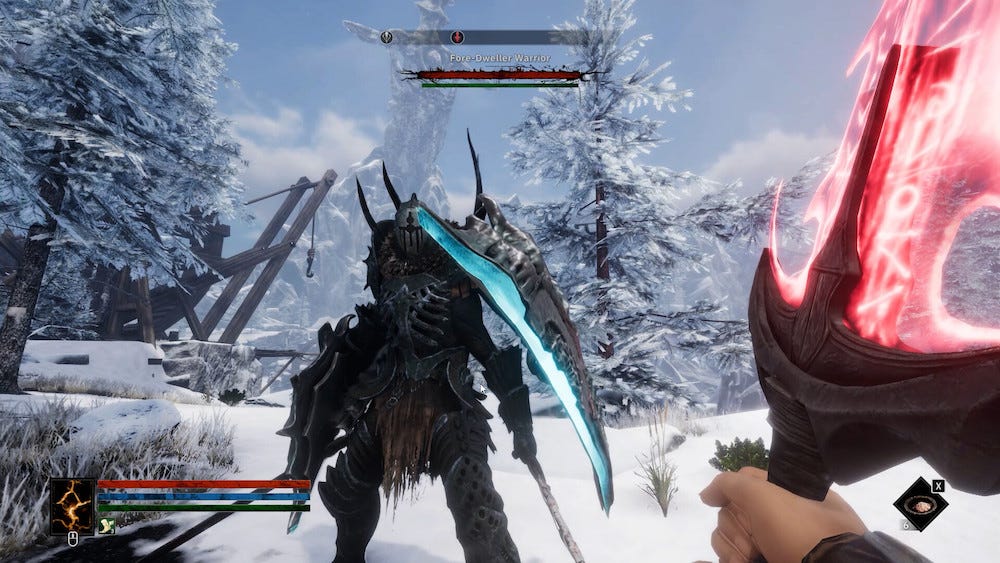
The first-person open-world RPG Tainted Grail: The Fall of Avalon serves as a rare case study of a title that achieved modest success during Early Access before experiencing a significant commercial surge upon its 1.0 release. Developed by Questline and published by Awaken Realms, the game transitioned from approximately 25,000 units sold in its first month of Early Access to over 200,000 units in the first month of its full release. To date, the title has reached 700,000 lifetime units across platforms, generating an estimated $20 million in gross revenue on Steam alone.
The game’s success is attributed to its positioning within an underserved market for first-person epic RPGs, a clear development strategy that prioritized gameplay quality over marketing, and a transparent communication approach regarding the game's incomplete state during Early Access. By explicitly informing players that the Early Access version was limited in scope and subject to save-wipes, the developers successfully incentivized a large portion of their audience to wait for the 1.0 launch. This strategy, combined with high-profile influencer coverage and a focus on core mechanics reminiscent of classic titles like Morrowind and Oblivion, allowed the game to peak at 25,600 concurrent users at launch.
Data indicates that while Steam remains the primary driver of revenue, console versions account for roughly 30% of post-1.0 sales, with the PlayStation 5 version outperforming the Xbox iteration. Despite the strong PC performance, the developers noted that console sales were lower than internal expectations, highlighting the difficulty of gaining visibility on console storefronts without a massive, pre-existing IP. Ultimately, the project demonstrates that sustained, high-quality development and clear community management can effectively drive long-term engagement and commercial growth in the modern PC gaming landscape.
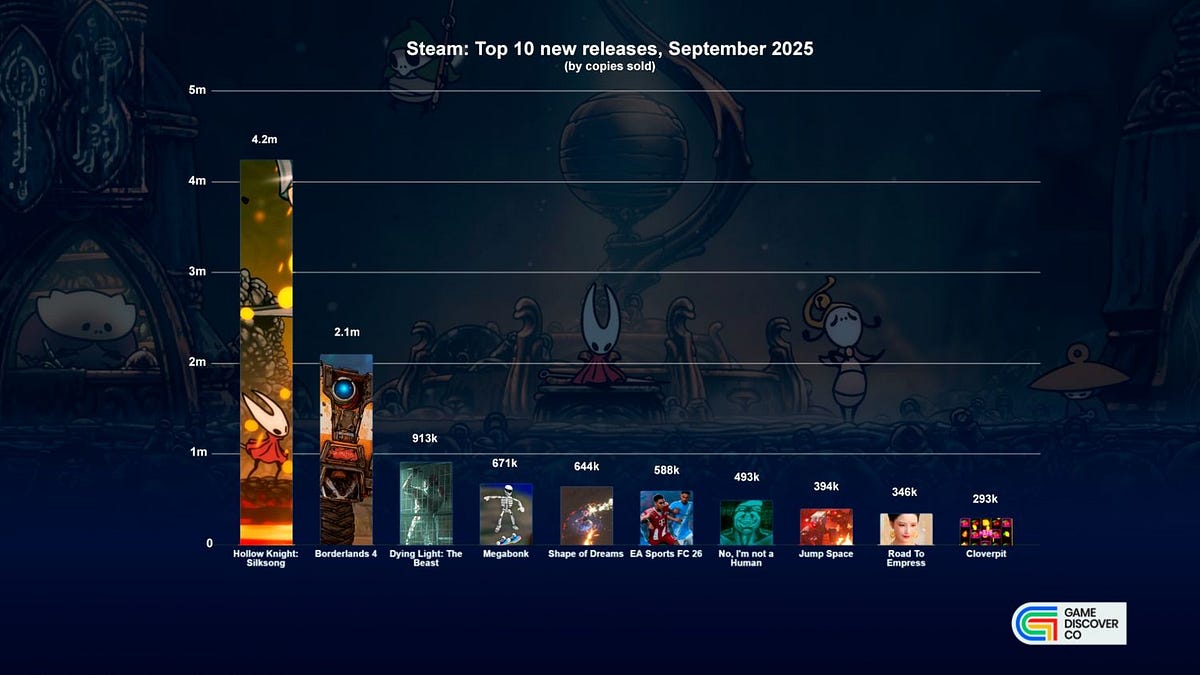
September 2025 was a highly dynamic month for the video game industry, characterized by significant new releases across PC and console platforms. The primary objective of this analysis is to evaluate market performance through sales volume and revenue data, while also tracking trends in game discovery, streaming viewership, and platform-specific developments. The scope covers global Steam and console markets, utilizing proprietary estimates and partnerships with analytics firms like Stream Hatchet to provide a comprehensive overview of the industry landscape.
Key findings indicate that high-profile titles dominated the sales charts, with Hollow Knight: Silksong significantly outperforming expectations by reaching 4.2 million paid units on Steam. Borderlands 4 emerged as the top-grossing new title on Steam, generating $135 million in revenue, bolstered by its premium price point. Sports titles remained the primary drivers of console sales, with EA Sports FC 26 and NBA 2K26 achieving substantial unit sales on PlayStation and Xbox. Additionally, the free-to-play title Skate. demonstrated strong engagement, amassing over 18 million downloads across platforms.
The analysis also highlights broader industry shifts, including the impact of subscription services like Xbox Game Pass on unit sales and the ongoing challenges of platform security, such as the recent Unity-related vulnerabilities that led to temporary delistings. Streaming data revealed that while the top 10 most-streamed games remained relatively stable, viewership for many titles declined following a crackdown on viewbotting. DOTA 2 served as a notable exception, experiencing a 119% surge in viewership driven by its annual championship event. These insights underscore a market where both established franchises and breakout indie hits continue to compete for player attention in an increasingly complex discovery environment.
The recent restructuring of Xbox Game Pass, which includes significant price increases and a tiered service model, represents a strategic pivot toward maximizing revenue per user in the absence of substantial subscriber growth. By raising the cost of the Ultimate tier—which has seen a 76% price increase in less than 18 months—Microsoft is prioritizing yield over the rapid expansion of its user base. While these adjustments have triggered negative sentiment among core fans who were previously attracted to the service’s value proposition, the move is a rational business response to the plateauing of total subscriber numbers.
The analysis highlights that the current subscription tiers are objectively reasonable when viewed in isolation, yet they suffer from a misalignment with the original marketing pitch that promised affordable, day-one access to first-party titles. Because the total universe of Game Pass subscribers failed to reach the projected 60–80 million mark, the company has shifted its focus to extracting more value from existing customers. This approach is expected to bolster profitability, even if it results in churn among price-sensitive users or a decline in the brand's Net Promoter Score.
Beyond the Xbox platform, the broader industry landscape shows a trend toward subscription-based monetization and algorithmic discovery. Data regarding Steam’s "More Like This" recommendation engine demonstrates how platform algorithms amplify the success of breakout hits, with successful titles seeing their presence in recommendation lists scale exponentially as they gain traction. These findings underscore a market environment where platform-level discoverability and aggressive yield management are becoming the primary levers for growth in an increasingly competitive and mature gaming ecosystem.
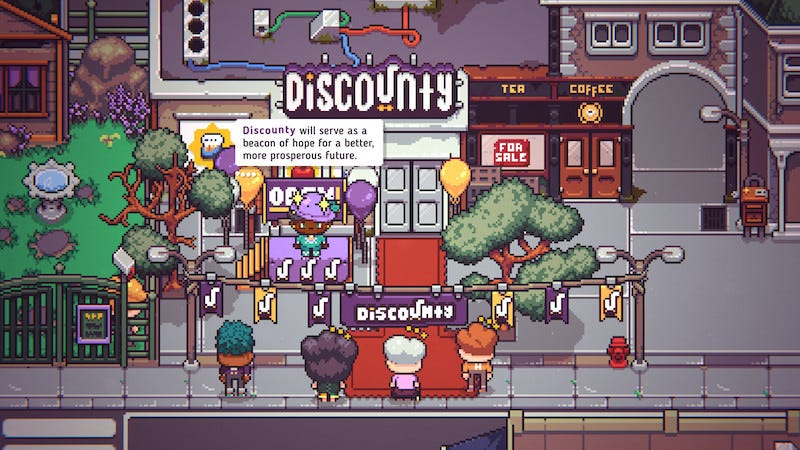
The primary purpose of this analysis is to examine the factors contributing to the successful launch of the supermarket management simulation game Discounty, which achieved 100,000 sales in its first week across Steam, Switch, Xbox, and PlayStation. The thesis posits that the game’s success stems from a combination of strong thematic appeal, effective marketing strategies, and the leveraging of platform-specific discovery mechanisms, while also highlighting the broader industry trend of "power law" distribution in game sales.
Key findings indicate that Discounty performed most effectively on Steam and the Nintendo Switch, with the latter benefiting from recent changes to eShop charts that prioritize current popularity over cumulative unit sales. The game’s success is attributed to its clear art direction and the popularity of the management simulation genre, though the analysis notes a slight mismatch in player expectations regarding the game's heavy narrative focus. Practical marketing efforts, including a well-timed demo, influencer engagement, and visibility in showcases like the Future Games Show, were instrumental in building the necessary momentum to reach 300,000 cumulative wishlists.
The analysis also contextualizes these results within the wider video game market, utilizing data to illustrate how a small percentage of titles capture the vast majority of consumer attention. Statistics from 2025 demonstrate a stark "power law" distribution, where only a small fraction of the thousands of annual releases generate significant revenue, leaving a "skinny middle" for most developers. This concentration of attention is driven by information networks and social feedback loops, which continue to favor viral, high-visibility hits over the broader, less-consumed majority of titles. The scope of this analysis covers the global PC and console market, with specific data points reflecting trends observed throughout 2025.
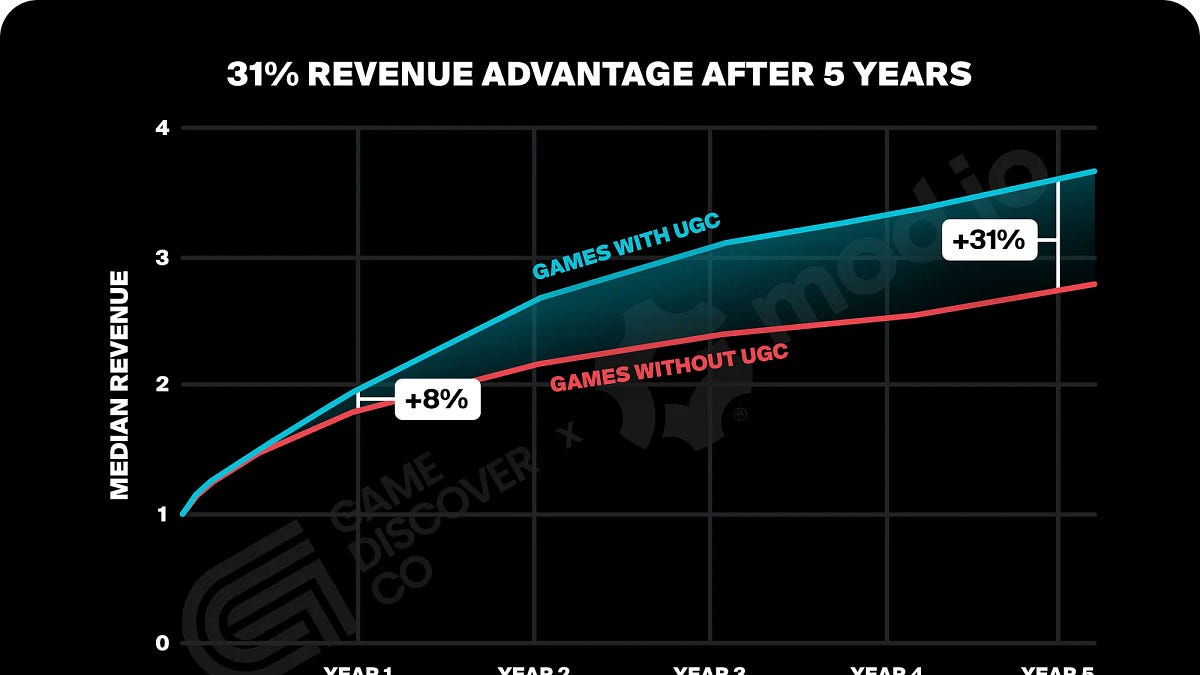
User-generated content (UGC) serves as a significant driver for both sales and long-term player retention across the video game industry. By analyzing approximately 1,200 games that generated over $1 million in initial monthly revenue on Steam, findings indicate that titles incorporating official UGC or modding solutions realize an 8% revenue advantage in their first year, which expands to a 31% advantage after five years. This performance gap is mirrored in player engagement, with UGC-enabled games demonstrating 75% higher concurrent user counts after two years and 115% higher counts after five years compared to titles without such support.
The research, conducted in partnership with Mod.io, also addresses common developer concerns regarding the potential cannibalization of paid downloadable content (DLC). Data suggests that games with UGC support actually see 105% higher total revenue per DLC, suggesting that modding ecosystems foster a virtuous cycle of engagement rather than diminishing the value of official expansions. Furthermore, the study expanded its scope to include console and virtual reality platforms. On consoles, games with mod support showed a 16% player advantage on PlayStation and a 24% advantage on Xbox after one year. In the VR sector, specifically among titles with over 1,000 player ratings on the Meta Quest Store, those with UGC support experienced 30% more growth over the past year than their counterparts.
While acknowledging potential correlation-causation factors—such as the possibility that certain genres naturally attract both modders and long-term players—the evidence consistently points to UGC as a powerful tool for extending a game's lifecycle. By empowering players to contribute content, developers can maintain higher engagement levels and drive sustained commercial performance across diverse platforms and hardware ecosystems.
The first-person simulator genre has emerged as a significant growth area within the PC gaming market, characterized by accessible gameplay loops and high streamer compatibility. Recent successes, such as Roadside Research and Waterpark Simulator, demonstrate that developers can achieve rapid traction by combining established simulation mechanics with unique, high-concept twists. These titles often leverage lean development frameworks, utilizing existing assets to expedite production while focusing custom efforts on core gameplay hooks that appeal to content creators and their audiences.
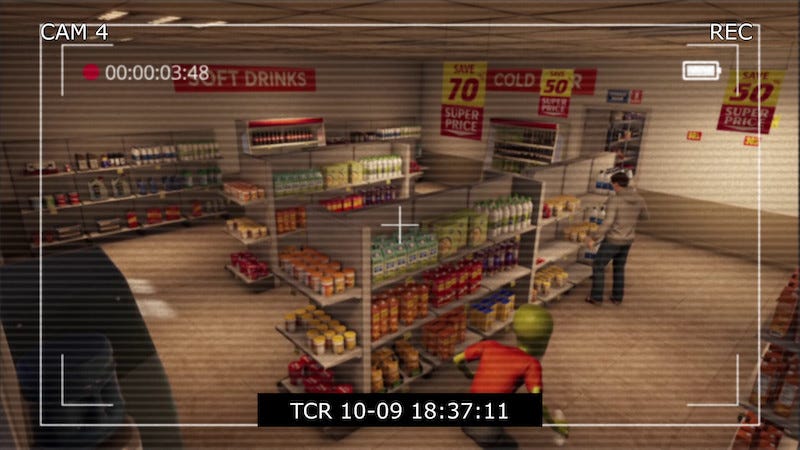
Roadside Research, a supernatural handyman simulator, achieved 250,000 Steam wishlists shortly after its announcement by pairing a familiar gas station management loop with an alien invasion narrative. The development team employed a strategy of creating "target gameplay" trailers that accurately reflected playable, polished segments of the game, allowing for effective marketing before full development was complete. This approach, supported by a demo that attracted over 110,000 players, highlights the efficacy of "failing fast and forward" to build community momentum.
Similarly, Waterpark Simulator illustrates the power of influencer-driven discovery. With an estimated 250,000 units sold within its first month and approximately $2.3 million in gross revenue, the title benefited significantly from recurring coverage by high-profile YouTubers. While the broader simulator market remains saturated—with 38 titles containing "Simulator" in the title launching in August 2025 alone—the data suggests that games combining a catchy concept, intuitive controls, and high entertainment value for streamers continue to find substantial commercial success. These findings underscore a shift toward streamer-centric design as a primary driver for visibility and sales in the modern PC landscape.
The Steam Deck has established a distinct niche within the PC gaming ecosystem, characterized by a preference for specific genres that mirror the appeal of handheld consoles. By analyzing games that grossed over $1 million on Steam and possess a high volume of user reviews where the majority of playtime occurred on the Steam Deck, it is evident that the device excels with titles featuring "lite console" aesthetics. Top-performing games in this category include titles like UFO 50, Dungeons of Hinterberg, and OlliOlli World. These games often lean into vibrant, accessible art styles and gameplay mechanics that resonate with players who value portability and pick-up-and-play experiences.
Methodologically, the analysis utilizes a filter based on user reviews where more than 50% of the reviewer's playtime was logged on a Steam Deck. This approach identifies a clear trend: games that perform well on the Steam Deck often share common genre tags such as indie, platformer, and adventure, aligning closely with the interests of the Nintendo Switch audience. While some of these titles may have lower peak concurrent user counts on traditional desktop PCs, they frequently find sustained success and a dedicated player base on the handheld device, suggesting that the Steam Deck serves as a vital platform for specific indie-friendly titles.
Despite the device's popularity, its overall market footprint remains modest. Estimates place the Steam Deck’s installed base between 5 and 7 million units, with the device accounting for approximately 2.75% of total playtime across representative publisher portfolios. While the platform offers a valuable secondary audience for developers, the data suggests that it should be viewed as a complementary market rather than a primary focus. Developers are encouraged to consider the "Steam/Switch interest continuum" when planning releases, as many players appear to favor a single platform for their purchases rather than double-dipping across multiple handheld devices.
This analysis examines the relationship between streamer popularity and Steam wishlist growth, utilizing data from the streaming tracker Stream Hatchet and the GameDiscoverCo Pro API. The primary thesis posits that while streamer engagement is a powerful driver of visibility, its impact on wishlists varies significantly based on a game’s genre and its strategy for public testing.
Key findings indicate a strong correlation between pre-release streaming hours and wishlist increases, particularly for multiplayer-focused titles that utilize open betas to generate momentum. For example, games that feature prominent streamers during beta phases often see substantial spikes in wishlist counts. Conversely, legacy AAA titles may rely less on sustained streaming awareness and more on cultural relevance and high-profile showcases, though playable demos remain a consistent catalyst for wishlist growth. Analysis of post-release data across several 2025 titles reveals a direct correlation between daily hours watched and daily sales, with an estimated average of one copy sold for every 41 hours of content watched.
The scope of this research covers non-Chinese streaming markets, primarily focusing on Twitch, and analyzes recent Steam releases throughout 2025. The methodology relies on mapping historical wishlist balance estimates against daily streaming metrics to identify patterns in consumer behavior. While the data highlights a clear link between streaming engagement and sales, the analysis acknowledges the inherent difficulty in distinguishing between correlation and causation. Additionally, the report provides broader industry context, including August 2025 performance metrics for top Roblox titles, noting that farming and simulation games continue to dominate in terms of concurrent users and revenue.
Hollow Knight: Silksong has emerged as a significant market force in the Metroidvania genre, reaching an estimated 6 million players across platforms. Data indicates that the title has achieved over 3.2 million copies sold on Steam, with an additional 500,000 units each on PlayStation and Nintendo Switch, alongside approximately 1.5 million downloads via Xbox Game Pass. This performance establishes the game as a top-tier success for a small development team, characterized by extreme market dominance compared to other Metroidvania releases in 2025.
The analysis, which utilizes proprietary data from GameDiscoverCo, highlights a high degree of continuity between the original Hollow Knight and its sequel. There is a 79% overlap in the player base, with 22% of all original Hollow Knight owners on Steam having already purchased the sequel. Geographic distribution remains consistent across both titles, with China and the United States serving as the primary markets. Notably, the game shows strong performance in South American regions, particularly Brazil and Argentina, which represent significant portions of the console and subscription-based player demographics.
Methodologically, the findings are derived from Steam player data, sales estimates, and sentiment analysis of user reviews. Qualitative feedback from the community reflects high levels of anticipation, with common review keywords such as "finally" and "wait" underscoring the long development cycle. While the game is currently perceived as challenging, developers have begun implementing minor adjustments to address difficulty concerns. Ultimately, the success of Silksong is attributed to the strength of its established, multi-million-person fanbase rather than standard market discovery trends, positioning it as an outlier in the current gaming landscape.