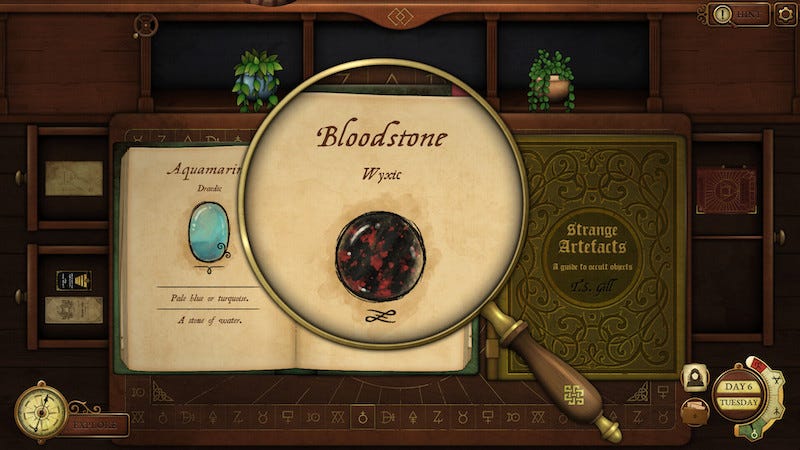
The success of the occult puzzle game Strange Antiquities, which achieved over 100,000 units sold across Steam and Switch shortly after launch, serves as a case study for effective sequel development and franchise management. The game’s performance highlights the importance of leveraging an established audience, as approximately 68% of its owners previously played its predecessor, Strange Horticulture. By maintaining the core "find 'em up" gameplay loop while expanding upon the atmospheric "dark academia" and occult themes that resonated with a gender-diverse player base, the developers successfully converted existing fans into early adopters.
Key performance metrics for the title include a 96% positive review rating on Steam, a remarkably low 1.9% refund rate, and a median playtime of over seven hours, indicating high product quality. Marketing efforts were bolstered by strategic influencer outreach, short-form video content, and the implementation of a post-launch franchise bundle. While the original game saw a more balanced platform split, Strange Antiquities skewed heavily toward PC, with an 83% to 17% sales ratio, likely due to stronger community engagement on Steam and increased competition within the Nintendo eShop ecosystem.
The analysis underscores that sequels thrive when they capitalize on a "sold-in" audience while simultaneously offering deeper, refined experiences. The broader industry context suggests that niche, atmospheric genres remain under-served, providing significant opportunities for developers who can cultivate organic interest through community-driven platforms. These findings are based on internal sales data, Steam review analytics, and developer insights, reflecting market trends observed throughout 2025 and early 2026.
The state of Steam Early Access in 2025 reveals a challenging landscape for developers transitioning to full 1.0 releases. The primary thesis is that the traditional expectation of a significant revenue surge upon exiting Early Access is increasingly disconnected from reality. For most titles, the 1.0 launch functions more as a marketing beat or a notification to existing wishlisters rather than a transformative event that guarantees a major financial windfall.
Data analysis of 225 games that graduated from Early Access in 2025 shows that only 20% of titles achieved higher revenue at 1.0 compared to their initial Early Access launch. On average, these games spent 643 days in development, with a median duration of 437 days. Most notably, the median 30-day revenue at 1.0 was only 40% of the median 30-day revenue recorded during the Early Access debut. While high-profile outliers exist, the broader trend indicates that frequent updates and discounting during the Early Access period often exhaust a game’s commercial potential before the official 1.0 release.
Beyond Steam, the analysis examines shifts in the Nintendo Switch eShop following an algorithmic change that prioritizes top-grossing games over the previous 14-day download volume. This transition has favored higher-priced titles, with the median MSRP of top-performing games rising 14% to $42.90. Consequently, the efficacy of extreme discounting strategies has diminished, as visibility on the platform now favors premium-priced games that are moderately discounted, rather than low-cost titles that rely on deep price cuts to drive volume. These findings suggest that developers must recalibrate their expectations for both platform transitions and long-term sales strategies in an increasingly competitive market.
This analysis examines the performance of new video game releases on Steam and major console platforms during November 2025. The primary objective is to provide data-driven insights into market trends, sales performance, and discovery dynamics within the PC and console sectors. By synthesizing proprietary sales estimates with industry-wide metrics, the analysis highlights a cooling in the market compared to previous months, noting that November 2025 lacked the high-volume debut hits seen in October.
Key findings indicate that while hardcore strategy titles like Europa Universalis V and Anno 117: Pax Romana performed competently, the overall market lacked a breakout blockbuster. A significant trend identified is the competitive pressure in the shooter genre, where titles such as ARC Raiders and Battlefield 6 have achieved substantial player counts, contributing to a notable decline in the performance of the Call of Duty franchise. Specifically, Call of Duty: Black Ops 7 appears to be underperforming by more than 50% compared to its predecessor, based on retail data, streaming hours, and Steam sales estimates.
The scope of this analysis covers global Steam performance alongside specific console activity on PlayStation, Xbox, and Nintendo Switch. Methodology relies on proprietary sales modeling, cross-referencing platform-specific data, and industry reports from sources such as Circana, Stream Hatchet, and GFK. Beyond sales figures, the analysis touches on broader industry shifts, including rising hardware costs, the impact of subscription services like PlayStation Plus, and evolving discovery strategies for independent developers. The findings suggest a fragmented market where player attention is increasingly dispersed, challenging traditional marketing funnels and highlighting the continued relevance of diverse, lower-priced titles in maintaining long-term engagement.
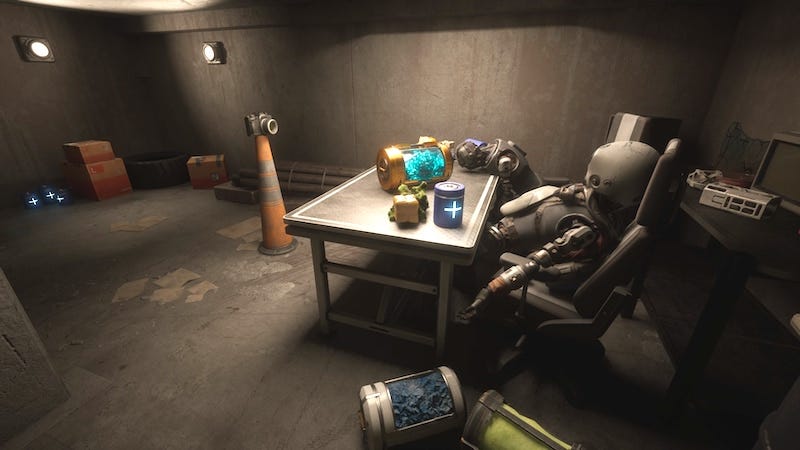
The survival-crafting title The Last Caretaker achieved significant commercial success during its initial month of Early Access, selling over 120,000 copies. Developed by the Finnish studio Channel37, the game launched on November 6, 2025, at a $35 price point. Despite minimal traditional press coverage at launch, the title maintained strong engagement, peaking at 10,000 concurrent users and sustaining 5,000 concurrent users weeks later. Key performance indicators include a 5.6% refund rate and a median playtime of over 15 hours, suggesting high player satisfaction despite the inherent technical roughness of an Early Access release.
The game’s success is attributed to a combination of intentional design choices and market dynamics. The developers focused on creating an emotionally resonant experience centered on exploration and environmental storytelling, which proved highly effective for influencer engagement and viewer retention. Geographically, the United States accounted for the largest share of sales at 36.4%, with Germany significantly over-indexing at 18.6% of total sales. Analysis indicates that while some regions, such as Brazil and Turkey, showed lower conversion rates from wishlists to sales, the game benefited from strong algorithmic visibility within Steam’s recommendation systems.
Broader industry trends highlighted include a 17% increase in Steam player hours from early 2024 to late 2025, with China accounting for approximately 20% of total activity. Additionally, streaming data for November 2025 shows that extraction shooters like ARC Raiders and Escape From Tarkov dominated viewership, while single-player experiences continue to hold a strong preference among players in the UK, US, and Japan. These findings underscore the ongoing importance of influencer-friendly design and platform-specific engagement strategies in the current PC gaming market.
The PC gaming market on Steam is experiencing a notable shift in pricing dynamics, characterized by a decline in the median price of top-performing titles. While average prices for the top 50 games have remained relatively stable—dropping only 2% between February 2023 and October 2025—the median price for these same titles has fallen by 20% when measured by units sold and 14% when measured by revenue. This trend suggests that while high-priced, major-franchise games maintain their price points, a growing volume of successful, highly replayable indie titles priced between $5 and $15 is exerting downward pressure on the broader market.
This analysis, which covers Steam platform data from 2020 through late 2025, identifies a challenging "middle market" for developers. New intellectual properties from unproven teams face significant hurdles when priced above $25, as consumers increasingly compare the value of these titles against both low-cost, high-engagement indie games and heavily discounted legacy catalog titles. The rise of system-based indie games that offer high replayability at lower price points has fundamentally altered consumer expectations regarding value.
The findings indicate that late 2023 served as a turning point for this downward shift in median pricing. To remain competitive in the current landscape, developers must carefully calibrate their pricing strategies and project scopes. Success increasingly depends on recognizing that players have access to a vast library of inexpensive, high-quality content, necessitating a more strategic approach to positioning new releases to avoid being squeezed between budget-friendly indie hits and established, premium-priced megafranchises.
The sandbox game Necesse achieved significant commercial success, reaching 2 million units sold and peaking at 29,500 concurrent users upon its 1.0 release in late 2025. Originally a solo-developed project that began in 2012, the title evolved into a complex, systems-driven experience blending colony management with sandbox exploration. The game’s trajectory highlights the viability of the semi-pro development model, where long-term, iterative refinement leads to sustainable growth.
Key factors contributing to this performance include a well-architected gameplay loop that resonates with fans of established genre staples like Terraria, RimWorld, and Core Keeper. Data indicates a strong player overlap, with 86.5% of Necesse players also owning Terraria, suggesting that the game successfully captured an audience seeking similar mechanics. Additionally, the development team’s commitment to aggressive, accessible pricing and a major visual overhaul in 2024 significantly improved the game’s market appeal and conversion rates during its transition out of Early Access.
The analysis underscores that while Necesse did not rely on traditional viral streaming trends, it maintained steady growth by prioritizing existing player satisfaction and providing deep, replayable content. The findings suggest that for complex, systems-led titles, long-term development cycles and clear product-market fit within established genres can drive substantial sales, even without high-profile marketing campaigns. The study utilizes proprietary sales estimates and Steam review sentiment analysis to evaluate the game's market position, offering a case study on how niche, high-quality indie titles can achieve mainstream success through consistent, community-focused updates.
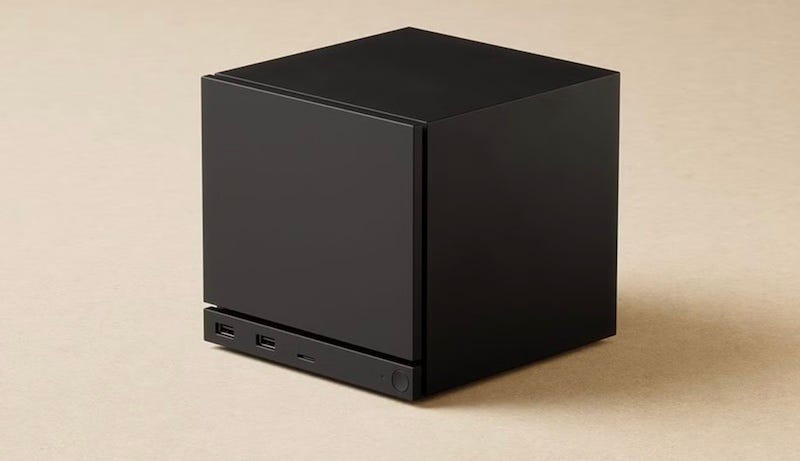
The recent announcement of new hardware from Valve—specifically a second-generation Steam Machine, a new Steam controller, and the Steam Frame VR device—marks a significant evolution in the company’s strategy to expand its PC-centric ecosystem into the living room. Unlike the original Steam Machines launched in 2013, which struggled with immature Linux emulation, the current iteration benefits from the substantial maturity of Proton, an open-source project that has vastly improved Windows game compatibility on SteamOS. This hardware expansion is positioned as a natural extension of the Steam Deck’s success, which has already acclimated users to a console-like experience on PC.
The primary challenge for the new Steam Machine remains the incompatibility of kernel-level anti-cheat software with SteamOS, which currently limits the availability of major multiplayer titles. However, Valve anticipates that the increased user base for this hardware will incentivize developers to prioritize broader anti-cheat support. While the company maintains a modest approach to marketing and retail distribution compared to competitors like Sony, which has sold over 84 million PlayStation 5 units, Valve’s strategy is not dependent on hardware dominance. Instead, the hardware serves as a supplementary tool to engage its existing base of 170–200 million monthly active users on Steam.
Projections suggest that the new Steam Machines could achieve sales of 7–10 million units over the next five years. This measured growth reflects Valve’s long-term, incremental approach to building a platform-agnostic ecosystem, contrasting with the more reactive, high-pressure pivots observed in other segments of the gaming industry. By focusing on hardware that is easier to engineer and integrate into a shared library, Valve continues to solidify its position as a dominant force in digital distribution without the necessity of a "hardware or bust" business model.
The rapid commercial success of the narrative-driven game Dispatch, which achieved one million sales on Steam and PlayStation within ten days of its October 2025 launch, serves as a case study for the viability of high-budget, episodic interactive storytelling. The game, developed by AdHoc Studio, is projected to reach two million units sold, challenging the industry perception that narrative-heavy, single-player experiences are inherently risky or unprofitable.
Several key factors contributed to this performance. The game leveraged the broad appeal of adult-oriented superhero themes, which currently resonate with audiences through popular television media. High production values, including sophisticated animation and art direction, distinguished the title from previous narrative-focused games. Furthermore, the studio implemented a weekly episodic release cadence, which successfully fostered sustained player anticipation. Strategic marketing also played a significant role, utilizing a mix of traditional voice acting talent and prominent influencers to generate buzz.
While the game features light interactivity, such as dialogue choices and mini-games, it prioritizes a cohesive, high-quality narrative experience over complex branching paths. This approach suggests that players are willing to purchase and engage with linear, cinematic content if the quality of the storytelling and production is sufficiently high.
Beyond this specific case study, the broader industry landscape shows continued growth in digital engagement. October 2025 streaming data highlights the dominance of established titles like League of Legends, which saw 213 million hours watched, alongside successful new entries such as Battlefield 6. These findings underscore a market where both established live-service giants and high-quality, narrative-focused premium titles can achieve significant commercial scale through effective execution and alignment with current audience interests.
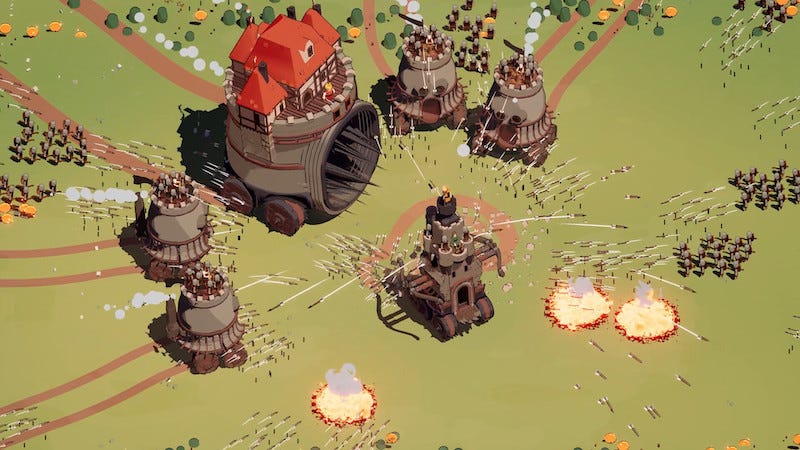
The modern landscape of PC game discovery has shifted toward a model where high-concept, easily marketable ideas are the primary drivers of success. The central thesis posits that in the current market, a game’s "hook"—its ability to be understood, visualized, and shared instantly—is more critical than traditional execution. This trend is exemplified by the title Wanderburg, which generated approximately 150,000 Steam wishlists following the release of two viral trailers.
The success of Wanderburg demonstrates that organic virality on platforms like YouTube can bypass the need for heavy paid acquisition. By focusing on a clear, high-concept premise—"castles on wheels that eat other castles"—the developers created a fantasy that resonated immediately with audiences. The team refined this concept through public playtesting, pivoting away from more complex, slower-paced prototypes to prioritize the core hook. This approach ensured that the game’s mechanics aligned with the initial player expectation established by the marketing materials, a strategy that remains vital for maintaining interest from the announcement phase through to release.
The broader industry context highlights that while viral hits like Wanderburg represent a significant portion of current discourse, they exist alongside more traditional titles that find success without social media virality. Data from the 2024–2025 period indicates that remakes and remasters continue to perform strongly, generating $1.4 billion in consumer spending. Furthermore, platform-level shifts, such as Nintendo’s transition to the Switch 2 and ongoing mobile market trends, underscore a diverse ecosystem. Ultimately, the findings suggest that while the "golden age" of discovery favors games with immediate, clickable concepts, success remains contingent on the ability to manage player expectations and deliver a polished final product.
The October 2025 market analysis provides a comprehensive overview of video game performance across Steam, PlayStation, Xbox, and Nintendo platforms. The primary objective is to evaluate the commercial success of new releases and identify broader industry trends in player acquisition and platform engagement. The findings highlight a market defined by a mix of established intellectual property and breakout indie hits, with Battlefield 6 emerging as the dominant commercial force across all major platforms, achieving over 12 million units sold globally by the end of October.
Key data points reveal significant performance metrics for top titles. Battlefield 6 led the market with 7 million units sold on Steam alone, while the extraction shooter ARC Raiders grossed $55 million with 1.5 million units sold. In the indie sector, titles such as Duckov and RV There Yet? reached 1.7 million units each, and the narrative management game Dispatch exceeded 1 million units cross-platform. On the console front, Ghost of Yotei performed strongly with 2.7 million units, and Nintendo’s Switch 2 saw a robust launch, selling 10.36 million units by the end of September, with Mario Kart World achieving a 92% attach rate.
The analysis utilizes proprietary sales estimates and platform-specific data to track performance across global markets, with a particular focus on the U.S., U.K., and Chinese regions. Beyond specific sales figures, the report notes a shift in consumer behavior, where high-budget production values are increasingly secondary to authenticity and social currency. Furthermore, the industry is experiencing record-high Linux compatibility for Windows games, and Microsoft’s leadership has identified short-form video platforms like TikTok as the primary competitive threat to traditional gaming engagement.
This analysis evaluates the efficacy of Steam’s regional pricing recommendations by comparing them against the actual pricing strategies of independent and AAA game developers. The primary objective is to determine whether Valve’s 2022 pricing matrix remains relevant in the current market, particularly following the 2023 transition to USD-denominated pricing for specific regions like LATAM and MENA.
The methodology involved a comparative study of 10 indie titles and 10 AA/AAA titles released on Steam in September 2025. Data was sourced from SteamDB to measure deviations from Valve’s suggested price points across key global markets. Findings indicate that independent developers largely adhere to Steam’s recommendations, with notable exceptions in Poland, where market pressure has driven prices approximately 20% to 25% lower than suggested levels.
In contrast, AAA publishers frequently deviate from these recommendations, often setting significantly higher prices in markets like China and Brazil. For instance, AAA titles in Brazil were found to be priced, on average, 67% higher than Steam’s suggestions. While some of these discrepancies may be attributed to historical import taxes or inflation-related adjustments, the analysis suggests that such aggressive pricing could inadvertently reduce the competitiveness of AAA games compared to indie titles that more closely follow platform-provided guidance.
The conclusion suggests that while Steam’s automated tools provide a functional baseline, developers should consider ad-hoc adjustments to account for significant currency fluctuations and regional economic pressures. The analysis emphasizes that failing to align with local market realities—or ignoring the pricing strategies of competitors—may negatively impact sales volume in critical international territories.
The game The Farmer Was Replaced serves as a prominent case study for successful Steam 1.0 transitions, achieving a 39,000% revenue increase between its initial Early Access period and its full release. While the title generated approximately $4,000 in its first 30 days of Early Access in early 2023, its 1.0 launch in October 2025 yielded roughly $1.65 million during the same duration. This growth trajectory highlights the impact of strategic publishing and marketing efforts on a title that had already established a niche audience through organic influencer coverage.
The transformation was driven by a comprehensive overhaul of the game’s presentation and accessibility. The publisher, Metaroot, rebuilt the Steam store page to emphasize the game’s unique "code-learning" and automation mechanics, which had previously been poorly communicated. Additionally, the team invested in "juicier" game design and audio, and expanded the game’s reach by localizing content into 11 languages. These efforts were supported by an aggressive marketing campaign that included outreach to 10,000 influencers, viral short-form video content on platforms like TikTok and Instagram, and a targeted entry into the Chinese market via RedNote, which helped China grow to represent 20% of total sales.
Beyond this specific case, the broader industry landscape reflects ongoing shifts in game discovery and platform dynamics. Trends include the continued dominance of PC as a discovery platform, the emergence of new distribution competitors like ByteDance’s GameTop, and the strategic pivot of services like Netflix toward broader interactive experiences. Data indicates that while organic interest can sustain a title during Early Access, a methodical, multi-faceted approach to the 1.0 launch—incorporating localization, refined store presence, and targeted social media engagement—remains critical for maximizing commercial performance.