Gamecity Hamburg
Association402 documents
Documents

Article
Guides to the Games Industry: Interview with Christopher Dring
This interview serves as an introductory installment in a series designed to demystify major business-to-business (B2B) outlets within the global video games industry. By profiling GamesIndustry.biz and its Head of Games B2B, Christopher Dring, the content aims to provide developers and industry newcomers with actionable insights on how to effectively engage with trade media, understand editorial priorities, and navigate the evolving landscape of games journalism.
The discussion highlights the publication’s role as an independent, data-driven source for industry news, market analysis, and recruitment. Editorial focus is placed on stories that offer professional guidance, industry trends, and business developments rather than promotional content or consumer-facing game reviews. Key recommendations for developers include pitching narratives that emphasize unique business strategies, lessons learned, or innovative approaches to industry challenges, while explicitly avoiding topics like non-fungible tokens (NFTs), which are viewed as lacking long-term viability in the gaming sector.
Reflecting on industry evolution, the analysis notes a significant shift from the physical, box-product market of 2007 to a modern ecosystem defined by digital distribution, service-based models, and the rise of independent developers. Looking forward, the industry is expected to see continued growth in subscription models and digital social spaces, though the latter will likely evolve from existing game structures rather than from standalone metaverse platforms. The insights provided emphasize that success in the current market requires a deep understanding of these structural shifts and a professional approach to media relations.
- Developers should pitch trade media on unique business strategies, lessons learned, or innovative problem-solving rather than promotional content or consumer-facing game reviews.
- GamesIndustry.biz prioritizes data-driven reporting on industry trends and business developments, explicitly excluding topics like NFTs due to their perceived lack of long-term viability.
- The video game market has fundamentally transitioned from the physical, box-product model prevalent in 2007 to an ecosystem dominated by digital distribution and service-based models.
- Future industry growth is expected to be driven by the expansion of subscription models and the integration of digital social spaces within existing game structures.
- Standalone metaverse platforms are viewed as less likely to succeed than the evolution of social features within established gaming environments.
+1
Gamecity Hamburg
Article
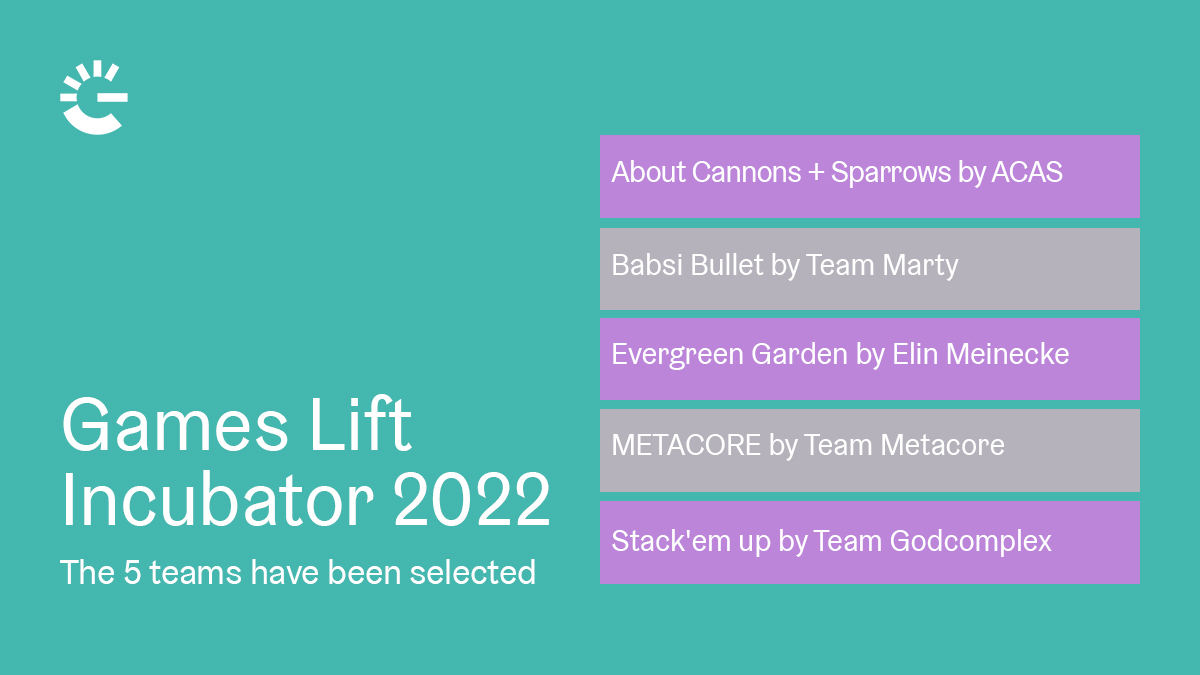
Games Lift 2022: These Are the Five Teams
The Games Lift Incubator, a program managed by Gamecity Hamburg, announced the five teams selected for its 2022 cohort. The initiative aims to foster the growth of local game development talent by providing selected startups and solo developers with professional guidance, financial resources, and infrastructure to refine their projects. This program serves as a key support mechanism for the Hamburg games ecosystem, connecting emerging developers with industry expertise.
The selection process for the 2022 cycle was highly competitive, drawing 21 applications from various teams and solo developers. An awarding committee evaluated these submissions based on the potential and quality of the proposed game projects. The five winning teams—ACAS, Team Marty, Elin Meinecke, Team Metacore, and Team Godcomplex—were chosen for their diverse concepts, ranging from physics-based puzzle platformers and touchscreen-focused action games to farming simulations and co-op shooters.
Participants in the incubator receive a comprehensive support package, including 15,000 euros in funding, access to co-working spaces in Hamburg, and a three-month intensive workshop and mentoring program. The curriculum covers essential business and development topics such as project management, marketing, business establishment, and game art. Following the initial three-month phase, the teams continue to receive long-term support for an additional 12 months, which includes individual coaching and access to a specialized PR agency. This structured approach ensures that developers receive sustained guidance as they transition from the incubation phase toward the broader market.
- The 2022 Games Lift Incubator, managed by Gamecity Hamburg, selected five teams—ACAS, Team Marty, Elin Meinecke, Team Metacore, and Team Godcomplex—from a pool of 21 applicants.
- Each selected team receives 15,000 euros in funding, access to Hamburg co-working spaces, and a three-month intensive workshop program covering business and development topics.
- The program provides 12 months of long-term support following the initial three-month phase, including individual coaching and access to a specialized PR agency.
- The incubator’s curriculum focuses on professionalizing startups through training in project management, marketing, business establishment, and game art.
- The 2022 cohort features a diverse range of game genres, including physics-based puzzle platformers, touchscreen action games, farming simulations, and co-op shooters.
Gamecity Hamburg
Article
Hamburg-based Studio Tiny Roar Releases XEL
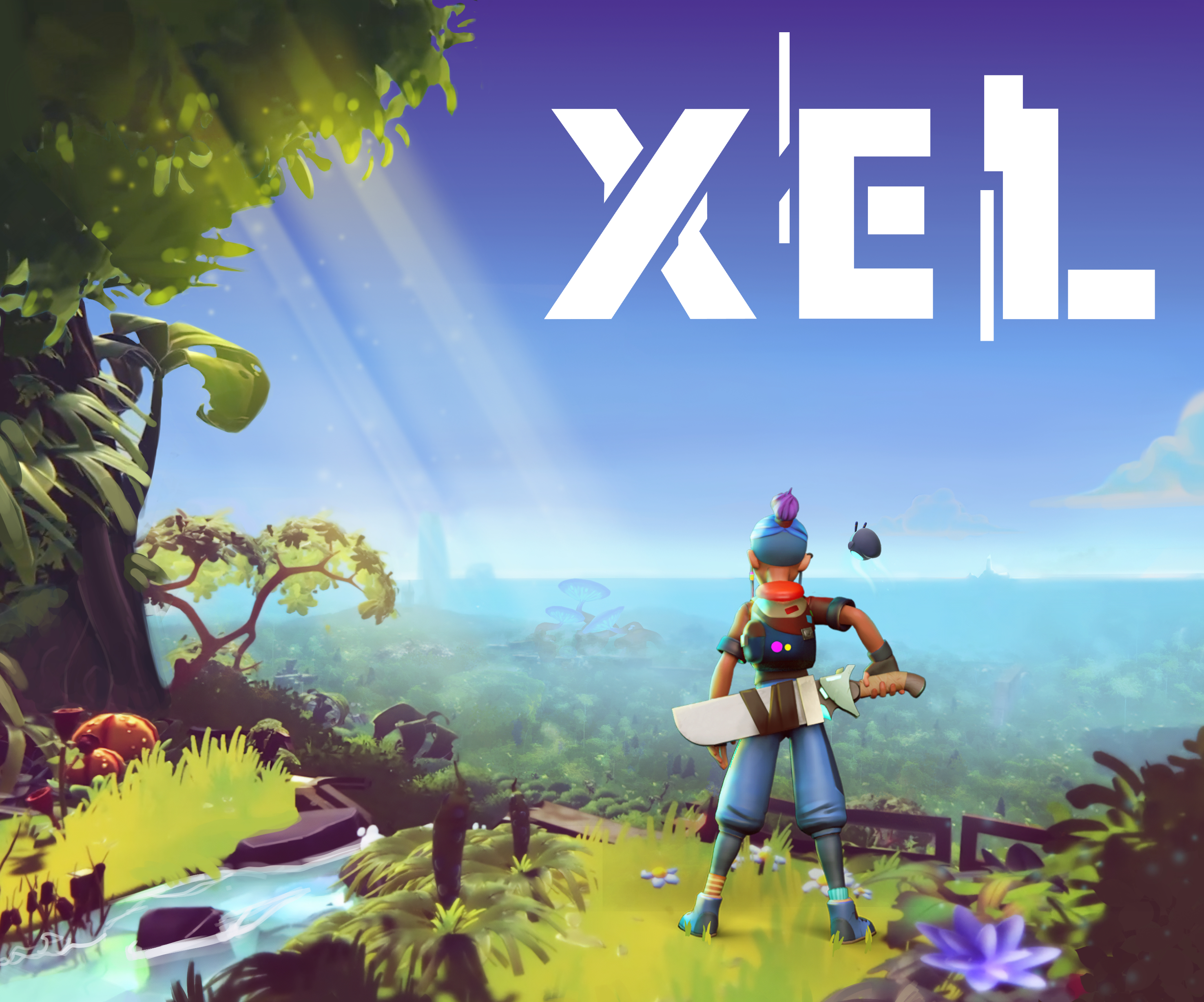
The Hamburg-based indie studio Tiny Roar officially released its sci-fi action-adventure title, XEL, on July 12, 2022. Published by Assemble Entertainment, the game features a top-down perspective and centers on a protagonist named Reid who navigates a mysterious planet, solves complex puzzles, and utilizes various gadgets to uncover her past.
The development of XEL was supported by federal games funding, which facilitated significant organizational growth for the studio. During the 14-month production cycle, Tiny Roar expanded its workforce from 11 to 20 team members. The studio provided ongoing transparency throughout the development process by sharing insights into weapon concepts, puzzle design, and creative inspirations via dedicated developer logs on Steam.
Beyond the release of XEL, Tiny Roar has maintained an active presence within the local industry ecosystem. The studio previously received prototype funding from Gamecity Hamburg, an initiative that supports regional game development. This release underscores the ongoing output of the Hamburg games sector, which continues to foster indie talent through various funding programs, networking events, and industry showcases.
- Hamburg-based indie studio Tiny Roar released the sci-fi action-adventure game XEL on July 12, 2022, with publishing support from Assemble Entertainment.
- During the 14-month production cycle of XEL, Tiny Roar expanded its workforce from 11 to 20 employees, a growth facilitated by federal games funding.
- The development process was supported by both federal games funding and prototype funding provided by the regional initiative Gamecity Hamburg.
- Tiny Roar utilized Steam developer logs to maintain transparency throughout production by sharing insights into weapon concepts, puzzle design, and creative inspirations.
- The release of XEL highlights the continued productivity of the Hamburg games sector, which utilizes local funding programs and industry showcases to foster indie talent.
+2
Gamecity Hamburg
Article
Influencer Guide Part Two: 8 Tips to Make Influencers Fall in Love With Your Game
The provided guide outlines a strategic framework for independent game developers to effectively engage with gaming influencers. The primary objective is to help developers secure partnerships that increase game visibility and community engagement by fostering authentic relationships with content creators across platforms like Twitch, YouTube, and TikTok.
The core thesis emphasizes that successful influencer outreach relies on personalization, relevance, and professional communication. Rather than pursuing large-scale creators indiscriminately, the guide advocates for targeting smaller, niche-focused influencers whose audiences align closely with the specific genre and style of the game. This approach prioritizes audience engagement quality over raw follower counts. Key tactical recommendations include conducting thorough research to identify creators who already play similar titles, crafting a concise elevator pitch that highlights why the game is a good fit for their specific community, and providing easily accessible press materials such as trailers and demos.
The guide also addresses the professional realities of the influencer economy. It advises developers to utilize official business contact channels, maintain a polite and patient follow-up cadence, and acknowledge that established influencers often require compensation for their promotional services. By treating outreach as a professional business inquiry while remaining transparent about budget constraints, developers can navigate the influencer landscape more effectively. This advice serves as a practical resource for indie studios seeking to leverage influencer marketing to build momentum for their projects.
- Prioritize targeting smaller, niche-focused influencers whose specific audience demographics align with your game's genre rather than pursuing creators based solely on high follower counts.
- Conduct thorough research to identify and engage creators who already actively play titles similar to your own.
- Treat influencer outreach as a professional business inquiry by utilizing official contact channels and maintaining a polite, patient follow-up cadence.
- Craft a concise, personalized elevator pitch that explicitly explains why your game is a relevant fit for the creator's specific community.
- Provide influencers with easily accessible, high-quality press materials, including trailers and playable demos, to facilitate their content creation process.
+2
Gamecity Hamburg
Article
Hamburg at gamescom 22: Six Hamburg Indies at the Indie Arena Booth
Gamecity Hamburg facilitates the participation of six local independent game studios at the 2022 gamescom trade fair in Cologne. Through its Road to gamescom program, the organization provides a dedicated booth at the Indie Arena Booth, offering these developers a platform to showcase their projects to international press, publishers, and industry professionals. This initiative underscores a broader commitment to supporting Hamburg’s game development ecosystem by providing free access to major industry events and networking opportunities.
The six featured studios include Tiny Roar, THREAKS, OneManOnMars, Beardshaker Games, Octofox Games, and CRATR.games. These developers represent a diverse range of genres and platforms, including sci-fi adventures, souls-like action RPGs, cozy narrative games, and real-time strategy titles. Several of these participants have previously benefited from Gamecity Hamburg’s internal support structures, such as the Prototype Funding program and the Games Lift Incubator, highlighting the effectiveness of the region's local development pipeline.
Beyond the featured indie delegation, the broader Hamburg games industry maintains a significant presence at the event. Numerous established companies, including Daedalic Entertainment, InnoGames, Goodgame Studios, and Deep Silver FISHLABS, are represented across both B2C and B2B sectors. By coordinating these efforts, Gamecity Hamburg aims to strengthen the visibility of the local industry on the global stage. The Indie Arena Booth itself remains a critical partner in this effort, serving as an official gamescom fixture that enables smaller studios to participate in a high-profile environment that would otherwise be cost-prohibitive.
- Gamecity Hamburg sponsored six local independent studios at the 2022 gamescom Indie Arena Booth to provide cost-effective access to international press and publishers.
- The six featured studios participating in the initiative are Tiny Roar, THREAKS, OneManOnMars, Beardshaker Games, Octofox Games, and CRATR.games.
- The delegation’s project portfolio spans diverse genres, including sci-fi adventures, souls-like action RPGs, cozy narrative games, and real-time strategy titles.
- Several participating studios previously utilized Gamecity Hamburg’s internal support structures, specifically the Prototype Funding program and the Games Lift Incubator.
- Major established Hamburg-based companies, including Daedalic Entertainment, InnoGames, Goodgame Studios, and Deep Silver FISHLABS, maintained a significant presence at the 2022 event across B2B and B2C sectors.
+1
Gamecity Hamburg
Article
Guides to the Games Industry: Interview with Khai Trung Le from PocketGamer.biz
This interview serves as part of a broader series by Gamecity Hamburg designed to profile essential B2B media outlets within the global games industry. The discussion features Khai Trung Le, an editor at PocketGamer.biz, who provides professional insights into the mobile gaming sector, which currently represents 52% of the total global games market volume. The content focuses on editorial standards, effective public relations strategies for developers, and the evolving landscape of industry trends.
The analysis highlights that editorial success at PocketGamer.biz is driven by speed, accuracy, and the platform’s role as a voice for industry experts, including developers, analysts, and service providers. For indie developers seeking media coverage, the guidance emphasizes the importance of professionalism: being concise, avoiding exaggeration, and providing high-quality media assets. The discussion identifies face-to-face networking at live events as a critical, albeit challenging, component of professional development, while cautioning against purely self-promotional pitches that lack broader industry value.
Regarding industry trends, the discussion identifies significant growth in mergers and acquisitions as a double-edged sword that offers funding opportunities but risks market consolidation. While acknowledging the hype surrounding the metaverse and blockchain gaming, the perspective remains skeptical of current implementations, suggesting that many early-stage projects lack long-term viability. Ultimately, the publication aims to foster deeper, embedded reporting that explores industry projects in intimate detail, while maintaining a critical lens on systemic issues such as workplace burnout and harassment. The interview underscores the publication's commitment to transparency and inclusivity as it continues to serve as a primary authority for the mobile games business.
- Mobile gaming currently accounts for 52% of the total global games market volume.
- PocketGamer.biz prioritizes editorial content based on speed, accuracy, and expert-led analysis from developers and industry service providers.
- Indie developers seeking media coverage should provide concise pitches, avoid exaggeration, and include high-quality media assets to ensure professional standards.
- While mergers and acquisitions provide essential funding opportunities for studios, they simultaneously pose a risk of market consolidation.
- Current implementations of metaverse and blockchain gaming are viewed with skepticism due to a perceived lack of long-term project viability.
+2
Gamecity Hamburg
Article
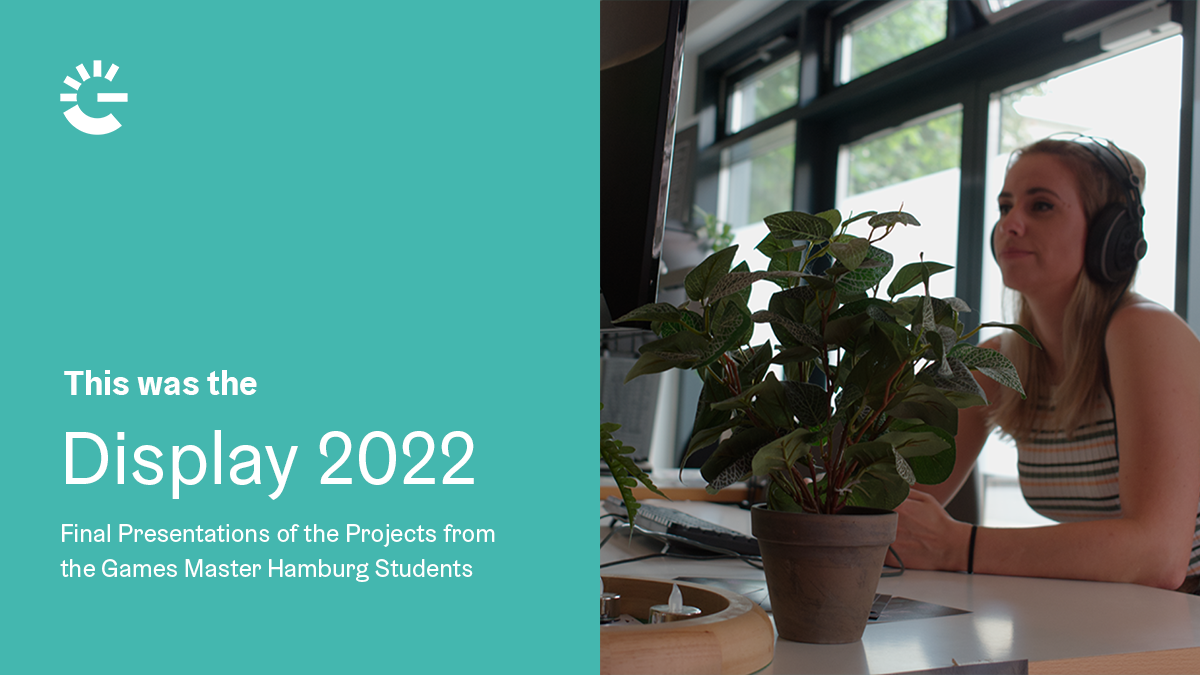
Display 2022: Games Master Showcase
The Display 2022 event served as a showcase for the Games Master program at HAW Hamburg, highlighting the creative output and technical proficiency of students after three semesters of development. The event emphasized the role of public universities in fostering new talent for the German games industry, noting that many student teams from this program successfully transition into professional studio founders and award-winning developers.
The showcase featured six distinct projects, ranging from commercial-ready titles to serious games addressing social issues. Notable entries included Light of Atlantis, a 2D puzzle-platformer; Ki Nana, a nature-themed adventure; and Forlorn, a first-person horror experience. Additionally, the event highlighted serious games such as Das ist kein Spiel mehr, which utilizes board and card games to teach defense against harassment, and Xylophongos, a narrative project exploring terminal care through an ecological lens. The co-op shooter Metacore was also presented, with several of these teams moving on to participate in the Games Lift Incubator 2022.
This initiative underscores the ongoing efforts within Hamburg to bridge the gap between academic training and the professional games market. By providing a platform for students to present their work to industry professionals, the event facilitates networking and professional development. The Games Master program remains a key contributor to the local ecosystem, supported by broader regional initiatives that provide funding, mentorship, and exhibition opportunities for emerging developers. All projects featured during the event are documented and accessible through the HAW Games Lab collection on itch.io.
- The HAW Hamburg Games Master program serves as a primary pipeline for the German games industry, with many student teams transitioning directly into professional studio founders and award-winning developers.
- The Display 2022 event showcased six diverse student projects, including commercial-ready titles like the co-op shooter Metacore and serious games focused on social issues such as harassment and terminal care.
- Several student teams from the 2022 showcase successfully transitioned into the Games Lift Incubator 2022, demonstrating the program's effectiveness in bridging the gap between academic training and the professional market.
- The Games Master program requires three semesters of development for student projects, culminating in a public showcase designed to facilitate networking and professional development with industry experts.
- Regional initiatives in Hamburg provide critical support to the local games ecosystem through a combination of project funding, professional mentorship, and exhibition opportunities for emerging developers.
+1
Gamecity Hamburg
Article
Recap: Road to Gamescom 2022
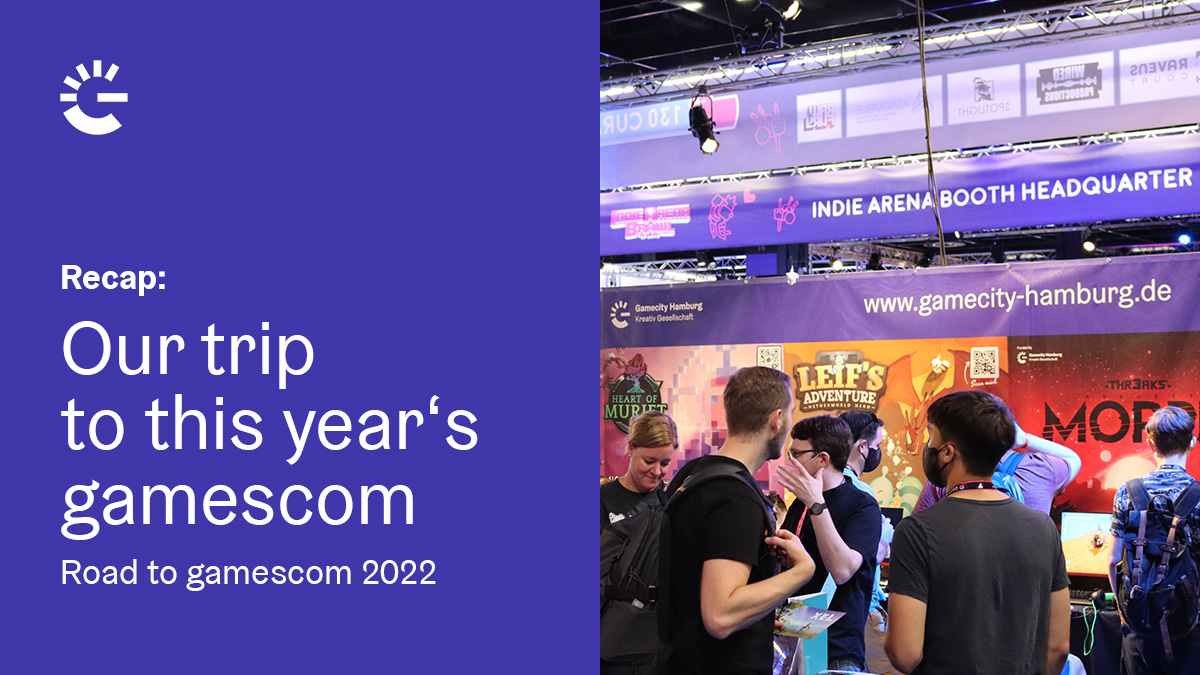
The 2022 Gamescom trade fair marked a significant return to in-person industry engagement, drawing 265,000 visitors to Cologne. As part of its Road to Gamescom initiative, Gamecity Hamburg facilitated the participation of six local indie studios—Tiny Roar, Beardshaker Games, THREAKS, Octofox Games, OneManOnMars, and CRATR.games—at the Indie Arena Booth. This program provided these developers with essential networking opportunities, allowing them to present prototypes and demos to international press, publishers, and the general public.
The initiative focused on professional development and visibility, offering participating studios preparatory workshops to refine their presentation strategies. Beyond the exhibition, Gamecity Hamburg hosted a reception for over 100 industry guests and organized the Drawmerama interactive challenge to increase booth engagement. The Indie Arena Booth itself featured over 130 international studios, successfully integrating both physical and digital components to bridge the gap between in-person and online attendees.
The event underscored the vitality of the Hamburg indie scene, with notable recognition for local publishing efforts, such as the award-winning title Inkulinati. By providing a dedicated platform for these studios, the program aimed to foster growth and international exposure for regional developers. The success of this delegation highlights the ongoing importance of regional support structures in navigating major global trade events and connecting local talent with the broader gaming industry.
- Gamescom 2022 marked a major return to in-person events, attracting 265,000 visitors to Cologne.
- Gamecity Hamburg sponsored six local indie studios—Tiny Roar, Beardshaker Games, THREAKS, Octofox Games, OneManOnMars, and CRATR.games—to exhibit at the Indie Arena Booth.
- The Indie Arena Booth hosted over 130 international studios, utilizing a hybrid model that integrated physical exhibition space with digital access for remote attendees.
- Gamecity Hamburg supported its delegation through preparatory workshops, a 100-guest industry reception, and the Drawmerama interactive engagement challenge.
- The initiative aimed to increase international visibility for regional developers, highlighted by the industry recognition of the Hamburg-supported title Inkulinati.
Gamecity Hamburg
Article
Heart of Muriet: Kickstarter Campaign Online
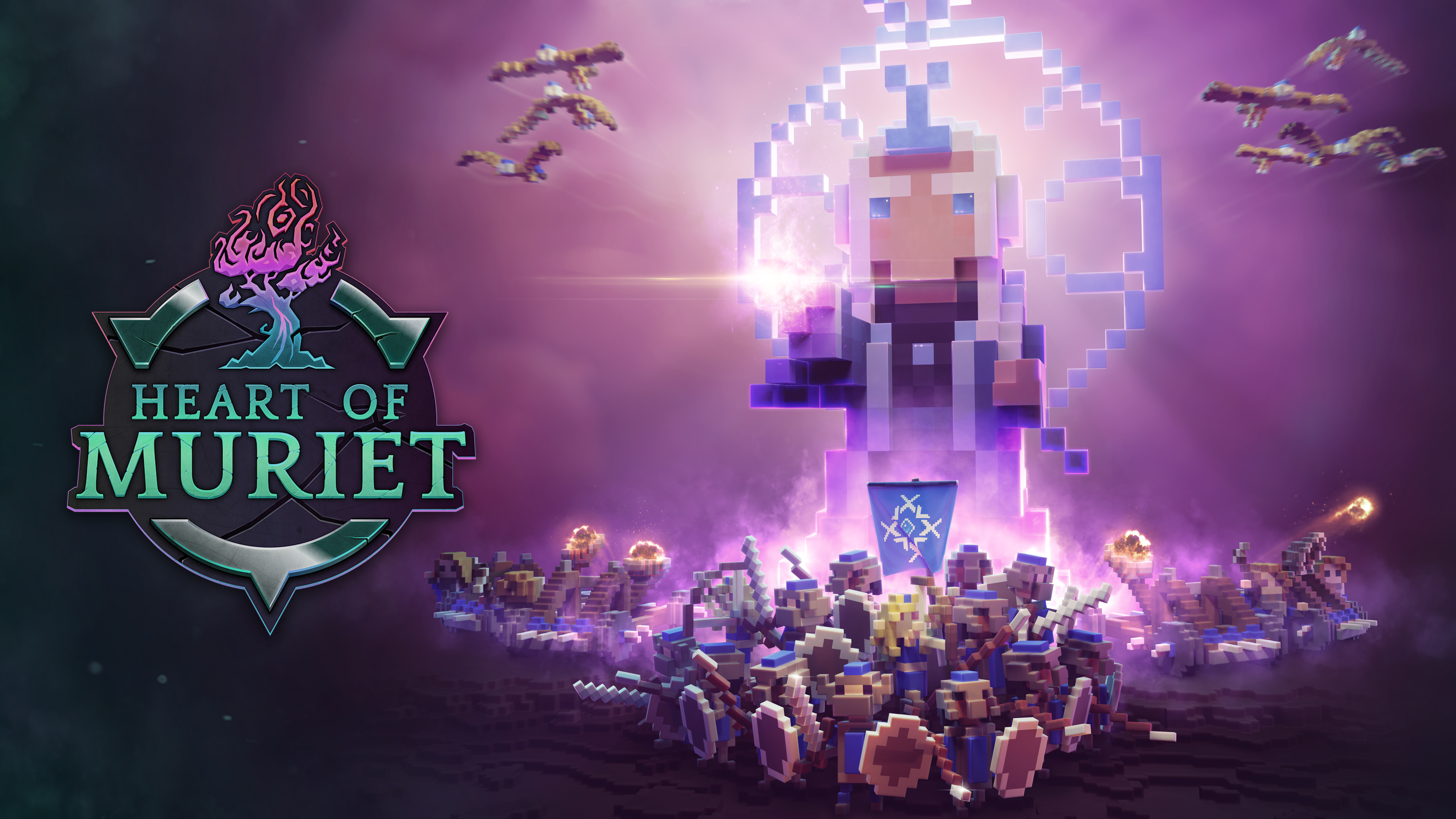
The Hamburg-based game development studio Cratr.games, in collaboration with Microtale Games, initiated a Kickstarter campaign on August 26, 2022, to secure funding for their voxel-based real-time strategy title, Heart of Muriet. The project focuses on large-scale strategy mechanics, including settlement building, spell management, and tactical combat, set within a fantasy world.
The campaign achieved its primary objective rapidly, as the developers successfully secured alternative financing within days of the launch. Consequently, the studio opted to terminate the crowdfunding effort early. Despite the conclusion of the campaign, the developers continue to maintain a playable alpha demo for the title on the Steam platform to engage potential players and gather community interest.
This development highlights the evolving landscape of independent game funding, where crowdfunding platforms serve as both a capital-raising tool and a mechanism for gauging market interest. The project remains active in its development phase, with the studio encouraging users to wishlist the game on Steam to support its ongoing production.
- Cratr.games and Microtale Games launched a Kickstarter campaign for the voxel-based RTS 'Heart of Muriet' on August 26, 2022.
- The developers terminated the crowdfunding campaign early after securing alternative financing within days of the launch.
- The project features large-scale strategy mechanics, including settlement building, spell management, and tactical combat in a fantasy setting.
- A playable alpha demo for 'Heart of Muriet' remains available on Steam to maintain community engagement and gather interest.
- The studio is currently utilizing Steam wishlists as a primary metric to track market interest and support the ongoing development phase.
Gamecity Hamburg
Article
New Round for School Internship in Hamburg-Based Games Companies: January 2023
The School Internship Games program, hosted in Hamburg, serves as a strategic initiative to introduce 9th-grade students to professional career paths within the local games industry. By facilitating direct engagement between students and established development studios, the program aims to cultivate future talent and bridge the gap between academic education and industry requirements. This initiative highlights the importance of early vocational exposure in a sector that remains a significant economic pillar for the region.
The January 2023 iteration of the program offered 20 placement spots, evenly distributed between boys and girls, and balanced across district and grammar schools. Participants engaged in a three-week curriculum hosted by industry partners, including InnoGames, Goodgame Studios, and FISHLABS, alongside the Hamburg University of Applied Sciences (HAW Hamburg). Under the guidance of media educators from the Creative Gaming initiative, students performed practical tasks in game design, programming, and audio production, culminating in a final presentation of their work.
This program represents a collaborative effort within the Hamburg games ecosystem, which comprises over 180 companies. By providing hands-on experience and professional mentorship, the initiative addresses the industry's ongoing need for qualified young professionals. Beyond this specific internship, the broader Gamecity Hamburg organization supports talent development through its Gamecity@School program, which facilitates direct interactions between industry experts and students in classroom settings. These efforts underscore a regional commitment to sustaining Hamburg’s status as a vibrant hub for game development through proactive workforce development and educational outreach.
- The January 2023 School Internship Games program in Hamburg provided 20 placement spots for 9th-grade students, maintaining an equal gender split and balanced representation across school types.
- Industry partners including InnoGames, Goodgame Studios, FISHLABS, and HAW Hamburg hosted the three-week curriculum, which focused on game design, programming, and audio production.
- The initiative is designed to address the local industry's need for qualified professionals by bridging the gap between academic education and professional requirements.
- Hamburg’s games ecosystem currently comprises over 180 companies, making the region a significant hub for game development.
- The program is supported by the Creative Gaming initiative, which provides media educators to guide students through practical tasks and final project presentations.
Gamecity Hamburg
Article
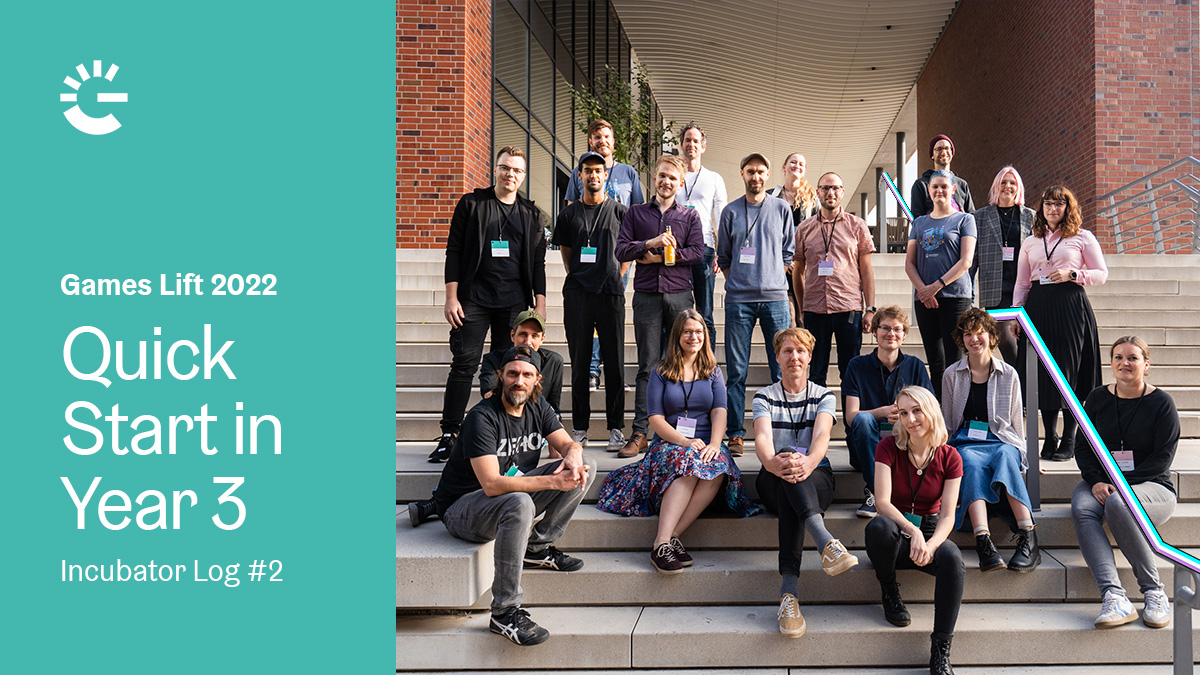
Games Lift Log #2: Quick Start in Year 3
The Games Lift Incubator, an initiative by Gamecity Hamburg, successfully launched its third annual cohort in September 2022. The program is designed to support five selected game development teams through a combination of intensive workshops, expert mentorship, and networking opportunities. By providing professional guidance on project management, business canvassing, and pitching, the incubator aims to accelerate the development of independent game projects while fostering connections between emerging developers and established industry professionals.
The 2022 iteration of the program emphasizes a hybrid approach, utilizing both in-person workshops and remote sessions with international experts to maximize resource efficiency and accessibility. A notable addition to the current curriculum is the introduction of a scheduled one-week break. This strategic pause is intended to mitigate team stress and accommodate the diverse professional demands placed on participants, such as existing contract work, prior to the high-pressure Milestone Pitch phase.
Feedback from participants and mentors highlights the program's effectiveness in creating a supportive environment that balances rigorous professional training with genuine industry engagement. The high rate of returning mentors and the positive reception from participating teams underscore the value of the incubator’s structured approach. By facilitating direct access to industry veterans and providing a dedicated space for collaboration, the program continues to serve as a vital development hub for the Hamburg games industry, helping teams refine their creative visions and business strategies.
- Gamecity Hamburg launched the third annual Games Lift Incubator in September 2022, supporting five selected independent game development teams.
- The 2022 program utilizes a hybrid model, combining in-person workshops with remote sessions featuring international experts to improve accessibility and resource efficiency.
- A new one-week break was added to the curriculum to help teams manage stress and balance external professional commitments before the Milestone Pitch phase.
- The incubator provides specialized training in project management, business canvassing, and pitching to accelerate the development of independent game projects.
- The program maintains a high rate of returning mentors, indicating strong industry engagement and consistent perceived value in its structured training approach.
Gamecity Hamburg
Article
Games Funding in Hamburg: The Perfect Place to Advance Your Game Projects
Gamecity Hamburg serves as a primary hub for the local video game industry, providing structured financial support, mentorship, and networking opportunities to foster studio growth and project development. Established in 2003 by the City of Hamburg, the initiative aims to nurture developers and startups through various stages of the production lifecycle, ranging from initial concepting to market launch.
The organization manages two core programs: Prototype Funding and the Games Lift Incubator. Prototype Funding offers non-repayable grants of up to 80,000 euros, covering up to 80 percent of eligible project costs, and has supported 37 projects with over 2 million euros in funding as of 2025. Complementing this, the Games Lift Incubator provides selected teams with 15,000 euros in financing, alongside a comprehensive year-long program of workshops, international expert mentoring, and office space. Since its inception in 2020, the incubator has successfully guided 25 teams through their early development milestones.
Beyond direct funding, the initiative emphasizes the strength of the Hamburg ecosystem, which hosts a diverse mix of global industry leaders, established German publishers, and successful independent studios. The region is supported by a robust infrastructure that includes over 12 academic institutions offering gaming-related education, as well as additional resources for office space and development loans provided by the Hamburg Kreativ Gesellschaft and IFB Hamburg. By facilitating regular networking events and connecting developers with a broad range of media and industry partners, the initiative maintains a collaborative environment designed to sustain long-term business success for game makers within the region.
- Gamecity Hamburg provides non-repayable Prototype Funding grants of up to 80,000 euros, covering 80 percent of eligible project costs, with over 2 million euros distributed to 37 projects as of 2025.
- The Games Lift Incubator offers selected teams 15,000 euros in financing plus a year-long program of expert mentoring, workshops, and office space, having supported 25 teams since 2020.
- Hamburg’s gaming ecosystem is supported by more than 12 academic institutions providing specialized gaming education to ensure a steady talent pipeline.
- The initiative facilitates long-term industry growth by connecting developers with a network of global industry leaders, established German publishers, and independent studios.
- Additional financial and operational support for local developers is provided through development loans and office space resources managed by Hamburg Kreativ Gesellschaft and IFB Hamburg.
+1
Gamecity Hamburg