Gamecity Hamburg
Association402 documents
Documents
Article
Games Lift: Team Godcomplex
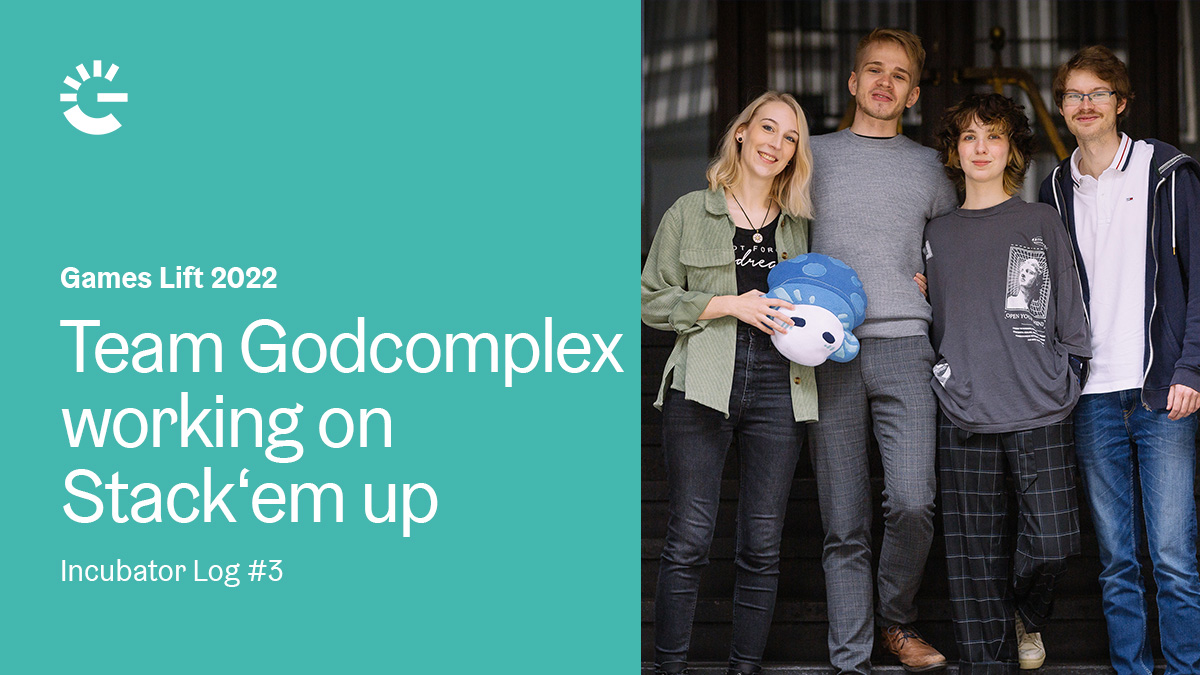
The Games Lift Incubator, an initiative based in Hamburg, Germany, serves as a professional development program for emerging game development teams. The program provides financial support, workshops, and individual mentoring to help studios refine their projects and transition from academic environments to commercial viability. This profile highlights Team Godcomplex, a four-person studio formed at the HAW Hamburg University of Applied Sciences, as they utilize the incubator to develop their latest project, a party action game titled Stack’em up.
The team brings significant experience from previous academic projects, including a mobile game and an atmospheric horror title. Reflecting on past development challenges, the members emphasize the importance of scope management and the necessity of external playtesting to ensure broader market appeal. Stack’em up represents a strategic shift toward a more accessible, multiplayer-focused design that incorporates lessons learned from their earlier, more complex endeavors. The project features a unique mechanic where players stun and stack opponents, fostering a dynamic, non-eliminatory gameplay loop.
The incubator program provides the team with a structured environment to produce a polished, playable demo. By focusing on defining the game’s core visual identity and mechanics, the developers aim to communicate their vision effectively to a wider audience. While the team maintains a realistic outlook on production timelines, estimating approximately two years until an Early Access release, their participation in the incubator is central to their professional maturation. The program continues to act as a vital bridge for local talent, offering the resources necessary to transform creative concepts into sustainable, market-ready products.
- The Hamburg-based Games Lift Incubator provides financial support, workshops, and mentoring to help emerging studios transition from academic projects to commercial viability.
- Team Godcomplex, a four-person studio from HAW Hamburg University of Applied Sciences, is currently utilizing the incubator to develop their party action game, Stack’em up.
- Stack’em up features a non-eliminatory gameplay loop where players stun and stack opponents, marking a strategic shift toward accessible, multiplayer-focused design.
- The team is leveraging the incubator to refine their project's core visual identity and mechanics to ensure broader market appeal through external playtesting.
- Team Godcomplex estimates a two-year development timeline before the planned Early Access release of their project.
+1
Gamecity Hamburg
Article
Road to Polaris: Five Hamburg Indies at the Convention
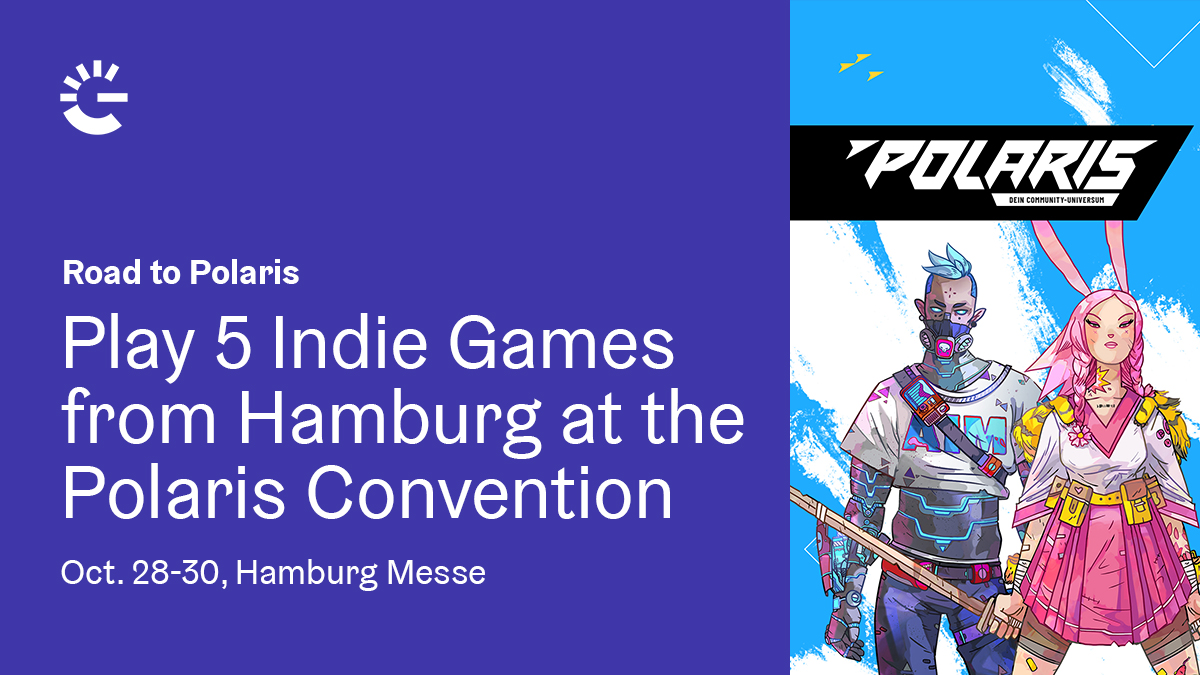
Gamecity Hamburg facilitates the participation of five local indie developer teams at the Polaris Convention, held in Hamburg from October 28 to 30, 2022. The initiative serves to increase the visibility of regional talent by providing a dedicated booth for developers to showcase their projects, engage with the public, and foster industry connections. This effort aligns with the organization’s broader mission to support Hamburg-based game companies through its Road to program, which offers free delegation packages for national and international industry events.
The selected studios and their respective titles include OneManOnMars with the couch co-op adventure Leif's Adventure: Netherworld Hero, Impawsible Games with the platformer Jonah Weingarten's Ninja Brigade, and Beardshaker Games with the narrative title Soulitaire. Additionally, Curvature Games presents its VR adventure The Amusement, while Radioactive Dreams showcases the fast-paced platformer Turbo Shell. These developers represent a diverse range of genres and technical approaches within the local indie scene.
Beyond the indie showcase, the booth serves as a hub for broader industry engagement. The PLAY Creative Gaming Festival utilizes the space to promote its upcoming event, and the Gamecity Hamburg team provides career information sessions for aspiring industry professionals. The Polaris Convention itself acts as a significant regional platform, spanning over 20,000 square meters and hosting more than 250 exhibitors, including major publishers and international e-sports organizations. By integrating these indie studios into a large-scale community event, the initiative aims to bridge the gap between emerging developers and the wider gaming public.
- Gamecity Hamburg supported five local indie studios at the Polaris Convention in Hamburg from October 28–30, 2022, to increase regional talent visibility.
- The Polaris Convention served as a major industry platform, spanning over 20,000 square meters and hosting more than 250 exhibitors, including major publishers and e-sports organizations.
- The five featured studios and their titles were OneManOnMars (Leif's Adventure: Netherworld Hero), Impawsible Games (Jonah Weingarten's Ninja Brigade), Beardshaker Games (Soulitaire), Curvature Games (The Amusement), and Radioactive Dreams (Turbo Shell).
- The initiative was part of the 'Road to' program, which provides free delegation packages for Hamburg-based companies to attend national and international industry events.
- The booth functioned as a multi-purpose hub, hosting career information sessions for aspiring professionals and promoting the upcoming PLAY Creative Gaming Festival.
+1
Gamecity Hamburg
Article
Games Lift: People Make the Incubator
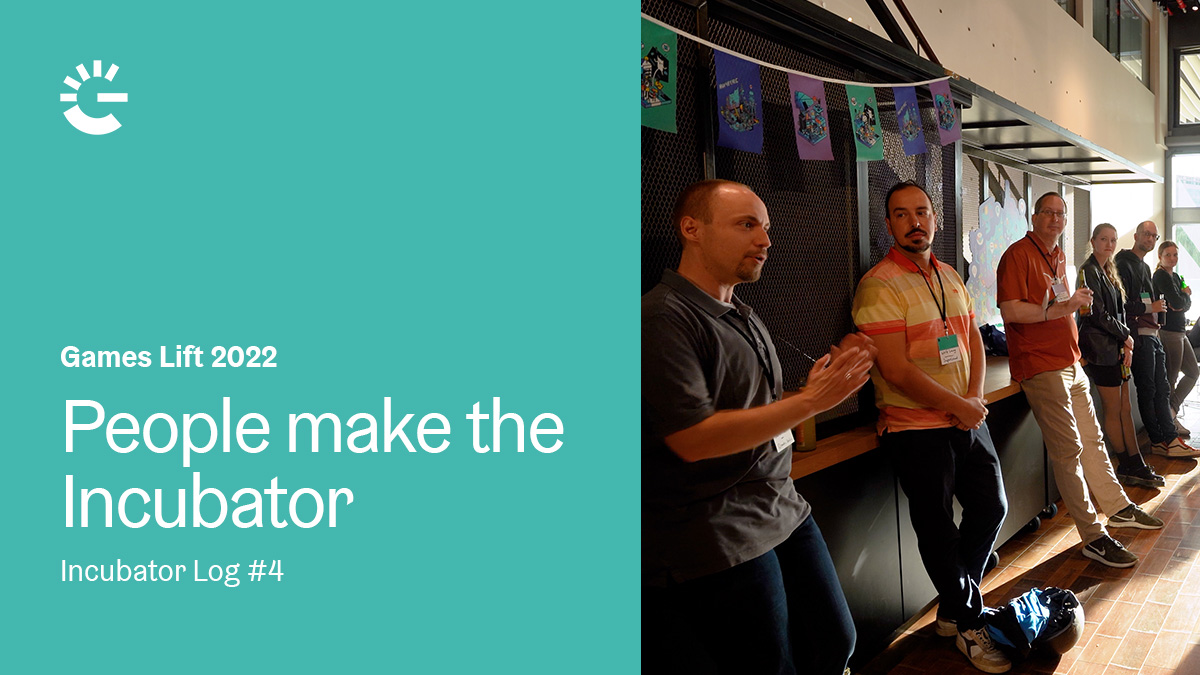
The Games Lift Incubator, an initiative by Gamecity Hamburg, functions as a professional development hub designed to foster growth within the local games industry. The program’s primary thesis is that the success of game studios and projects is fundamentally driven by the people involved, emphasizing that mentorship, networking, and human connection are the essential catalysts for innovation and commercial viability. By connecting emerging talent with seasoned industry veterans, the incubator facilitates the transfer of critical knowledge, ranging from technical development to market positioning.
The incubator leverages a network of over 35 industry experts who serve as mentors, coaches, and teachers. These professionals provide specialized guidance, such as pitch training and market analysis, to help independent studios navigate the complexities of the games market. A key finding is that this mentorship often results in tangible improvements to game design and business strategy, as evidenced by alumni who successfully integrated mentor feedback into their final products. Furthermore, the program serves as a vital networking bridge, creating professional opportunities that extend well beyond the duration of the incubator itself.
Geographically focused on Hamburg, Germany, the program supports five selected teams annually through a combination of financial grants, workshop series, and long-term individual mentoring. The initiative highlights a reciprocal benefit for the industry: while young developers gain necessary expertise and industry exposure, established professionals and studios benefit from fresh perspectives, talent scouting, and the opportunity to contribute to the local ecosystem. By prioritizing the human element of game development, the incubator aims to build a sustainable, collaborative, and highly skilled community of creators.
- The Games Lift Incubator in Hamburg, Germany, supports five selected game development teams annually through a combination of financial grants, workshops, and long-term mentoring.
- The program utilizes a network of over 35 industry experts who provide specialized guidance in areas such as pitch training, technical development, and market positioning.
- The incubator’s core strategy is to accelerate studio success by facilitating the transfer of knowledge from seasoned veterans to emerging talent.
- Mentorship within the program directly influences product outcomes, with alumni successfully integrating expert feedback into their final game designs and business strategies.
- The initiative functions as a networking bridge, creating professional opportunities for participants that persist long after the formal program concludes.
Gamecity Hamburg
Article
Games Lift: Team Metacore Is Up for a Challenge
The Games Lift incubator program, managed by Gamecity Hamburg, serves as a developmental platform for emerging game studios, providing financial support, mentorship, and professional guidance. A primary objective of the program is to assist teams in refining their game concepts, improving technical execution, and mastering the essential business skills required for industry success, such as marketing, public relations, and pitching.
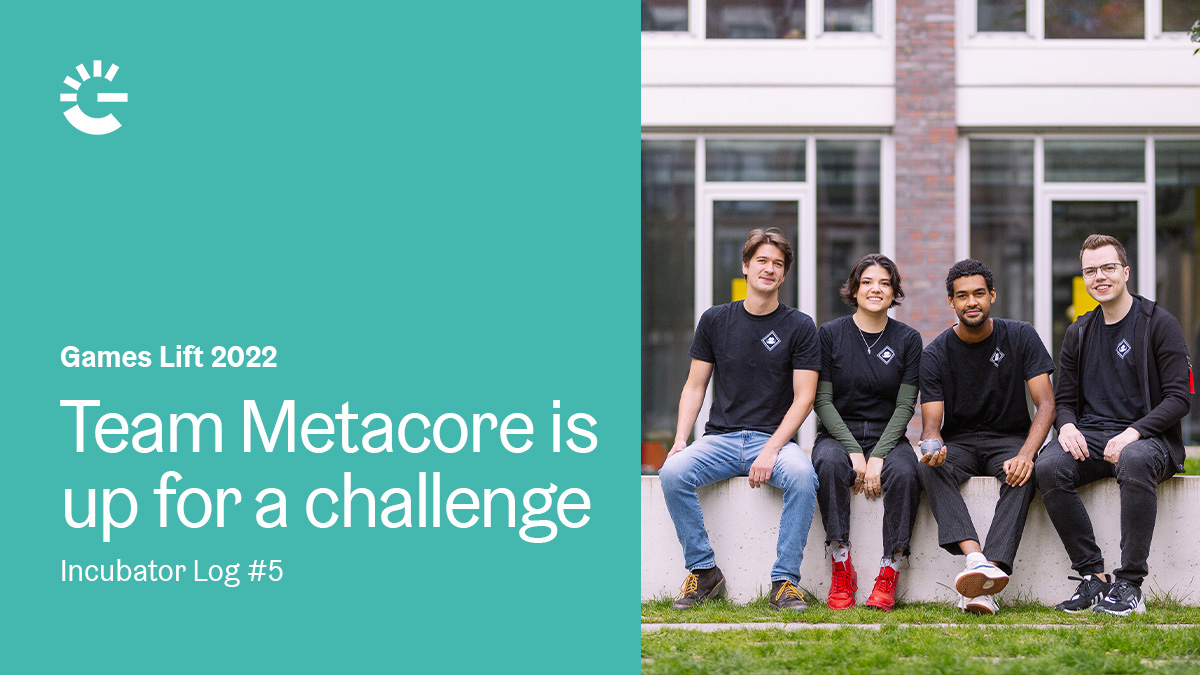
The development of the cooperative first-person shooter Metacore serves as a case study for the incubator’s impact. Formed by students from the HAW Hamburg University of Applied Sciences, the team utilized the program to transition from academic prototypes to a more commercially viable product. By participating in the incubator, the developers focused on identifying core gameplay mechanics, cutting extraneous features, and defining a unique value proposition. The team’s primary goal during this period was to establish a final concept that emphasizes player synergy and interaction, drawing inspiration from established titles while differentiating their project through specific mechanics like the use of spherical cores.
The program highlights the necessity of iterative design and professional communication in the game development lifecycle. Through the incubator, participants engage in intensive peer-to-peer playtesting and expert-led workshops to ensure their projects are both fun and marketable. By focusing on the "elevator pitch" and refining the core experience, the program enables small, early-stage teams to build the confidence and clarity needed to present their work effectively to the broader gaming industry.
- The Games Lift incubator, managed by Gamecity Hamburg, provides early-stage studios with financial support, mentorship, and training in marketing, PR, and pitching to improve commercial viability.
- The student-led team behind the cooperative first-person shooter Metacore used the program to transition from academic prototypes to a refined, market-ready product.
- Metacore’s development strategy focused on identifying core gameplay mechanics, eliminating extraneous features, and defining a unique value proposition centered on player synergy.
- The project differentiates itself from established genre titles by incorporating specific mechanics, such as the use of spherical cores, to enhance player interaction.
- The incubator program emphasizes iterative design through intensive peer-to-peer playtesting and expert-led workshops to ensure projects are both engaging and marketable.
+1
Gamecity Hamburg
Article
Recap: Road to Polaris 2022
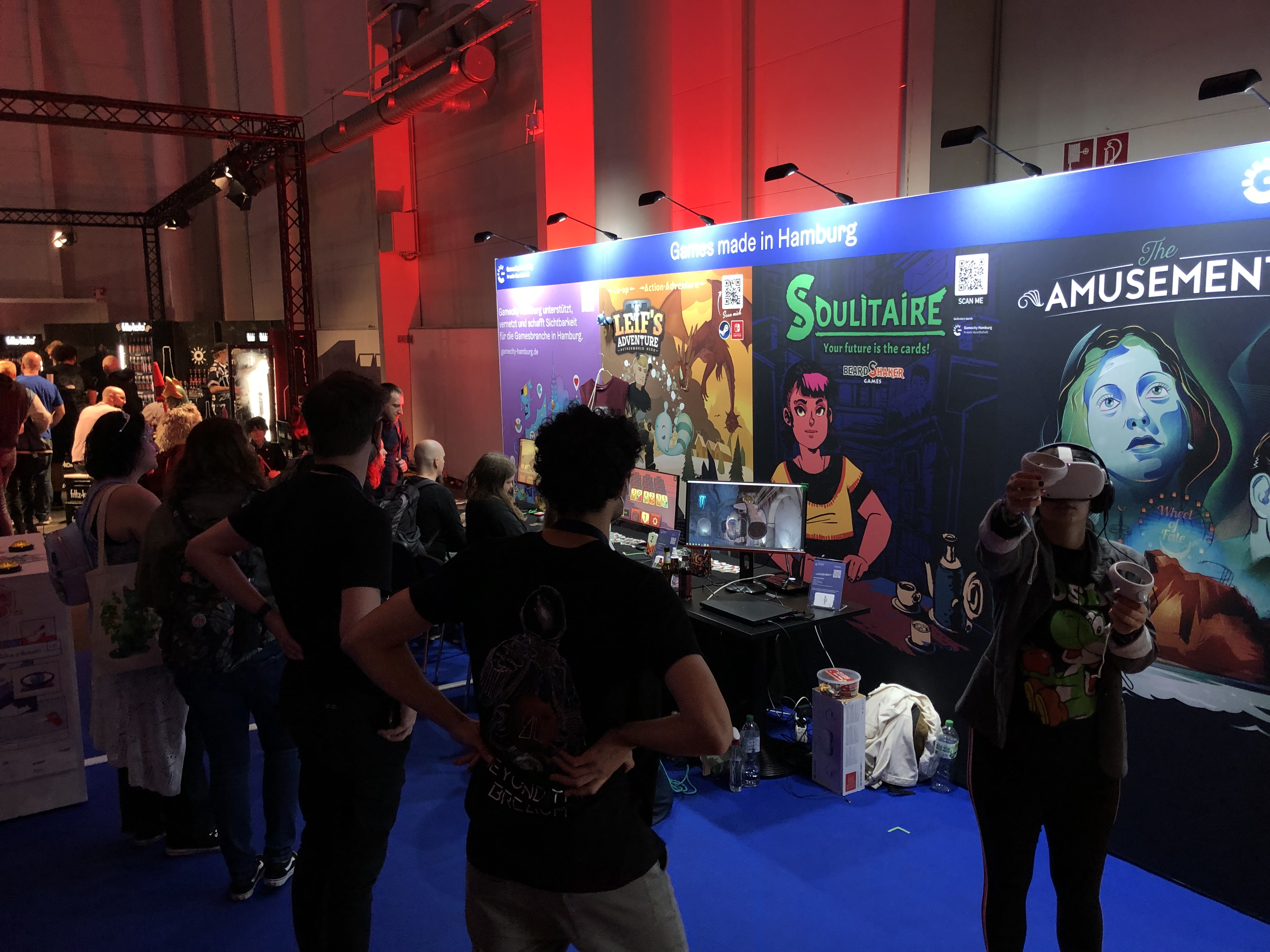
The Polaris Convention, held in Hamburg from October 28 to 30, 2022, served as a new regional platform for gaming, e-sports, and Asian pop culture. The inaugural event attracted approximately 10,000 visitors and featured roughly 150 national and international exhibitors. The convention provided a comprehensive environment for industry engagement, incorporating stage shows, competitions, and interactive gameplay stations across various themed zones.
Gamecity Hamburg utilized the event to support local talent through its Road to Polaris program, which provided a free joint booth for five Hamburg-based indie studios. These developers—OneManOnMars, Impawsible Games, Beardshaker Games, Curvature Games, and Radioactive Dreams—used the space to showcase their projects, gather direct user feedback, and foster business connections. The booth also hosted a small installation for the PLAY Creative Gaming Festival and received a visit from the First Mayor of Hamburg, Dr. Peter Tschentscher, who engaged with the developers regarding the city’s status as a significant hub for the games industry.
Beyond the exhibition floor, the event facilitated professional networking through a dedicated Gamecity Treff gathering at the Grüner Jäger music club. This networking session drew over 250 attendees from the local games and gaming industry, further strengthening the regional professional community. The successful integration of public-facing showcases and industry-focused networking highlights the ongoing efforts to promote Hamburg as a central location for game development and innovation.
- The inaugural Polaris Convention in Hamburg (October 28–30, 2022) attracted approximately 10,000 visitors and hosted 150 exhibitors across gaming, e-sports, and Asian pop culture sectors.
- Gamecity Hamburg’s 'Road to Polaris' program provided a free joint booth for five local indie studios: OneManOnMars, Impawsible Games, Beardshaker Games, Curvature Games, and Radioactive Dreams.
- A dedicated networking event, Gamecity Treff, held at the Grüner Jäger music club, drew over 250 industry professionals to foster regional community growth.
- The convention served as a platform for indie developers to conduct user testing, showcase projects, and establish business connections.
- The event featured a visit from Hamburg’s First Mayor, Dr. Peter Tschentscher, reinforcing the city's strategic focus on positioning itself as a central hub for game development and innovation.
Gamecity Hamburg
Article
Games Lift: Elin Meinecke on Sowing Diversity
The Games Lift Incubator, an initiative based in Hamburg, Germany, serves as a developmental platform for emerging game developers, providing mentorship, workshops, and professional guidance. A primary focus of the program is to assist independent creators in refining their projects and navigating the complexities of the industry. The incubator emphasizes the importance of collaborative feedback and structured goal-setting, which are essential for developers transitioning from conceptual stages to functional prototypes.
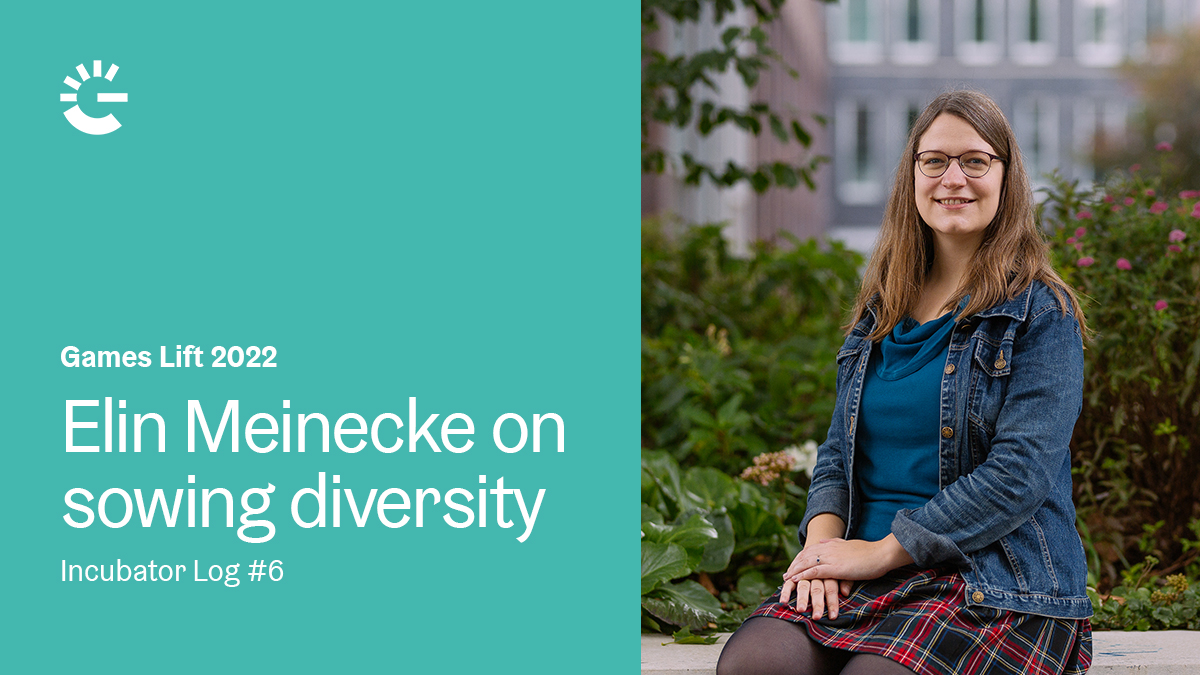
A notable participant, Elin Meinecke, highlights the program's impact through her work on the farming simulation game, Evergreen Garden. Her project challenges traditional genre conventions by moving away from simplistic monoculture mechanics toward a system that rewards biodiversity and environmental interaction. By incorporating real-world ecological principles—such as natural pest control and symbiotic plant relationships—the game aims to create a more resilient and complex virtual ecosystem.
The development process for Evergreen Garden is characterized by a unique, tactile artistic approach. Meinecke utilizes hand-painted acrylic illustrations, which are then digitized and modularly assembled for use in the game. This methodology reflects a broader trend within the incubator of blending traditional artistic disciplines with digital game design. While currently operating as a solo developer, Meinecke acknowledges the necessity of expanding her team to scale the project effectively. The incubator provides the necessary framework for participants to manage these professional transitions, ensuring that creative visions are supported by practical development strategies as they prepare for industry milestones and graduation pitches.
- The Hamburg-based Games Lift Incubator supports emerging independent developers by providing structured mentorship, workshops, and professional guidance to transition projects from conceptual stages to functional prototypes.
- Elin Meinecke’s project, 'Evergreen Garden,' utilizes the incubator's framework to challenge farming simulation conventions by replacing monoculture mechanics with systems based on real-world ecological principles like biodiversity and symbiotic plant relationships.
- The development of 'Evergreen Garden' employs a tactile artistic methodology, featuring hand-painted acrylic illustrations that are digitized and modularly assembled for in-game use.
- The Games Lift program specifically assists solo developers like Meinecke in navigating the professional transition toward scaling their teams for future industry milestones and graduation pitches.
- The incubator’s operational model emphasizes collaborative feedback and structured goal-setting as essential components for successfully navigating the complexities of the game development industry.
+1
Gamecity Hamburg
Article
Games Lift: Team ACAS
The Games Lift Incubator, an initiative based in Hamburg, Germany, serves as a professional development program designed to support emerging game studios in refining their projects and preparing for commercial release. The program focuses on providing mentorship, workshop-based training, and networking opportunities to help teams transition from conceptual prototypes to market-ready products.
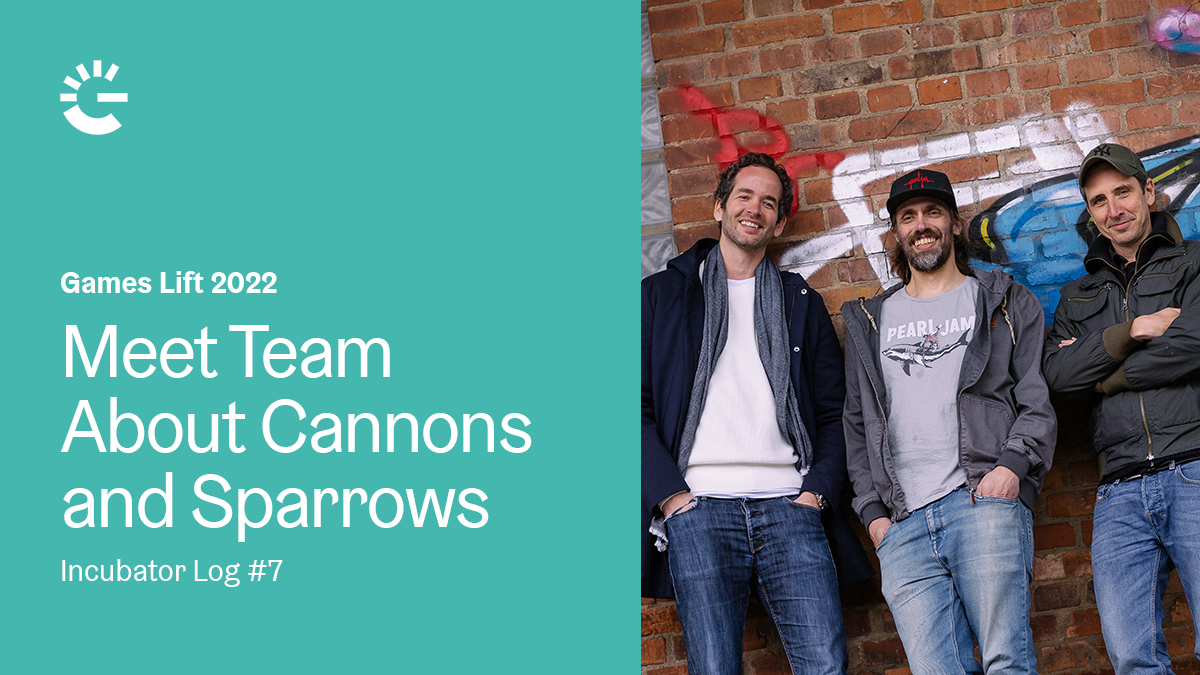
A primary example of this support is Team ACAS, a group of media professionals transitioning into game development with their project, About Cannons & Sparrows. The team leverages decades of experience in film, television, and advertising to create a visually distinct Metroidvania title. Despite the project being in its early stages, the incubator has provided the necessary structure to refine their pitch, improve technical skills, and foster collaboration with other developers. The program emphasizes the importance of synergy, allowing teams to share expertise and receive guidance from mentors and peers to overcome the uncertainties inherent in independent game development.
The incubator’s methodology centers on iterative development, where teams work toward creating a tangible, playable prototype. By participating in specialized workshops, teams like Team ACAS gain the confidence required to engage with publishers and navigate the business side of the industry. The ultimate goal for these participants is to reach a level of maturity that allows them to expand their teams and successfully launch their titles. Through this structured environment, the program facilitates a professional climate that encourages both creative vision and commercial viability, ensuring that independent studios are well-positioned for long-term growth within the competitive gaming market.
- The Games Lift Incubator in Hamburg provides a structured professional development program to help emerging game studios transition from conceptual prototypes to market-ready products.
- Team ACAS is utilizing the incubator to develop 'About Cannons & Sparrows,' a Metroidvania title that leverages the team's professional background in film, television, and advertising.
- The incubator methodology prioritizes iterative development, focusing on the creation of a tangible, playable prototype as a prerequisite for commercial success.
- Participants receive specialized training through mentorship and workshops designed to improve technical skills, refine project pitches, and navigate the business side of the gaming industry.
- The program facilitates peer-to-peer collaboration and synergy, allowing studios to share expertise and overcome the inherent uncertainties of independent game development.
+1
Gamecity Hamburg
Article
Games Lift: Team Marty Aim Outside the Box
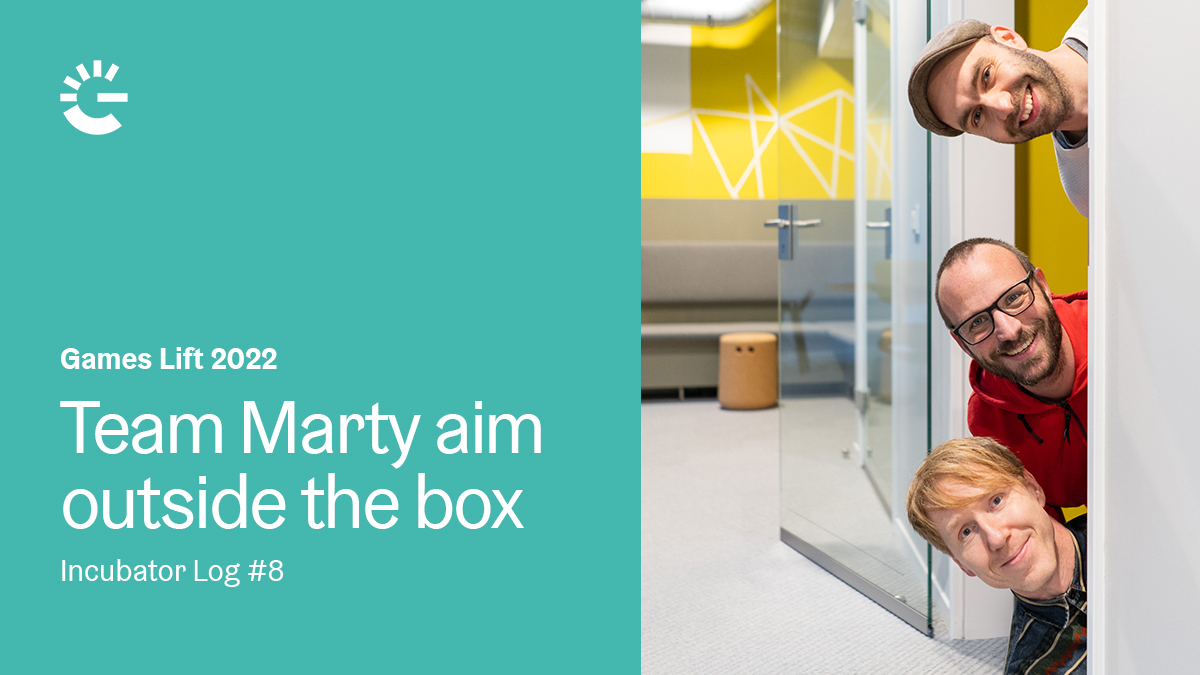
Team Marty, an independent game development group based in Hamburg, is currently utilizing the Games Lift incubator program to refine their project, Babsi Bullet. The team consists of coder André Peschka, art director René Zimmermann, and musician Christian Plinke. Their primary objective is to transition from a mobile-first, action-puzzle prototype toward a more sustainable commercial model that avoids the pitfalls of the saturated free-to-play mobile market.
Babsi Bullet is a 2D platformer featuring unique mechanics where the protagonist acts as a projectile, allowing players to navigate levels by tapping on enemies. While the game is optimized for touchscreens, the developers are actively expanding compatibility to include mouse and controller inputs. The team emphasizes a "handmade" approach to design, utilizing iterative playtesting to refine level complexity and character progression, including Metroidvania-style elements that allow for backtracking and exploration.
Participation in the incubator has provided critical business development insights, specifically regarding market positioning. Expert analysis highlighted the challenges of achieving visibility in traditional app stores, prompting the team to pivot their strategy. Team Marty is now focusing on securing placement within subscription and streaming services, such as Apple Arcade, while simultaneously planning a PC release. This strategic shift reflects a broader effort to ensure the long-term viability of their premium, quality-focused title within the competitive indie gaming landscape.
- Hamburg-based developer Team Marty is pivoting their project, Babsi Bullet, from a mobile-first free-to-play model toward a premium strategy to avoid the saturated mobile market.
- The team is shifting their distribution focus away from traditional app stores, targeting placement in subscription and streaming services like Apple Arcade alongside a planned PC release.
- Babsi Bullet is a 2D platformer featuring unique projectile-based movement mechanics where players navigate levels by tapping on enemies.
- Development is currently focused on expanding input compatibility beyond touchscreens to include mouse and controller support.
- The project is incorporating Metroidvania-style exploration and backtracking elements, refined through iterative playtesting to improve level complexity and character progression.
+1
Gamecity Hamburg
Article
Hamburg Games Conference: Invest in Games
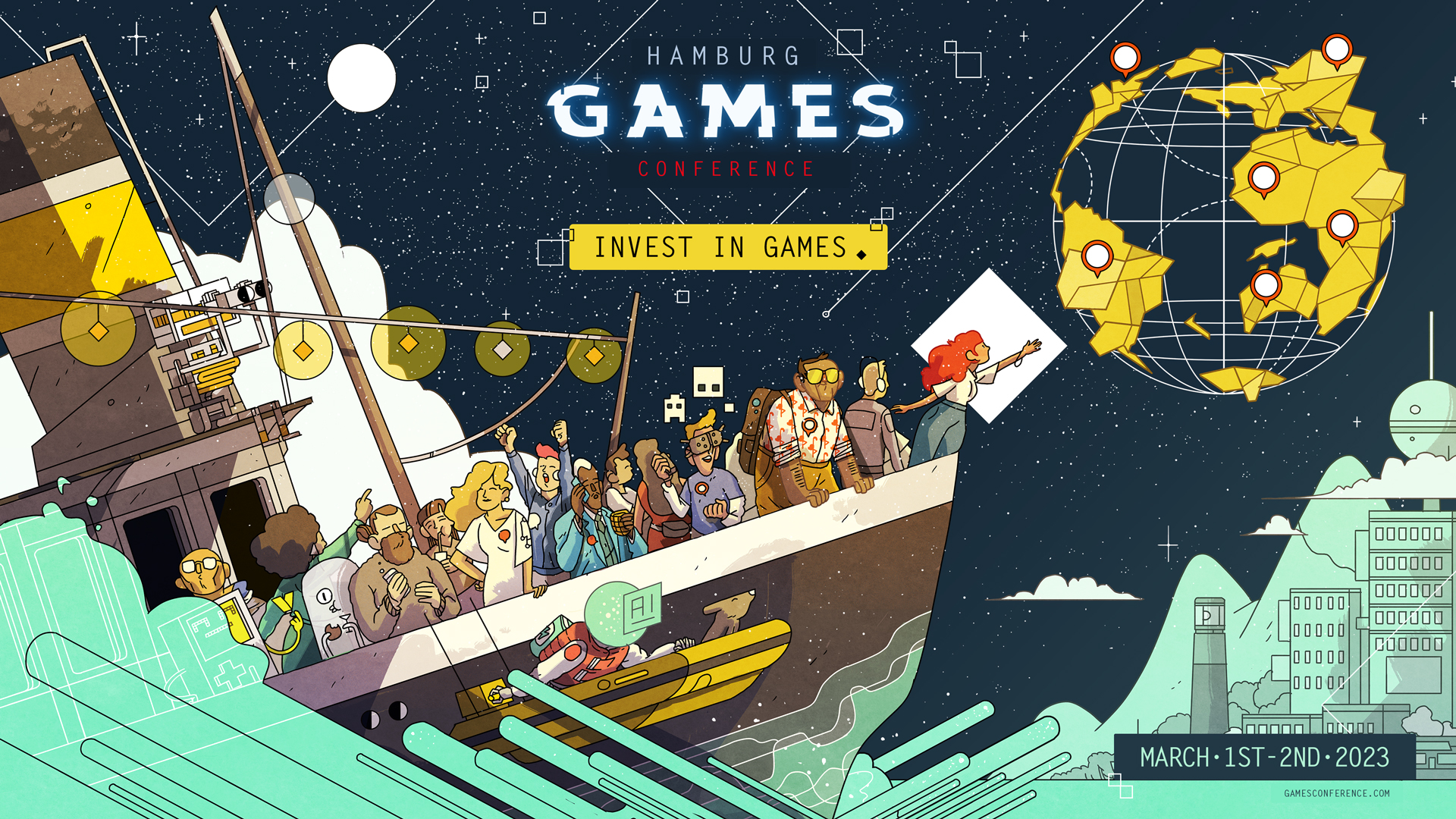
The Hamburg Games Conference, held on March 1-2, 2023, at the Altonaer Museum in Hamburg, serves as a premier B2B event for the international games industry. The primary objective of the 14th edition was to explore the theme "Invest in Games," focusing on the evolving financial landscape of the sector. The program aimed to address critical industry questions regarding untapped market potential, the challenges studios face in securing funding, and the sustainability of the ongoing wave of high-value mergers and acquisitions.
The conference structure featured two parallel tracks designed to bridge the gap between creative development and financial viability. The main track facilitated high-level discussions between game studios and investors, while the secondary track provided practical insights into public funding, private investment strategies, and best practices for marketing digital games. Beyond the core programming, the event included an expo area for indie studios and service providers, alongside a digital matchmaking system to foster professional networking.
The event marked a return to a fully on-site format following two years of hybrid and digital iterations. Participation was broad, catering to diverse segments of the industry, including established studios, startups, and students. The organizers—Gamecity Hamburg, GRAEF Rechtsanwälte, and Super Crowd Entertainment—implemented tiered pricing to encourage attendance, with early bird, business, startup, and student tickets. By providing a platform for both established industry leaders and emerging developers, the conference continues to function as a vital hub for professional development and capital acquisition within the European games market.
- The 14th Hamburg Games Conference, held March 1-2, 2023, focused on the theme 'Invest in Games' to address challenges in studio funding and the sustainability of high-value mergers and acquisitions.
- The event returned to a fully on-site format at the Altonaer Museum, moving away from the hybrid and digital models used during the previous two years.
- The conference utilized a dual-track structure to connect creative development with financial viability, covering topics such as public funding, private investment strategies, and digital marketing best practices.
- Organized by Gamecity Hamburg, GRAEF Rechtsanwälte, and Super Crowd Entertainment, the event served as a central hub for capital acquisition and professional networking within the European games market.
- The conference featured an expo area for indie studios and service providers alongside a digital matchmaking system to facilitate professional connections.
+1
Gamecity Hamburg
Article
Road to Hamburg Games Conference 2023: Apply until January 30
Gamecity Hamburg facilitates industry growth by offering subsidized exhibition opportunities for local developers at the Hamburg Games Conference 2023. The initiative, titled Road to Hamburg Games Conference, aims to increase the visibility of Hamburg-based studios, publishers, and independent developers by providing them with a dedicated space within the event’s expo area. This effort aligns with the organization's broader mission to support the regional games sector and foster connections between local talent and the international industry.
The program provides selected participants with a physical showcasing spot, two exhibitor passes per team, and promotional support through Gamecity Hamburg’s social media channels. To qualify for these benefits, applicants must be commercially oriented entities with headquarters or a branch office in Hamburg and possess a playable version of their game ready for the conference, which took place on March 1–2, 2023. The application process required interested parties to submit their credentials by a January 30 deadline.
The Hamburg Games Conference serves as a significant B2B event within the European games industry, featuring multiple conference tracks and networking opportunities. By hosting this program, Gamecity Hamburg continues its long-standing practice of integrating local developers into major industry gatherings. This initiative is part of a wider portfolio of support programs managed by the organization, which includes incubator projects, prototype funding, and various networking events designed to sustain the competitive position of the Hamburg games ecosystem.
- Gamecity Hamburg provided subsidized exhibition space and promotional support to local developers for the Hamburg Games Conference held on March 1–2, 2023.
- Applicants were required to submit their credentials by January 30, 2023, to be eligible for the program.
- To qualify, participants needed to be commercially oriented entities with a Hamburg-based headquarters or branch office and possess a playable game demo.
- Selected participants received a physical booth space and two exhibitor passes per team as part of the initiative.
- The program is part of a broader Gamecity Hamburg strategy to integrate local studios into the international B2B market through networking and industry visibility.
Gamecity Hamburg
Article
Recap: Games Compass 2022
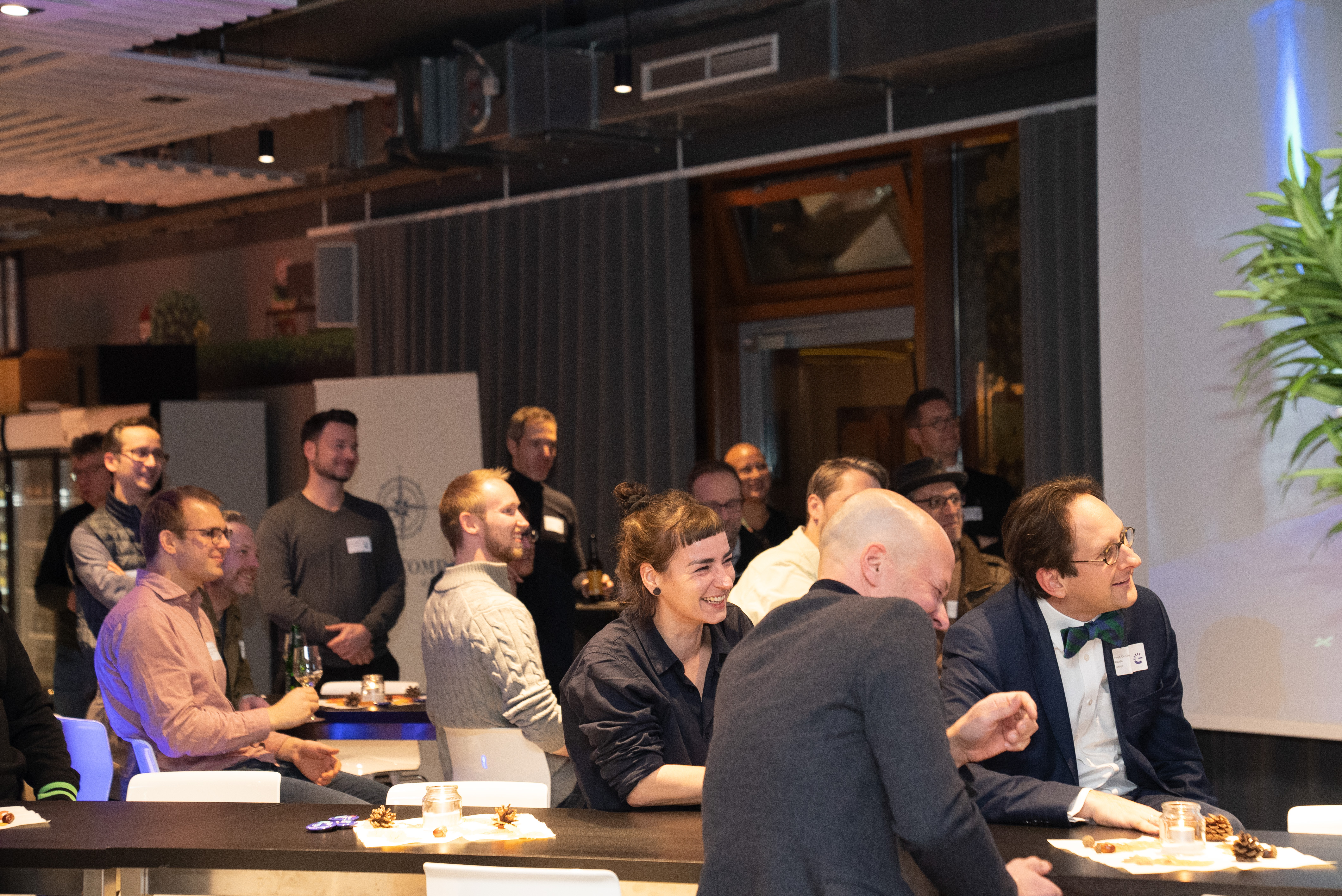
The Games Compass 2022 event, held on November 23, 2022, served as a strategic networking platform for the games and digital media sectors in Hamburg, Germany. Jointly organized by the browser and mobile game developer InnoGames and the industry initiative Gamecity Hamburg, the event marked the return of this professional gathering following a two-year hiatus. The primary purpose of the assembly was to facilitate high-level exchange regarding current industry developments among regional and national stakeholders.
The event hosted 70 invited guests, comprising decision-makers from various games and media companies. Beyond the networking opportunities, the evening featured a formal acknowledgment of Hendrik Peeters, the CEO of Tivola Games, for his long-standing service as a regional representative for the industry association game Hamburg. This recognition highlighted the importance of collaborative leadership and honorary contributions within the regional games ecosystem.
The scope of the event was focused on the Hamburg games industry, emphasizing the city's role as a hub for digital entertainment and professional development. By providing a dedicated space for industry leaders to convene, the organizers aimed to strengthen professional ties and foster a cohesive environment for future growth. The event underscored the ongoing commitment of local organizations to maintain a vibrant, interconnected community for developers, publishers, and industry stakeholders.
- Games Compass 2022 took place on November 23, 2022, in Hamburg, Germany, marking the return of the professional networking event after a two-year hiatus.
- The event was co-organized by InnoGames and Gamecity Hamburg to facilitate strategic exchange among regional and national industry stakeholders.
- Attendance was limited to 70 invited guests, consisting of high-level decision-makers from across the games and digital media sectors.
- Hendrik Peeters, CEO of Tivola Games, was formally recognized during the event for his tenure as a regional representative for the industry association game Hamburg.
- The gathering served to reinforce Hamburg's position as a central hub for digital entertainment and to foster a cohesive professional environment for local developers and publishers.
Gamecity Hamburg
Article
Games Lift Incubator: Grown Together
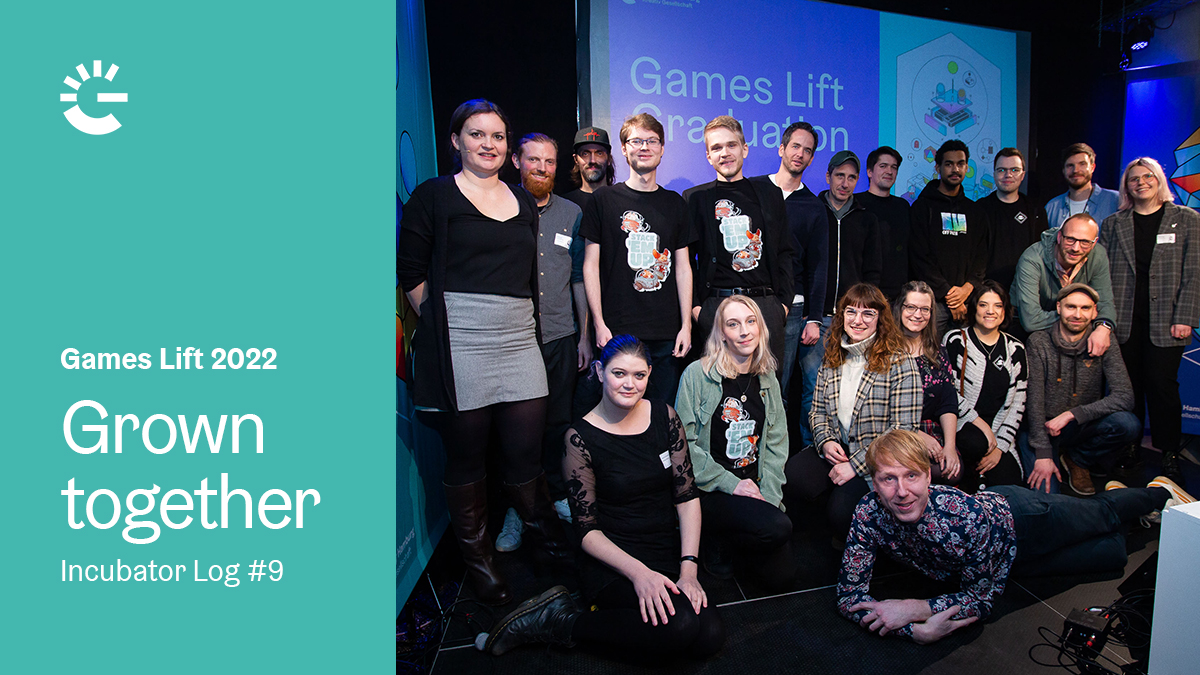
The Games Lift Incubator, a program managed by Gamecity Hamburg, concluded its 2022 cycle with a graduation pitch event held at the Virtual Reality Headquarters in Hamburg. The primary purpose of the incubator is to provide emerging game development teams with professional guidance, workshops, and networking opportunities to accelerate their projects. The program emphasizes the development of team synergy and technical proficiency, offering participants three months of intensive training followed by 12 months of ongoing coaching and public relations support.
The 2022 cohort featured five distinct teams—About Cannons & Sparrows, Metacore, Godcomplex, Team Marty, and developer Elin Meinecke—who showcased significant progress in their respective titles. Notable achievements included the transition from conceptual ideas to playable demos, such as the development of a functional level for the platformer About Cannons & Sparrows and the creation of dynamic, tactical gameplay mechanics for the co-op shooter Metacore. Other projects, including the party action game Stack’em up, the touchscreen-focused platformer Babsi Bullet, and the pastoral simulation Evergreen Garden, demonstrated the diverse creative output fostered by the program.
The incubator relies on a network of over 35 industry veterans who provide mentorship and expertise to the participating teams. By facilitating collaboration between developers with varying skill sets—such as media production and coding—the program aims to build a supportive community within the Hamburg games industry. The graduation event served as a platform for these teams to present their work to an audience, highlighting the program's success in fostering both technical development and professional self-confidence among participants.
- The Games Lift Incubator 2022 cycle supported five development teams—About Cannons & Sparrows, Metacore, Godcomplex, Team Marty, and Elin Meinecke—through a three-month intensive training period followed by 12 months of ongoing coaching.
- The program leverages a network of over 35 industry veterans to provide mentorship, technical guidance, and public relations support to emerging game developers.
- Participating teams successfully transitioned from conceptual ideas to functional prototypes, including a playable platformer level for About Cannons & Sparrows and tactical mechanics for the co-op shooter Metacore.
- The 2022 cohort produced a diverse range of titles, including the party action game Stack’em up, the touchscreen platformer Babsi Bullet, and the pastoral simulation Evergreen Garden.
- Managed by Gamecity Hamburg, the incubator aims to build a sustainable local industry community by facilitating collaboration between developers with diverse skill sets, such as media production and coding.
Gamecity Hamburg