French National Centre for Scientific Research
5 reports, presentations and talks by French National Centre for Scientific Research in the Game Industry Library, the newest “DEEP: A Model of Gaming Preferences Informed by the Hierarchical Nature of Goal-Oriented Cognition” (2025).
Documents
DEEP: A Model of Gaming Preferences Informed by the Hierarchical Nature of Goal-Oriented Cognition
The DEEP model establishes a comprehensive framework for understanding gaming preferences by mapping player agency onto the hierarchical nature of goal-oriented cognition.
- The DEEP model categorizes player engagement into four hierarchical dimensions—Discovering, Experimenting, Expanding, and Performing—which map directly to the cognitive architecture of human goal-setting.
- Empirical analysis of 16,598 video games confirms that 90% of titles utilize this nested hierarchical structure, aligning game design with fundamental cognitive processes.
- Player behavior is predictable based on these dimensions: those who prioritize 'Discovering' and 'Experimenting' engage with a wider variety of titles, while those who favor 'Performing' focus on mastering fewer, specific games.
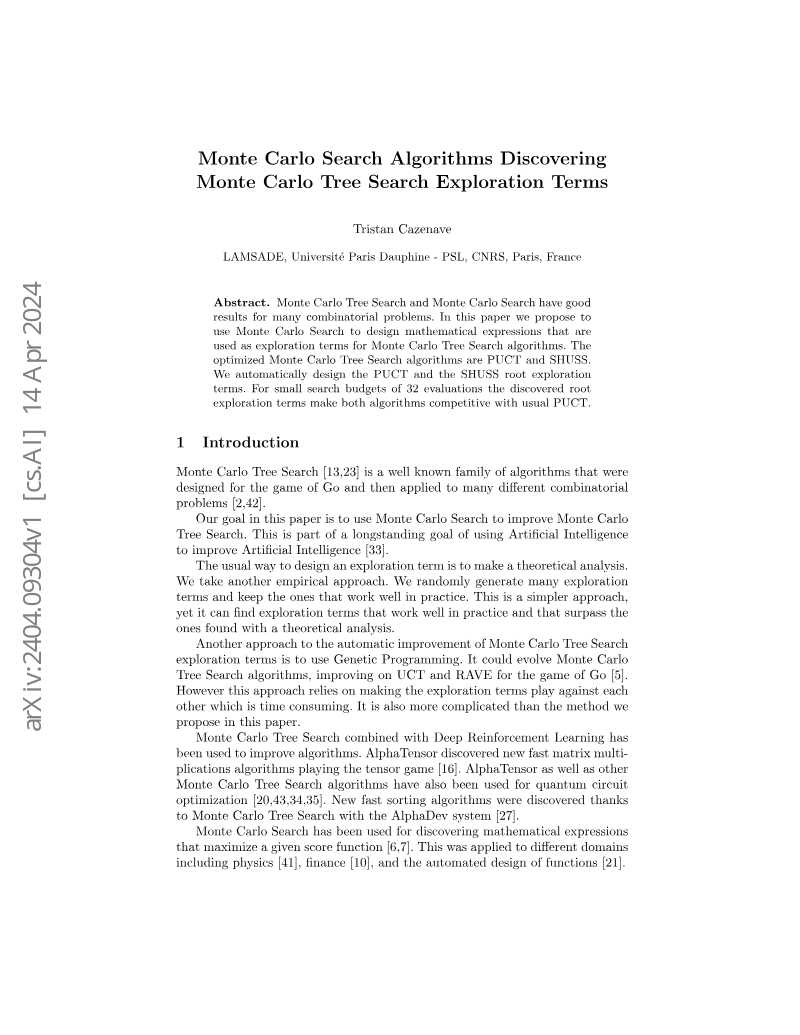
Monte Carlo Search Algorithms Discovering Monte Carlo Tree Search Exploration Terms
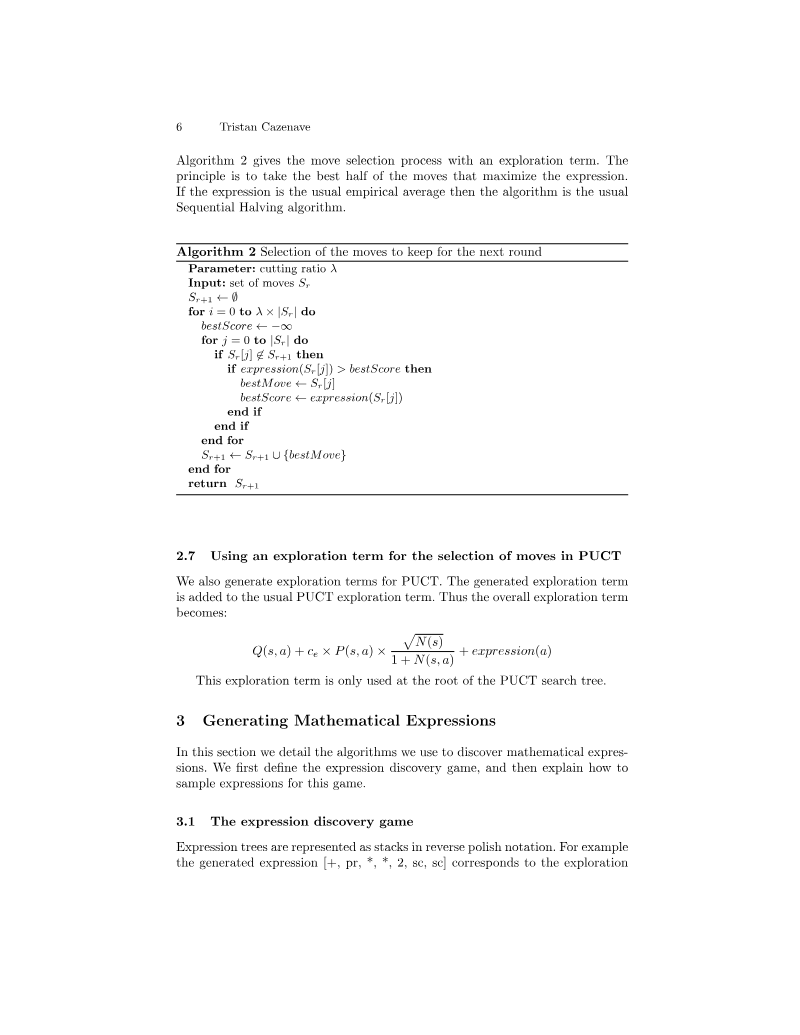
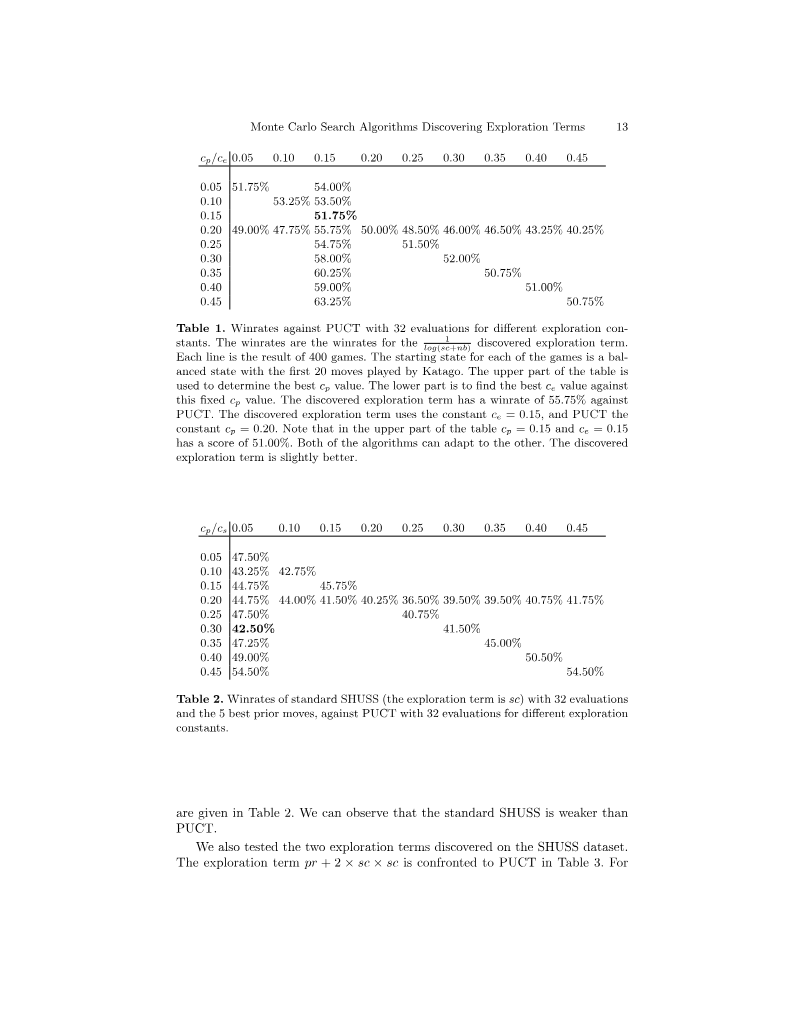
Automated discovery methods for Monte Carlo Tree Search exploration terms represent a significant shift in algorithmic design, moving away from manual, theoretically derived formulas toward machine-generated optimization.
SyDRA: An Approach to Understand Game Engine Architecture
The Subsystem-Dependency Recovery Approach, or SyDRA, provides a structured methodology for navigating the inherent complexity of game engine architectures.
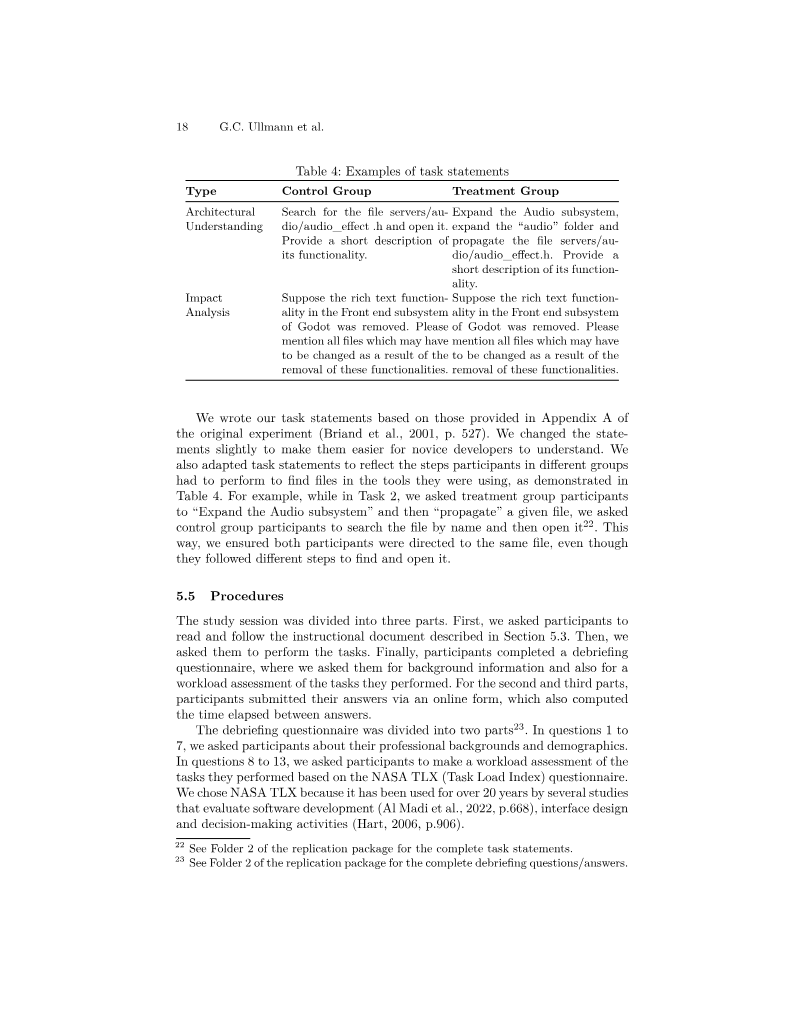
- The Subsystem-Dependency Recovery Approach (SyDRA) improves developer efficiency and accuracy in architectural tasks by visualizing complex dependency models derived from file-include relationships.
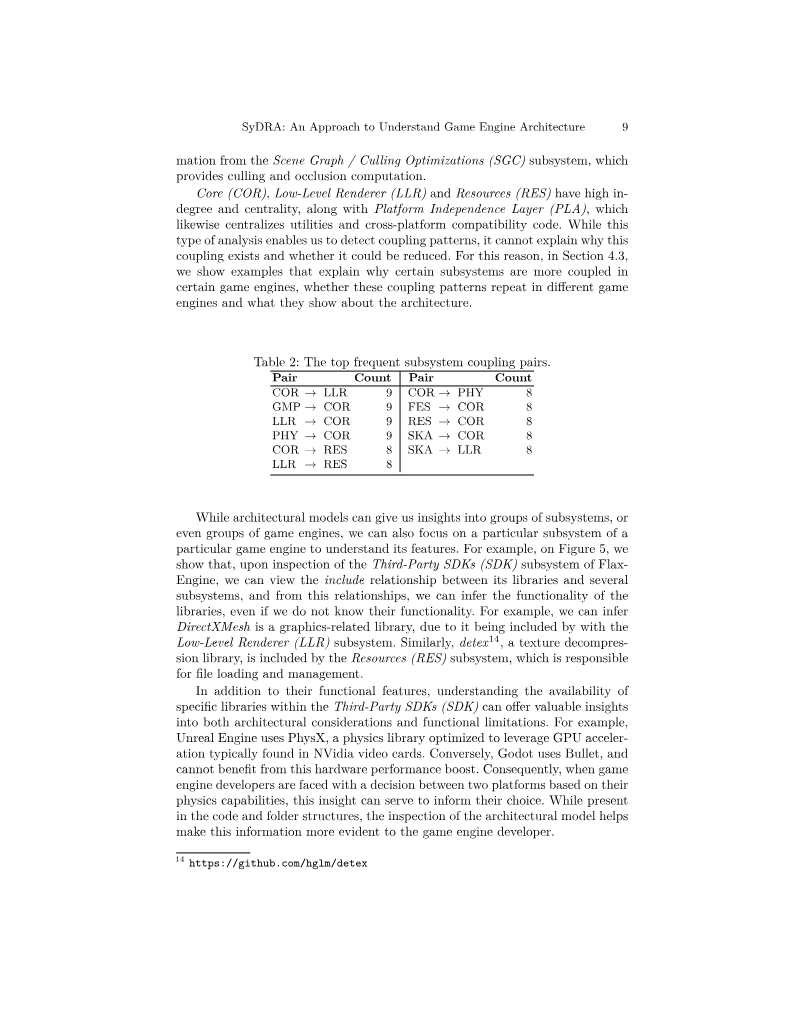
- Empirical analysis of ten open-source game engines identified that core components, specifically low-level rendering and resource management, frequently exhibit high coupling and poor folder-level cohesion.
- SyDRA functions as a diagnostic tool that enables teams to predict the downstream impacts of code modifications and identify specific refactoring opportunities more effectively than manual inspection.
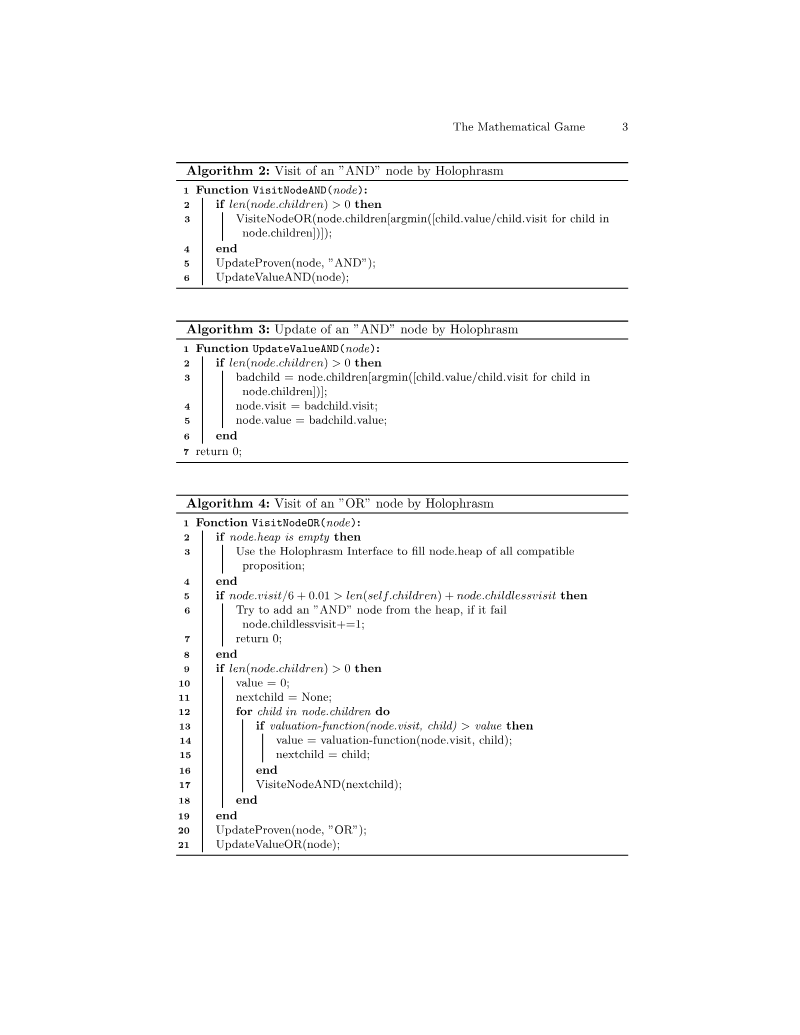
The Mathematical Game
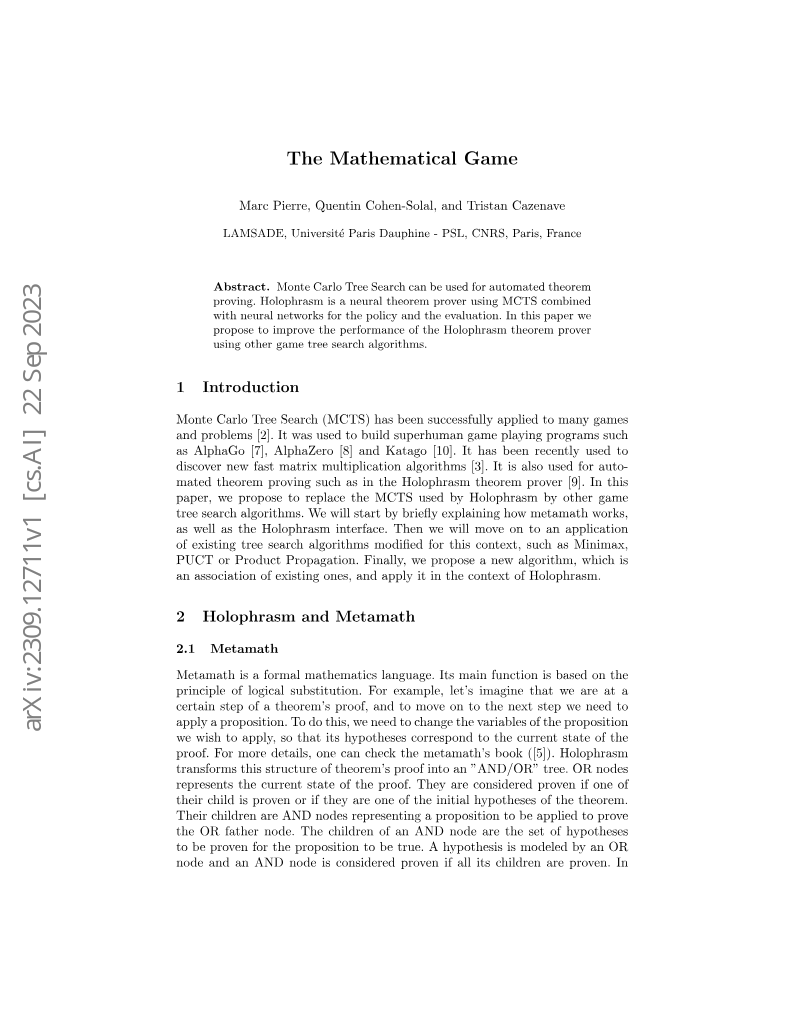
This analysis evaluates the performance of various game tree search algorithms applied to automated theorem proving within the Metamath formal language environment.
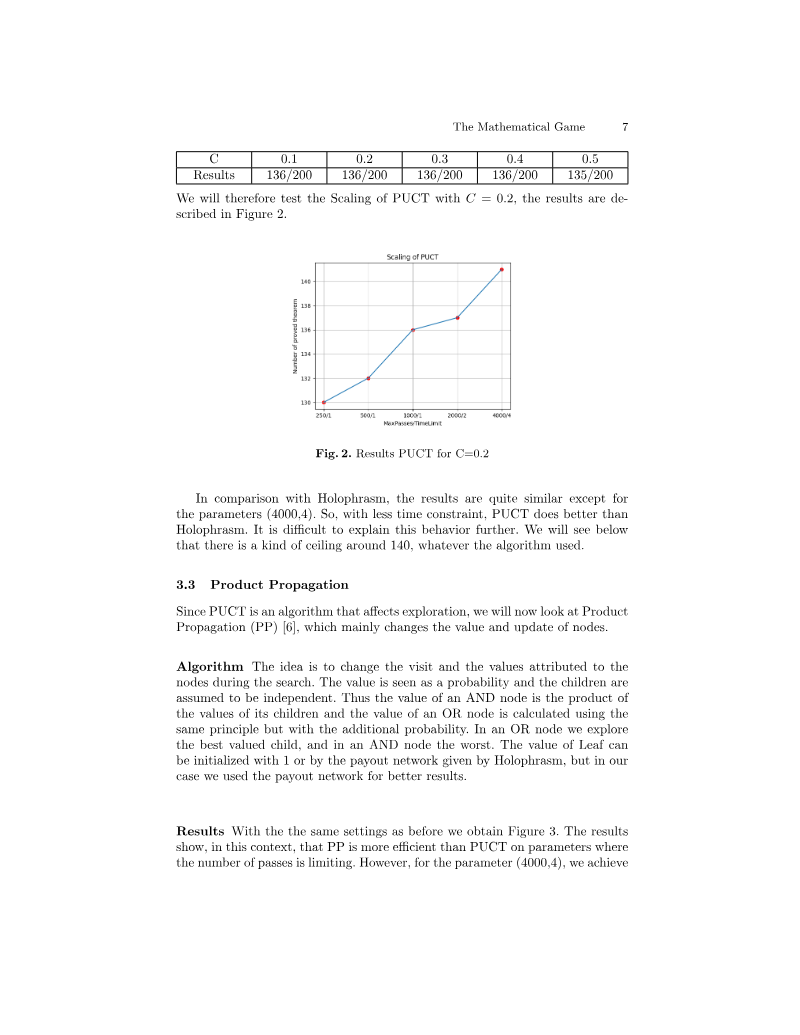
- A hybrid search strategy combining Product Propagation with a modified PUCT bandit function outperformed all other tested methods, solving 144 theorems.
- The hybrid approach successfully surpassed the 141-theorem performance ceiling that had previously limited other search algorithms in the Metamath environment.
- Product Propagation demonstrated superior efficiency for automated theorem proving, particularly when operating under strict time constraints.
Batch Monte Carlo Tree Search
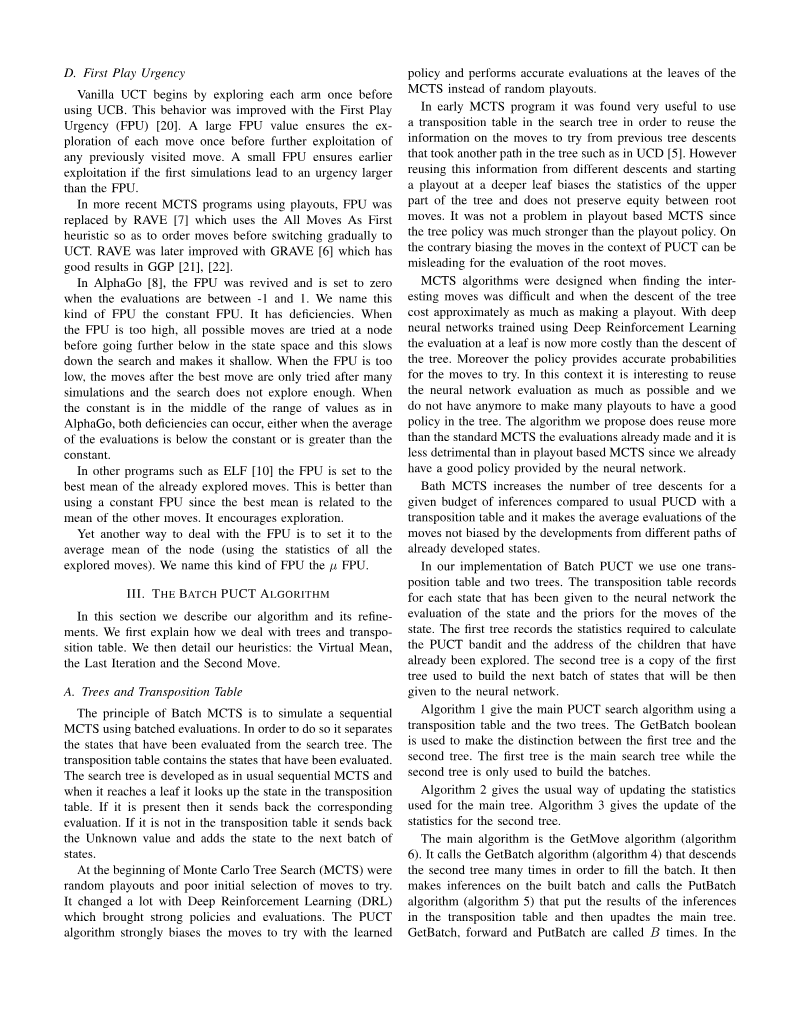
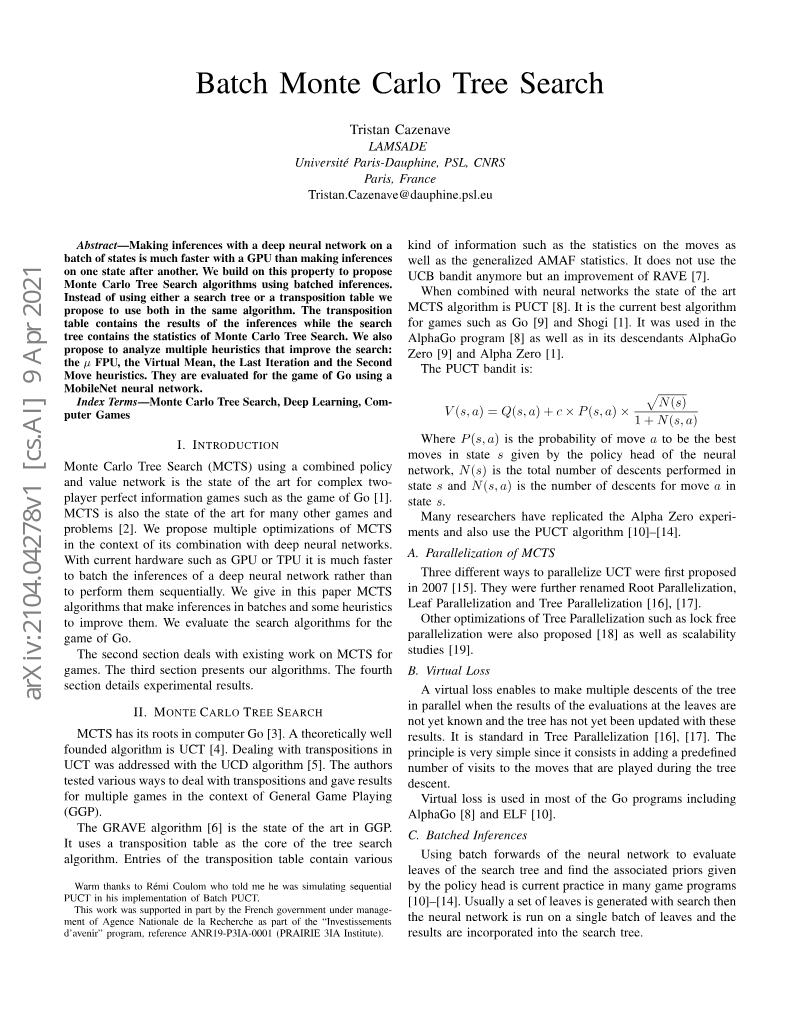
This analysis examines the implementation and optimization of Batch Monte Carlo Tree Search (MCTS) for complex two-player games, specifically focusing on the game of Go.
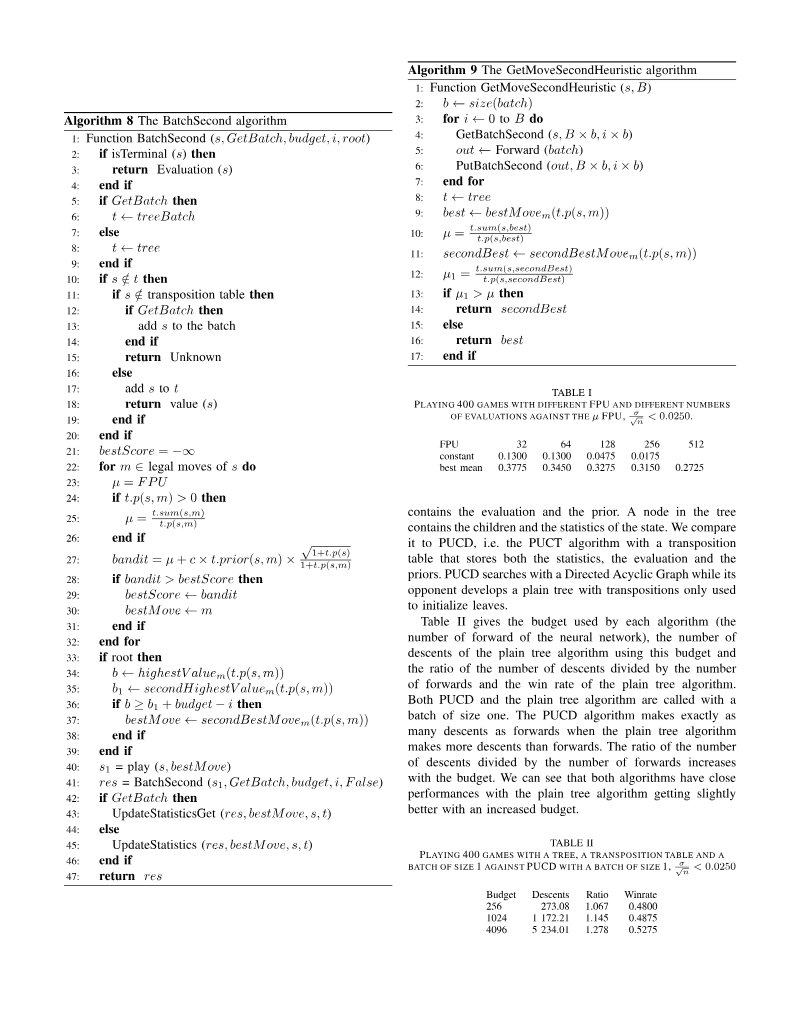
- Batching neural network inferences for MCTS on GPUs increases throughput by 26-fold when using a batch size of 32 compared to sequential processing.
- Separating the search tree from the transposition table improves both computational throughput and the accuracy of search results in complex two-player games like Go.
- The µ FPU (First Play Urgency) heuristic outperforms constant or best-mean FPU methods for guiding exploration during tree searches.
Do you work at French National Centre for Scientific Research? Get a free report of how these documents are read and cited here.