1 free read left. Create a free account for unlimited reading + AI research.
Create free account
What Can We Learn From Microsoft and EA’s Earnings? - Naavik Gaming Podcast
Key insights
6 takeaways- 01Industry players are increasingly prioritizing proven monetization and user retention over experimental growth, evidenced by strategic asset acquisitions like Metacore’s purchase of Everdale.
- 02Electronic Arts is shifting its mobile strategy away from fragmented co-development toward a unified, cross-platform approach to improve operational efficiency.
- 03Microsoft’s gaming segment reported a 13% revenue decline, underscoring the necessity of a consistent AAA release pipeline to sustain hardware sales and the Game Pass subscription model.
- 04Esports organizations are pivoting from standalone profit models toward content creation and merchandise, as the industry corrects from unsustainable, venture-capital-reliant valuations.
- 05The broader gaming industry is moving away from speculative growth models toward sustainable, ecosystem-focused operations that emphasize direct control over game products.
- 06Playtika is integrating blockchain-based collection mechanics into titles like Slotomania while obscuring the underlying technology to boost average revenue per user without introducing high-friction crypto terminology.
Ask AI about this video
Transcript
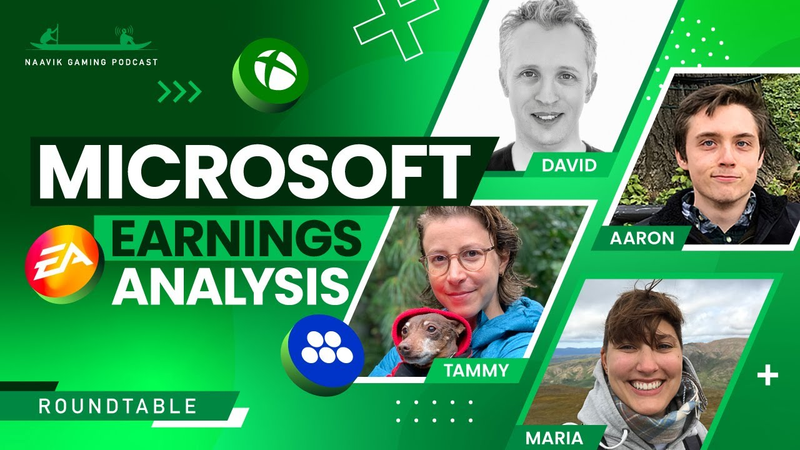
the only way I see it working is if owning an Esports team is like in traditional Sports someone who's extremely rich and they find it fun in managing the team and so you're not expecting it to be profitable you're expecting to get some fun out of it you know similar to what F1 is [Music] hi friends welcome to the navig gaming Round Table this is the one podcast to stay of the day with all the latest game business news and today I'm joined by Aaron Bush co-founder of navic Tammy Levy Chief games officer at Captain TV and David K who is going to self-intro hi uh yes I am presently the uh president of snapshot games which is a 75 person PC and console game Studio
based in LA and Sofia Bulgaria we were acquired by embracer in 2020 so we're part of the the Behemoth over there um I've spent most of my career over the past couple decades building uh game companies uh mostly as a Founder first game I worked on I started out as a game designer I was actually one of the first free-to-play games which was a text a text mud uh called a care still running today um across my career I've worked on social games mobile games console Lander and PC games so yeah excited to be here yeah thanks for being here that is a long list of accomplishments in gaming uh you know I've been knocking around for a while and tell me I hear you you also have some good news Captain TV announced a new game yes we we announced uh the game that I've been primarily focused on called Nitro stream raising uh we went into
closed Alpha last week and um kind of for context what we're building over here at Captain TV is a new genre of games for streamers in their communities to play together our games really are designed from the foundation to think about streamer and audience interactivity um so Nitro is a racing game a car racing game the the tagline is a mouthful but it's it's a high-speed streamer hosted Chat Place racing game so what does that mean that means that you can go to Twitch and look for a streamer that is playing Nitro watch and follow their stream and the way that you engage and like participate in the races is by simply uh entering exclamation play in chat that gets you into race we have like slight interactivity there where you can fire up boosts and stuff to create chaos in
the during the race we also have kind of like a companion website uh on play nitro.com to do a little bit more customization we're going to add a meta game Layer Two uh you know your card progression your character progression but it's it's really fun chaotic and it's pure Mayhem when you when you watch these races uh what's really cool is that we were also able to really partner with content creators of all sizes from uh Ludwig if if people are familiar with that name uh Northline who's like very much in like game review type um content creation she plays a lot of uh Valerian so kind of hitting like different segments of like the big streamers and then hundreds of streamers from our own Community um that have already been able to grow their communities with uh some of our other games so it's very exciting and
uh the game looks gorgeous so we're very it is very fun so we're very I watched I actually watched one of the streams it was chaos it was personified it was actually really fun just seeing the cars all fall off a cliff and explosions happening cool well congratulations um I hope the launch goes well and we're gonna jump into the round table discussion so today we're going to be reviewing Microsoft and EA's earnings it's our favorite season to do some earnings analysis we're going to check the profit polls of Esports dive into some news I've been banging around there and also if we have some time we'll try to complete last week's playtika discussion with their latest web3 announcement because it came in the day after we recorded so we're here to catch up all right Tammy what's up with metacore yeah so next update here is uh metacore acquiring super sales every day and this
was uh announced this last week uh there were no details really about the the deal in terms of you know what what the structure looks like what the cost was but I think what's really interesting about this is that we it's Second Chances Are So Rare in Game Dev like we you know we launched games they uh don't hit whatever targets a specific company has and you know we just shut down games in in it's it's very hard uh to do that um so it's a very interesting case study almost that that will be able to analyze and on whether you know metacore can take this uh you know Baseline and an IP that's supercell developed with everdale and you know kind of relaunch it and and build it back up uh based on what what super serial cell learned from their soft launch with with everdale what's true is
that what's a good business for one company you know say supercell that makes hundreds of millions of dollars a year uh is very different like just like the expectations and you know your your gates to to turn it into a successful business very different from that to something someone like metacore that they're starting to build their portfolio of games they have talked about uh like they've outlined their portfolio strategy where they want to you know focus on more than just one game hit uh multiple genres and uh you know right now they only have merge Mansion which makes you know 50 million uh around 50 million a year which is a great business right but it's it's just like scales are very different so it'll be it'll be very interesting to see what happens here I think what's um the the last point I'll make here is that what is really interesting as well is that uh supercell has invested in metacore so there's also kind of like an
added layer there to this this deal because metacore is part of supercell's portfolio of Studios um and the the studios that they've invested into so they received you know 50 million euro in in funding in 2020 and then a line of credit in 2021 for like 150 million euro um so for supercell you know metacore success is their success as well um so you kind of can start uh gleaning a little bit of like you know the game probably had some really good and positive traction but just not at the level that you know supercell would want to invest their own team into but worth you know doing kind of like another take on on the game um I don't know if you have any additional thoughts on this yeah I didn't fully understand so did metacore acquire the game from supercell because from what I read it seemed like they took on the mantle but that there
wasn't really a financial transaction so there's no details uh about whether there was like a financial transaction what kind of like deal it is is just uh metacore has has taken over the game from from supercell uh so we don't we don't really have any any confirmation it could be like a publishing agreement it could be just them taking it over uh for for for free like we don't we don't really have uh any any confirmation or any details on on that front yeah um but I do think like it's probably a whatever type of structure it is it is a sweetheart structure just from being you know part of that supercell portfolio of of companies it's a no-brainer for supercell right just from the standpoint of like oh you aren't going to do this thing so you can whatever the financial terms are it's better than zero right
um and so from them I mean I think it's uh it's a better outcome than it would have been I will say I'm a little skeptical uh that this is gonna really turn out to be a great win for metacore and I could be totally wrong but um when you look at everdale itself what made it unique was that it optimized for a large number of of player check-ins rather than a large amount of time spent playing um and Herschel who wrote A deconstruction of this for novik pro several months ago um you know he noted that it's just not clear that prioritizing like number of check-ins over like how much time people actually spend in the game like can lead to a a workable business model like there was no sign of that that that really working um at the time and so um I'm gonna make a bold uh guess here prediction okay but my my prediction is that with metacore is going to bed in two is completely revamp of the systems yeah and they take the art the charm
cap which is what people were excited about like the idea of like this very Charming farming game that we haven't seen in in a while and go a little bit like a completely different route in terms of game systems and potentially like go more traditional like farming type type game uh so that that would be that would be my guess on where if everdale ends up being a success where it ends up in in lens I really support that prediction because metacore is expert at building strong meta games they even state that the the core gameplay is less important than building a really strong meta game and so I think they have the freedom to change that we've seen that with merge Mansions they've created this whole new type of cinematic high quality uh ads for the game that tell a story and like there's a massive amount of lore and the ads granny has just become a cultural thing for people who watch as in games and then additional to that I also see how you know looking at merge Mansion
sorry merge Mansions kpis how they're unlocking new countries and how they're being able to scale I think I'm more bullish than you Aaron I'll sign with Tammy here no I think I probably agree with that prediction I don't think the game as it was is the future of of where this is going um but of course anytime you really have to rebuild a game from scratch you know you also increase the the risk I think um so so I don't know yeah not not an easy layup I think but I guess we'll see yep metacore doesn't have an easy feat here but it'll be interesting to see where where they land with um ever do they also haven't promised that it will work work out so yeah exactly yeah this works out well I look look forward to seeing what happens there and then on to the next update uh PS VR2 sales expectations so in the last couple of round tables we
assessed at the market for VR is actually still really an early in adoption and I that would continue to be the case for PlayStations VR2 system and yeah they reportedly reduced reduces sales projections for the launch after receiving fewer pre-orders than expected if you try to buy one now there's no waiting list it was also reported that they actually slashed production but Sony came out and refuted that they have not slashed production numbers additionally so the reasons that seem pointing to the low number of sales unexpected is that the price point is higher than buying a PlayStation which is something that we addressed and also the lack of compatibility with other platforms because if you acquire for example a meta Quest you can play that across multiple platforms and and systems but not the PlayStation yeah we largely called that David I'm curious on the the bull bear spectrum of VR where where do you fall on this it's really tough the the history of the games industry the expansion of the
games industry has really been reducing friction has allowed new customers to enter the market and I think the problem with VR still and it's been kind of caught in this trap for for a long time now is the friction is still just too high and the friction on multiple dimensions friction in terms of the the price of Entry which is clearly hurting their their adoption and there's a lot of friction around the user experience of course and so VR is still I think trapped in this chicken and egg of it's a very high friction thing which means that developers are not highly incentivized to develop for it and and so adoption is slower because there's no there's no content that's
that's really the kind of killer app that that drives a huge amount of adoption so I don't know I think I'm still I think what we're all still waiting for and maybe this is maybe meta is going to deliver this to us you know at the back end of tens of billions of dollars more of uh Hardware r d is a device which is the which has the low friction of a of an entry price that that people will pay um but also as low friction as a as a user experience so that it can find a space in people's day-to-day in the way that other devices that have massive adoption have done so until that happens I think VR is is kind of stuck in a in in the same place yeah I think that's well said I just want to give a shout out Matthew ball he wrote a recent essay called why vrar gets farther away as it comes into focus
it was a really good read and I think sums up kind of the state of this industry really well and a lot of it echoes what what David was just saying we're basically like the challenge is you need essentially a computer that's more powerful than your computer into a compact thing that goes on your head and that's just like an enormously challenging thing to do that yes takes tens of billions and r d to figure out so um yeah super fascinating but yeah with PlayStation not a surprise we kind of we kind of called it not specifically that they'd cut sales so soon but you know that it wouldn't wouldn't be a huge hit I wish I could say we're moving on to happier lands but unfortunately we are not Aaron it's only getting worse yeah um yeah let me pull up my notes real fast so um EA just reported its quarterly results and I won't dig into all the numbers here um which many people found underperforming but the main headline is
that EA is shutting down Apex Legends mobile shutting down industrial toys which includes canceling the upcoming Battlefield mobile game and uh this is resulting in layoffs so um a bunch of pretty bad news here and first of all you know our thoughts go out to everyone who is affected by these layoffs and is seeing their their hard work get shut down that's always tough to see and go through um but I mean in general when looking at EA this is just another big step back for EA Mobile which has been struggling forever to acquire build partner man image and grow you know a successful mobile business and we did kind of see the writing on the wall with Apex Legends mobile and while the game is really good at one Awards um and and genuinely is one of my favorite mobile games um we did recognize that as a revenue driver it was pretty clearly underperforming which is also something
that um in my opinion EA leadership failed to be super transparent about with investors too um and I can't speak too much to Industrial toys and Battlefield mobile um especially since Battlefield mobile hadn't fully launched yet but it seems like the so-called lessons learned from Apex are being extrapolated to Battlefield 2. and um with Apex what's weird is that management in the earnings calls said that they quote have plans to reimagine a connected Apex mobile experience in the future end quote so I guess we'll eventually see what that means but it also makes me wonder if they want to reset or abandon partner relationships and bring everything together more in-house and in a more specific cross platform kind of way that connects the the games more so Apex mobile was co-developed with tencent and it's just interesting because Call of Duty is sort of going through the same thing building a new fully owned mobile
war zone game that will compete with Call of Duty mobile um which is also co-developed by 10 cent and you know maybe if Warzone is deemed successful Activision will want to consolidate its um Call of Duty mobile efforts there too so you know in general I feel like we're seeing the pendulum swing from heavily relying on co-development partners for these kinds of games back to building more in-house with greater emphasis on cross cross-platform connections I don't know if it'll work it's purely an execution question um but that's that's what I I think we're seeing in these two cases at least so anyways tough day for for EA Mobile and we'll see where these franchises go next yes I think so I believe Battlefield was already being soft launch in a handful of countries so they could have seen the beginning of kpis that were not promising and they did they did specify that Apex being a standalone game that
had no connection to the very successful console game that you have a battle pass and those are not connected and then we look at what Call of Duty war zone is planning on doing which it is it's not a cross play where you're multiplayer with uh someone who's on console for example but it's a single battle pass an item you get in Mobile you can then go home and use the item in console it's just like this interconnected experience and I believe at the end of the day I feel like EA is making the right call here of not trying to pursue Battlefield that's following the same model of Apex especially with such a massive competitor like Warzone Landing into the market this year we'll have to see well I'm really curious to see if EA is going to pick up these mobile games change them around and try to release them again I'm not entirely sure based on how leadership has connected with Mobile in their previous earnings yeah I think they'll need another big reset in EA Mobile it's the
way I see it uh it's just it's just been really hard the the more interesting question that's not even about EA to me is just what is Activision going to do with Call of Duty on mobile like if Warzone works are they going to shut down Call of Duty mobile they have stated that they are they have stated that they will not shut down Call of Duty mobile uh like I can understand wanting to rely Less on like Partners but I don't know it's weird okay we'll jump into the next earnings uh which is Microsoft with David all right here we go so um for the three months uh ending uh 31st of December of uh last year the gaming segment I was about 4.7 billion dollars of Revenue which was a uh 13 decline from the the prior the prior year um I yeah it's been a tough I think the
comps versus 2021 have been tough for the games industry across the board um I think it's driven by a few things obviously you're comparing it with a uh a pandemic year where engagement and revenue across all kinds of digital sectors was obviously much higher um I think it's compounded by the relative paucity of high profile releases uh on uh on on on Console in 2022 um and uh so I I just sort of don't I I don't overly read into that um but there are a few things that are well before I before I go on let me uh curious to hear your take on the on the top line sure I mean I guess from from my point of view it's not it's not too surprising um the software part being down in particular is not too surprising because
it just kind of reflects the fact that their first party titles have been lackluster and third party like all-around console you know the past few months has been um more more lacking just like in 2022 a fewer releases and such uh the part that stands out the most to me is maybe a bit more concerning is the hardware side just seeing how how much that has fallen so early in the console cycle where probably you know if you know if all supply chain issues are solved PlayStation would see the opposite of that they'd be seeing more growth versus Decline and so um so yeah that stands out to me as maybe a bit more concerning um when you kind of look at that and then Game Pass as like the only piece of the puzzle that really is growing maybe isn't too surprising but yeah the hardware piece is more the the the line that popped out most to me this time around I agree it would it certainly would be a source of concern to me to see declining Hardware sells this you know I think we're now
two years past the launch of the the new generation so I I agree I would be I would be still expecting uh hardware sales to be growing I wonder whether there is a a sort of a the success of I think Microsoft has a very interesting strategy in games right they are and I think Game Pass is really worth examining a uh quite quite closely it's been if you compare um be a PS plus to uh to to Game Pass uh Game Pass has fewer subscribe I think Game Pass now has between 20 somewhere between 25 and 30 million subscribers depending on uh kind of where you get your information from uh PS plus is uh is actually more like 45 million as of the last quarterly report um but PS plus has actually been declining where where our game pass is still growing and I think that there is a uh there is a degree to which
if you look at the long term I think that Microsoft is I I if I was making a long-term term bet on the success of either strategy I do think that that what Microsoft is doing with with Game Pass is is really powerful I think it's also notable if you look at the last few quarterly earnings um it is notable that they've made several comments over the past two three four earnings calls that uh so there have been some declines actually in third-party software sales and the Xbox Marketplace but all of that has been more than offset by the growth in Game Pass which tells me that they are being very successful in in creating a a real magnet for people's time attention and money in Game Pass and I think it's going to be and the more successful they are with that and
as they continue to grow across console across platforms beyond the actual Xbox Hardware I think the the import the relative importance of hardware sales which you know are low to negative margin usually this early in the life cycle um you know I think that the hardware becomes a less important piece of the puzzle yeah I think it's the the harder piece is a very interesting point um I think it's it's worth you know not under uh kind of undermining the supply chain issues because that has definitely hit uh a lot you know you know we've seen kind of those Ripple effects just keep keep um resonating throughout sales in in general but I think that uh there's also the the element of um content and Hardware kind of working in in tandem to sell you know exclusives and like big launches Drive
uh also the desire for you know Hardware in in buying the the console and we didn't really see that much in 2022 in terms especially at the end of the year in terms of like big splashy launches that would drive you know both the uh you know software like the game Sales Plus the hardware Revenue that just like give uh that traditional console model the the end of year boosts that they they tend to see um in addition to what you were saying David I think it is very interesting that Microsoft is kind of betting on this not relying on Hardware as much and being able to just you know go across PC PC and console in really having kind of that that broader reach that doesn't rely as much on the hardware so I think it is there's there's a lot of things there that are
kind of working in tandem that I think if they're successful it's going to be very interesting because I think we're going to see my prediction would be this very like harsher decline on Hardware Revenue but again like retaining their uh subscriber subscriber base for the long run a much more stable Revenue um kind of month to month instead of having kind of these waves that come in in like at the end of the year and just kind of stabilizing their game revenues so I think it is there there it feels like they are betting pretty big on on that on on cloud gaming on uh you know potentially moving it's relying as much on console sales and like just having kind of like that close ecosystem and uh you know they have the end right with like Windows like they can put uh this on like in front of like so many more
people than than just whoever would buy a um an Xbox I actually would disagree with your first point Tammy on the supply chain stuff I actually think at this point these companies are largely moving past the supply chain issues so weakness there is actually truer weakness um but I think you're 100 right on your point about they're moving beyond just kind of their own pure Hardware ecosystem although still at this stage um I mean having less Hardware Sales is a sign of losing market share which is a result of the other point you were making about the interplay of content and hardware and I think like that is their biggest Opportunity by far to have that interplay with their content across their entire ecosystem of their Hardware other Hardware like new business model connecting it to the cloud all of that kind of thing but that also right now is their biggest problem right which is that their first party content has
underperformed uh basically everyone's expectations so far and part of that is because you know big games have been pushed back right uh like Starfield in particular was supposed to launch uh last quarter and now it's a question of if it's even going to launch in 2023 as like the biggest you know next tent pull for a Game Pass um redfall is probably the next and also got pushed from last year to it will launch this year but even even beyond that um it's sort of you know everyone has seen hey Microsoft has acquired all of these Studios where are all the new games coming from them and I think some of that concern is probably overstated a bit you know because games just take time to make and as we even saw like a shadow drop of I think it was called like Hi-Fi rush or something like this past week and that's not a game that's gonna like make or break you know Game Pass as a whole is a huge Temple but it's it still shows that like they're you know coming out with new solid games
that people can enjoy but solving for like hey we gotta get like this this lineup of like the AAA games and to to not just benefit game pass but like in comparison to the PlayStation's ecosystem too having those first party more exclusive titles is what we'll also push hardware sales as well and obviously like a the huge thing here too is just like the Activision deal like if they can pull that off like in a snap that solves you know a big chunk of those problems with with game pass the risk is that that doesn't happen and they'll have wasted a year and a half of chasing after after this deal that didn't work and then they'll have to while Sony has been making moves on the side and then they'll have to start making probably like smaller Acquisitions and stuff and it just drags out over a longer period of time and the success is slower to come even if the business model is interesting Aaron how do they so how do they solve the problem if the counter of making the acquisition
is that they can't have the exclusivity well I think it it would be more because like Activision is too big and maybe Call of Duty specifically is too big um I don't think that Regulators would necessarily say no to other smaller deals in the same way like they haven't said no to Sony right like acquiring um like a Bungie or something like that there might be more scrutiny with more deals but I think that Activision is just like a tier Above the Rest in terms of its size and impact um and so it's I think it's a little coin flip of whether that goes through but but yeah the risk there is just like the the time that went into that that hasn't that could have been going to other things to increase the value of Game Pass in the Xbox ecosystem as a whole well I think you know it's a it's a bet worth making right I think it's if even if uh you know The Regulators don't allow the deal to pan out it's uh certainly worth worth Microsoft's time I think I agree with
with everything you say Aaron I just sort of want to State the obvious which is game development takes a really long time and you know the Sony's success with first party is the outcome of at this point Decades of uh Acquisitions and uh smart management of of the studio organization and um you know I think the the team at Microsoft they they have a very I think their plan makes a lot of sense it just it just takes a lot of time and I do think I'm a little more bullish on the um I think staff I think we will see Starfield this year and um I I suspect you know unless it really ends up being a bad game which I I think is unlikely because it's just very hot like at this scale you just don't take that risk you know the the resources that Microsoft has for for testing and
tweaking are are pretty insane um you know I I think 2023 is going to look a lot better from a release perspective than 2022 did and uh beyond that yeah we'll see I agree with you the Activision acquisition is uh is is is is really important to them and I I'm pretty sure that they would not be prohibited from having maybe maybe Call of Duty has to stay cross-platform for this entire history of that franchise but you know franchises you know wax and Wayne and uh you know you're you're buying also the into the new things that no one knows about yet too the only game that will make me buy an Xbox so far is Starfield so I won't spend my consumer money until that's out but both image the one thing I do I do want to emphasize on what David said is I think that these these Acquisitions um smart management of Studios you said really well David I think it is a
crucial and like pivotal point so it's like Step One is securing these Acquisitions that can can really bolster up the the company and like the offering but then from there it really is the Smart uh management and integration while also letting the teens you know Game Dev you said it's hard it takes time so you also have to you know let the teams do what they've already been doing well um so I think it's not only like oh secure the acquisition they'll they'll be in a good spot but it's like now you need to to execute that very well and by all accounts Xbox and Phil Spencer does a really good job of supporting and staying out of the way of the founders of the studios that they acquire I you know I know several of them and uh you know people are pretty happy over there which generally bodes well for the output
that's that's very promising so before we move on then to the the next discussion topic a summary of the takeaways is that hardware sales are still linked to exclusive titles that attract those purchases um video games take a really long time to make and so Microsoft might need to make some more Acquisitions to bolster that Pipeline and games are already a hits driven business but it sounds like with lack of time um it's you're either a massive hit or you're not the guy to talk about Esports um but I'm just proud that we didn't go on a regulatory rant talking about um talking about Xbox and Activision that might be a first time at least for me so I'll Pat myself out of the back for for that but um but yeah let's talk about Esports I'm going to kind of break my own rule on this one this is probably just like an update on the state of Esports so we can kind of talk about um like what's working and what's not
really this this topic was star started because we've seen lots of issues in the Esports world over the past couple weeks phase has been facing financial difficulties after essentially a failed spec teams in the OverWatch League are suing the league for financial relief because they just haven't been successful in in meeting Promises of Revenue and even a company like 100 thieves which is about as strong as an as an Esports company gets in terms of a like a strong brand and diverse revenue streams they've been conducting layoffs and so it all kind of raises the question of whether this is the norm or the exception is trouble Brewing across the Esports world and as I said this is a big topic but I think that like the answer is a mix like yes there is trouble but Esports is not going anywhere and there certainly can be exceptionally successful ecosystem participants and of course there are a ton of caveats right every game is different many business models are at
play in this this field and even every region is different too so what we'll see in North America or Europe will just be completely different from what's going on in China for example but you know I'll take a quick Western bet in how we approach this um and I guess the first thing to remember about Esports is that it's fundamentally different from Sports in two key ways one it's obviously digital which means that it will always have a more digital viewership bent it can be updated differently as a game and it likely faces more competition as a result since everything is accessible to everyone um all the time and barriers to entry to get started are very low since you just need a phone or a computer or a console right and the second difference whereas in physical Sports no one owns basketball or baseball or soccer or football and instead leagues as businesses form around Sports and can compete in Esports the publisher owns the game right which means not only do
they set the terms and often not allow competition but it also means Esports is always secondary to the larger business of catering to the mass Market of players and Esports therefore is more of a marketing and engagement tactic than a revenue driver or something meant to be run as a super profitable ecosystem which means that it plays out in different ways in different business models right so some Publishers don't want to manage Esports so they essentially Outsource it to the esl's mlgs of the world some do it but become like fortnite where there are prize pools for events but little consistency around the big stuff like fortnite only hosted its World Cup once in 2019 and then there are the Publishers who want to build and manage their own leagues which have higher buy-ins and more limited spots but theoretically come with more upside if the lead succeeds and as we've seen in many cases especially with Activision Blizzard with OverWatch and Call of Duty publisher I guess you could call it greed or overreach and broader incentives can
destroy the ROI for the teams that rely on them and then if if you look at the teams themselves which typically are brands that cover multiple Esports we've essentially learned that just competing in Esports is not a good enough business model on its own prize winnings are inconsistent ticketing is naturally lower for a digital sport uh brand Partnerships are fine but can only go so far Talent costs have risen and franchise leagues are hit and miss in their abilities to create value for everyone in the ecosystem through things like broadcast rights or or League sponsors right so it's no surprise that Esports Orcs have tried to extend their reach further many have brought on content creators to further build their fan base they launch merch to various degrees and some are trying to build new business lines in other ways and this makes sense when you realize that um successful Esports orgs are basically defined by the number of fans they have
times the average revenue of those fans on top of any like prize franchise winnings um but it's incredibly difficult to maximize that equation because it's very difficult to build competitive Advantage when there's so many teams doing the same thing content as a business is tough to scale and executing across multiple sub businesses is hard on top of just you know winning right um so it's not surprising that while a handful of orgs like 100 thieves are which is doing really interesting things most teams are really struggling um and in short I think like that's the way it's going to be Esports as a whole can still grow as gaming grows viewership can rise Revenue across ecosystems can rise and Publishers in Esports orgs can all get smarter but managing long lasting games is hard and building businesses that rely on Publishers is a tough place to be and building competitive Advantage when
everyone is trying to do the same thing is really really hard so I think outsized success will be more the exception than the rule here um so anyways that's sort of the context I wanted to set but I'll stop talking and I'll just hand it over to um to hear do you think I'm right or wrong or um in your own eyes like are there other parts of this ecosystem that are broken or are there parts that maybe don't get enough attention and actually are you know quietly succeeding so I think there's there's I agree with a lot of what you said Aaron I think it is a huge part of of Esports is that the there has not been a there's not a business model that has been proven to be successful so as we were saying like there's all these disparate pieces in terms of business models a lot of the Esports orgs have relied on VC funding on crypto funding
um those two are very shaky right now right so you know part of the the trouble that we're we're seeing right now Brewing is also driven by those market conditions so it's it's very like on top of like all of the complications that you went through there's also that part of like you know if they can't monetize on uh the the competitions themselves or you know generate that Revenue there they're getting funding that funding is running out and at that point we have you know left Revenue over like advertising merchandising uh you know what we see 100 thieves do with merch and products uh you know really selling the image of the the Esports players so I think like that really jumps to a next element that you did not touch on which I think it's it's crucial to talk about when we talk about Esports is that the players um you know is also an element so you have the game
you have the players and while there's some um players that have been successful in like building multi-year careers they're also in kind of like this very precarious situation where they don't get paid enough they're overworked um they get exchanged back and forth as if it was nothing so the conditions for them are not great and they're one of like if if you really go into like the Creator space like they're like they could be one of the strongest Brands like one of the strongest uh things that you're merchandising and selling is that image of like those those players or creators that you're bringing on to your uh team and your brand but you know right now they can just you know be in one team one day and be in another team another day and then you know be ridden off the next day um so I think there's there's so many elements there that are just like make the ecosystem very very very complex in
even um being able to you know have a a repeatable business model this is what makes me quite interested in what Guild of Guardians is trying to do with Esports and so they're connecting blockchain and they essentially created Heroes for the game that are a reflection of the Esports team and they personify the people that are in the team and they're doing an exclusive limited drop where you can buy into that they're having merch and then if you have a hero you might be part of this group that gets VIP access to tournaments and so it's creating this a revenue stream I'm not sure about the details of how all that is shared with the teams but it's trying to create that Revenue stream that the teams themselves can have in connection with the game and I think apart from that I just think that the franchise model is broken again I've not I'm not fully into it but from everything that I've read I just can't
understand how the franchise model can become a profitable business for a team and so the only way I see it working is if owning an Esports team is like in traditional Sports someone who's extremely rich and they find it fun in managing the team and so you're not expecting it to be profitable you're expecting to get some fun out of it you know similar to what F1 is I think it could work if the buy-ins and the costs associated were way down I think the ROI is just broken with a lot of how with a lot of how these leagues were initially set up but really quickly on Ghetto Guardians and I want to hear David sotsnova this too what's interesting to me about that is like what they're doing isn't Esports right like it's Esports teams just using their brand for something that has nothing to do with Esports right which is kind of what I was saying like you build up your fans and then you increase you know like the average revenue per fan by like pointing them in all of these different ways and this is just like yet another
one of those ways that you know Esports teams are just trying to capitalize on like having an audience right and I think it could be interesting they're still like maybe it'll be good for the Esports teams and be good for um Guild of Guardians and maybe we'll see similar things be replicated elsewhere but it's not Esports right um and so I think like like that you know says says a lot too just like in order to thrive they just have to point people in more directions and they're just kind of scrambling to figure out which directions are the best and most sustainable but anyways David curious to hear your thoughts on all this so you know that like Twitter meme that talking about like X was a zero interest rate phenomenon uh yes I I I'm sort of I I feel like I'm being I'm being slightly facetious but uh you know I sort of feel like Esports was a zero interest rate phenomenon which is really a snarky way of saying that I think your comments about the
fundamental challenges of the business model are uh have never been solved um and that was easier to paper over in a time of you know easy money and a lot of money went into you know in some ways analogous to to to web3 a lot of money flowed into you know into into the space uh including some from traditional Sports I think and you know to your point as a business model I you know I sort of one of my Frameworks for thinking about this stuff is uh the seven Powers framework which is really a way of talking about you know sustainable competitive advantage and none of these organizations have that you could argue that some have you know have powerful Brands and I think the best of them do but I think there are real limits and as you say in in Esports you serve at the pleasure of the king which is the you know the publisher and they are always going to do understandably what is in the long term best interests of of the
game and if there are big new opportunities to capture then they are going to take the longest share of the value and and I think that's I have yet to see a a model that Justified the valuations and that some of these companies were seeing and the money that was flowing into them and you know I think until until that changes it's going to be really hard I think you're 100 right about so much of Esports being a zero interest rate that's a really good way um to put it but I guess I want to kind of segue this to just a final question to what uh building on what you were just saying about the publisher incentive to do what's best for the game if you are a publisher or a developer making a game that wants to tackle Esports I think we've seen a lot of examples of different ways you could go down how Hands-On or hands-off you want to be or how you want to structure going the franchise route or not um but I'm curious just to hear your
takes on like what like what have we learned and if you were going to launch like your own as a game builder going to launch into Esports how how would you think about it or like what would you do differently based on now what we know from from the past games are built to make money through their through their players you get to the market especially if it's a free type monetization subscription monetization you're building the game for them but and what I've seen is that currently the games are being used mostly for Esports or games that use Esports as marketing they're not actually built and balanced and supported and to build a sustainable long-term Esports game and until we've seen a company that that is their sole primary reason for developing this game and that's how they treat maintaining it even how you release and how you update the patches and how you do the balancing of the meta and the and the weapons for
example I I think if I if I were to do a company that was trying uh so I'm trying to build a game that is so focused is uh to create a profitable Esports that's where I'd start I I I I agree with that take and I think we are going to see if 100 thieves actually delivers on that because they are building a game with content creators uh in in theory with kind of that mentality as as a foundation you know prove is in the in the execution if it actually puts that as as the intent like primary intent of the primary pillar of the game or if it you know we we go back to you know we're just gonna throw our our known monetization like player monetization play bugs at the game and we you know end up with like some slide variation that it's going to run into the same
problems as all the games that are being used for for Esports right now cool I would just add that I think what we learned from Activision Blizzard is to maybe just be less greedy and to treat Esports less as like a revenue driver and to maybe recognize that it's okay to actually be more of a cost center or more of a break even Center because the the value that you can get from Esports more is about just building long-term engagement with people right and if anything you want to design the economics of your league um to be beneficial for all of the people in it so that they are incentivized to to build as much as they can around it you know uh you know building awesome content around what they're doing trying to build engagement with their fans as much as possible to point people in this direction um and I I don't actually think that the franchise model is necessarily broken in and of itself I just think that if you were to to take it more in a different direction that focus more on like when
when's from day one uh for all stakeholders across the ecosystem if anything making it a bigger win for the other stakeholders um that's that's more the model that would bring you longer term bigger success just through higher engagement of players spending more and paying more attention for a much longer period of time I think that's really well I think that's really well said Aaron I mean I I completely agree with you like Esports games that can be Esports are all forever games and they all live within this acquisition retention monetization framework and it seems to me that a really well-run robust Eve Sports scene around your game is to me is is of its biggest use in the retention and engagement bucket more than a direct trying to over monetize it uh I think that's really well said I think what 100 of these is doing with the building and actually actually building a game is a
really bold move and it's clearly a you know they've seen they've seen the writing on the wall as much as anyone else and it's a really bold attempt to create some real leverage for their business and I I'm excited to see what they do it's making games is hard uh especially when you you don't have that in your DNA as an organization to start with but there's you know there's some good folks over there so I I haven't wished them wish them all the best on that yeah and and just to to close uh I think rocket league is is also doing uh you know they haven't gotten in the way too much and you see like a very positive you know Community just to to what you're saying David they look me out around the game uh you know the competitions the Easter is like it is a much like a very positive community and you have you know even um teams like moist that they lose they talk about it very openly lose six figures a month as an organization but
they're okay burning money they like that's it's part of what they're they're doing as part of you know just continue on really elevating Esports because they care about elevating Esports another example is pubg mobile with our Grassroots championships okay should we move in then to play Tika any Wrath of comments no that's it let's let's move over let's do it okay so a quick recap of last week's discussion we're looking at platika's proposal to acquire Rovio we we reached a conclusion that they made such a move because platika has an aging portfolio and they're struggling to develop new games to rejuvenate it Rovio is a stable consistent and healthy performing company that would bring stability to play Tikka but even more importantly it will bring a new games pipeline that Rovio has established into their portfolio because playticket desperately needs it and then the the day after we
have the discussion there was an announcement about playtika integrating web 3 into Slotomania which is their second best performing game and I thought that was really interesting I wanted to want us to dive into it so it could help them resolve this problem of their aging portfolio by adding a new Revenue stream and also extending the life cycle of their existing games so the way that they're doing the integration is working with a company called recur I struggle to pronounce it that is focused on building a web 3 platform backend tools so that companies can just plug and play and focus on what they do best which in this case is making games and not having to take care of all the technology of web3 and something that I found extremely interesting is that nowhere do you read nft crypto ethereum there's no mention of it it's about collecting symbols collecting your slots and building these challenges and trading and buying the
symbols that you need because the higher area the symbols you have the higher Rarity the slots machine you're going to build and then the rewards of completing these challenges um is that you actually earn soft and hard currency to then use within Slotomania and is based on how many players engage with your slots so I assume uh yeah that you want to engage the higher Rarity once because they they will give you more rewards and they're also doing an integration with physical rewards of completing these challenges uh for example getting merch getting invitations to exclusive events and they have some other things under under wraps so I wanted to get your take on considering how they're approaching the integration of wet 3 with sodomania what are your thoughts on the risks of doing that with your second best portfolio game and do you think it's going to work do you know what recruit is built on maybe before we answer that like I'm
just wondering because I didn't see it is it actually blockchain based um so I actually ran through Riker's website and they make mention about being ready uh for multiple chains and uh being very agnostic it does mention it's a web 3 experience so the the Rico product itself doesn't talk that much about blockchain and crypto which could be their marketing positioning I believe it's blockchain but I don't see specifics about what it's built on and how it works if that makes sense yeah that makes sense I just thought it was interesting uh that they uh you know they don't use the lingo and I guess that's just knowing Their audience and in many ways is probably the way it should be a lot of the lingo and Tech you know just Fades into the background and the players can benefit from whatever the the you know the the use cases and in-game benefits are so that makes sense um I'll just give my really quick take I'm curious what others saying because I
don't I don't really know to me um I mean I think the risk is somewhat mitigated because the implementation is more subtle than what we've seen elsewhere in platika isn't leaning into play to earn or heavily tokenized economy it seems like it's embedding nfts it's not calling nfts um kind of into the experience and so kind of through that it seems to be more of just like a like an rpu play more than anything um because we know especially after last week's Roundtable that platika has struggled in many ways to find new games or even acquire successfully so it makes sense to maybe double down on what's already working and to try to get even more out of it but instead of just kind of squeezing players even more through the existing systems maybe adding like a new economic layer on top of that is a way to untap something new and this could be a way to do that I I don't know exactly how it'll work in this case and I don't know if it'll translate to other games because I also read that they said you know quote four games with web 3
experiences will launched by the end of the year so they're thinking about this Beyond even just Slotomania as like a full company strategy that will probably extend beyond Casino too so I don't know I don't know where to where to take that but it's a it's very interesting and I think the subtleness is something that I'm more encouraged by um than you know creating like a full ecosystem token or something like that but um yeah I don't know I'm curious to see how it plays out and we see the engine the industry of web3 gaming converging on this point immutable announced uh on Wednesday of their passport which makes it seamless you sign up with your social login so hiding that whole layer and the steps of being a blockchain game is where it's going to be and I'm more bullish about playtika's strategy here because especially if they leverage their existing Casino Social Casino portfolio and looking at slotomania's kpis it's just the revenues
just been on steady decline and so being able to go back to I believe it was an estimated 600k active users that are already accustomed to casinos the the usage of real money and not just buying and earning the the currency and Gain no mention of crypto is just a different way for you to engage with an existing game by having a trading mechanic that uses uh USD but as as you said we'll have to wait and see of how it plays out I'm extremely curious to see what the uptake is going to be of the let's call them web 2 Gamers of utilizing a web 3 gaming design without it being obvious of what it is okay well we're going to wrap up the episode there um David Aaron Tammy thank you so much for joining today it's always nice to have you on if you enjoyed today's episode you can help us reach others by subscribing leave a comment uh we always
love hearing from you you can also sign up to the navic digest newsletter and you can listen to our other podcast content with our industry leader interviews and the crypto corner thank you so much everyone and we'll see you next week [Music]
Summary
The gaming industry is currently navigating a period of significant strategic recalibration, characterized by a shift away from speculative growth models toward sustainable, ecosystem-focused operations. Major players like Electronic Arts are abandoning fragmented mobile co-development in favor of unified, cross-platform strategies, while Microsoft faces a 13% revenue decline in its gaming segment. This downturn highlights the critical importance of a consistent AAA release pipeline to drive hardware sales and bolster the long-term viability of subscription services like Game Pass, which remains central to Microsoft’s platform-agnostic ambitions.
The esports sector is undergoing a particularly painful correction as the industry moves past the era of zero-interest-rate valuations. Organizations are finding that traditional business models, heavily reliant on volatile venture capital and publisher-controlled ecosystems, are largely unsustainable. Consequently, many teams are pivoting toward content creation and merchandise, recognizing that esports functions more effectively as a cost center for player engagement rather than a standalone profit engine. This trend reflects a broader industry-wide realization that competitive advantages are difficult to maintain without direct control over the underlying game product.
Innovation continues in the mobile and social casino spaces, where companies are attempting to extend the lifecycles of aging portfolios through subtle technological integration. Playtika, for instance, is incorporating blockchain-based collection mechanics into titles like Slotomania while intentionally obscuring the technical infrastructure. By prioritizing familiar user experiences and removing explicit crypto terminology, firms are attempting to leverage Web3 utility to increase average revenue per user. This "invisible" approach to new technology, coupled with strategic asset acquisitions like Metacore’s purchase of Everdale, underscores a broader industry trend of prioritizing proven monetization mechanics and user retention over high-friction, experimental growth strategies.





















Comments