1 free read left. Create a free account for unlimited reading + AI research.
Create free accountArticle Mobile Dev Memo
1 free read left. Create a free account for unlimited reading + AI research.
Create free accountArticleMobile Dev Memo
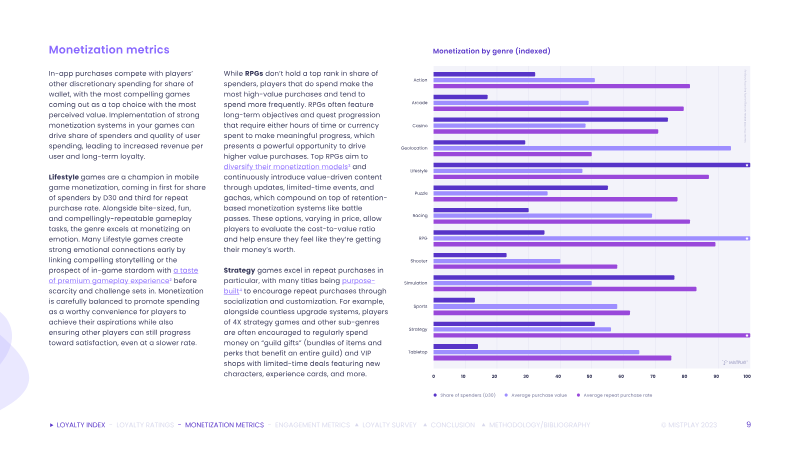
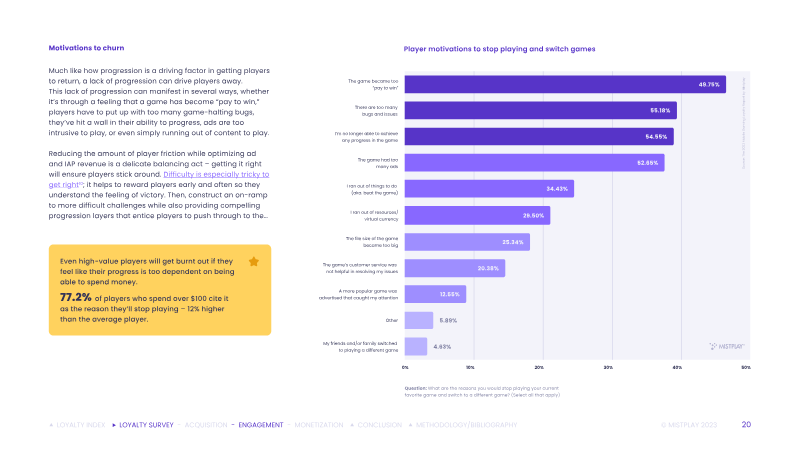
The prevailing industry assumption that freemium success relies primarily on aggressive, short-term monetization of high-spending users, or whales, is challenged by an analysis of the United States iPhone Top Grossing chart as of September 2015. Rather than being driven by rapid, large-ticket spending bursts, the most successful applications demonstrate that long-term retention is the primary engine of revenue. Data indicates that over half of the top ten grossing apps were released prior to 2014, and 30% utilize subscription models, which inherently preclude the possibility of impulsive, high-volume shopping sprees.
The analysis highlights a critical disconnect between download volume and revenue, noting that none of the top ten grossing apps appear in the top ten downloaded list. This suggests that the inability of new entrants to break into the top grossing ranks may stem less from poor discovery mechanisms and more from a failure to foster the long-term user engagement necessary for sustained monetization.
Ultimately, the findings conclude that lifetime value is fundamentally a product of retention. Developers who prioritize short-term monetization tactics often inadvertently degrade the user experience, which negatively impacts retention and creates a cycle of pressure to extract immediate revenue. Conversely, the most successful products focus on providing engaging experiences over extended time horizons, proving that sustainable growth in the freemium sector is built on the foundation of long-term interaction rather than the exploitation of whale spending behaviors.
Each row is a game or company this document names, each column a document, oldest first. A mark means that document names it. Select a row to see those documents.
Mobile Dev Memo · 2026
Mobile Dev Memo · 2026

Mobile Dev Memo · 2026
Mobile Dev Memo · 2026

Mobile Dev Memo · 2026

Mobile Dev Memo · 2026

Mobile Dev Memo · 2026

Mobile Dev Memo · 2026
Mobile Dev Memo · 2026

Mobile Dev Memo · 2026

Mobile Dev Memo · 2026

Mobile Dev Memo · 2026
Two & a Half Gamers · 2026