ArticleMobile Dev Memo
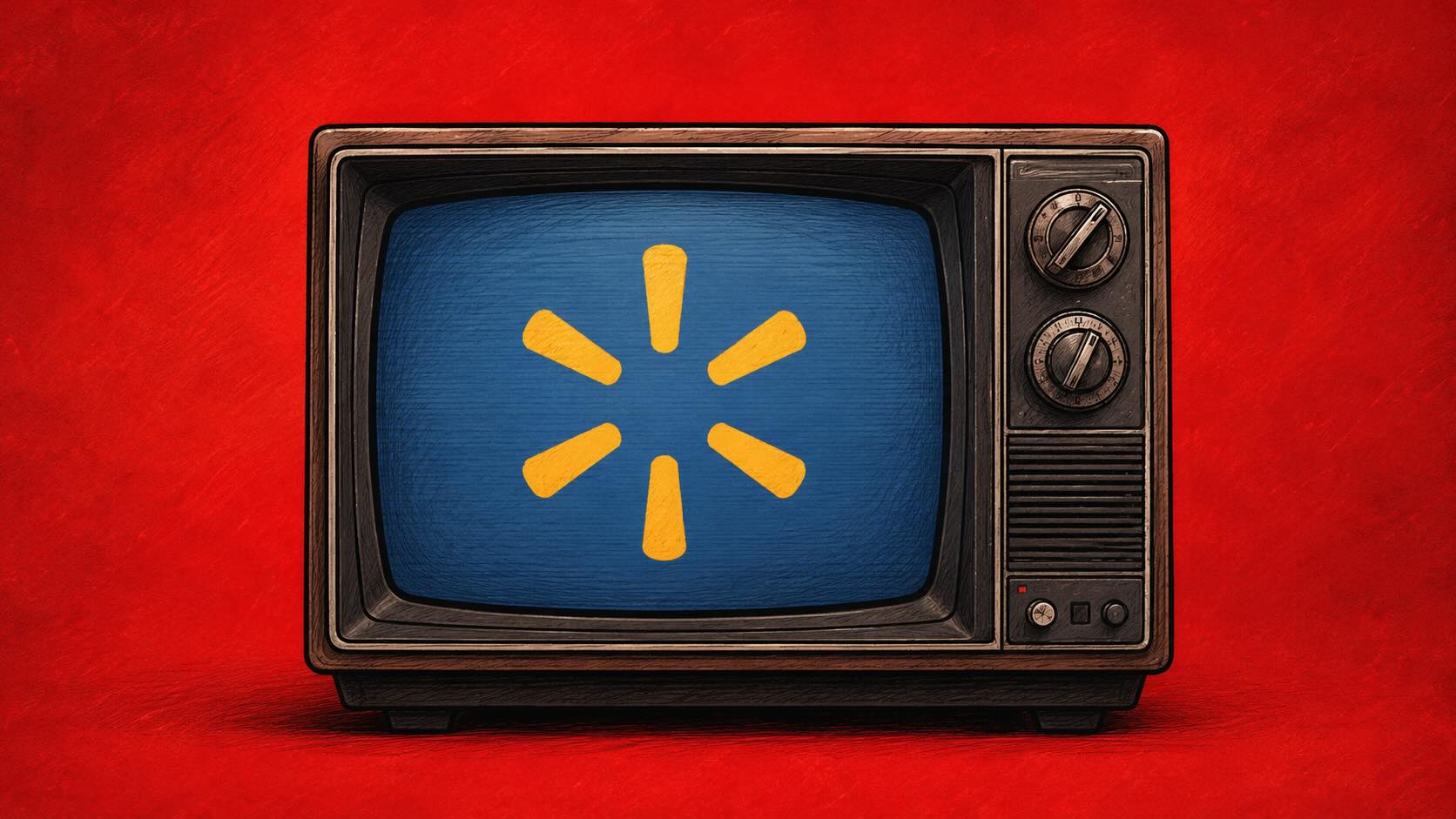
Walmart/Vibe Is Not a CTV Consolidation Story
30 Jun 20261 pages~2 min full read
Key insights
4 slides
Key number
Walmart has agreed to acquire Vibe.co for a reported $1.4 billion.
Vibe.co is a connected-TV demand-side platform. The purchase was announced in the last week of June 2026.
Target segment
Vibe.co focuses on small and medium-sized advertisers with smaller budgets.
The platform enables advertising through connected televisions. Its client base consists largely of brands with modest budgets.
What changed
Walmart intends to integrate Vibe's technology into its broader retail ecosystem.
The author frames the move as strategic rather than a consolidation of CTV advertising. Walmart can offer advertisers a unified platform spanning in-store displays, e-commerce sites, and CTV streams.
- 01Integrate Vibe technologyWalmart intends to integrate Vibe's technology into its broader retail ecosystem.
- 02Target shoppersEnable more granular targeting of shoppers across Walmart’s digital and physical channels.
- 03Offer unified platformOffer advertisers a unified platform that spans in-store displays, e-commerce sites, and CTV streams.
Competitive context
The acquisition positions Walmart to compete more directly with larger DSPs.
Vibe serves a niche segment that traditionally lacks access to premium CTV inventory. The move avoids the regulatory scrutiny often associated with large media consolidations.
1 / 4
Ask AI about this report