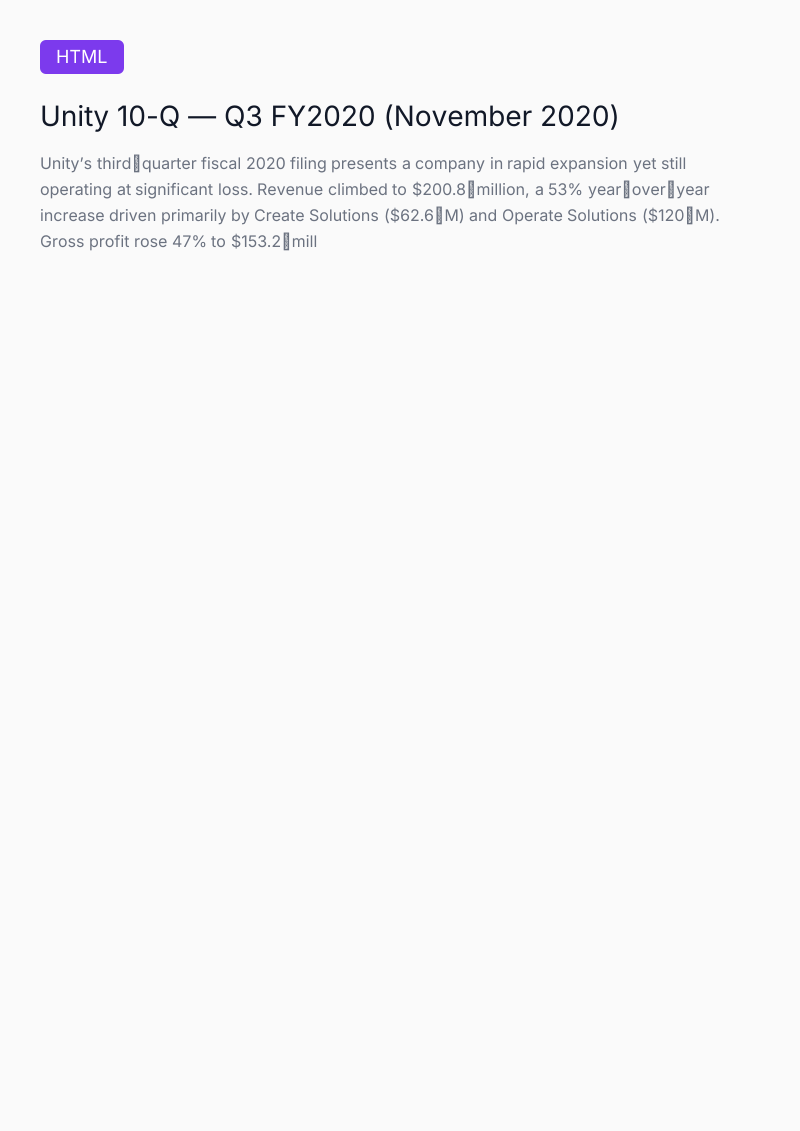
Unity’s third‑quarter fiscal 2020 filing presents a company in rapid expansion yet still operating at significant loss. Revenue climbed to $200.8 million, a 53% year‑over‑year increase driven primarily by Create Solutions ($62.6 M) and Operate Solutions ($120 M). Gross profit rose 47% to $153.2 million, but gross margin slipped from 81% to 79%, reflecting higher hosting and professional‑services costs following the Finger Food acquisition. Operating expenses surged, especially research & development (up 82% to $116.6 M) and sales‑marketing (up 31% to $60.8 M), largely due to stock‑based compensation and headcount expansion after the IPO. The result was a net loss of $144.7 million for the nine months, with a non‑GAAP operating loss narrowing to $8.4 million versus $27.8 M a year earlier.
Cash and liquidity remained robust, with a cash balance of $1.76 billion after net proceeds of $1.69 billion from financing activities, primarily the IPO and preferred‑stock issuance. Despite this cushion, Unity acknowledges ongoing capital needs to fund R&D, sales, marketing and infrastructure as it scales its cloud platform.
Geographically, 73% of revenue originates from global markets, exposing the company to regulatory and compliance risks across multiple jurisdictions. The filing highlights significant operational vulnerabilities—including reliance on third‑party cloud services, open‑source licensing obligations, and privacy regulations such as GDPR and CCPA—as well as legal exposure to intellectual‑property litigation and export‑control enforcement. These risks, coupled with the company’s high operating losses and dependence on gaming customer success, underscore potential volatility in future profitability and stock performance.
Unity · 2026
Unity · 2026
Unity · 2026
Unity · 2025
Unity · 2025
Unity · 2025
Unity · 2025
Unity · 2025
Unity · 2024
Unity · 2024
Unity · 2024
Unity · 2024
Modern Times Group · 2026
AppLovin · 2026
InvestGame · 2025
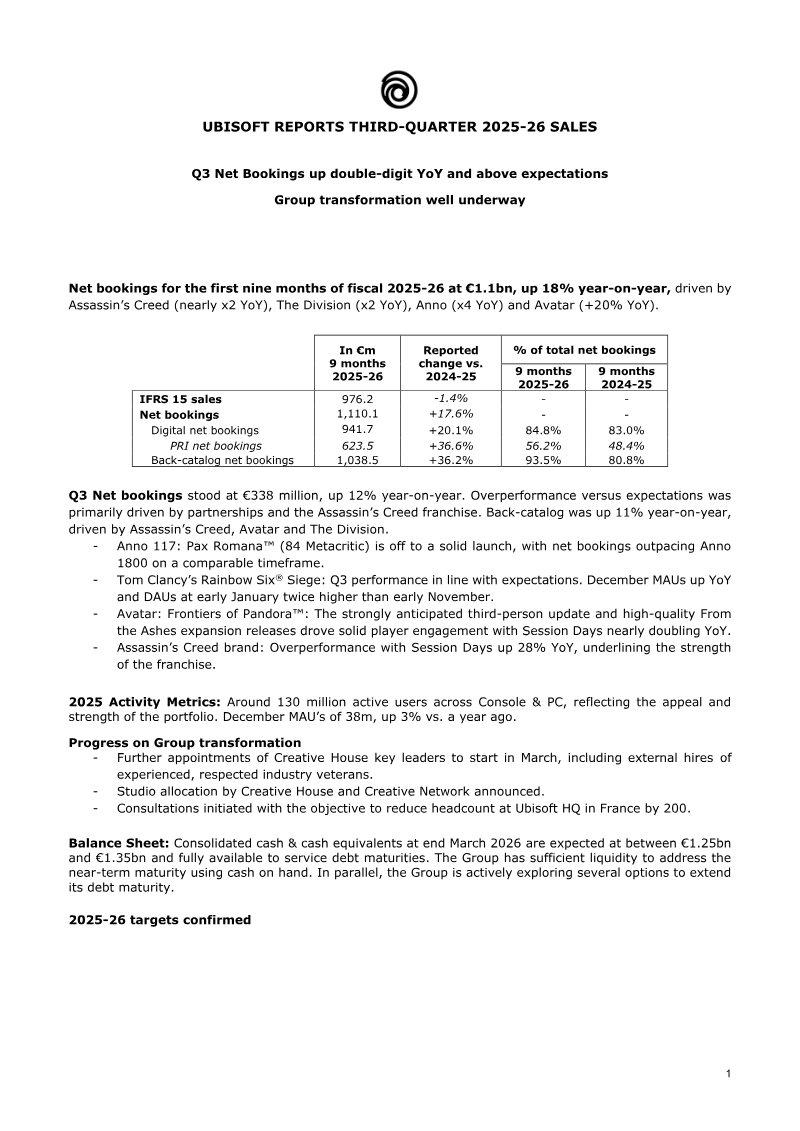
Ubisoft · 2025
G5 Entertainment AB · 2024
Paradox Interactive · 2024
PitchBook · 2024
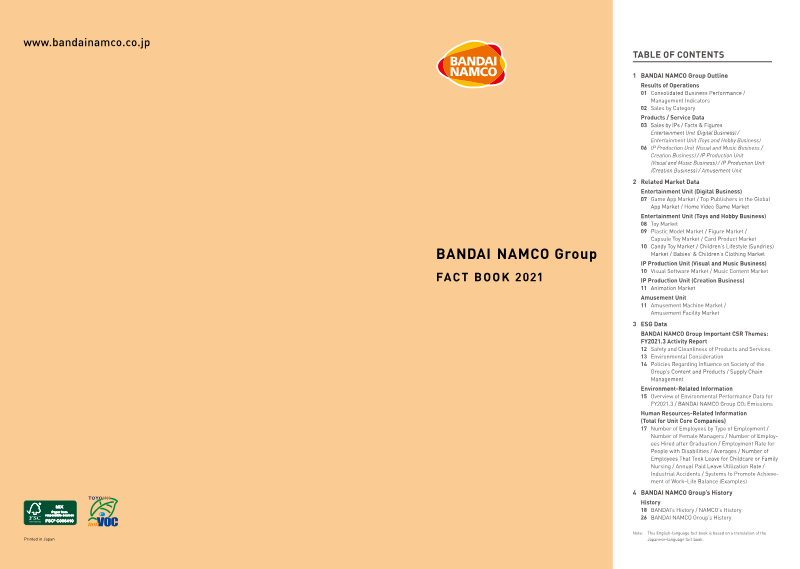
Bandai Namco · 2021
King · 2021
GREE · 2020
GREE · 2019
GREE · 2017