1 free read left. Create a free account for unlimited reading + AI research.
Create free account
Tough Times at Naughty Dog and the State of Contract Work with Shora Farahani | Game Dev Unchained
Key insights
6 takeaways- 01Massive, centralized development hubs contribute to burnout and communication barriers, necessitating a shift toward decentralized operational models.
- 02Studios are prioritizing short-term cost-cutting over long-term talent retention, a trend mirroring the visual effects sector that weakens the creative foundations of game development.
- 03The game industry is facing a sustainability crisis driven by an over-reliance on short-term contract labor, which studios like Naughty Dog use to manage overhead and development cycles.
- 04The current reliance on temporary workers creates a high-pressure environment where junior staff engage in self-imposed crunch to prove their value, leading to high turnover and eroded team synergy.
- 05Adopting co-development strategies that utilize satellite offices and remote work can maintain high-quality output while reducing the volatility associated with individual contract roles.
- 06Transitioning to mid-sized team structures of 30 to 60 people can restore the collaborative environment required for long-term creative success.
Ask AI about this video
Transcript
I [Music] what's up everybody welcome to another episode of game dev Unchained the no.1 game development podcast about game development I am your host Brandon fan you can follow me at twitter or tweet at me anytime at blue champs and let's talk about it man so our guest this week is a special one a dear colleague and friend we have on the line Shora Vera Hani Hanny oh my god I don't not to see your last name how you doing good I was there yeah yeah it's been a quite a long time so this is the part the podcast actually sure that we have our odd or our guests introduce themselves to our audience out there of who you are where you're from
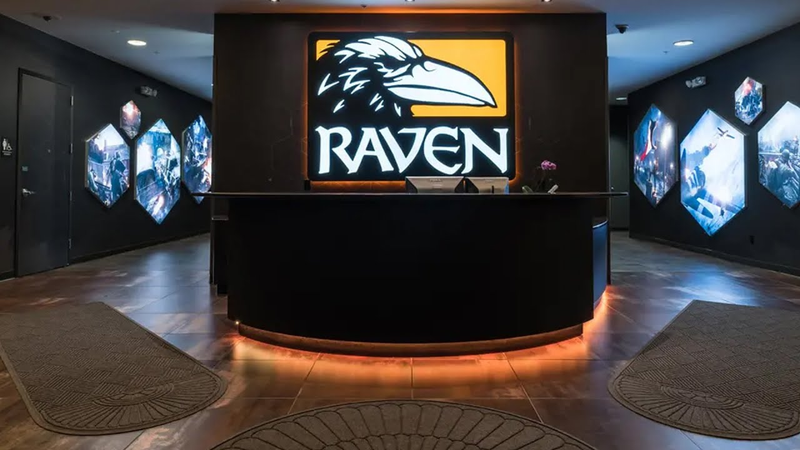
we're headin just to give them an idea of how special you are so I think quickly because I've said it before I'm originally from Iran I came to USA maybe fifteen fourteen years ago but like my first real gig in the gaming industry was as a as an environment artist at Raven I made a couple of short films they really like my environment work and they offered me a position so I moved to Wisconsin for two years and then after that I came to sledgehammer to be on a lead team for Call of Duty titles so that's where I met you and you know the other guys and I was there till we ship advanced warfare and then I was on a round of layoffs my Vista was not good so I have to kind of switch the industry and I went for like a detour of that essentially more tech startup like in
2015 that were in like you know essentially working in like making or bringing art cg architecture and all of that to like house to furniture shopping extra hands and after that I came to pocket Jeff again I saw you we were in different teams I was on episode you were on Ward more dragons and after that I went to Naughty Dog I was there on a six-month contract to work on Last of Us - it's actually being pretty crazy in the past year I have switched three jobs but after like first Naughty Dog then went to a small team that we worked on a state Year title for four months it was a very small team and after that since then I've been with 2k and I'm with ghost story games and it's a team that can the main team that was originally irrational and yeah it's been
very exciting actually on but the funny thing is that the studio is in Boston and I work for them remote for the past three months even though I'm in LA yeah man it's a story that I think most game developers who've been in industry for a while are quite familiar with moving the family moving everybody you're married now right do you have a kid yet part of me do you have a kid yet no all right but uprooting the family from California the Boston's quite a move and it's just part of the deal being a game developer I think you go where the good jobs are [Music] so I have been in LA like even though I went so I you know the opportunity was like when they contacted me and told them hey I actually don't mind moving but because of this they want to keep
the size of a team a certain amount size and yet even though I'm a full-time employee I'm working remote for that from LA so since I have moved to LA I haven't moved well that's good man so Elise you were able to kind of hold your ground for for a little while before you had to uproot and leave and well this this episode I kind of want to concentrate on what has been kind of been a hot topic it's been kind of like it within the industry and you know Naughty Dog is something that I always go back to every year you see this grand posting of job at Naughty Dog just pretty much every position right before Christmas and I think the layman the normal person who looks at that thinks that wow Naughty Dog is really growing their team like they must be over a thousand people right now but most the the true reason
for that is nestled there's a lot of turnover rate a lot of people quit or most of these are contractors and are simply burnout and so a lot of people exit the door we recently had a roundtable episode with a bunch of game developers on on board and one of the article that kind of been getting a lot of exposure lately has been the Kotaku article talking about crunch culture over at Naughty Dog and how basically from uncharted 4 to last of us to 70 percent of designers are not there anymore and which of course causes a lot of problems with development and a lot of just upkeep and in trying to get the grips of the technology and well I mean it ruins the the synergy between artists and designers as soon as someone who's been there for one development cycle leaves and then you're dealing with a new person right so I kind of want to
dig into your experience for his hand how it was because um I think still even with hearing all that most developers who get to get that email saying hey we want to bring you on board or even even before that process the interview process let's talk about that I mean how excited were you to kind of finally be a part of this culture that's kind of always redefining games as it's coming out so I was there for like a six month contract so essentially when I was at Papa Jim's toward the end of it actually they were very gracious they told me early on that the project I was he's get kind of getting cancelled and they gave me a little heads-up so event I think I have time and we regards to Naughty Dog's regardless of your skill or your like you know how experienced you are you don't care they want to test
so as usual they send me the test I typically because they are a fool my on studio I'm not a my apart but I rarely ever like you don't thought about them as much as they are like a villain own studio but you know I hit the test for that I think I did a very good job and you know I got the call and everything worked out but the way that Naughty Dog works compared to every other place I've worked on is they start everyone again regardless of the skill they just pay more but they just renewed with the contract with a short-term contract why a third party this was my first time like you know going through this process and of course you're getting that you know because you're a contract employee that's you're not salary base you're already so you can benefit from you know working overtime you know California rules are like you know one and a half times past eight hours you know and after ten hours it's
like double the sour like that rate so of course these health and again they were the Union you know when I enjoy I think I got a good rate from there and and I started like you know we didn't want our I have to move myself you know I have to pay out of my pocket to come to LA but yeah and then I started again the studio itself you're right like you think first of all they are pretty big back for a big like when we were at sledgehammer I think at our peak we were 200 people like the moment I entered Naughty Dog it was probably above 250 already and we were not even peeking yet yeah and then there is kind of this separation between like the contracts and like you know full-time employees which
kinda creates a little deeper even like the positioning of the seats that they are seating but overall I'd like again Naughty Dog because the quality of the game that you are working on the amount of knowledge and information you have for the patients they have with me about many yr everything it was like very like nice for me but there is like you know you had taken regards to every studio that was one of them yeah I think one of the so there's a lot of rumors for a lot of people who don't have the experience I mean we have friends there and I'm sure you heard these stories even if you're not being like a small fan more more hardcore than others I'm sure you've heard rumors about how crazy they are with French culture and how that's the only way well it's actually quoted within the article how it's the only way they know how the ship games and so it's it's kind of grinded into them that this is the only way we
can get to the next level and upgrade ourselves by literally killing ourselves every cycle although each I mean what what kind of talks was happening where you kind of jumping into their system already already in crunch culture or did it ramp up slowly I mean what kind of warnings or anything with HR that they talked to you about or was it just understood that this is the type of thing that you're gonna walk into and it's not spoken about as much so first of all before continue by the way that article by Kotaku is raised written by Jason Schreyer I didn't talk to him in that occasion with that about this situation so I'm not one of those people but he's a very good writer but in general back to the Naughty Dog heart I think I joined them when they were like starting to ramp up for the full production like one of the great thing about that studio was like the moment
you enter your present that we'd like you know this is the game that we were making like there's because because people come in to the office so there's not much concept work on this play but at the same time there is like presentations there's a lot of documentation that you can go to and like you know familiarize myself your selfie what is the game that you're working on what section of the game and the way it works is for us the environment artist is they essentially give you a full level do whatever you want to do and you it's like between you and modeler and the texture guy and it was just ramping up at the time so at the time like when I started nothing crazy and in general I personally like didn't get too crazy as I can't even like after six months because I would take like you know lunch breaks cold like you don't have like you know play basketball but there's a certain point in the studio
that you know you start seeing these emails like you know like hey if you want to work 60 hours it's fine you're approving it you know and like you know if you're providing you know food and all that although that thing is all like you know I remember when we're talking James there was like an awful like free launch everything we and they were so chill about it like when you are going to some of these games to use they think giving you like so much benefits with providing you food and stuff these are tax deductible and yeah so there is not necessarily any force but you are looking at your peers and you're looking hey this looks really good I'm gonna keep up you know you're an artist you want to create the best work you're doing and you have the tools to create the best work you are doing like there are certain times but you know whenever I'll call duty the tools there are certain things that did not
fit like you know if you're working like on sci-fi thing the tools are not suited for that but in auradon the tools are there everything is there so you are trying to push the best that you can do and you see your peers your walking pathway and the effects person he is doing a fantastic job creating just with it you know like everything you see is so high-quality you want to prove yourself that you are capable of doing that high quality and but there is not necessarily any force that says hey you have to stay strong but overall I overtime but it wasn't in it in a way that because again I took the lunch breaks hey maybe it's work in a way that they cancel my contract after six months because I wasn't staying till 11:00 at night who knows but I personally but I
was seeing a lot of people who are there like for very long hours and like the person next to me you know the kid like he was coming off of it like you know this was his first main gig and he was I stayed until late coming to work like super drawn and tired again and again some of the scenes that were given to him because the quality they want from him is so hard he's just like there are parts that he was how do I do this how can I get over this hump you know and it was a lot of that it's definitely crunch culture is a young man's game for sure I think yeah I think even if you take your younger self right let's say you're probably a few years in the industry and you are starting at Naughty Dog you have everything to want to prove yourself and I think I'll and then that's the dangerous part of this whole crunching
idea is that people have this misconception that there's a manager or producer like a Tolga that comes at your desk and then points fingers and forces you to stay or else right but the reality is in Lincoln I can't legally do that right because it will cause an uproar but it's more like subtle peer pressure you see everyone or in your cubicle pushing really hard and even if you clock out at 7 p.m. a normal like that's even later than normal right 6 to 7 p.m. there's a sense of guilt or you don't want to be the first one out right and and and and these it's mostly driven by peer pressure so we have like a good experience at least that we can draw from right so I don't know about you but we worked since we work at pocket gems together right that was my first mobile outside the traditional game industry company all right and I was very shocked at how open
and because it's not quite like Facebook where they have like chefs in the kitchen but we had catered dinner and lunch every single day and like every month there was like a team allying of some sort and then every two months there's like a bigger team outing and so there's always seems to be every weekend activity outside of just sitting at your desk to keep you busy and for the first time there was like a huge sense of security where it didn't feel like every deadline was our last and then after that I I kind of want to hear your thoughts about having that type of experience and then going to back to traditional highly praised studio such as Nadia the best of the best of triple a by this point they have eight like top-selling games every time the the shipwright can you kind of compare those experience and untitled eeper about the
differences where you felt like oh well we're we're really still behind on on the accommodations here for game developers so I was working on might not have been the most fulfilling thing artistically because the project I came to pocket chips or never got off the ground but in general yeah my other even then they're like you know catered food and whole like you know the safety check all of that it was just like the chill why and also it was at the time that remember that you remember like I told my head my knee like you know why you got shattered at the time and like I was on crutches and I was going to physical therapy and the physical therapy visit whether it was in our building so sometimes in the middle of the day I will go off for one hour one and a half hours every room and then I would stay later of course but in general everyone was so relaxed about it
like you know even though it was at 3 o'clock that I would go and then the art director that I worked on but Shh like again there was a lot of you were very in good touch with everyone who you were working with and that's what really disappointed me when I got to know he got like Naughty Dog again I just wanted to get back to chip away games because I was away for so long so I was willing to accept a lot of this so I'm really second expectations that hey just work hard in this like six months that you are there I just want to get back to chip away but like like it was shocking for me even if you remember we were like a sledgehammer and you could go talk to Glenn any time he was so chill you can you know bring ideals to him you know but not only that even though it's a first party that you know that it's their own title it's a leap studio but when you go there like there is so deep so much to buy then to be frank in
the time that I was there I even I only met the creative director of the game once just like in an elevator and I introduced myself to him I was just not hiding on like you know I started working here and like they don't you think the upper management of this studio I don't think they trust the catcher has a number per se like just to finish this game but you are not someone who's like essentially all we are in reigning you as the core of the studio like other people would have communication with you it was very I personally did not like the culture at all but that it was also shot he come from such a family vibe of like you know pocketjet and again even like sledge-hammering we were very United like you know you have maths warfare even though we were like like 150 200 we knew everyone we
collaborated with everyone the ideas are flowing but I think yeah it was very difficult for me to adjust to some of that and Naughty Dog commenting a bit more on the culture shock do they try to at least have some activities during your six months there I mean I totally agree you got to be there at least two years before before one of the leaves actually look at you when they're giving you tests because they're you know it really is every year they have a whole truckload of contractors come in to help finish development and a lot of those don't make the cut and we can talk about that a bit more in a bit but what kind of stuff do you feel like I mean there they are a pretty big studio the problems are pretty pretty widely known I mean were there conversations about this while you were there with your colleagues about hey man
well it seems like we just come in there and work and leave really late I mean is there any any other picture that you feel like while you were there that you felt like hey there's they're making some kind of effort a little picnic here and there we used to laugh at that but but like what kind of efforts have they've been making just to paint them a fair picture I did a little because actually the location of the studio of Naughty Dog is isn't this like nice building that has a lot of like water partly like there's a Beckett Park area essentially around it it's a nice area so if you want to go for a walk lunch times it's pretty nice and they do a little events here and there I'm not like saying they don't and actually like every Friday but you know Billy Billy or something like that they do these sort of events but like there but I'm saying that there is no unity like let's say somebody is cooking something before it's just for their own
group there is no like oh hey the rest of the team behind like you know I made this like great like you know cookie basket and come and share and share in the kitchen with us like you know it wasn't there is a device there is no the company wild an email like that it's just like if you go to kitchen and you see something you pick it up but there is no like hey how should i type for this that you know there's no none of that but I think that part is fine yes sometimes for me it was just a divide between the the contracts and again like some of the Sony stuff because the dog is a Sony team so there is certain like Sony benefits that go we you know with one side that hey all the full times you have these you know so many activities that you can do but the contracts cannot you know enjoy any of that oh well let's
stick into that so there's a so when it comes to activities so there's an action it's subtle divisions like okay it's not a big thing but it is that these are the things that eventually all build up to create more divine you know what I mean it's not oh I can't enjoy the Sony movies I can't go to the Sony lot theater because I'm a contract here it's not it's not a big deal but you know or but it's just the addition and addition and addition like that all builds up to create this food you know that you are contractors in this room and then like all the main guys are in a main hallway again maybe it's just because we don't have enough room so we have to put you in this like you know separate section but it all builds up toward the divide like you know also that by study stuff it's not a sing like you know writing that says oh you know this was heartbreak for me no it's you let it go
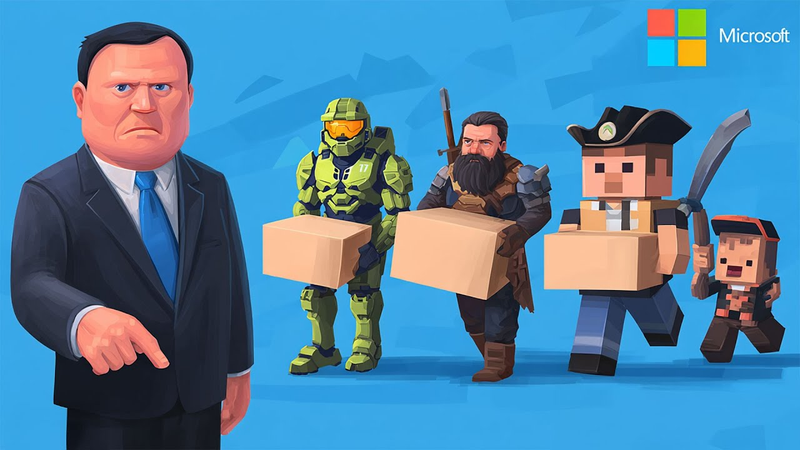
and but over the course of like all these together it becomes something so you felt like there's definitely rightfully so right by this time so many contractors go in and out of that studio by now that they have some type of system to kind of get used to for for newcomers honestly like I've been noticing a lot of companies that especially Microsoft like all these be like publishers are now starting to like go through this contract hire which i think is terrible for the industries like as much as we want to talk about crunch and how bad it is I honestly think this contract situation is even worse that you're talking about all of these like talk about that you know Union unions and stuff unions has its own issues too but I think that like my first job was a trader I was a full-time we have that Union guy for is still like full-time but that you know they were
lower salary so everybody's taking care of when we go into the contracts essentially the companies are watching off their hands off of any benefits any like you know bonuses that you knew you might participate in the future like sales of the game and I that's the part that I hate the most you know in general like that's the industry is a daunting like right after even though you know I had offered from some PR company that they were also giving me like a you know part-time like you know like contract position they were very high okay but then I got another you know position that was like full-time I definitely took the salary full-time because it's just the contract I think I'm really opposed to it at this moment against some of them provide certain health benefits but is so bad yeah it's just you're better not doing even getting yet yeah I mean you can expand this actually
and broaden this topic so we already see the visual effects company moving into that direction where it's like 99 percent contractors and they I think in a way are suffering from it because you know you watch any movies you look at the credits there's like a billion people and billion different studios and it is admirable that they are able to kind of come together have a director piece all those things and make sure it's um you know a fluid but the mistake is and the reality is there's all the visual effects companies for the industry has moved out of California has moved out of the country are in Kanda overseas and you know we would have very familiar stories where one visual effects company would win an Oscar that week and then at the end of the week you hear that the studio completely laid off and shut down right that's very common I do feel like the
games are a little bit more special where we can't completely outsource every bit of a game where we have just one studio handle design once do a handle are you know it there is some kind of lease it requires so far they haven't been able to crack it and I totally believe that these studios ex are trying to crack this where they can compartmentalize disciplines but at the very moment there's at least a very small core team and what I'm seeing is what you're saying is that they're they're either contracting it to individuals or outsourcing companies while keeping the core team very small to kind of combat the heavy overhead which is part of the issue right so I want to ask you this the contracted thing well it is a move that we've been seeing the last five years and I agree with you I think early in my career it was more common to get offer full-time
than it is now I think a lot of companies are offering contract jobs first now by default and where do you what kind of implication are you seeing from us continuing that way with this industry like we're seeing the top not top dogs like Naughty Dog like Microsoft move in this way and they're kind of the movers right how do you see this playing out in the next few years if this is the trend you know I think yes there are certain tasks that you might be able to outsource but yea you are heading into that visual effects like you know mess that they are like they are in right now like they are like one of the industries that they do all the hard work and get none of the benefits and and some of it
has to do with the people that do we have we have xn games because we are just like did you know because we enjoy the product project that we are not like factory worker that's oh you oh I definitely want to work on like you know creating period no I we are people who generally like people who are at Naughty Dog a lot of them are like I love Last of Us that's why I'm here at Naughty Dog so they would I would do whatever I want to you know work on this like you know Last of Us - I don't care about the pay I don't care about that is I just want to be part of Last of Us - but or died after three years they get to a point they're like oh I have family now that this is not the way that my supposed to go so I think yeah it's part of it comes for the people that we are the people that make these games and we accept that the problem we are part of the problem but at the same time we need to grow up and think of it like our video game
industry as like you know other main industries that we are here to just do our job and do it though but you know like we should be part of that what what we are making as well yeah it is the way it is going with contracts I I genuinely like you know don't accept like I want I would stay away from them like I fortunately I I have been in this industry for a while I have with portfolio but I I understand your side to that we would say some junior kid who just wants to get to put in the door he would accept anything and he would go for it he or she would go for it but like one thing for me need to help this industry is just eliminate a lot of these contracts like right now oscillate when I get like when Microsoft let's say post the
position because they sent it as a tear party suddenly my like Lincoln is flooded with all these like you know requests from recruiters because there are all tech partner companies that they are hiring for that position in Microsoft so it's just so annoying like again it's a minor annoyance but like the fact that you are being forced to like response to one you know recruiter so they will relay your information to another recruiter inside Microsoft then that person relays your information if it's good enough to the art director owada it's just such a create such a chain of disconnect yeah I I think this is the biggest like one of the biggest issues that as a game industry we need to stand against like you know all these that you know the contract works yeah I mean it's definitely a situation like older developers generally have life situations that doesn't allow them to
accept contract work right you're you're married I'm married you know I have kids right so if you look at one end of the spectrum where where students or newcomers or juniors are totally accepting of this type of situation and then to the other spectrum where we're older more experienced more expensive and just more have more dependencies right it's harder for us to kind of accept these contracts as the way moving forward because it just puts our family ourselves in so much in a compromising situation when anyone gets sick and much worse like how can someone rely on a six-month contract and basically not know where they're going to be into months like how does rent and mortgage work like that right you were basically I mean you're fortunate enough to kind of find a place and had the ability to
kind of alright up move to Boston but most families like myself is like not there's no way not at this time like my kids are situated right now they're there they're familiar with their school systems and they have friends and it's too crazy of a move like so now I'm more locked into this area more than ever I do want to kind of so what I remember I remember you since you were there like your family was living in Otis exactly and you know your job was important in San Francisco you had to hit back flying back and forth between OC and San Francisco it was just like I felt for you it was so difficult like when I saw that I was just yeah this is really good that's the breaking point yeah and it's a it's a crazy story man we're more experienced and more knowledgeable about our craft later in a career but I was finding myself in a situation where I
have less and less choice because of my salary and just the you know just having just knowing enough that you know I can't just accept anything because I am NOT that desperate where I could just accept the bottom of the Barrow and just be okay with it it's like I need to have some kind of daily happiness from this job otherwise I know I can't handle it right but yeah I mean my situation alone was very familiar in that vein it's like wow like this is forcing me to go to commute the craziest commune of my life rent just flying every week to San Francisco and then living in Orange County in the weekend but it was done because I had a plan in mind now I'm full-time at home I've been doing this for a year now and I kind of want to flip the script a bit right because I think it's always good to kind of look at the other perspective all right why why are companies doing this right now is it more volatile than ever for them
to kind of take the wrists and higher all but full-timers you know why are their being so picky with this why do they think contractors are the best route moving forward at least to get a new company started have you given that much thought on the other side of the you know like a naughty Dog's like why exactly Naughty Dog is hiring contractors every year in exchange for losing senior full-timers basically I mean that's the problem that they're trying to hit right now right in exchange with cheaper okay do you think they really have a hard time retaining talent as well because for me it was like I personally think like I was one of the more expensive contracts at Naughty Dog and like I remember like when I was like when they gave me hey we are not going to renew your contract I asked every lead and every person like
what was the reason like nobody gave me a reason like everybody was like dude we love your work we gave you some of the most difficult scenes in the game and you handle them all very well your scenes look great but you're letting you go but at the same time I'm in the studio and I'm saying seem like rather than merely like you know if again it's not a cycle that they were just like oh we're cutting down the number right now here in a good place no I'm seeing there is like for every one of me there's two junior tips coming into the to the job and you know all of them work like extra hours like fools like without any you know did I missing this kid and there were so many C's that you are actually all sitting actually to the way to the kitchen now the work the workplace was very few but you run out of space but in general I'm seeing his kid that doesn't even take his jacket off him he gets to work he's just sitting there working non-stop
and that your junior piece so I'm definitely sure they are much cheaper than me and again you with regards to because again if you're a small company you're a team of seven or eight I understand that you don't have the backing to fully support like guarantee this guy is gonna be with me for one year I can also give him a full you know full time position but for these big companies that they know this game is gonna last at least one more year you know we are we need to the ready action that they put the effort to train me big Meyer so I'll put two three weeks for this kind of fully adjust to our pipeline or you know technology and then letting him know after six months considering these work was very good like you know I I don't think it's it's positive at all you know and probably cost and you know trying to wash off
your hands of like you know again providing benefits to employees is expensive yeah I think that some people potentially would get that you know bonuses in the end is expensive you know for the upper management so some of these I think plays a part in you know these companies switching to contract roles to answer your question so I kind of want to go through an exercise with you actually while we're let's say I hand over I know we both of us are not smart enough or experienced enough to kind of turn this whole around but let's just try all right let's just kind of go through this kind of exercise of um if we weren't handed the keys to the kingdom tomorrow like Naughty Dog right really hey we're we're open to kind of fixing this all right we'll give you about a year to kind of figure this out how can we still shift the game on time retain talent and just do the right thing right how can we turn
a lot of these top talent contractors into actual jobs because I mean the carrot at the end of stick for contractors is it's a familiar story across the board right here's you know here's six months of contract but hey if you do really really good you try really really hard this can turn an extent to full-time but we know for a fact that's like 1% like 1 out of 30 people may get that that full-time conversion right so let's throw that out so how would you propose that a place like Naughty Dog or all these big-time companies start tackling this issue and just keep from delaying their game because they're losing talent like how exactly can we solve this issue in the ideal way that benefits everybody teams were pretty
good you know and for me the way actually call it kind of called Duty pipeline work was very cool to like essentially they have divided the work to multiple studios I think that's one good solution that you know Activision was very smart about again some kind of they fell into it because of the Infinity Ward situation but like packing modern warfare 3 but that's how it started because now they would divide the work between you know like somebody's handling most of the single player the part of parts of multiplayer goes to Raven you know sometimes how high moon jumps in and they had all these studios and again let's think about like you know Raven is a talented studio but their overhead is so much less and then set hammer because they are in this concept Wisconsin is so much cheaper then you know compared to you know in California and honestly the
salary is maybe you know goal or by maybe 15 to 20 percent but the overhead of the studio is so much less so you can you know you save a lot of cost there and there's a lot of talent there it's a good place to live I think this idea of having multiple Studios working on a title kinda helps but it needs good communication that's something I think would be helpful that probably based on my experience what I've seen has been very good and again certain certain tasks of course you can hire two tectonic companies for those certain tasks to be done but yeah I you know I think having a second even like I know insomniac has a second studio in North Carolina so North Carolina of course is cheaper so I think dividing some of
these studios and maintaining good communication and again this like Cody situation actually kind of shows that a lot of people can work remotely and you know stay with true means of communication work very well like our entire team is now off like you know not on site again I think you missed with me I am in LA the team is in Boston but yeah you are like you know everybody in Boston also not at the site right now everybody's working from home but the communication is still very well the tools of the communication are very good and yeah we're still like working on a daily basis the to you know do our tasks and you know work on the game that we are on right now all right let's talk about that a bit man I guess I misheard that at the beginning so you're still in Los Angeles right now right yeah yes so
this is kind of like part of the solutions that I've been kind of seeing from studios aside from studios kind of building up responsibly kind of keeping a core team in-house and then using outsourcing or co-development studios to kind of help build the team with it which is a bitter I think responsible approach then to have like a huge company with a bunch of full timers kind of trying to ship this one game and then when that game doesn't work which in most cases won't right because it's a first-time game for a studio a lot of layouts happen right which has been the cycle for the ps2 or ps3 and some ps4 error so I think one of the other solutions that I've seen from a studios has been that where they have a small core team and they're just slowly spacing that out and keeping a group of contractors outside of the the main studio and not just a single contractor bringing them in and just a lot of them right and then
something like what you're going through like where studios are more getting more and more open to was hiring full timers and allowing them to live where they want to live like if anything you know this whole kovat thing and the virus is it's terrible right basically all industries have been completely put on breaks right the game industry of anything somewhat of the delay but a lot of companies are more open to converting to working from home now and I hope it's a trend that continues after this whole thing blows over but before this whole thing happened it sounds like something similar to your situation a lot of Triple A senior developers are allowed this option because you have proven yourself in the industry you have proven yourself to be reliable of quality work and so companies are like you know what we don't want you to go to Boston because the truth is not a lot of people want to live in certain areas I'm sure
Boston is great but it's very different [Music] because I didn't move because my lease was not over but if they tell me hey Boston after a certain point I was like all totally it's a beautiful city but the biggest issue is like there's other than the studio that I'm in right now there's nothing else in Boston so when you think about like the future like what once we shoot this game or what not but what happens next you know that's where you kind of hesitate about thinking about Boston but Boston itself is a beautiful city so is your and let me know if this is like NDA stuffer stuff or whatever are you pretty much gonna be shipping the game from Los Angeles or just there temporarily until your lease is up and then you have to go what how does it work you know I think nice at the end of the game like
even I told everyone so I this is like I actually finished at least I just like you know finish the list and greenio and they were like no like you know you're working very well you know everything is good I mean but they think is one thing that really helped was like I also mean like went to the studio for a couple weeks in Boston stay there learned everyone you know who you know Gaming is still like a company you need there are certain things you need to be in presence of each other I'm saying like you know it's great communications tools are great but still until you've talked to it at the designer you know I'm an artist I saw a Coptic designer until I talked to that person in person I can't get a feel of like what he likes what sort of ideas he like you know in that initial like setup of me to be a couple weeks in Boston they're working with everyone getting to know everyone really health you know in this cell and again
like you know the girls like I said like we Draven you not everyone needs to be outside you still need a hub but this hub can be like you know one house could be in California one how could be nests you know cheaper area and they still collaborate and again up they can have like outside people like you know that come in and out yeah yeah I'm definitely man and it is very true right I think I've always been a big proponent of because of the situation right I always contrast it to the status norm for game developers we're always asked to move for the companies we really want to work for right and so many unexpected things where it's so expected now where layoffs or a project not doing well it's like more often than not work either forced
out of a situation without our input and we have to look for another job and you know if you work in LA even if you work in LA or Seattle or one of these gaming industry hubs you might be able to do like a crossover to another studio around that area but it's not that easy either right sometimes they're not looking around that time and you're kind of forced oh wow even if me being in this hub I can either hunker down for another two three months and hope that something comes by or I you know there's a there's a job in Seattle right now that's offering me a gig do I take that chance and most people don't take that chance right and stay they take that job you go you follow where their job is and and so naturally I was like man what is the solution to this because we have game developers constantly switching places living in areas and it just gets harder
with family and mortgages and all that and naturally the solution is well let people work from their homes and just communicate like this and and figure that this out because it feels like the other way around is it's non sustainable you're gonna burn people out and and people are just gonna settle and so the people that you have on your team although are still really good are probably not gonna be the best anymore because the best have options now starting to have options and they'd rather stay where they are and don't want to go any winter so we're losing a lot of talent that way but at the same time it it's pressuring these developers or these teams to kind of evolve a bit right but I totally sign off and you saying like there's I've been doing this for a year you know working remotely and everything and Telly communicating with my team on everyday things there is a huge increase of of needing to talk to
each other more because I think within the studio would kind of take it for granted that I can just turn over and talk to you and just kind of brainstorm with you but like on text or even through webcam everything's still settled that it can come off bad ly or not strongly enough you know I mean and so there's just there's still a barrier with telecommunication and it's not quite there yet where we need it to be for game development to go super smooth but this is by far a better option like I love the fact that you can still work at your home for a studio across the country I think that's a huge I would say improvement over the last four years like four years ago I don't think that was at all very common right
I think it's like your situation right now is starting to become a thing especially after this I think it's going to become even more of a thing because now studios are scrambling to kind of get their IT infrastructure up and that's gonna be there for people to tap into they're not gonna completely destroy it and be like alright let's get back people to get people back into the steel it's destroyed like three months worth of work right now that's been working well and getting momentum and then and get people back into the studio and just create do what they like working from home takes a second discipline like you have to but you you know this is my work time you know you don't need up that again all the security stuff are the same like I don't you know I treat it as I'm like you know when I was an other inside the studio you know I actually I think that I got the studio I might get up that a little more when I'm home I'm like actually
more focused but yeah it's a it takes a certain discipline you have to at some point force yourself to hey I need to go for a walk a lot of these needs to be considered they push yourself and a lot of times especially like now that I'm working with a three-hour clock like in front like you know they are like you know East Coast I'm like I I started my day at like 8:00 in the morning 8:30 in the morning but I still my brain is adjusted to working till six or seven o'clock so like my hours actually are kind of or but because your home you don't feel it you know you don't have any commute time a step yeah there is certain things but in general it takes second discipline and once you get past that mmm it is good and again this situation that you are in it kind of is proving to all these like you know disciplines of work because before this I thought oh okay
maybe we can do this through art but what about the design what about the engineering but as I'm seeing it it's possible definitely man so we're almost at the hour of market I kind of want to end it with this we kind of started with talking about your experience over at Naughty Dog and and opening your eyes on certain issues so let's talk about the wall I mean whatever positive or negative impression that you had since your experience there what have you learned what's different now going through that experience I mean you definitely more of an advocate against contract work what are the things can you share with our listeners and viewers out there how it improved you as a person like alright I mean I have a clear picture of what this this industry needs to move away from what it needs to do to kind of help make us better oh I think that was the clear
vision that was already established late you know as I said from day one you know the narrative beats of course throughout develop any changes like you know it evolves but there is it there is a very you know direct idea of what we are doing again the team is extremely talented I have like you know the lead that I I worked with he was incredibly gracious you know I learned my are very well there there's a lot of positives and again you look at everybody's where I eat some of my best work again the game is not out yet so we cannot see it but I did a very good work and you know there's a lot of positives you know that the day-to-day with the person your work especially as I said the level is divided between you and I'm texture artists like we were fantastic working to beat each other we feed off each
other yeah that was like very positive and again coming back to Triple A then you know paving the way for me like once I left money like after six months like I had you know a lot easier you know of the more offers like then I could you know coming out of that you know cry yeah I there's a lot of positive to be said and I'm looking forward to the title we worked on you know even though I was until there till the end I'm looking forward to it a lot of people would be surprised that's incredible man and I'm looking forward to it too maybe when it comes out we can talk about more about the game that's under NDA right now I I do want to kind of ask you one last thing before I kind of say I do so you kind of went through the triple a experience back and into the mobile experience which opened your eyes and perks and security and then going back
to the show blade experience and now you're you're kind of like ghost story games is kind of like the the mid-level now right it's still triple-a but a smaller team what's your preference like do you have certain preference based on these last few years of experience of like hey man triple-a has its glory but yeah pocketjet really was we were fat were fat kings back then Yeah right before like right now hood story I was four months and then the tangent games and handed games was like we're a team of six or seven people and like all was fully in charge of whatever art yeah so like that was a very cool experience too because you can see how much can be done with small teams you know but we were creating through film a quality game with seven people
I don't think like Google has said that you're not tangent games is working but they haven't revealed anything and I didn't there was a lot of things that I also enjoyed in that size but I think yeah the perfect size is still for for a good team is between 30 to 60 people and then if it's a very big game it's a multitude of these teams of 30 to 60 people I think it can go up to hundred but I think like the big Naughty Dog size was just too big it gets too much too out of hand and and again you you don't lose communication today you know even though you might be junior or like you know a senior but you might lose touch with any other disciplines you know and it's not fun that part is like because the best part of gaming is the collaboration of all the elements that come together and the bigger the studio gets the less you feel about that you
just become focused on what you're doing definitely man so this is at the end of the hour and this is something you should be familiar with where I kind of turned the mic over to our guests you sure to kind of give a shout out give attention to any causes website how do people find you go ahead and I'll shut up you can find me on short spot or just like my art station page is probably better just search my name I don't think there are many short stations are just short of it but shout out is like I think like they speak everybody has been watching Tiger King so that's just fantastic if you haven't watched it watch that madness thank you sure for
coming on always a joy one of my best colleagues always a fun time with you in the office I missed you I mean I'm thinking that at least two opportunities to work with you you definitely be ground zero or patient zero for this but yeah well I mean I'm I'm loving your situation I'm super glad that your your you're having a good deal going on and and you're working from home like I want to see this for more and more senior developers to kind of be exactly where you are just working from home which everyone is right now but I hope that this this percentage doesn't change too much once this whole thing blows over because I like I like seeing the comfort and I always say and associate office politics with being in the office and I feel like that by not being there anymore it eliminates a lot
of the issues with at least for myself in game development it really really breaks down those barriers to just create the game man just don't worry about anything else so right now I want to go straight to to the audience out there if you have any questions go ahead and hit us up while blue champs on Twitter if you have any questions for short I'm sure we can always follow up and and ask him those things so that concludes this week's podcast and I'll see you guys next week you [Music]
Summary
The modern game development industry faces a critical sustainability crisis driven by an over-reliance on short-term contract labor. Major studios, exemplified by high-profile entities like Naughty Dog, increasingly utilize temporary workers to manage overhead and development cycles. This model fosters a competitive, high-pressure environment where junior staff often feel compelled to engage in self-imposed crunch to prove their value. Consequently, this culture of instability leads to high turnover rates, which erode team synergy, project continuity, and the overall professional well-being of the workforce.
This shift toward precarious employment mirrors trends seen in the visual effects sector, creating a widening divide between core staff and temporary contractors. By prioritizing cost-cutting measures over long-term talent retention, studios inadvertently weaken their creative foundations. The current reliance on massive, centralized hubs further exacerbates these issues, as the physical and cultural barriers inherent in these structures hinder effective communication and contribute to widespread burnout among developers.
To rectify these systemic challenges, the industry must transition toward more sustainable operational models. Adopting co-development strategies that leverage satellite offices and remote work allows studios to maintain high-quality output without the volatility associated with individual contract roles. Furthermore, shifting toward mid-sized team structures of 30 to 60 people can restore the collaborative spirit necessary for creative success. By decentralizing development and prioritizing stable, long-term employment, the industry can better support its talent, reduce the reliance on burnout-inducing labor practices, and ensure the long-term viability of game production.








Comments