The competitive gaming landscape in the first quarter of 2026 demonstrates a strategic shift in how industry success is measured, moving beyond raw viewership totals toward a more nuanced assessment of Media Value. This metric, which integrates audience size with regional monetization potential, reveals that tournaments held in high-purchasing-power markets—specifically South Korea, North America, and Western Europe—generate significantly greater economic impact than events relying solely on massive, lower-monetization global reach. By prioritizing broadcast duration and advertising demographics, regional leagues are increasingly capable of outperforming global championships in terms of tangible fiscal contribution.
The LCK Cup 2026 stands as the quarter’s preeminent event, securing $25.7 million in Media Value. While Counter-Strike maintains a dominant presence in the top tier of competitive gaming with four entries in the top ten rankings, the broader industry ecosystem remains anchored by major titles such as League of Legends, Valorant, and Mobile Legends: Bang Bang. Events like the VCT Pacific Kickoff, IEM Kraków, and the M7 World Championship serve as the primary engines for this value, reflecting a diverse portfolio of titles that cater to distinct regional audiences.
This analysis confirms that the esports sector is maturing into a data-driven industry where the quality of the audience is as critical as the quantity of viewers. The divergence between traditional viewership rankings and Media Value metrics underscores a growing emphasis on sustainable monetization strategies. As the industry progresses through 2026, the ability to leverage high-value demographics will remain the defining factor for tournament success and long-term commercial viability across the global competitive gaming landscape.
Esports Charts · 2026
Esports Charts · 2026
Esports Charts · 2026
Esports Charts · 2026

Esports Charts · 2026
Esports Charts · 2026
Esports Charts · 2026
Esports Charts · 2026
Esports Charts · 2026
Esports Charts · 2026
Esports Charts · 2026
Esports Charts · 2026
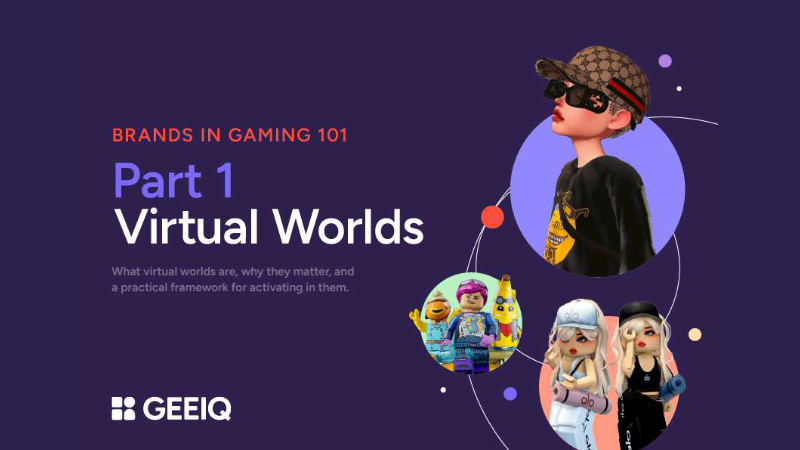
GEEIQ · 2026
Gamesight · 2026

SocialPeta · 2026
SocialPeta · 2026
Anzu · 2026
SocialPeta · 2026

Raptive · 2026
Decision Lab · 2026
Moloco · 2026

SocialPeta · 2026
SocialPeta · 2025
SocialPeta · 2025