1 free read left. Create a free account for unlimited reading + AI research.
Create free account
The Story Behind Polygonflow with Adnan Chaumette | Game Dev Unchained Episode 244
Key insights
6 takeaways- 01Platforms like Graphene are democratizing tool creation by allowing artists to build custom, node-based workflows without requiring deep programming expertise.
- 02Specialized, artist-friendly software is enabling smaller teams to produce AAA-quality content by providing libraries of pre-made, customizable tools.
- 03The role of technical artists is evolving toward higher-level problem solving as accessible technology reduces the barriers to entry for complex pipeline development.
- 04Modern game artists must integrate proceduralism, photogrammetry, and pipeline knowledge to remain competitive as the industry shifts toward higher technical proficiency requirements.
- 05The rise of high-quality talent in regions like China and Eastern Europe is driving a global shift that necessitates greater efficiency and performance optimization from individual artists.
- 06New software releases scheduled for 2024 will focus on enhancing cross-platform performance and facilitating community-driven tool sharing.
Ask AI about this video
Transcript
[Music] what's up everybody welcome to another episode of game dev unchained the number one podcast about game development and the lifestyle thereof i am your host brandon pham and with me a special guest adnan chaumet see i told you i'm gonna mess up is that good oh that was good that was good everyone all right so adnan thanks for coming on the show this is the part of the podcast where i ask our guests such as yourself to introduce yourself to our listeners and viewers out there who you are where you been where you at where are you heading yeah so i'm at nanchomet um i've been in the industry for about five years first of all i started just trying to break in as an artist and uh i come from africa uh mauritania more specifically and there's
no industry there so at the time you either had to be really unique to convince a company to move you or you just had to you know take another business and uh what i did at the time was just trying again and again again and you know doing art tests getting them and getting hey you don't have a visa sorry bye-bye so you know just a lot of these kind of uh rejections forced me to explore different mediums and uh i ended up diving into tech arts which uh at some point uh made me you know kind of uh maya guy who write tools and who is now acquired by epic noticed that and they want they were like hey ednan you make tools we want you to make tools can you join us and um i joined quickso uh got to know teddy bergsman who was on the podcast fantastic guy like best person ever and uh basically from there on i just started thinking about okay how do i make sure that people like me
who you know want to be an artist but also want to solve like technical problems to be fast can work and that's how polygon flow the idea behind polygon flow came to be it was just about making sure that in the future if there's another adnan and he wants to make tools he doesn't have to you know give up on his artistic career to you know make tools and solve artistic problems uh at heart yeah i mean one of the the biggest thing being an artist myself is that i'm always 10 steps removed from a programmer i rarely talk to them because i don't understand them and then the tech art people are always the in-between that kind of helps the artist realize a vision in an easier way and i if anything the onset of the last couple years has been making tool sets better so that we can make art faster basically and you you mentioned you were at quiksil for a while so you fully understood what that was about and uh i would love
to kind of dig into your history a little bit more like another thing i'm super pressed are international developers it's very hard to get in the industry when everybody around you don't know what the hell that you're doing and it's even harder for for crossing borders uh it's a huge still a huge problem um i would love to ask you a little bit about that before we talk about the history of polygon flow and it kind of overtaking the internet right now um when a remote working right it's huge now do you feel like that's something that's going to help break down the barriers a bit more where companies are now seemingly to be more open to working with international developers absolutely i mean just three years ago a couple of friends of mine were not who are still in africa were struggling to find a job and today they are really number one not just able to get a job and we've hired one of them at polygon flow but the
you know kovit is kind of a curse and a blessing at the same time in that sense because so many people are now more confident in hiring uh international talent whether especially when it comes to from like places like india or asia or africa which we tend to get a bad rep but uh there's some incredible talent there and i think it's just the beginning where we're gonna start noticing more and more that hey i can hire this guy from san francisco who's gonna cost me i don't know how many thousands or i can just get this whole team uh who cost me the same salary or half the salary of that one guy so it's it's definitely gonna shift things a lot i think there's going to be a lot of positives for people who don't come from the west like me and in the west i think people might end up being in a situation like where i was for instance where you have to be a bit more than good to have a job i don't think that's you
know if you're from if you graduated from i don't know full sail or right over university but there's a guy from mumbai who has the same skill set as you and you know you don't have to do relocation costs or anything it's just going to be obvious especially if that person is good or average in english so it's changing things for sure and yeah so my experience coming from africa is just that it it's still super tricky and uh i think it depends a lot on the reputation of the country like you wouldn't expect uh artists you could expect artists to come from india yes but africa a lot less and uh i think they're still struggling there with that problem and you have schools there like uh netanfo where i went there for a year and they're trying really hard to make sure that if you're a student your portfolio is shown and that you know they've they're partnering with epic to make sure that
they invite their evangelists showing people hey okay this is what we're doing show me your portfolio i'll give you feedback so it's it's definitely evolving in the right direction uh thankfully um so yeah one of the biggest things with uh remote working and the pandemic is that it really helps with a lot of developers there are um discovering things for some reason people are still not hearing you let me check what's going on i hear you just fine i wonder can you do a test mic real quick okay all right now we're good now they can yeah okay uh yeah so as i was reiterating um continue on the show and again nobody will see this in the recording in the post edits but um yeah the barriers dropping is a huge uh influx of developers that are often misrepresented like you said
and and then underrepresented right um i think with development in games especially the the bigger the hardships the the better the creatives and um and i've seen it all across parts of the industry triple a indie everywhere mobile uh people who are the most disadvantaged are the ones who are the hardest and and i'm sure like you know i i i came through an art school but i've met so many developers who are so self-taught and i just see a clear difference in the drive and the ability to kind of constantly learn and and and their rate of growth is humongous right so uh you know in in in sources like africa which you know schools aren't freely available you gotta have to be self yes self resources um it's a different time in 20 2013 2013 2014 basically my situation was that
i had to either find a job this was in mauritania which is in arabic country and i had to either find a job or go to an arabic school which i didn't speak i i could speak arabic but i could know how to write it so what i ended up deciding was okay i'm gonna have to leave school this was before even finishing high school um and just start doing whatever you know websites uh video editing just going to companies or political parties that want uh like some photoshopping or whatever just trying to go by and uh it's just crazy how much work it takes when you're starting from there and just trying to get the basics because number one okay do you speak english um i learned english by watching anime subtitles and movies that takes you a couple of years and then you have to you just have to learn one by one so many things and uh most people that i know in africa have
the same issues as well you know it's just they've never had uh the the chance to interact much with the west so even the first interaction is awkward because you know it's like a french interacting with an american for the first time it doesn't click uh whether it's the humor or whatever and uh just after that then the next step was okay now i know how to do a little bit of blender because people want text to be rotating in their videos or whatever and uh progressively you start going okay i like blender but i want to make you know a text in a background around like a mountain just noise and just step by step you go from there to i want to have some animation i want to model a car and uh one day you wake up and you're like hey i want to be an artist and the next step for most people in africa is figuring out that there's actually an industry around it like not many people uh know that hey you can you know you
can live off of doing 3d art and uh once you figure that out then you know it's just chasing maybe there's a tv station that needs 3d and you work there it's just continuously struggling until you reach a level where you're not just good but you're exceptionally good if you want to be higher higher than the west and i never reached that level because i branched off to tech art which is techcart has an easier barrier of entry if you're really passionate about problem solving but art is just incredibly hard uh because again there's just so many people in the world that play games and are passionate about them nobody sees decart when they're playing a video game so you just have no idea that that's the thing you just suppose that oh there's programmers and then there's artists um it's it's only when you get frustrated by creating art that most of the time at least that you start going like okay maybe i need to learn how to do
good shortcuts or scripts that i copy and modify on the internet and so on so yeah it's always a wild adventure well i definitely want to sign off on that for sure because uh i equate tech guard and programming for artists like fall guys where you just slowly as soon as people have to crunch numbers everybody just turn the other way and don't want to do it it's it's very intimidating for a lot of people even for myself it's like it's just something that's not what i'm built up for for doing right i can't do it yeah um uh but you're exactly right it's more competitive on our side because everybody naturally wants to make art and everybody and it's a easier barrier of entry um and tech cart i wouldn't say it's easier uh but uh there is less competitors um if you're really good at the right term yeah yeah less competitors going into the industry and and it's it's just it is one of those things uh funny enough uh the industry is moving towards it's like you can't just be an artist for
that very reason alone you got to be a little tech savvy to be really good at your job and be valuable at these companies because uh you need that uh because making games is all about cheating and performance and you can't just go on there and zbrush everything and then just make sure you just walk away from the thing and hope that it works right so uh this actually kind of ties back to to to your beginnings of polygon flow right um you you mentioned you spent a good amount of years uh at quixo uh at the ground floor what kind of lessons uh did you see going through that before the acquisition of course at epic just seeing like a startup like growing and gaining traction and and like coming into form of what the original vision is um like can you kind of share a little bit of that aspect from your perspective that you're carrying forward for for
your company yeah so um at quick sell i was very fortunate because and this is probably one of the things that i miss about uh offices is that sometimes you get to sit near someone that you would never uh be working closely with otherwise and at kwiksel uh the office in sweden uppsala i was sitting with uh daniel and jason jason was the cfo and then business development uh no chief of business development and then head of sales and uh daniel was cfo and other and investors as well and um you know instead of being around artists i was really with the people that are kind of making big decisions that drive the company forwards and i was really involved with the tech tech slash art part of uh quicksole bridge their software that sends you know geometry between uh different tools and that also meant that
i had to talk a lot with teddy and with the pakistani team like it was just a really fortunate setting and uh it was incredibly insightful because you get to hear the the best and the worst of everything like when everybody is celebrating you hear it firsthand when everybody's not celebrating you also hear it firsthand but most importantly i think what's really special about kwixel is just that the company has an incredibly good culture uh when it comes to just hiring good people and uh it you know it seems trivial when people here like just hire good people but it's just you have to have a filter that starts from the top and at quick sold that was teddy and vakar like if you talked with these guys you could just feel it that they really mean what they say when they say we want to simplify the artist's work we want to have a good uh company culture and uh progressively you
know i just started taking notes okay how do they hire um usually they're just scooping over the internet if there's an artist that has been working with their tools for a long time and they're doing amazing work and quicksort happens to be in need of an artist they just hire that artist if you're a programmer or tech artist like i was and you happen to be making tools that they think might be good for uh their ecosystem they just get in touch with you and uh yeah you know just making sure that just like i had to talk to teddy in order to uh be hired every time i was hiring someone in the company at pogba as well i always contacted the person first and really started the deep conversation into hey you know what are you passionate about and uh always making sure as well that the person that you're gonna hire and the the job that they're doing if they're doing it also as a hobby on their free time that's even better
like all of these different lessons i had to just learn them and see them sometimes work sometimes sometimes failing taking notes and uh this is just from the hiring aspect and other aspects uh jason is in the chat and uh i think he would have some crazy uh anecdotes and stories about basically the growth of a company like quicksilver but the gist of it to me is just that it's a constant struggle and the fact that everybody in the company was passionate about what they're doing made it uh struggled that was enjoyable and uh yeah it's uh fantastic people again all over the place over there yeah it's it's a lesson i think i've learned later in my career when i was working with smaller teams and seeing the advantages of that i've always started my career a little like big aaa companies but it was the smaller teams where i learned that for longevity of a career for interest and
internal growth being around like-minded people passionate people where everyone's opinions matter you can really move mountains at a quicker pace than other bigger companies and i i definitely saw that with teddy with quicksilver with you guys and i definitely see the the gem of what you're building over here at polygonflow it's like um it it has all the remnants of of making a big change and speaking of big change so let's go into polygon flow and what it is and where the thinking process and how why why did you feel it was a solution needed for a problem um this is the type of thing when i saw is like oh wow okay this is something that artists are going to be fully embracing been waiting for and can't get you know can't wait to get their hands on and this is also something that tech artists are either gonna like or really get scared of like job security is like this guy's revealing all our secrets right so i
would love to kind of hear you know your your your beginning process of um you know the problem that you're seeing and what you're using uh polygonflow to kind of create solutions for yeah so the story of polygonflow began in 2016. uh back then i used to make small maya plugins i was really starting to learn how to do tech art and i didn't want to quit art just yet i just wanted to solve some problems you know get some cash to be able to survive literally and then continue on with my art career but progressively i started noticing that okay i had to make this really generic tool where you basically have a curve and you want to generate geometry around it like to create a pipe and the code to make that whole thing where it's like a good system ended up being over a thousand lines of code because you had a lot of different features and i was like okay there is no way that if i want to keep
making tools i'm gonna be writing thousands of lines of code because at heart i like solving problems i don't like coding whenever i say this even to my uh colleagues they go like come on but it's it's just i feel like what makes tools like unreal engines material editor and substance designer and so on so good is that they really speak to your soul as an artist like they have a really high barrier of entry but it starts uh like it starts easy if you follow the right tutorial and most of the time you know there's tutorials everywhere and at that point in late 2016 the idea then was okay i know how to create uh scripts uh simple ones but you know it is what it is so i thought what if i had like a layer stack where i could do something like hey give me the selected object bevel the object move it into the scene export it whatever like you just have layers
similar to photoshop and each layer would have an operation and you basically run a bunch of different tools like that and you'd have a button called bake to tool so you would bake the layer stack into a complete script just like what i would write manually and the idea was charming but i had no skills to build a tool like that again i didn't like coding much to begin with so back then i put the the idea on hold and uh one year later i joined quicksill now while at quicksaw i started noticing that problem more and more that okay we have some fantastic artists and they're telling me all these amazing ideas hey would be great if i had a tool that would do this and that like these are ideas that would genuinely change the way artists work and they don't even exist yet but there was no one to do them you know i was too busy doing something else or whatever and uh in uh i'll never forget it was an evening in
early 2018 and i was talking to teddy about this idea hey what if there was this note based tool that allowed you to create your tools would you use it and uh teddy also had kind of a similar background in that he started as an artist wanting to solve uh you know just sci-fi panels creation because you can if you can create them with like normal maps you don't have to model in maya and so on and he said oh absolutely you know back when i started writing andu which was pixel's first tool um it was just so much code and i really wish i had a system like that and from that point i was like okay um now i think i have a rough idea of where this needs to go and so i started doing a lot of research learning what options are there um there was like houdini which was the first software that i considered um i tried it out learning curve was really really steep and i mean like
crazy and i i had to give up immediately because there was no way that i could come to you and say hey this tool is made for you as an artist that doesn't know how to code or any programming language like you have to know a little bit of that to use houdini really well unlike substance design for example and uh then i started exploring other options like some that are dead like softimage had this system called ice that was like houdini but a bit simpler and progressively it was just really clear that there's no solution out there and if i wanted to see the idea that i had in mind happen i had to do it myself and uh that's when you know i just started writing a really simple prototype like i had to learn okay how do you even make a note based tool how how deep does your programming knowledge need to be to do that and uh fast-forward summer 2018
i was like 50 sure of how everything needed to be and that's where i started talking with daniel because you know we're in the same office about this he was like no base yeah whatever yeah yeah cool and but that that basically meant that he was there and seeing the idea from its inception and progressively grow until it became like a proper something with a proper structure and uh yeah after that you know early 2019 i was like 100 sure okay i'm gonna quit by uh summer 2019 and start my thing but then you know the whole kind of acquisition thing and uh the company quicksilver was growing and i i felt like okay i'd rather make sure that i live uh with everything kind of in good state and with a good uh relationship with quicksole rather than just
leaving to pursue my dream because uh friendship is really important and i value teddy and jason and daniel everybody there i just love them too much to you know quit suddenly so what i ended up doing was just uh trying to develop it a bit in my free time because at the time quiksolino a lot of things had to happen in 2019 for us to get to a point where people are where we're on the map where people know what we do where if you're using their software quicksilver bridge which completely removes the need of importing textures and applying them and creating materials like that we need we needed to ensure that there was no going back from that kind of workflows and uh yeah you know late 2019 in november 12th of november announcement that quicksilver was acquired and uh four weeks uh four days before that i had announced to teddy
that i was leaving uh i spent the whole evening before that just uh tearing up in front of the computer thinking okay what am i gonna say to this guy tomorrow um but then you know uh the the whole process was super smooth and uh he just kept giving me advice on okay you're trying to solve these problems i would have been the ideal customer uh of polygon flow a few years ago like i really am an artist at heart and i want to make tools how would i do that and just through tons and tons of brainstorming sessions uh the core idea of polygon flow was shaped that way and if i were to summarize kind of the philosophy behind it it was simple we just want to make sure that just like today you can make procedural textures visually without spending years learning the fundamentals of programming we want to create that same type of innovation in
the field of tools creation and by tools creation i mean you know the fact that we had to wait for i don't know 20 years before a software like i don't know if you've ever used pure ref or quadro it's like a reference collection tool like that just didn't exist before you had to have photoshop open on this side and it was annoying because you can't overlay and so on like and those tools are really simple to make and artists shouldn't be waiting for decades for some programmers somewhere to someday feel like doing it and they shouldn't have to wait for you know random african like me to go like hey i want to solve this problem and waiting for that so that was kind of the idea behind polygon flow um and obviously just like with substance designer you always have a huge percentage of the art community that is just not gonna embrace it because they don't like nodes
or because they just want to make art and at the time in uh late 2018 uh what i ended up doing was okay you're gonna have this software graphene where it's really we're working super hard to make it as artist-friendly as it can be but at the same time we also want to ensure that if you're an artist and you just want to have a tool that you know creates ropes or does vines or whatever we're not going to ask you to do it we're going to give you a library of tools that is already done you know just to make sure that you can start that way you you're on a tight deadline you just want to have a tool that does whatever you go to this library called the metanode you type ropes or vines or building or modular or whatever it gives you the tool you use it you know you're comfortable you like it and then one day you notice oh there's an edit button near that tool if you click on it that's when we open the graph and from there you know maybe you've
been so familiar with the tool that now you want to change it and see how it would behave and and that's kind of the conversion flow uh you know trying to convince artists to build their own tools and sell their own tools uh as well so yeah that that's the long version you could say no that's that's perfect man i think a lot of um i think blueprint was one of like one of the biggest tools as well as quixote and all these tools that enable and invite a lot of artists to solve these issues because uh within the studio right it is a lot of collaboration between an artist and a technical artist to kind of help solve problems and everyone has their diversion path it's like you're doing tech art and you're figuring out you know what what what problems to solve but artists are always creating problems and so naturally it's good to talk to them they're like all right what kind of what did you do now what can i make to make it easier and so being able to kind of help bridge
that gap even better where artists themselves can just fool around and at least uh prototype something that they're thinking about um is a huge factor and i think if anything will will open up the floor with a lot better tools to make things and make art faster which is at the heart of it what makes game development different from other mediums it's just like how do we cheat yeah we're always looking ways to cheat um because no one wants to sit there 80 hours sculpting something when they don't have to uh because we got deadlines and you're probably gonna get fired yeah one thing that's also super important uh to notice that there's just too many artists and two few tech artists and uh statistically when you look at most takaris they're not like frustrated by their job or hate it or want to go back to being an artist it's quite the opposite artists that
dive or even just tip their toe into tech art tend to never come back and what that tells us is that if there was a lower barrier of entry you would have many many more uh tech artists that are just you know they just want to solve things they just want to uh see how fast they can do something like time lapsing or whatever and uh i think the reason why you don't have this many tech artists is not because artists don't like to code it's just that just like before substance designer nobody even wanted to think about proceduralism they were just never given the right tools to even try to solve the problems to begin with and that that's that's i think is at the heart of the problem and the potential is just huge like unreal engine they published some stats about two years ago when they wrote a profile on what is a tech artist and there's just every single vfx company every single game company when you're a
tech artist it's incredibly hard if you're good to not find a job like there's so many openings everywhere and any artist that even likes to do shortcut i'd encourage them to you know just dive into it a little bit try substance designer try houdini uh try graphing when it's out and so on yeah definitely i think the the the trend that we're talking before uh if anything the last couple years has been increasingly towards technical art like you know we were talking about playing with blender early right i was laughing about blender but now it's becoming the leading 3d modeling tool because of how fast uh it's updating like huge features with every release so it's overtaking what's out there uh you're talking about you know photogrammetry and your your program graphene and what you guys are doing over there polygon flow uh there's always seems to be a switch
or a conversion of old guards you know we always you know met with really senior people who have their their way of how they set up their deaths and this is how they're going to do it from a to z and they don't want to change that because it is frustrating too being a guy who who who constantly wants to learn new tool that every single week there's a new tool that you have to learn and change and adapt to be relevant um i would love to kind of hear your thoughts about uh the dangers of someone as an artist who are not leading towards tekkar not just for beginners who are looking a way in but people who are trying to stay relevant on top of things and it's all about speed and quality at this point we'd love to kind of hear your opinions on that yeah i think um i'm gonna kind of separate it into two categories uh for the western candidates and the non-western candidate because i think that distinction is important because the expectations are different if you're
in the west the expectation is that you have to be so good that you know hiring someone of the same skill set again in mumbai or whatever city in asia is not worth it like you have to convince people at santa monica that you who lives in uh santa monica are worth it more so than the guy that might be more skilled than you who lives wherever and so i think if you're an artist in the west it's super important you don't have to do you don't have to learn programming but it's super important to have a really deep understanding of where your field is going and uh there's this guy called uh scott denton on facebook who shares tons and tons of links and discussions around art and i think that's really important because tomorrow if you're in a meeting and people are curious about hey what's photogrammetry about how can it benefit
us you need to be the guy that can stand up and say hey i know what photogrammetry is let me help you set up the pipeline um it doesn't mean scripting it just means having a really good understanding of how photogrammetry works or of why proceduralism matters and if you lose touch of that and you're only good again not great but good at making nice high polis or baking and making nice models i really think it's going to be tough for you moving forward in the future and yeah that's why i really recommend for everyone to have a good understanding of proceduralism and for grommetry now if you're not in the west i think you need to try even harder it'll always be the case but i think you can have an edge if you also add on top of that layer scripting uh python scripting for example and
the reason why this is super important is because someone you know if a company is evaluating two candidates hey i'm in paris you're in uh i don't know uh accra in ghana in africa and you know let's say they have the same skills uh same procedural photogrammetry knowledge if you who are in accra ghana you know how to script that's a huge plus and it's even better if you sold your tools in the past or shared them or whatever because you never know maybe the guy who's gonna interview you is using one of your tools and uh that that also is super important uh you know not just making tools but writing about what you do you need to be super confident about your job because one day someone might read something that you wrote and if it's bogus and by something i mean you know maybe you wrote some tips and tricks on poly count on how to solve normal map issues or whatever
like you just never know who you're going to be talking to tomorrow and throughout my career short career everyone that i've had the chance to work with so far i've known uh you know for almost 10 years first time i spoke to victor was in 2012 and i was literally just texturing a cube with their software and he said hey that's nice progress not because it was nice but because you know just encouragement and uh that puts you on the map so yeah you know be on the map if you're in the west please learn proceduralism and photogrammetry again doesn't mean you have to dive into scripting it just means that it's going to be a game changer and it's going to give you an edge if you're not in the west please learn those but also add scripting if again you want to be set uh you want to be uh unique uh compared to uh an equivalent talent elsewhere yeah and kind of to
relate to that you know i i started my history and game dev a a 2k like over a decade ago and even then the you know me coming from environment art background it was already in the talks of how to face that part out the junior level creating props right we were that studio was looking for senior manageral uh leading type of environments and and all the prop making is being done overseas right so thankfully then wasn't really completely figured out but there is also every transitional console generation uh there's always re-looking at how do we keep the core team small because you know at that time you know we were outsourcing to china and at that point there were still early in the infancy a lot of you know standout artists but as a whole still still still learning but now 10 years over 10 years later you
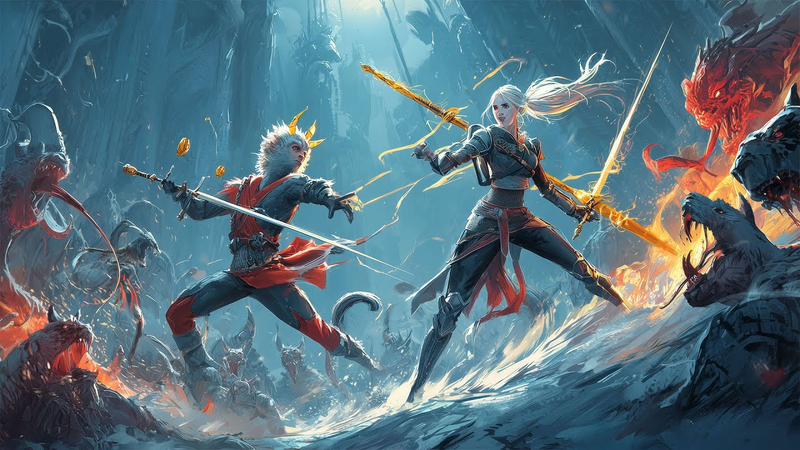
know chinese are going pretty crazy like these artists you know i'm sure you've seen that monkey king trailer i was like whoa man this is like one of the top next-gen looking game uh from from a country that we used to outsource stuff too right and so internationally it's getting very competitive and you're constantly like you said have to look for that edge otherwise i can pay one tenth cheaper for someone to do your job right absolutely actually one of the things that i love the most about every day just working at polygonflow is also the fact that even though we're located in uh stockholm like the talent pool is everywhere we have people in hungary in vancouver in vietnam literally everywhere everywhere around
the world and uh i just never thought that such skilled people exist um we have two programmers for example from hungaria and these guys are good and i don't i don't just mean like oh this is nice skills i mean they're able to make you tools that are much much faster than anything on the market if you tell them hey i don't like how this extrude works or i don't like how you know it's slow to do a certain operation in maya or blender they just do you something that's better and i feel like there's this kind of discovery feeling that the west is experiencing right now where you just didn't know that there were this many good people in some places of the globe and even in the west sometimes there's also a lot of people whose skills are just not put in the right place [Music] and i i think it's it's mostly like the problem
sometimes also comes from the person themselves like if you're working in a company and you really want to do something if you're not vocal about it nobody's ever gonna you know tell you hey you should try that and a lot of people that start especially as artists they tend to be like okay i'm a proper artist and then one day by circumstance whatever circumstances they just end up being the artist that optimizes stuff without ever having the chance or having taken the chance to trace their path and uh i think what when you look at something like that uh game from china with the monkey uh king it's a journey to the west i think was like a subtitle of the game it's just if if you told me today hey this is from sony santa monica i would say oh you know i could believe you there's nothing there that doesn't uh scream god of war or
beautiful visuals and that's all because you know there's thousands or maybe tens of thousands of people out there that are just working like crazy to make sure that they can create productions that are even better than what uh what exists in the west and i'm just discovering it you know as i'm hiring programmers mostly and technical artists i'm just finding people who i'm like okay where is this person coming from how come autodesk hasn't hired them and uh yeah it's it's exciting frightening but most uh importantly it's uh challenging in a good way for everybody i think yeah it's one of those classic um leadership uh comfortability that people kind of fall into where you know the west for a long time well even japan right japan was there was kind of leading game development for for a good couple console generations nintendo and then
we saw like this transition to western gains kind of eclipsing that and there was a back and forth battle a little bit and then uh suddenly right now tools are making it easier uh lesser people um and honestly it's just harder working people that we're competing against because like when i'm sleeping there's someone the equivalent of me in china just working through those hours learning new skills and becoming better and comfort if anything is is what's i think one of the the biggest issues with western studios right now we're just so comfortable with being number one and uh we just take advantage that our people will take advantage of that and um and it kind of comes back to what you said you're gonna on always have to reevaluate your standing and make aware uh to yourself of what's going on in the rest of the world like uh that wukong uh monkey journey to
the west kind of slapped everybody in the face to wake up yeah uh because these guys are so much cheaper than you and are doing something that is so much better than than your team has ever done why is that you got to reevaluate that and embrace it and learn start learning from each other um it was the same kind of slap in the face that i felt uh a few years ago from a russian company uh it was like atomic heart it looked like russian bioshock i don't know if you guys saw that game that was like what the hell is this so it was like yeah where is this from who are these guys this is some kind of conspiracy here but like it was like it was such a eye-opening moment and i'm feeling that that frequency of surprise and shock is happening faster now it's like every two years now i we we uh i recently had a guest on uh zang who um who who was a solo
developer on bright memory this is a chinese young 20 year old who made this triple a looking game by himself completely and it was shown off on the nvidia stage it would show off on the xbox stage and it was like wow this is a new generation of game developers we're talking about all these tools like what you guys are doing substance quick so everything right um and and what does that mean it means that we're going to have younger and hungrier developers who are pumping out triple a level content at a fraction of the team that it used to be and that's the future to some can be very scary for usually the senior guys and to others very exciting because it means like he said lowering the barrier entry and at the end better quality product because at the end we just want to have better games faster
right um absolutely so i would love to kind of if you have something to add to that we can do that first yeah i was just going to quickly say that it's probably one of the main reasons why i wake up every day is just the thought that there's so many people out there who [Music] whose potential can be multiplied if you give them just a good solution for them to either work faster or smarter or just have more joy in their work and uh what what excites me every morning is just you know waking up and working with the team but most importantly looking at the question what would happen if today you gave artists the power of programmers and if they didn't have to worry about everything that programmers have to do like if there would be an industry shift and i know there will be because you
know you have people like teddy who were an artist and they just did some basic scripting in photoshop and look where it took us and i feel like he's he's just a drop in the ocean there are so many people out there that have a crazy potential and every day our team is just working to make sure that that potential is revealed not that we solve the problem because you know that that's how usually people do it you could solve the problem and it's it can be super profitable if you solve it well most people fail to but if you do well you know it's just crazy and uh for me it's you know as someone who does not want to end up scripting his whole life it would be torture if i have to if i had to you know just have a list of 2 000 requests from people saying i want to have this i want to have that um i i really think that once you give people the ability to never having to ask tech artists hey can
you solve a problem it's just going to change everything and i'm super excited to see that happen yeah i think a developer's nightmare is waking up to jira task and if anything you're getting a bunch of requests from a lot of artists where yeah some might have valuable ways of tackling and some is just like bs it's like do it yourself do it figure it out yeah test that idea out and you'd let me know if it's worth pursuing the next level and that's where i feel like a lot of tech artists will be more challenged and more uh available and and ready to tackle the bigger problems right um and i think every discipline like he said and i'm seeing it last decade especially every discipline has been challenged uh with better tools like uh we kind of laughed at animators at first it was like with no cap looks like you don't have a job right and that that that of course isn't true
yeah right if anything they're cleaning up and animators are more important than ever in every industry uh we we saw with uh photo scans with character artists right it's like now i can just scan people why do i need you for i take pictures photogrammetry with environment same deal right uh and i see what you're doing the same thing it's like tech art wake up guys uh we got to challenge ourselves and and i i if anything um the the millions or thousands of requests that tech artist gets uh this is gonna help them filter through to something really great because i think a lot of great ideas have been bottlenecked and because there's not a lot of tech artists around to help or you guys are scattered frankly on the internet right outside of a studio setting it's very hard for artists to communicate in a room with you guys to figure out something that is genre defining um so i think a tool like this will open up the conversation make it more funneled through right uh you were talking about the metanode like being able to kind of dig through tools that people create i i think
that's a fantastic idea because now we have the potential of a hub that people can talk to each other about and it doesn't have to be a traditional studio setting because i don't really know where tech artists hang out to be honest it's like do you guys have your own website like where do you guys hang out because i know artists you got art station we used to have poly count and all that stuff um and and other discipline have their own little forms and circles but programmers i guess github is their thing i still don't understand that i mean yeah for tech artists there's this place called uh tech art oh no not that video tech artist.org which basically is where a lot of good tech artists meet and they have a slack which is just tech slash artists dot slack.com where you'll meet you know these are technical artists from companies like apple naughty dog sony saramonica ubisoft everywhere
unity unreal and so on so it's definitely a good if you're an artist you go there you're not going to understand most of the conversations that are taking place but you'll get to have a good idea of okay who are these people what does their day-to-day job look like essentially and it's it's super fun also talking to them asking them questions you know about hey i want to learn a little bit here where do i start so i think that community is a good starting point uh if you wanna if you're curious about the field all right well uh i i guess one of the the remaining questions that i have um is is what is the the future road map like well graphene i assume is one of your first steps it's a great announcement i'm seeing it everywhere artists are rejoicing tech artists are kind of scared but this is that that's a good thing because uh it means changes are coming and it's going to be one of those revolutionary tools to kind of speed up workflows and and make things better
honestly people do i think overall the reception has been good but would love to kind of hear your thoughts about you know what the next steps are and what you guys are doing so over the last uh five months we've been really focusing on building the team um we started we are initially just three whereas me and a really long time friend a bit here and uh who's kind of our geometry processing guy and uh there was also russian guy ilgar who is just amazing uh like really amazing and he actually built like 99 of what you're seeing uh on the graphene video with another guy called martin it's like the graph and the no the software itself he built the core and then martin darling who if one of you guys is using maya before there was this plugin called nightshade uv and uh the guy who wrote it is now working on
everything related to maya for polygon flow and basically with their power we managed to create a really good kind of starting point so the next step uh as you might have seen on a lot of the videos it's people asking hey um is this going to be available on blender on unreal on macs and so on and how good is the performance so those are kind of the first challenges that we want to solve solve over the next couple of months first of all we want to make sure that if you're an artist and you write tools um they're faster than what the average tech artist can write um not just as good but faster and uh we have to really dig in uh you know in whatever dcc whether it's maya unreal blender and so on to find that kind of performance edge but we're there thankfully uh now and so the next step is number one showing people more possibilities like
that video is just hey i'm a 3d artist i want to do blah blah blah but what if you're a 3d artist and you want to sort your project like creating folders renaming every file automatically and so on all those things and this is what really makes graphene different compared to any node tool out there is that you can use it for just that for project management for building a small software like pure ref or for just making modeling tools so that's the roadmap really right now for the next six months just showing people more of that in january we're going to start a private beta where we basically want to give people a sample you could say of graphene and see what they can do with it and from there take that sample and apply whatever conclusion we might find you know based on the feedback to the rest of the software so i'm really looking forward to that um just to summarize january late january
it's going to be private beta in february we're going to be showing the other library of tools metanode i think that's going to be super exciting for artists because there are some tools that just don't exist that help artists you don't have to build anything it's just a tool that solves a problem that i'm excited to see how the art community will react to and yeah around uh between may to uh june next year we're hoping to have our first kind of public release if you know development goes smoothly uh yeah well man uh it's been a pleasure yeah i mean you can't did that bit but uh you know you're gonna you guys who are watching they're listening we're gonna provide a whole linking information so that everybody can just click through and and find that but um i i say for for all companies and all developers or or people who are able to kind of see through this pandemic and still succeed or you guys are good to go i mean if you can make it
through this hardship and it sounds like you guys are uh you and your team are kind of used to kind of remote working and being able to communicate uh it sounds very exciting to kind of see what the next six months looks like and i can't wait to get our hands on the tool and i'm with a lot of people who are saying like give me uh giving you uh our money to kind of get started on this but like uh if anything uh as always um if you can uh how do people follow you you wanna kind of list that so that people can continue the discussion with you uh offline yeah absolutely so first of all you can just go to our twitter which i'll drop in a second and uh you know it's just twitter you go there polygon polygonflow and um you can also find us on the website itself polygonflow.io where if you want to subscribe to the beta there's literally just two buttons you give us a name and an email and when the time comes it
will reach out to you saying hey there's a beta so yeah pull gunflow dot io is where you know i recommend you to just go there you'll find everything you know what we're about in a video and how do you keep in touch and so on so yeah let me just drop that right there as well uh as always i want to thank you edna for for coming on and talking with me uh and then sharing the knowledge and and and inspiring people out there uh to to solve problems uh and with solutions uh for for everybody awesome that's why i love talking to tech artists you're always there to kind of help us uh and i would love to see that community grow for sure just more tech artists for sure as always guys thank you for for tuning in and i'll see you guys all next week see ya
[Music] you
Summary
The global game development landscape is undergoing a fundamental shift as the demand for technical proficiency among artists rises. Driven by the increasing accessibility of remote work and the emergence of high-quality talent in regions such as China and Eastern Europe, the industry is moving toward a model where traditional artistic skills are no longer sufficient. To maintain competitiveness and job security, modern artists must integrate proceduralism, photogrammetry, and pipeline knowledge into their workflows. This evolution reflects a broader trend where the ability to optimize performance and efficiency is becoming a core requirement for professional relevance.
To address these challenges, the development of specialized, artist-friendly software is bridging the gap between creative vision and technical execution. Platforms like Graphene are designed to democratize tool creation, allowing artists to build custom, node-based workflows without requiring deep programming expertise. By providing a library of customizable, pre-made tools, these solutions empower smaller teams to produce AAA-quality content while shifting the role of technical artists toward higher-level problem solving. This transition is fostering a more collaborative environment where innovation is driven by passion and accessible technology.
Looking ahead, the industry is poised for a period of increased democratization, with new software releases scheduled for 2024 aimed at enhancing cross-platform performance and community-driven tool sharing. As barriers to entry continue to lower, the focus is shifting toward efficiency and the ability to adapt to rapidly changing production requirements. Ultimately, the future of game development lies in the synthesis of artistic creativity and technical empowerment, ensuring that creators can streamline complex pipelines and focus on delivering high-fidelity experiences in an increasingly globalized market.


Comments