1 free read left. Create a free account for unlimited reading + AI research.
Create free account
The State of Game Labor 2019 with Emma Kinema | GduX.me
Key insights
6 takeaways- 01Despite the industry's high profitability, mass layoffs and power imbalances continue to undermine long-term career sustainability for game developers.
- 02Unionization is presented as the primary mechanism to address systemic industry instability, including chronic crunch, burnout, and the misclassification of contract workers.
- 03Data indicates that unionized workforces can experience pay increases of approximately 27% and improvements in product quality ranging from 15% to 20%.
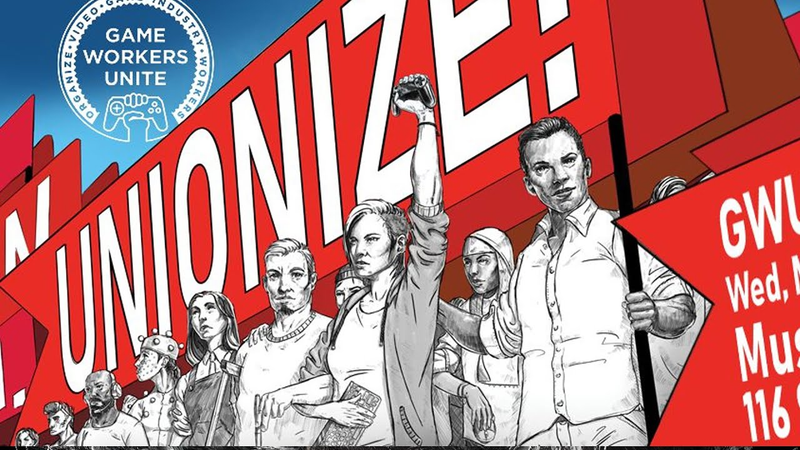
- 04Organizations like Game Workers Unite are facilitating the transition toward collective bargaining by providing labor education, international knowledge sharing, and support for local chapters.
- 05The industry is exploring alternative business models, such as worker cooperatives, to prioritize worker well-being and dismantle the normalization of crunch culture.
- 06Effective labor reform requires shifting from reactive crisis management to proactive collective decision-making and the establishment of standardized fair employment practices.
Ask AI about this video
Transcript
[Music] but we finally successfully made contact Emma is joining us Brandon I'm gonna let you go ahead and do some transition magic and again guys thank you so much for being here for the first part of game dev Unchained expo day1 I'm gonna speak no more because I think Emma's ready to go so I believe if I hit this button right here oh man I feel so I feel so a fishhook with this thing down here hey Emma hey Lauren yes yeah we can hear you just fine can you hear us organizer us yours and a game developer for longer I started out as a hobbyist and game student and eventually an unpaid intern I've worked in freelance and part-time I've worked mobile games triple-a independent you name it and somewhat unexpectedly found myself starting an international labour movement about a year ago so that's kind of where I'm at and kind of a little bit about me so I'm gonna cover briefly on
kind of the state of games labor in 2019 um why I feel like and many of us feel like unions are kind of the answer to a lot of the issues that we're facing cover some basic misconceptions and foundational information about what unions really are talk a little bit about game workers unite and how pretty much every single person involved can and should be engaged with this movement so yeah so kind of like what Brian was saying kind of a bit ago the games industry is kind of a weird one um it's incredibly international and kind of distributed all over but it's very connected online and I think this conference is a great example of that right Triple A is pretty concentrated in some expensive urban areas and you know double-a so-called and single aim and indie developers are kind of strewn kind of pretty much everywhere else right pretty much anywhere someone lives there's probably someone making games
right and so that presents some pretty interesting challenges for our industry and in some general issues we tend to face I mean some of these were just touched on but you know things like mask crunch contract employment miss categories whose quatre is a shin so you know lots of QA testers and things are miss categorized as contract labor which means employers don't get to or don't have to pay benefits and things like that in fair wages we've got issues of course like mass layoffs that's very notable lots of job instability unstable health care at least in the United States um yeah I mean you all we're talking about a six to ten year industry burnout rate which is pretty terrible there's ageism there's a lack of resources lack of transparency lack of on-ramps for recent graduates and folks who are new to the industry in plenty of bad credit accrediting practices you know places like rockstar don't even credit workers if they leave before the gameís shift so you could literally work five years on a game leave like a year
before it ships and never even be in the credits and and on and on and on right there's all kinds of issues that we face in this industry right and so like we were talking about it feels like it's become pretty cyclical people have really gotten quite used to this we see you know article headlines just like all of these you know pretty much you know week to week at this point maybe every once every two weeks some kind of scandal some kind of big layoff some kind of big issue at a company and it doesn't really show any signs of improving for the immediate future it seems to just be continuing as it is and the truth is it's not terribly new actually to the industry um although it feels like in 2018 and certainly in 2019 it feels like we've hit some kind of tipping point where all these things are happening much more commonly it's really been happening for a long time kind of under the surface as it were and I feel like we've grown pretty used to it you know as the smoke and the flames kind of come up around us we're like well it's just the games industry that's how it is
it's creative and passionate and like we're just here for the love of making games and so we can come deal with it right except for I'm pretty sure at this point a lot of us are feeling a little bit more like the duck in this frame where we're kind of realizing that maybe enough is enough you know maybe a six year average burnout rate for game devs to leave the industry is not sustainable maybe we're losing massive amounts of talent maybe we're like losing profits as well by prioritizing like quick business decision and not long-term stability within the growth and work of the workers so um yeah yeah so so essentially this last message in the normal brain screen it'd be pretty picky it was always a pretty bad price but frankly a nearly new industry that's worth more than most and usually these come from Wales it's kind of absurd like this industry is immensely wealthy and yet we have QA testers living in extremely expensive cities like San Francisco or Seattle or
New York or London and are making minimum wage right it's pretty messed up um and even if people you know like their jobs even if people feel pretty well-paid they're still not actually making the value that they create back in their income right there there's a discrepancy there and and the problem is bad business decision making a lot of the profits are going getting sucked up to c-level people people like CEOs CTOs and in the management class and so it's really important to kind of step back and consider the how like one of the most wealthy industries on the planet really isn't treating its worker as well right there's really no excuse even if we love it and I do I love working in the games industry all the organizers I know love working in the industry but there's really no excuse to be treating people this badly and things can always be better I think learning to understand that we can always be improving is really important so how do we see an answer to this a lot
of us frankly think unions you know and naturally when you say that like you think unions can solve a problem you you kind of hear a lot of like well unions aren't a silver bullet they have lots of pros and cons like let's talk about this forever and it's true there are pros and cons and there's certain examples of like unions in the past that didn't function terribly well but but as a whole at it's very core it's a tool that is very useful and we really think is a better way to fix the industry and so you know a lot of people ask kind of okay so why unions like what actually about unions works why not just do things like advocate for better conditions or expose bad working conditions in the industry right what about going to the press what about writing essays or white papers right conducting research about crunch and burnout have you tried asking politely like have you asked your manager for better conditions right the problem with
all these things is while yes in theory those things are good and those things should absolutely continue to happen we've been doing that for years in this industry for literal decades we have been doing all of these things right there always been groups advocating for better conditions there's always been at least some press attention to conditions and certainly that's ramped up in the last few years and and you know it's just we haven't accomplished it we have may we haven't actually moved forward as a mature labour force we haven't actually improved conditions on the whole and in fact there's some kind of some argument to be made that pay has actually slipped on average from back in like the 80s and 90s over the last two decades so these kinds of things aren't really working right and we kind of have to ask the question why so why unions right like so what about unionization is something that can actually provide hopefully a solution to these issues right and it's pretty simple it's leverage unions give workers leverage so
what I mean by that is individually US workers really don't have a lot of influence or power or say in our workplace even at the best of workplaces and I genuinely really love mine and I think it's a fantastic place to work and it's as good as I've seen and yet um we just don't have a lot of leverage we're not really the decision makers and let alone just making decisions we're really not even a we don't even have like a seat at the table to even have a voice heard let alone actually helping make the decisions right and so individually we have a very little amount of power where as bosses have a lot of powers individuals right because they have more money they have control over the the functioning of the company they make decisions for everyone and it kind of trickles down from there right it's a pretty top-down hierarchy unions on the other hand if enough of us workers get together we can actually wield a lot of leverage because of the fact that we are the ones who actually make games our bosses don't
our managers don't our you know CEOs don't make games we are the ones who make games right and without us literally nothing can happen at that company and so if we can understand that and understand our own actual value and the fact that all the profit and value that comes out of a company is generated by its workers at the end of the day and so if we can wield that knowledge and if we can like come together in unity and try to find collective solutions to issues in the workplace that is how we get leverage right and and unionization is the process by which we do that and I would also add that like it's not a terribly individualistic industry to start with like if you think about games it's an anyone who know who's like actually made and shipped a game knows it's kind of a miracle if a game actually gets shipped effectively because you know even on an average sized game you've got possibly dozens or hundreds sometimes even you've got
thousands of workers all working together working in collaboration with tons of different skill sets and I'm talking like art and writing and audio and programming and design QA testing community management marketing PR whatever you name it that's a profound amount of collaboration pretty much more than any entertainment industry I can imagine like we have a huge mix and diversity of talents and we're already really good at collaborating if we can just take that same kind of sense of collectivism and sense of unity and apply that to improving our actual industry in our workplace it I mean things would change in a blink of an eye right just we are already such a collaborative medium if we can just yeah apply that to the day to day we can affect a whole lot of change so that's the kind of idea behind why unions are kind of the tool of choice on top of that I want to kind of clarify maybe a little bit about what unions really are
because people certainly have misconceptions I know I grew up with misconceptions so um to start it off I guess at its most core it's really important to understand that unions are really two or more workers in the workplace coming together to support one another and identify core issues and finding ways to collectively solve them and that's really it at the very core that is what a union is if there's two or more workers trying to solve problems together that's a union right and the idea is you want to grow that you want to get it to a majority you want to be as inclusive and have as many voices having their say as possible because a union is really about democracy it's about injecting democracy into the workplace which otherwise is very undemocratic and so to have democracy will function while you need high levels of engagement you need lots of voice being heard you need people who are self empowered to speak up and have their opinions shared with a group so that's really what's all about
you know people can join existing larger regional and national unions but that's not the only path forward very much so people can form independent local unions just in their company just in their studio and it's really up to the workers to decide that kind of path forward so if a group of workers really doesn't want to pair with like a larger union they don't have to they can just solve problems themselves in their workplace right there's pros and cons to each of these paths and we encourage people to learn about those right and in a majority of countries are in the world your right to organize a union is actually protected against boss retaliation it's a very common protection in most countries nowadays and so that means like you know if a boss threatens to dock your pay or fire you or move you to other departments to kind of pressure you out of the company that's all retaliation and if they're doing that because you're trying to unionize or organize and trying to improve the conditions of your fellow co-workers that's typically protected right and so I think that's a
misconception people don't understand that you actually can't just be fired willy-nilly just cuz the boss doesn't like you now you know and you know bosses will often like try to get away with that they'll try to slip in different excuses but there's ways to combat those and then finally organizing really means having private one-on-one conversations with co-worker under the radar of bosses for as long as possible it's not rated waving a banner and like rallying the troops it's not storming the barricades or making like big political speeches or whatever it's really about one-on-one conversations it's about actually sitting down with your co-worker and being like hey how are things going for you right like what what what are you facing in the workplace how are you doing like what issues you feel like we're all facing that we could be like fixing together right and really coming to learn and listen to people it's not about providing answers and perfect solutions it's about genuinely listening with an open mind and an open heart to your co-workers and learning about them and
building genuine care and empathy in the workplace I had a labor organizer kind of mentor of mine once to tell me that to her labor organizing is about building a culture of care in the workplace and I really like that idea and I think it really speaks to me and I think it speaks to the values of a lot of the organizers who work in the games industry um we care about our workplaces we care about our co-workers we care about the games we make we care about our companies um we just want to see them improve we want to see them become more efficient we want to see them make higher quality games we want to see people treated better and you know living healthy stable lives you know being able to take care of their families and not worry about you know their job falling out from under them that's why we do this we do this because we care about people and I think keeping that in mind is really important and yeah so some of the effects unions have and this is very clear from the last couple centuries frankly of Labor history and from many other comparable
industries is that you know unions really do provide a lot of safety for people that prior tract prioritizes worker conditions over profit driven motives you know worker investment in their craft and studio establishing fair standards providing structure for internships and apprenticeships ensuring equal pay for people and demonstrating that workers create value and profit and art right and yeah it allows us to start reclaiming essentially the product that we make ourselves and making sure that the people who do it are taken care of and so that's really essential to keep in mind as well and yeah all right um all right great so um just to kind of get back up to speed apologies for the the drop out yeah as essentially unions accomplish you know a lot for us to do
like in this industry it can really improve industries you know really wholesale not just in the quality of working within the industry but also the quality of the product right it's something like unionized work forces on average have a 27 percent increase in pay and a like 15 or 20 percent increase in quality of product as a whole compared to the rest of their non-union companies in the industry that they're within so there's no reason why that wouldn't hold true for games as well so there's a lot that we can accomplish with a union not just in terms of the workplace but also the quality of the games we make as well so one of the vehicles through which a lot of us are trying to accomplish this is through game workers unite essentially at the core game workers unite is an international grassroots movement and organization dedicated to unionizing the games industry um we are not a union because it is international it's pretty much impossible to have a union at that
scale and it would be very top-down and that's really not the method we really believe in for organizing it's really more of a grassroots community through which organizers can learn from one another and share kind of experiences and train one another up and build an actual movement from the ground up in our local communities so we see ourselves having essentially kind of three main goals and this map on the right is kind of a shows a little bit of our growth we've been around for just about over a year now um a year in a couple of months and we essentially went from having kind of a single group chat online with you know a couple dozen game game developers who were kind of upset with conditions in the industry and within a year's time we've had you know an explosive amount of people get involved people with a lot of interest and we now have 26 chapters around the world on four continents we have some chapters coming in Southeast Asia and East Asia soon which we're very excited about and we
have membership on all continents um of course except for Antarctica which that'd be cool but I don't think they're any game developers there but yes we see ourselves as having three main goals which is one to build up and train up local organizing communities on the ground level those are our local chapters and we do things like providing organizer training to them so they know how to actually go about organizing their community connecting them to sister chapters from around the world to promote like kind of knowledge sharing and in helping one another and and connecting them to resources on a larger scale we also ii provide an international community of organizers we have a large community online about i think it's about 800 people now all told and it's it's a space essentially where people can make projects discuss issues of the day share news you know provide organizer training again for one another online and really think about these
things on a larger regional and international scale so that way we can really coordinate beyond just what we could do in our own local vicinities because we genuinely are stronger than if we were all alone right and finally a more cozy night is pretty much best known for this Third Point which is agitation and education around labor issues in the games industry and you know doing things like educating about issues we're facing you know kind of engaging with people at different conferences and online like sending out literature and all kinds of materials to kind of get people trained up and educated more on these issues and so we do a lot of that work as well and that's kind of the crux of game workers day/night those are really the three things we do and and over the last year we've seen you know various local chapters establish um new national unions with actual members you know paying dues and organizing workplaces and getting training and stuff and that's really been exciting um in
addition we've also been you know supporting existing games you you know places like you know the sctv in France Solidaire informit ich in France again who has union representation and Activision Blizzard's Studios out there folks in Sweden are unionized there's a games union in Finland that you know I think it's doing really amazing work and so the idea is to continue spreading this throughout the world and really building that really strong international foundation because this industry is international these companies are international and to really have an effective labor movement we really believe in having an abstruse based international community that can actually kind of take on these issues and work together so there's a lot of ways in which people get involved and it doesn't have to just be through game workers unite I think it's wonderful if people just organize on their own as well there's no pressure to do that but everyone is welcome to kind of get involved and learn more we always need more help for workers in the industry
whether you're like a full-time employee or a contractor or you know what have you um the most important thing you can do is talk with your co-workers about things in your workplace like actually get to learn about one another actually learn to support each other do things like take organizer training either with an existing union around you or we have our online and local training programs that are open to everyone and you know join game workers unite for students I'd say refuse to accept crunching your programs I went through a game school and it really taught me and everyone else to crunch and to accept it and be kind of grateful for it it's really messed up so it refused to accept that mindset um even if you have to go through it make sure you never become used to it because it's not healthy for anyone um even if you feel like you can take it which I'm a workaholic I can take crunch it's still not a good precedent to set for my fellow coworkers fight to improve your schools and you're completely welcome and game workers unite as well we have a lot of students who are always doing agitation education
work around this and trying to educate their fellow students about the stuff for academics please teach labor issues in your work in in in your programs don't just keep it to theory don't just keep it to the absolute basics please talk about the living in this industry and working in this industry let your students enter this industry with open eyes and not be caught off guard and stop training crunch into the behaviors of new developers for the media just like with this educate your audience highlight worker voices because that's really important so many of these articles that we talked about or really featuring CEOs and stuff and yes it's good to talk to them yes it's good to call them out when they say mess of things or do bad things but it's actually more important to highlight worker voices in particular because one we know better than anyone else what our issues are and how to fix them and I think it's more important to highlight a typical worker on a project
than the CEO whatever their line is isn't going to be the real reality of what it may it took to make those games right and players you have a role to play as well educate yourself share information in your communities you know stay abreast of like developments in the industry and the state an informed consumer it's it's really helpful to have people within our spaces um you know advocating for developers it it goes a long way and finally even with bosses there's ways for you to be involved um be neutral in your workplace and voice that neutrality don't try to pressure your workers to unionize are not unionized let them make their own decisions and don't try to get involved yourself because that can be a really uncomfortable situation we've seen a lot of bosses kind of go out there and be like oh I'm Pro Union this is really great um you know I really want you to do this and then that's kind of a weird dynamic and it makes it really uncomfortable for the workers so let them handle things on their own if they're going to do it they're gonna do it um and support whatever decision your
kind of workers make and then finally if you're like any of them any kind of small or mid-sized studios that have come to gain workers unite in the last couple like over the last year and mentioned that they're Pro Union something we've always you know kind of helped them with is talking about like well if you're Pro Union and if you care about your workers and you care about democracy in the workplace and you care about you know making sure things are fair and equal don't have a traditional kind of top-down hierarchy transition to a worker cooperative where everyone gets to have their voice and it's in the structure of the company right and we've seen lots of groups do that now we've seen a lot of smaller studios in particular transition from a typical company to being a worker cooperative and gain workers unite is happy to help with that we have resources on our website people can reach out to us and we'd love to help people with that process because it can be tricky but it's an option that people have been doing all around the world in the games industry and it's you don't have to you know go it alone so that's
pretty much everything I wanted to highlight here um I definitely want to end with emphasizing again that to me and to a lot of us labor organizing is really about building a culture of care which i think is a sentiment that will really help people if they tried to even just start taking the first baby steps towards organizing in their workplace going into it with empathy and genuine care for your co-workers will get you a lot further than trying to out logic people or you know convince them of different persuasions like just talk to them listen to them ask them questions learn about them that's what's most important if people want a full list of our kind of local and national chapters you can follow the link here get more cuz unite org slash get involved and on our main page of game workers unite org there's a list of existing game unions around the world and people in those countries can actually go and join them today so I would encourage people to do that if they feel like there's a good fit and if people ever want to reach me I do a lot of advising on campaigns
around the world and particularly in the North America region I do organize their training so if any of that stuff appeals to anyone um you can always hit me at Emma gamer cuisine org or on Twitter at Emma care Emma uh and yeah that's the bit so yeah thanks for having me on to kind of give that shit'll cos I think it's important information knows is obviously your the first choice Marquinho we have a great relationship with you thus far we've done three events together now and we always appreciate your support and we always give you our support so before we get into more back-patting because I definitely want to send you off properly I did pull a question from the twitch audience user pure evil asks how do you recommend opposing crunch while you're in your bachelor program so assuming your student maybe you're already working very hard on your projects and then you work for a studio maybe doing like part-time hours or even full-time potentially what can you do to like get out of the crunch or to have to like put your education first I believe is the type of question he's trying to ask yeah that's a really great
question um it's it's a tough one essentially I would say a roof refused to accept things as they are and help your fellow students and your teachers imagine a better way to do this a better way to actually teach people and even if you can't immediately like fix it whatever class or program you're in um actually planning forward and like talking with your professors to build a new curriculum for the people who come after you is really crucial I know myself and some other students when I was in my program we did that we had regular meetings with our faculty trying to outline the issues we were facing as students and try to find kind of like a four or five year plan where we could start transitioning to having more healthy work hours to having fewer kind of massive projects to work on at a time and having more support from both the faculty in the school in general um it takes conversations and it takes a lot of patience is what I would say but you know and personally you know if you're running a project for like a thesis or
something do a good job of leading and making sure people aren't overworking themselves if people are staying too late at night working on a project ask them to go home like you don't have to break people for making games like we're not saving lives here we're making games it's okay like you can go home I think bringing that over I'm sorry and then is there anything that I could do is that same student let's say now instead of school let's say I didn't have school to but then also work okay yeah we're going going on two weeks you know we need all hands on deck is there anything that I could possibly do in that scenario to help kind of alleviate the crunch to keep more focus on the schooling side or I mean because it's probably sure different for each this generation and it's a tough question to ask you but I mean I figured I may as well ya know it's a great question and I've definitely been there I definitely worked part time game jobs while being in school you know it's kind of impossible to magically wave a wand and fix these things yeah really it's all about working towards the future right um and and that's
really the only way to make sustainable change it's tough because you might have to bear with it in the mean time but it's super important to be laying that foundation moving forward something I always say and you know it's not a direct relation to your question but something I always say is like you can't just be organizing when hits the fan at work right if if things blow up at work or there's a big controversy or the boss did something awful that's not the time to start organizing you need to have been organizing in the days and weeks and months prior to that building that foundation building common connections building ways of communicating and making group decisions so that way when something like that happens you can be prepared for it and actually affect real change in the workplace and stand up for yourselves if it's just yourself if it's just in the moment you're not going to be able to affect a lot you really have to be planning for these kinds of things and doing that data they work that allows you to act when those urgent situations happen otherwise you're kind of left
hung out to dry so it's not an easy or fun at there right now the reality but that's the reality exactly is you know sometimes it's not about the short cut but the long cut is actually the only way right like the direct path is the hard path yeah when we mentioned before when we were buying time how riot was such a monumental period for game developers right now in I think on one side of the sentiment of course on the employer side it's kind of just waiting for it to blow over they're playing nice mm-hmm which is what they should be I mean they can't really do anything else but say yeah yes can have your little little little say go ahead just be sure to be back the next day right I'm saying it I'm not employed right now I'm fine yeah but like but that's it's such a huge thing and I know workplaces everywhere especially these the heads of these major companies is looking right right
right now and seeing how there was and that is I think one of the biggest difference that I've seen at least in my over a decade of being in the ministry that I have not seen that type of response where they're actually here's a big player doing crazy success right we're twitch we're streaming on Twitch they're number two of all the time on the top of that list of games being played and employers are looking at like this used to be the place where everybody wanted to be and some still but with the controversy that is bubbling around it I feel a lot of talented developers are leaving and a lot of talented developers are more apprehensive from joining and I would love to jump in right now and Emmett please cosine or tell me no I'm wrong yeah but I think that it would be great if these companies that we're watching we're being like proactive and saying okay well clearly this isn't an issue that's just happening at riot it's probably just not bubbling up everywhere
else but what can we do as a company to prevent measures like this from happening here and I don't mean prevent as and sweep it under the rug but be like hey you know what we're gonna have a town hall we just want to air grievances we want to see as a company are we helping you guys are we making this a great place to put it as a company where I know everyone's like hold on let's not execute you know that's what I'd be doing though right like is I mean let's say in the event that things go very very well for the unionized workers who did march out and like great changes happen you would hate to be the company who's like oh like now that heads are rolling now we're gonna do something because you come out on the same end as the right end I would say versus being that like hey okay you know what we see this is happening somewhere else let's let's try to attack it before it becomes a problem here we might not even know like I'm gonna say in all fairness a lot of the top head execs probably don't know the day to day of the show Susie sounds and mics you know the media in this case it's one of the heads but anyways like I
I guess it goes back to I think a lot of people want to not just accept the status quo which is the companies closing left and right workers are just having a hard time skin Detroit getting churned a lot of turnover rates the and and be unless you're living next to these mecca's we're talking about Los Angeles San Francisco Texas Seattle that have a group of these companies most people have to commute even with those right because those are major cities it's super expensive to live there and most people if you're listening you're probably sitting and you spent an hour plus commuting to work today and that's just a reality because it's getting more and more centralized around these places and so you have less and less choices to live where you want to live right and so most people get scared to kind of speak up or just kind of live along but with that being said with with the status quo
being as it is unstable why are there still because I feel before we even talk to employers which we should the our colleagues the I feel like there's still a part or a segment that is still opposed to unionization either because they're there that's the US sentiment I feel like the United States just has a bad but bad reasoning behind it or something but I feel like developers right now or I I constantly get it's like no no unionization is it because they don't have the full information or they just think it's it's very polarizing it's either this or everything yeah what's usually been like the most common thing that you have to like educate when you're talking to people about potential unionization strategies or the empowerment behind collective bargaining in the game industry Emma sure um so there were a lot of threads to touch on but I'll start with that last one I'm sorry so it's a lot good really good
questions um I would say the number one thing at least in the United States I think you're right to note that the United States is kind of exceptional in being pretty anti-union by default there's a lot of reasons for that the last five decades has seen essentially the decimation of our labor movement and so they're really weak they've become on the whole pretty cooperative of management they don't really you know there's a lot of issues to be identified there's still good they're better than not being in a union but it could be stronger and better right um but I think the number one thing at least in the United States is helping people understand actually what a union is because I think a lot of the time the most common thing you'll hear is like people having concerns about you know some external group coming in getting between us and our work and setting up all kinds of weird red tape and regulations when that's actually not how unions really function um and and so I think doing a lot of kind of basic
anti-union myth-busting is really important that's something that is really good to do but I also think it's less common than I might be expected I think a lot of organizers are regularly quite surprised like they start talking to someone about issues in the workplace and people naturally kind of drift towards collective solutions as well so it's pretty easy to go from there to be like hey there's a group of us interested in doing that we need every week or two and we'd love to have you there to help make decisions like that's what a union is it's it's as simple as that and it can always stay as simple as that if that's what the workers themselves want in their studio so I think helping people understand that a union is you and your co-workers working together and then that it can be defined by you all you can choose the issues you want to fix yourself you can choose the tactics by which you want to fix them you can choose what groups you'd like to organize with and get support from it's up to you and your co-workers and I think that kind of frees I think a lot
of people up to actually consider it with a pretty open mind um and you know certainly outside of the United States is it's it's more ready acceptance I think more people are educated on labor and unionization all that business but if there's always still stuff like that and it's okay if people aren't Pro Union or if they're actively anti-union that's to be expected and I think the main thing is understanding that when you're organizing in your workplace it's about finding issues that are affecting people personally on their own individual kind of context and I think if you can do that if you can learn about your co-workers that's how you build real connection and solidarity and that's how you actually build a decent movement and people will be drifting towards that when they see that in action and seeing real change being made pretty natural well um now to go back to back padding before we give you your send-off first I just want to say thank you very much for giving us an opportunity to further your cause and to give you a platform again to speak to
our brothers and sisters out there developing games we really appreciate everything that's going on there again we gamedev unchain 100% behind you so whenever we can be utilized in any way to help you know if you need us to wear t-shirts if you need us to pass out flyers informations bring more people to your website game workers unite bring more people to your Twitter Emma canaima all you have to do is just let us know we are 100% behind you and you know we want to keep carrying that torch as well so thank you so much for being a part of the first G nuts Expo couldn't have been a better kickoff so happy that you were first one up first penguin in the water to tell the other ones it's safe so thank you so much we I just really appreciate it yeah thank you so much Emma yeah and thank you both for having me on and allowing us to even have this platform to share this with everyone um and it's been great being on your podcast multiple times and yeah always interested in willing to be a guest anytime you need me as well so and yeah apologies for the all the technical
issues this is fun that's how we produce live we proved it one there's no way in hell we would do this but again Kenneth I'm Anna and we'll provide all the links and everything everybody check out game world peace unite check out at Emma can Emma on Twitter and thank you so much yeah of course have a great rest of the time you [Music]
Summary
The global game industry, despite its immense profitability, is currently defined by systemic labor instability characterized by chronic crunch, widespread burnout, and the frequent misclassification of contract workers. These persistent issues are exacerbated by mass layoffs that undermine long-term career sustainability. Traditional advocacy efforts have largely failed to address these power imbalances, necessitating a fundamental shift toward collective bargaining. Unionization is presented as the primary mechanism for workers to democratize their professional environments, providing the necessary leverage to negotiate for equitable treatment and stable working conditions.
Organizing efforts are increasingly focused on fostering a culture of care that prioritizes worker well-being over purely profit-driven motives. Empirical evidence suggests that this transition is not only ethically sound but also economically beneficial, with data indicating that unionized workforces can experience pay increases of approximately 27% and improvements in product quality ranging from 15% to 20%. Organizations like Game Workers Unite play a critical role in this transition by facilitating international knowledge sharing, providing labor education, and supporting local chapters in their efforts to standardize fair employment practices.
Effective labor reform requires a proactive approach to workplace communication and collective decision-making, rather than reactive responses to industry crises. While cultural resistance remains a significant hurdle within the United States, the movement emphasizes that unions are essential tools for developers to define their own professional standards and combat systemic instability. By building solidarity through personal connections and exploring alternative business models such as worker cooperatives, the industry can move toward a more sustainable future. Ultimately, the goal is to dismantle the normalization of crunch culture and ensure that the voices of those who create the games are central to the industry’s operational structure.
















Comments