Loading the document
1 free read left. Create a free account for unlimited reading + AI research.
Create free accountArticle Pennsylvania State University
1 free read left. Create a free account for unlimited reading + AI research.
Create free accountArticlePennsylvania State University
MTGO predates modern cryptocurrency-based 'play-to-earn' models.
Key Insight. MTGO serves as a long-standing case study for virtual economies, predating modern cryptocurrency-based 'play-to-earn' models.
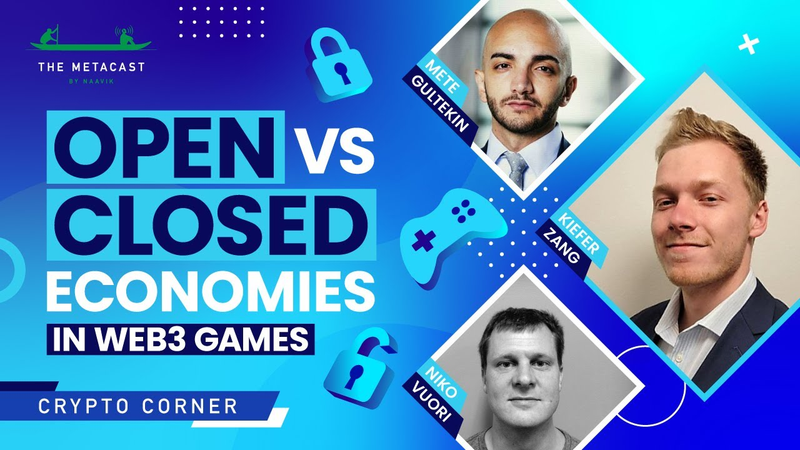
Magic: The Gathering Online (MTGO) serves as a foundational case study for understanding virtual economies, predating the modern rise of cryptocurrency-based play-to-earn models. By analyzing the structural pillars of the MTGO economy, including set redemption, bot-chains, and constructed event structures, the analysis highlights how a mature digital ecosystem maintains stability compared to the volatile, often unsustainable nature of contemporary play-to-earn games. The primary thesis posits that MTGO’s longevity is rooted in a sophisticated economic model that balances player utility with controlled supply mechanisms, offering a stark contrast to the speculative bubbles frequently observed in newer blockchain-integrated gaming environments.
The economic framework of MTGO relies on a complex interplay of digital assets—such as tickets, playpoints, and treasure chests—that facilitate both internal gameplay and external value exchange. Unlike many modern play-to-earn titles that suffer from rapid inflation and inevitable market crashes, MTGO utilizes established mechanisms like set redemption to anchor the value of digital cards to physical counterparts. This connection to the real-world economy provides a stabilizing force, preventing the hyper-inflationary cycles that have plagued other virtual platforms. The analysis underscores that while secondary market trading often exists in a legal gray area, it remains a vital component of the game’s sustained engagement and economic health.
Ultimately, the findings suggest that the success of a virtual economy depends less on the novelty of its underlying technology and more on the integration of sustainable value-retention strategies. By comparing MTGO to failed models like Axie Infinity, the analysis demonstrates that games prioritizing long-term economic equilibrium over short-term speculative gains are better positioned to survive. The research highlights that the complexity of game design and the ability for players to derive tangible value from their digital assets are essential for maintaining a functional, enduring virtual marketplace.
Two & a Half Gamers · 2026