1 free read left. Create a free account for unlimited reading + AI research.
Create free account
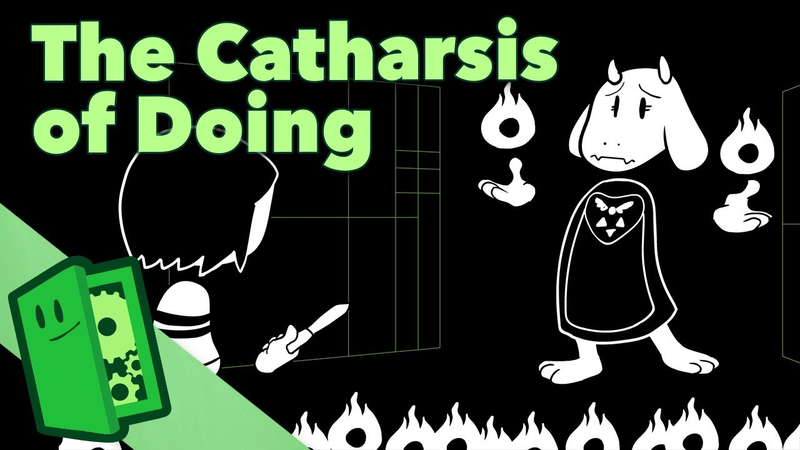
The Catharsis of Doing - Designing Emotionally Intense Experiences - Extra Credits
Key insights
6 takeaways- 01Video games offer a 'catharsis of doing,' a unique form of emotional release derived from active participation and agency rather than the passive observation found in traditional media.
- 02The interactive nature of games allows players to process real-world frustrations and explore personal decision-making by confronting challenges and moral choices in a controlled environment.
- 03Because games require active effort, they carry an inherent risk of compounding existing stress, rage, or sadness if a player fails to achieve a desired victory or is troubled by their own in-game actions.
- 04When games fail to provide the intended emotional release, the resulting frustration can manifest as negative behavior in the player.
- 05Developers must treat the 'catharsis of doing' as a potent psychological tool, carefully designing experiences to ensure they remain therapeutic rather than harmful.
- 06Both creators and players must maintain a clear boundary between simulated game experiences and real-world emotional well-being to ensure the pursuit of catharsis remains a constructive process.
Ask AI about this video
Transcript
Catharsis is one of humanity's oldest concepts in examination of art. When asking why art matters, why we care about this thing that isn't productive in any traditional sense, it's often our first line of defense. Aristotle defined catharsis as a way of releasing negative emotions safely, to purge the sorrow or fear that builds up in us by watching a tragedy or viewing a dramatized act of horror. But, it's always been couched in the language of watching, of being a passive observer. So, today we have to ask ourselves, what does catharsis mean in games? Where you don't just watch, but do. This episode is sponsored by privacy.com. Click the link in the description below and get started protecting your online purchasing with just one click. The catharsis of doing is separate from the catharsis of watching. There's a different kind of catharsis that comes from beating a difficult boss in Dark Souls or finally overcoming that impossible level and it's a type of
catharsis that can't be delivered on in film or TV. It's a modern kind of catharsis. A catharsis necessary in a world so big that sometimes it's hard to see personal triumphs. The act of overcoming can serve as a purgative for the ever building sense that the world is out of our control or that feeling of powerlessness that sometimes comes with being one small piece of a much larger machine. A machine that may not listen to your thoughts or even care about your ideas. Of course, this doesn't get to the root cause of those frustrations and doesn't serve as a cure. Rather, it serves as a simulacrum of those situations and feelings. Much in the way a tragic film serves as a simulacrum for our own personal tragedies and disappointments. But, in doing so, it can also act as a proxy that lets us express or at least fully experience those emotions in ways we don't let ourselves in our day-to-day lives. There's also a unique catharsis to deciding. It's fundamentally different to watch a character on a screen choose revenge over mercy than to have to make
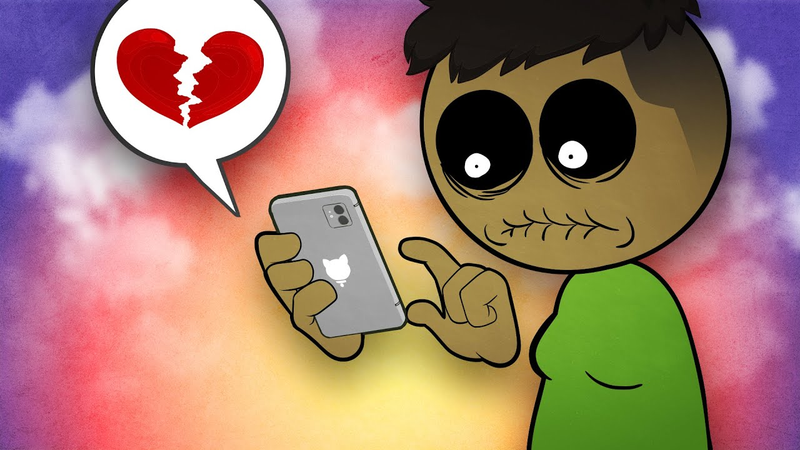
that choice yourself, even in a simulated environment. It both satisfies a craving we have for this type of agency in our off-screen lives and brings our choices into sharp focus. Having to pull a trigger yourself raises a thousand more questions than watching someone else do it. And it forces you on some level to ask, "Could I do this?" And to experience, at least in part, the emotional repercussions for doing so. Which leads us to our next point. Only games can bring us regret. Books, film, and television can never present us the opportunity to say, "I wish I hadn't done that." To say, "I want to go back. I want to make a different choice." And this may sound like a terrible thing, but by providing us a totally safe environment to have that experience in, one where our decisions and our regrets don't actually have to come at the cost of other human beings, it can help us better understand who we are and come to the necessary catharsis of facing our own personal regrets. It can aid us both in living with our choices and getting
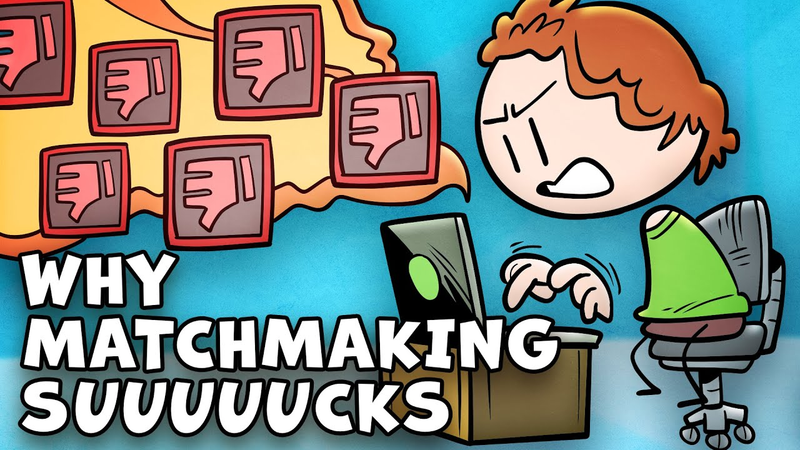
us to think about and learn from them rather than simply rejecting our regrets outright because of their inherent painful nature. In doing though, games provide us with a dilemma. They are much more proximal, much closer to our real experience than a film or a novel, which means they act on us more directly. Therefore, they have the potential to have an inverse cathartic effect. Rather than allowing us to safely experience and process some of these emotions, they can add to the well of them. The catharsis that comes from the small personal triumph of crushing a boss or dominating in a game also opens up the possibility of adding to that well of rage and frustration. If you don't achieve your triumph, if you don't ever have that moment of success that you're on some level turning to the game for, it can compound all of those unprocessed negative emotions built up during your out of game life. And unlike a more linear medium where we can just write in a win for the heroes, a a climatic victory, or a moment of ultimate success, in games, we just can't guarantee that. Thus, that feeling of
being stuck or powerless that we hope to alleviate through our in-game experiences can become compounded when we're stuck in our games, too. When we can't win a match, no matter how hard we try. And personally, I think this is where a lot of the negative behavior surrounding games comes from. People not even realizing that they're coming to their games on some level seeking a release, a lightening of the weight in their lives, and then being denied it. And this danger is equally real for choices and regrets. If you leave a game upset or truly sad about the choices you made, sometimes that's not processing them. Sometimes that's just carrying them into the real world. If you find something you did in a game is really negatively affecting your mood and making you curt with the people around you, then it's important to take a step back and remember that the thing you regret only happened in a game. Good games help us do this naturally, subconsciously, so as to help us process rather than add to our regrets. But sometimes we just have to remember to do it for ourselves. And this doesn't mean
that games can't provide traditional catharsis as well. You've probably seen a cutscene that's moved you, or listened to a line of dialogue that nearly brought you to tears. But as we play games and as we build them, we have to remember that there's another layer here, a catharsis of doing, which is incredibly powerful. And we have to be careful that we're using it well. That we're actually thinking about how we're using it in our games. Because when we can use it right, we open up a whole new avenue, a whole new way to heal with art. Once again, thank you so much to privacy.com for sponsoring this episode. You don't use the same password everywhere, right? So why would you use the same credit card number everywhere? Privacy.com lets you buy things online using virtual card numbers instead of your real ones. Pretty slick, huh? It's super fast and easy to use. Not to mention, their security is held to the same standard as your bank, using military-grade encryption to secure all your stuff. And it's actually free to use, because they make their money off of merchants, the same way your credit
cards do. So, if you like the idea of making online shopping both simpler and safer, head over to privacy.com/extracredits to sign up. And for a limited time, you'll get $5 towards your first online purchase. Now, I'm not asking you to get me a coffee with that five bucks, but I'm also not not asking that. Huh?
Summary
The concept of catharsis in video games differs fundamentally from traditional media like film or literature, which rely on passive observation. While Aristotle defined catharsis as the safe release of negative emotions through witnessing tragedy, games introduce a unique "catharsis of doing." This modern form of emotional release stems from active participation, such as overcoming difficult challenges or making significant moral choices. By providing a simulated environment for agency, games allow players to confront feelings of powerlessness and explore personal regrets in a safe, controlled space that linear media cannot replicate.
The primary thesis is that the interactive nature of games creates a more proximal emotional experience, which can be both therapeutic and potentially harmful. Successfully navigating a game’s challenges can serve as a powerful tool for processing real-world frustrations and understanding one's own decision-making processes. However, because games require active effort, they carry an inherent risk: if a player fails to achieve a desired victory or is deeply troubled by in-game choices, the medium can inadvertently compound existing stress, rage, or sadness rather than alleviating it.
Ultimately, the emotional intensity of games requires careful design and player awareness. Developers must recognize that the "catharsis of doing" is a potent psychological tool that can either help players heal or exacerbate negative emotional states. When games fail to provide the intended release, players may experience increased frustration, which often manifests as negative behavior. To maximize the benefits of this medium, both creators and players should remain mindful of the boundary between simulated experiences and real-world emotional well-being, ensuring that the pursuit of catharsis remains a constructive process.

















Comments