Key insights
6 slides
The core problem
Networked play often leads to player isolation.
The inherent nature of networked play can create a sense of isolation among participants.

1 / 6
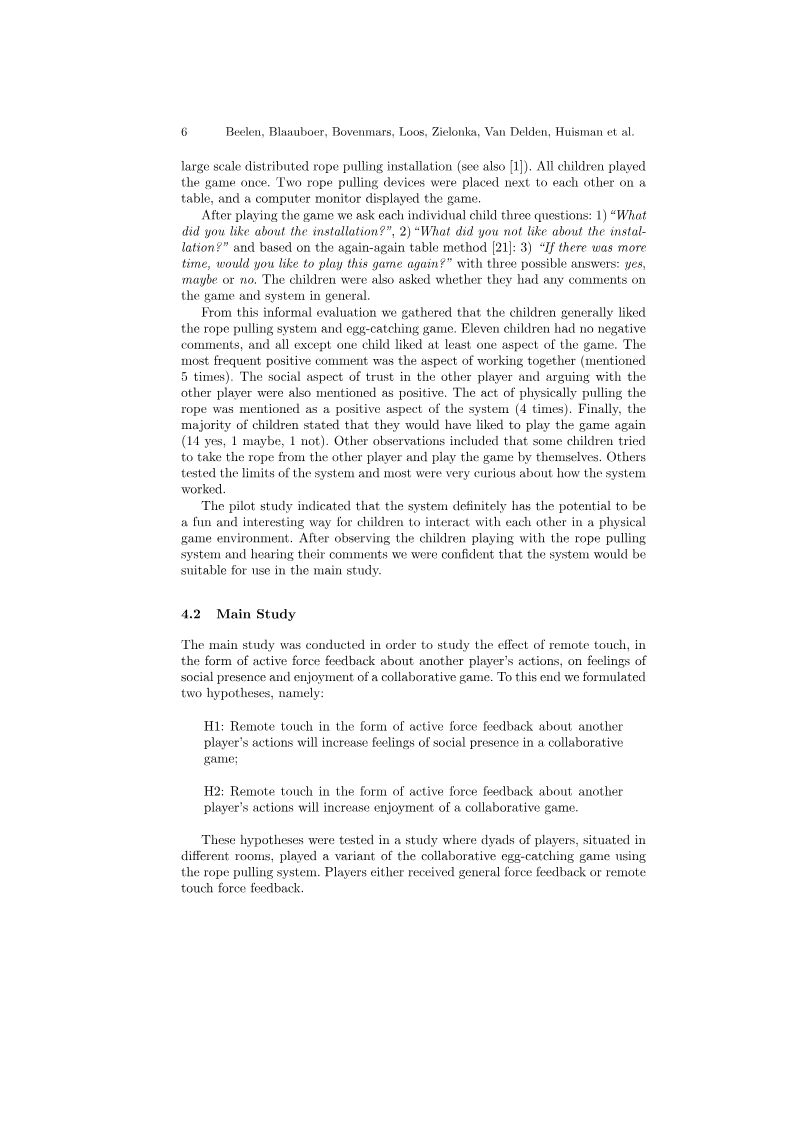
- 01Remote touch technology significantly strengthens the psychological sense of connection and social presence between players in distributed, collaborative gaming environments.See it on page 6
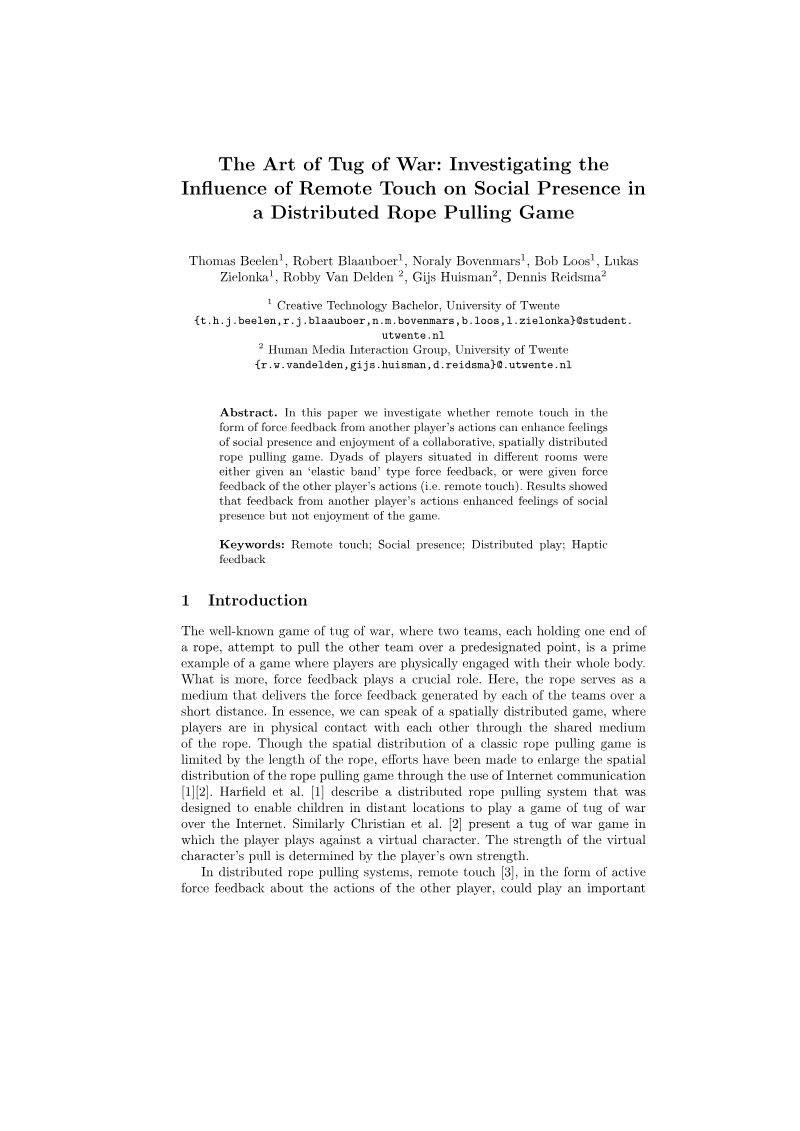
- 02Direct force feedback effectively mitigates the isolation inherent in networked play by fostering a stronger sense of shared agency and physical proximity.See it on page 1
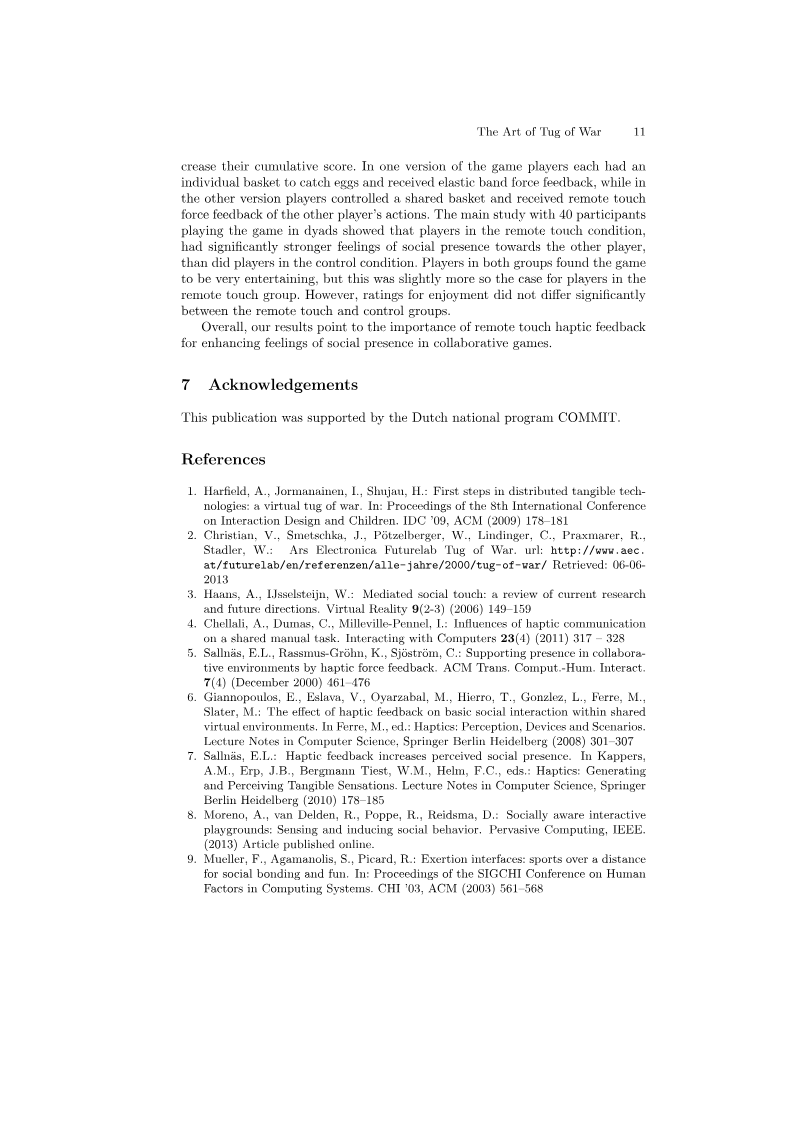
- 03Haptic feedback functions as a supplementary layer that enriches the quality of social interaction rather than serving as a primary driver of overall entertainment value.See it on page 11
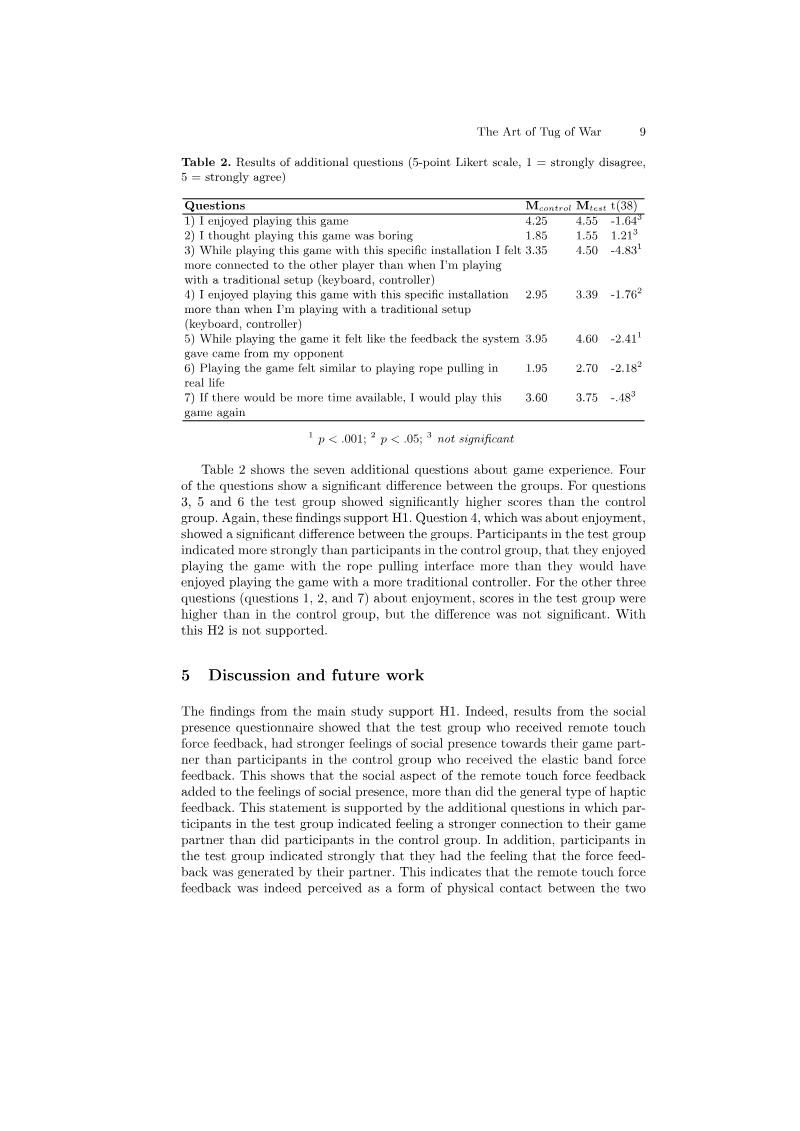
- 04While participants report higher satisfaction levels with direct force feedback, the increase in overall enjoyment does not always reach statistical significance.See it on page 9
- 05Developers should prioritize tactile interfaces to bridge the gap between physical and virtual interaction, aiming to create more authentic and emotionally resonant multiplayer experiences.See it on page 12
Ask AI about this report
Summary
Remote touch technology, which provides force feedback reflecting a partner’s physical actions, serves as a critical mechanism for enhancing social presence in distributed, collaborative gaming environments. By comparing direct haptic feedback against standard elastic-style resistance in a rope-pulling simulation, research demonstrates that the ability to feel a partner’s movements significantly strengthens the psychological sense of connection between players. This tactile bridge effectively mitigates the isolation often inherent in networked play, fostering a more immersive experience of shared agency and physical proximity.
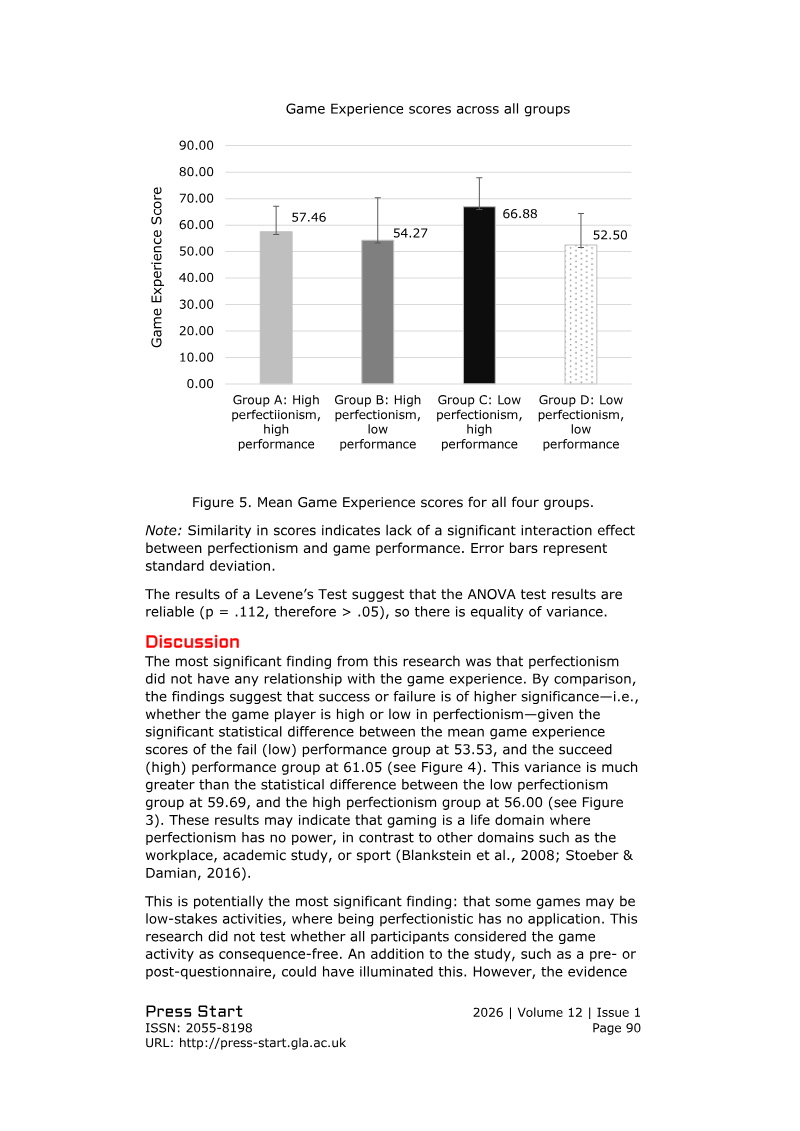
While the integration of remote touch consistently elevates social presence, its impact on overall player enjoyment remains nuanced. Participants report higher levels of satisfaction when engaged through direct force feedback, yet this increase does not always reach statistical significance. This suggests that while tactile communication is a powerful tool for deepening interpersonal engagement, it functions as a supplementary layer to the gaming experience rather than a primary driver of entertainment value. In many collaborative contexts, the baseline enjoyment of the game mechanics is already sufficiently high, meaning that haptic enhancements serve primarily to enrich the quality of the social interaction rather than the fundamental fun of the activity.
These findings contribute to the broader field of human-computer interaction by validating the role of mediated social touch in digital spaces. By grounding these observations in established research regarding haptic communication and networked social presence, the study underscores the potential for physical feedback to transform remote collaboration. Future developments in distributed gaming should prioritize these tactile interfaces to bridge the gap between physical and virtual interaction, particularly as developers seek to create more authentic and emotionally resonant multiplayer experiences across geographic distances.