1 free read left. Create a free account for unlimited reading + AI research.
Create free account
Staying Inside Conference Preview
Key insights
6 takeaways- 01Launching into Steam Early Access prematurely is an irreversible error because Steam treats it as a full launch, exhausting the game's peak visibility and revenue potential.
- 02A 'finish-first, market-later' strategy is a major failure because it prevents the accumulation of wishlists necessary to generate launch momentum.
- 03Premature Early Access releases render projects unattractive to potential publishers, who prioritize the earnings data generated during the initial launch window.
- 04Games with an active Steam page for at least six months significantly outperform the median title, making long-term presence a requirement for success.
- 05Developers should avoid using Early Access for product refinement and instead utilize in-person playtests, remote beta testing, or free demos on platforms like itch.io.
- 06Marketing must be treated as a continuous, long-term process rather than a final task to be completed upon project conclusion.
Ask AI about this video
Transcript
[Music] now there's this QA that steam the valve the people that valve always do every year and they'll field questions from us game developers and the number one question somebody always asks is what are the big mistakes Indies making on Steam and they always give this like nice warm PR answer which is understandable it's their platform but I don't have to be PR correct or anything I'm going to give you the honest mistakes that I see developers making uh so that you don't have to make them um this is me Chris Zukowski I'm a creative director here at the site howtomarketagame.com and I've seen a lot of this from my own Consulting and developers who've communicated with me shared their data share their experiences so I'm bringing that to you so that you don't have to make these mistakes now you might be I've made these some of these mistakes I know but I I've made some myself they just you just haven't learned about it yet esteem and marketing games is weird it doesn't make sense what's up is down
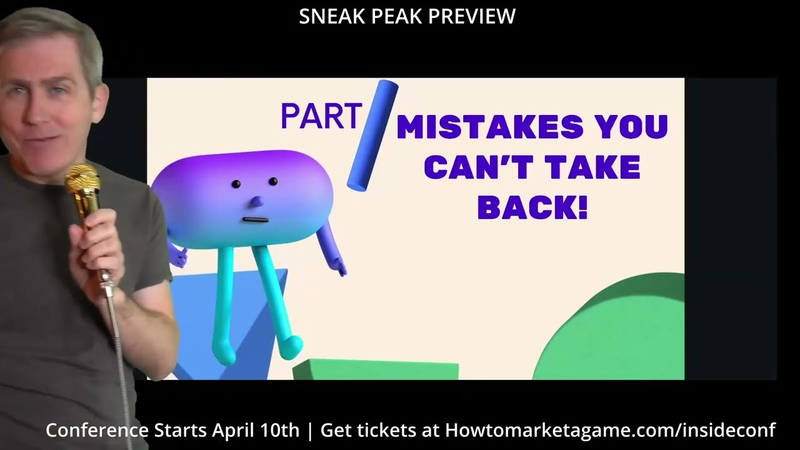
what's down is up I'm just here to explain it to you please accept that it's okay if you make these mistakes I broke it down into four parts mistakes you can't take back steam page mistakes mistakes with communication and then business mistakes four parts here I'm gonna go through each one so part one mistakes you cannot take back we're gonna go right up front with this one so launching into Early Access to get some feedback now this one's scary because developers do this all the time but your Early Access launch is basically your launch according to steam when you put your game up for sale you've launched um and a lot of games get most of their visibility at this early access launch this is the real stats for a game that did Early Access than 1.0 and if you're trying to get a publisher and you've already done your Early Access launch they won't touch you because they want to be part of this earnings most of your earnings are going to come at this first couple months that's what they want to
be a part of and if you've already done that they won't care they don't want you anymore so if you do want to get feedback do an in-person play test Remote Play test a beta put it up on hio a free demo there those are all great places to get feedback without compromising and putting yourself up for Early Access which is no turning back after that point next one is you're gonna finish your game and then do some marketing at the end all right this is a big one now steam has found valve did some analysis and this is their graph they found that games that have six months way outperform the median game so I say you should have your steam page up at least six months and you should be doing some active marketing of that don't just wait to the end because you need six months of collecting wish lists so you can go with a bang when you [Applause] thank you
Summary
Independent game developers frequently struggle with counterintuitive marketing dynamics on the Steam platform, often committing avoidable errors that jeopardize long-term commercial success. The primary objective for developers is to move beyond common misconceptions and adopt data-driven strategies that prioritize visibility and sustainable growth. By analyzing industry trends and consulting experiences, it becomes clear that many developers inadvertently sabotage their projects through premature launches and delayed promotional efforts.
A critical, irreversible mistake involves launching into Early Access prematurely under the guise of gathering feedback. Steam treats an Early Access release as a full launch, meaning the game receives its peak visibility and revenue potential during this initial window. Exhausting this period early not only limits future growth but also renders the project unattractive to potential publishers, who prioritize the initial earnings phase. Instead of utilizing Early Access for testing, developers should leverage in-person playtests, remote beta testing, or free demos on platforms like itch.io to refine their products without compromising their primary market entry.
Furthermore, the timing of marketing efforts is a decisive factor in a game's performance. Data indicates that games with an active Steam page for at least six months significantly outperform the median title. Relying on a finish-first, market-later approach is a major strategic failure, as it prevents the necessary accumulation of wishlists required for a successful launch. Establishing a presence well in advance allows for sustained audience engagement and data collection, ensuring that the final release generates sufficient momentum. Ultimately, success on Steam requires viewing marketing as a continuous, long-term process rather than a final task to be completed upon project conclusion.








Comments