SimCity BuildIt - What Did I Learn as a Game Designer?
8 Apr 201833 min video
Transcript
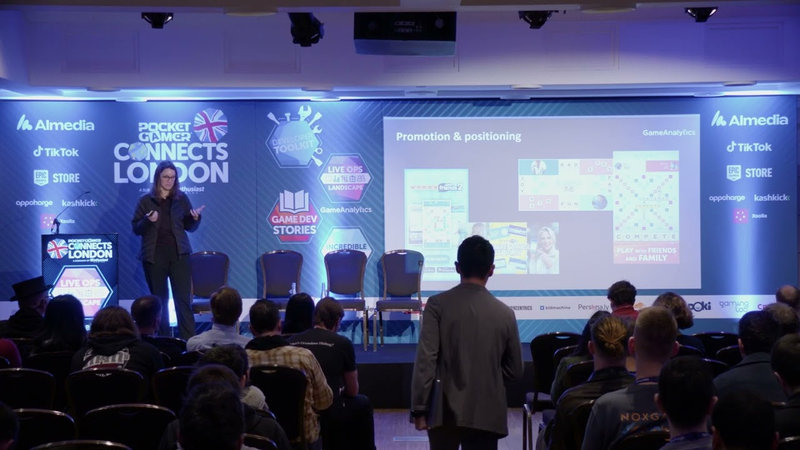
[Music] so are you ready alright so welcome to SimCity build-it what did I learn as a game designer my name is Petra Kannan and I come from track 20 I'm creative director there and track 20 is EA's mobile studio in Helsinki Finland and first I will very briefly talk about my background a bit so I changed to games industry 2003 before that I worked in field of theater and drama as an actor director scriptwriter but then I jumped into games and I have not regretted that
day it's been a great industry to work for so I joined sumia 2003 soo Miah was a very small startup in Helsinki and then very quickly it was acquired by digital chocolate and those first years we were creating Java mobile games very different times very big restrictions very small screens very small build sizes the business was controlled by operators and it was premium model and then came the first big change touchscreen app store and we really as game developers we needed again to learn something new learn totally new type of interface touch controls very
interesting times and then came even bigger revolution free-to-play I was working as as an executive for user in multiple Facebook games and I had to learn free-to-play as early as 2009 2010 and it was tough but I'm really grateful that I had to do that and also I had to learn what it means to run games as service so that's my background in very briefly and all these years I have been really concentrating on game design because I love game design and it's tough so at the moment I'm working at track 20 it's a very small studio we there's less than 50 people but we have 70 nationalities and
that one it's a very big asset for us to have all those people from all over the world to working together and that's one big thing that you can have in your studio because we are creating games for global market and then the game SimCity build-it this was a very tough project very difficult to design and the game was soft launched October 2014 and then we went worldwide December 2014 and it's been a big success we have a very big amount of users every day playing the game it's fin on top crossing charts scenes and I'm very proud of this game but the project was very difficult one so this is the overview I'm going to
talk about four very tricky design challenges that I did face during this project and I try to explain also that what do I think that I learned and then after that I will kind of think that hey why did we succeed even though the challenges were so tough so let's go further first design challenge classic IP Sim City is it's a huge IP you know it the game is older than 25 years and it's been of course the main platform has been PC and then we got that as a project and you can think that what kind of excitement it is so the whole team is really excited that hey we are the ones who will be creating
the next Sim City and you get all that inspiration and you are so kind of that yes but then very quickly after couple of weeks of the project you start to realize that oops this will be very tricky one this will be so hard and a couple of weeks more and you are that whoops can we make this and also what you understand that who there is so much fun fans out there and they have huge expectations they are expecting something are we able to deliver that so that was kind of the first big design challenge that I or what we faced as a deep team so what did I learn I think that we really need to really imagine
what is Sim City on on mobile so it's not enough to kind of take the things from the PC game and and and somehow adapt or both those you have to really really imagine it meant that we had to kind of redesign the whole game from scratch so definitely the platform is what defines that how the game should play so you can't take PC stuff and just put it on on mobile and then one thing that I think fortunately we managed to do was that because the expect faison's are high you have to really manage those expectations poor Munich eight to the fans that this is a mobile game this is a free to play game so that they don't think that that there is a next theme city mm coming again on mobile second design challenge this was
even tougher free-to-play I think free-to-play is very difficult to design it's much more difficult than old premium model at least for me and when we started the project we thought that yes it is we just kind of follow the very typical free-to-play conventions and what we did we started to try energy mechanics builder mechanics and more or less all those failed because the pacing of the game would have been really slow very quickly and we realized that the game would be very boring with those mechanics and that was actually the reason that after multiple prototypes we decided okay the crafting mechanics is the one that we will follow in the core loop so what did I really learn about
free-to-play in this project was that I think that there is a big big change at the moment or even kind of a change of paradigm and it's I think that we shouldn't pinch players too much we shouldn't pinch players and say that you either wait or then you pay we should be much more gentle and kind of develop games that are fun to play and then offer even more fun by saying that hey you love this game you enjoy this game you are willing to spend weeks and months playing this game so perhaps you should invest some money and enjoy it even more so we we should really kind of the whole thinking not pinching players instead offering them more value offering them things that they can be
more efficient and enjoy the game more third design science mobile user experience mobile UI seems that the PC version and kind of a tradition of SimCity's its lot of lots of information big PC screen numbers lots of numbers and of course that's very crucial as a mayor you need all that information so that you can make meaningful choices based on that information and what we found out immediately was that oops we want to support very small screens how are we able to fit all that information on a small screen and then very quickly
we understood also that it's very difficult to find very natural easy ways to control your city with touch controls how do you do all the build actions and then we started to think that hey how do you play the game classical seems if the PC thing is that you play very long systems but now mobile playing it's about very short systems so our players play perhaps five six seven sessions per day but each session is just two three minutes long so we really needed to think our kind of the whole user experience and pacing of the game to support typical mobile use it instead of that old PC eating so what did I learn I think that on mobile design equals uy and what do I
mean with that is that if your user interface is not able to communicate the design the design is worthless so you have to always think that is the UI able to communicate is the gameplay able to communicate the design and most of the mobile games they are very UI heavy and information heavy and we had that kind of very big trap that all that information do we spam all that but fortunately we understood that yes we have to simplify simplify and also append and always conventions from old platforms so what easily happened was that I was very excited something that what was in on PC game and then I wanted to more or less copy that on mobile and every time it failed so it was totally
stupid and also what we learned about the production that when you want to create create touch controls it will take time it will take lots of iterates and runs then the fourth design challenge open-ended simulation I think one core thing in SimCity's is really there it's really the simulation and and at that it's very open-ended and it's sad boxy and as a mayor you can do whatever you like and you can really experiment and and be creative and we want this to support that core idea and we run kind of we faced lots of problems for example what is time what is concept of time we have real time we have device time then we have the city time where
the day is just perhaps 10 minutes long and and the night is couple of minutes and we were kind of confused that how should we kind of think the whole simulation that is it following the city time or real time or device time and then we started to think that hey what happens if you're close to app is the simulation still running there and what happens when you come back after two hours two weeks two months is the whole city destroyed is it just ruins or every building is on fire and we didn't want to punish the player too much so we created very exact rules so that the simulation slows down and yes there has happened some things in the city where you are away but when you come back you see that all there has been something you can understand what has happened you
can react on those but we can't punish the player too much and also very interesting problem was that how is your city talking to you now simulation engine is running under the hood but if we can't communicate those things to players it's basically worthless there so we had to implement multiple parallel systems how to make the Simic city communicate so sim citizens they are having speech bubbles and thought bubbles each service data layer has information what's happening in that particular service and then if you tap on any residential building you again get information that how is that particular building doing so what did I learn I think simulation under the hood is a great thing and it's very fascinating but if you implement it makes sure that
you are able also to pass that fast that information to players because if it's just under the hood who cares so don't overdo I think that was a big lesson for me that that because what happened to us was that we created a big simulation and then we realized that all we don't get any information on that and it's very thought it was quick to implement the simulation under the hood but very time-consuming and difficult to implement all the systems that then pass the information to the player those were typical problems that we faced from design point of view during the project but we did succeed and why did we succeed that's something that I've been thinking a lot one thing that I'm very
proud of is is our team culture there is a very big trust there and then there is also a very big passion to create games and then there is this kind of very Finnish culture thing that never give up you know living up there in North if you give up especially during wintertime you'll die very quickly so that was kind of in our DNA and and how I mean that however I mean that the project was so hard and we redesigned and redesigned and re implemented but no one left the team no one said that let's quit or or anything so we kind of kept on iterating and and kind of the mentality was all the times that we won't give up we will do this also I'm very kind of proud that we don't waste time talking that is this
free to play game or not free to play game I can say that we are free to play friendly studio so we are playing free to play games we are analyzing those we are talking about those it's it happens to be kind of the standard monetization thing at the moment and and we are doing that and not kind of arguing inside the team that should we do premium or free-to-play also very interesting stuff happened to design process when we started project we had a quite small team at that time about 15 people and I was the only designer big mistake and also the process was quite like a waterfall so during a sprint I did some design artists did the assets we implemented it and surprised it failed and we just lost
two weeks and then we did that again and it failed again so we realized that we are not a child enough and also that one designer can't solve all that stuff so we totally changed our team culture that hey everybody is a game designer everybody is free to contribute any Poliquin any time say that these sucks we are not happy with this so it's very frank culture and then we change it so that hey let's have always a very big kickoff meeting where everybody in the team is who is working on that particular feature let's talk about design true together so that everybody's happy and we won't implement anything or draw anything before everybody's happy and then when we start to implement all the time we kind of double-check the design if there are any flaws on the fly we change the design so we can already
in the mock-ups for example see that hey you eyes they can't handle the information let's simplify or when we have implemented the very first version we can see that all the design doesn't work it's not perfect let's quickly iterate it and that was a simple thing that we changed and it kind of improved our productivity a lot and it's also kind of kept the kind of the team morale went up because everybody felt that hey we all are responsible that this is a great game and this is a funny game then next big learning for me was user testing I know that we all are we are big artists we kind of want to nurture our babies and we don't want to show with
anyone before it's perfect so let's hide it and that's totally stupid so you know that how blind we will be soon when we are developing a game we are doing the same thing we cup the week and then the team starts to argue that is this good enough is this fun or is this not and it's so subjective fortunately we had a first big user testing round people way before alpha and what we found out we found out that game sucks it was so bad you the players didn't understand that what is really their role what is the goal of the game they didn't be able to really use the controls and there was lots of problems but thanks to user testing we kind of got that information and we did a very
big design people re-implemented redesigned basically all the features and when reaching alpha we had the second round we were able to see that oh we have fixed an address most of the proflex ok there are still some more and we want this to address those and then during the soft launch very short soft launch period during that we had the third round and with that third round we saw that yes finally the game works we have been able to improve and address all the biggest problems and then we did still before the worldwide launch a very big big kind of update for the game and it was also very interesting because it was soft launch it was interesting to cross check that hey what is the metric saying and what is user testing around saying and see that yes they match which was
very in so I think that for a developer this is kind of this magic if and magic if comes from actors work if you are an actor it's a very typical way of working that this what if I would be that person in this particular situation how would I feel how would I act so kind of changing that that hey as a game developer what if I am the player playing this game how would I feel would I find find this fun so the kind of that changed our team culture a lot so nowadays when we are starting a new feature or new idea it's always that as a player I want to do this or that as a player I would like to so we always start from kind of point of view of a player and that's great so it's really playing kind of putting players first so let's wrap up so if you
are working on on great IP leverage that it's such a big inspiration you get all that excitement it won't be an easy project but yes you have a lot of material think really what is the DNA of that IP what's the core and then redesign for your platform or for mobile and for whatever the monetization model is also think your team culture is trust there is the passion there how well you are able to communicate and are you kind of open and frank or is there something that that there is fear and you are not able to say aloud if something is bad for example and then think also your
design process how agile it is are you wasting time because you can't change design because you are following certain process that is perhaps slow or horse or bad so break though fools make the design process very a child and then don't forget user testing use that and I think that's my definitely the the key takeaway importance of user testing so that was my talk thank you very much I guess we have a couple of minutes time for a question yeah hello Hey so my name's Sean so when you made the transition on your team from thinking of it as a lone designer - everybody's a
designer and everybody can be brutally honest how did you communicate that to the team and change that culture so that everybody on the team knew that they were now free to contribute no sorry I'm very difficult to hear the question can you could you please repeat it yeah when you made that change on your team from the lone designer - everybody's a designer how did you communicate that to the team and managed to make that cultural shift so that everybody was willing to contribute design very good question so the question well I think everybody heard the question right so how did we do that I think everybody in the team felt and realized that this is not working I'm too alone and and and people understood that we have to change this and again kind of get more design power and then also it's typical for our team that there are very design oriented guys
also in programming and in art and they really expressed that hey we we we are fine if we are able to contribute and be part of that process and then we kind of said okay always let's start with the kick of meetings let's discuss together about the future before starting even the actual design work and it has been working very nicely and I mean that it's a big kind of thing for us next please you talked a lot about the importance of user testing and I was curious if you could talk more about your process do you bring people in the office and watch them play or especially testing like balance yin of things that take months or weeks to finish fortunately is a big company and we used our la consumer insight unit so they handled those and basically we had some people here here watching those systems and then we later got kind of hours and
hours of videos and then we watched those in Helsinki but it was those were big round so we had I think over 100 best players playing for more than a week and we got videos from the day one first session and then they eight or seven session so we kind of cut them how the player is feeling and doing in the very first session and then after paying a week did players play at home or they come in once a week no no they played they had their own built on their own device so they are instrumented yeah I played at home and they did the recordings and so on thank you yes please hi my name is Tom and I just wanted to know so clearly SimCity build-it as a lot in common with heyday the crafting loop the cargo-ship the trade market did the idea kind of start there or did it evolve there what was the process and were there other sort of strong ideas for the way this game could have gone instead more or less I some at some
point a very good question at some point I I thought that our way of doing design is brute force a meaning that we try everything and then something works hello I'm actually kind of curious about when you talked about the iterative process after getting user testing what sort of stuff I mean if you're able to share what sort of stuff that was dropped or totally changed in the feature sets of the game did you ask that what J what changed yeah we were sold partly based on user testing right yeah we're the major changes that he made like what did you find that was just I mean that's one of my biggest perhaps was that players didn't understand that what is the big goal in the game which is silly the day you are building a city you should
understand the big goal but we had it to kind of we added lots of hints that that what should you connected what would be your goal like visiting in the tutorial flow another nice looking big city and then later adding challenges and tasks and that kind of stuff because players were confused because all that all those possibilities that you have as a mayor so it was I mean that it's okay perhaps in the PC game and PC audience but mobile audience is so broad and perhaps more casual so they need it a bit more hand-holding and kind of hints that what can you do as a mayor so I could follow up questions but um I was actually kind of curious about why you guys dropped the the whole build and abandoned in cycle that was so core to the PC version like is it which is sorry what love built the build and abandoned site okay yes
very good question we we definitely thought about that a lot but then kind of combining free-to-play mechanics we kind of agreed that okay we you have to have a persistent city and that is the reason that you is very difficult to destroy your whole whole city and we want it that way okay you have one city you will play that hopefully for years and you can do a lot of different stuff there that would be another take that you are suggesting definitely we could do the simcity with that kind of that it's more like that hey I create this something I destroy abandon and start a new one but it would perhaps then need a different kind of also afraid to play a design because it feels like it doesn't fit in with the what happens when the players away sort of stuff that you were talking about sorry now I didn't hear it feels like it fits in with what you were talking about about how when the player goes away from the game what actually
happens yes so just do it so it was just too much punishment you thought yeah that's true that's one thing yeah thank you and do we have still time hopefully yes one question at least great hello nice T nice so for how long have you been developing the game before the first user testing how it was about half a year and how long did you take to soft punch the game so how long it take to self launch the game say launch the game after the first less than a year the whole project was less than one and a half years from very first day that we start we kind of kind of the first day that we knew that all we are going to do a Sim City it took a bit less than one and a half years for the worldwide launch thank you thank you very much I was also asked that please remember to return the feedback or whatever it is
called so thank you very much [Applause] you
Auto-generated captions from YouTube — names and numbers may be misheard.
Key insights
Distilling the key insights…
Ask AI about this video
Cite this video
Citation
Generating citation…



















Comments