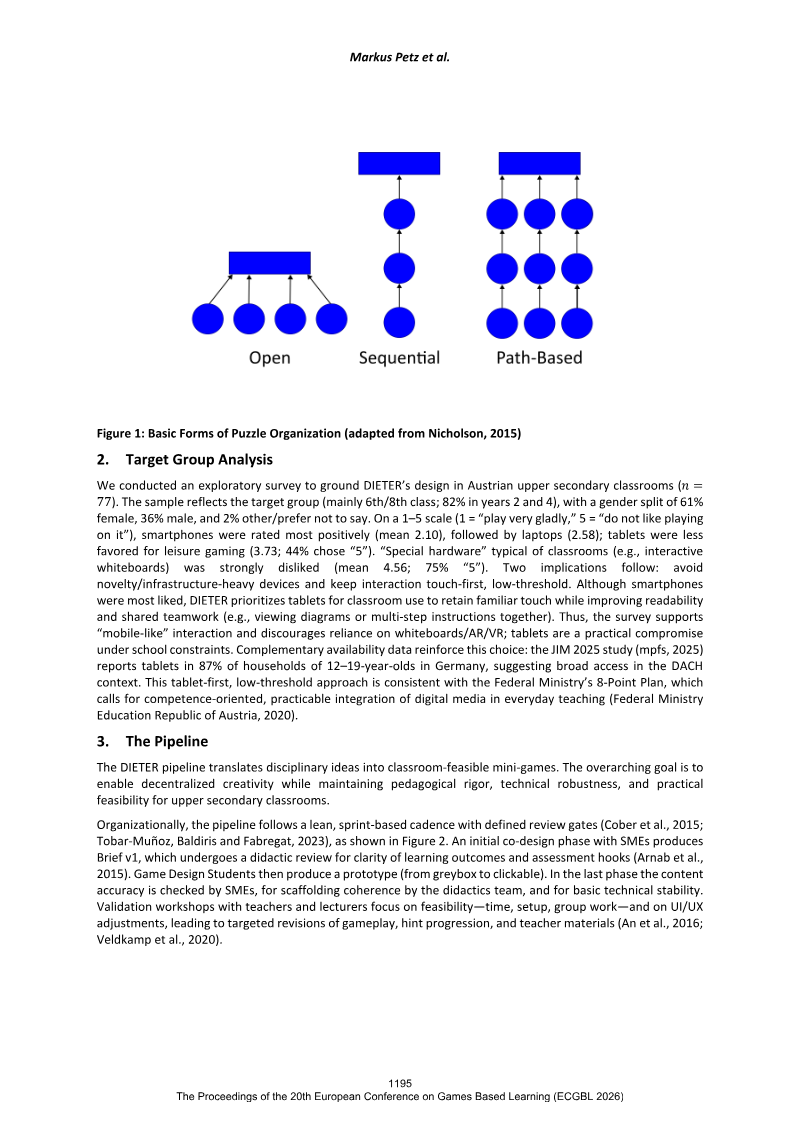
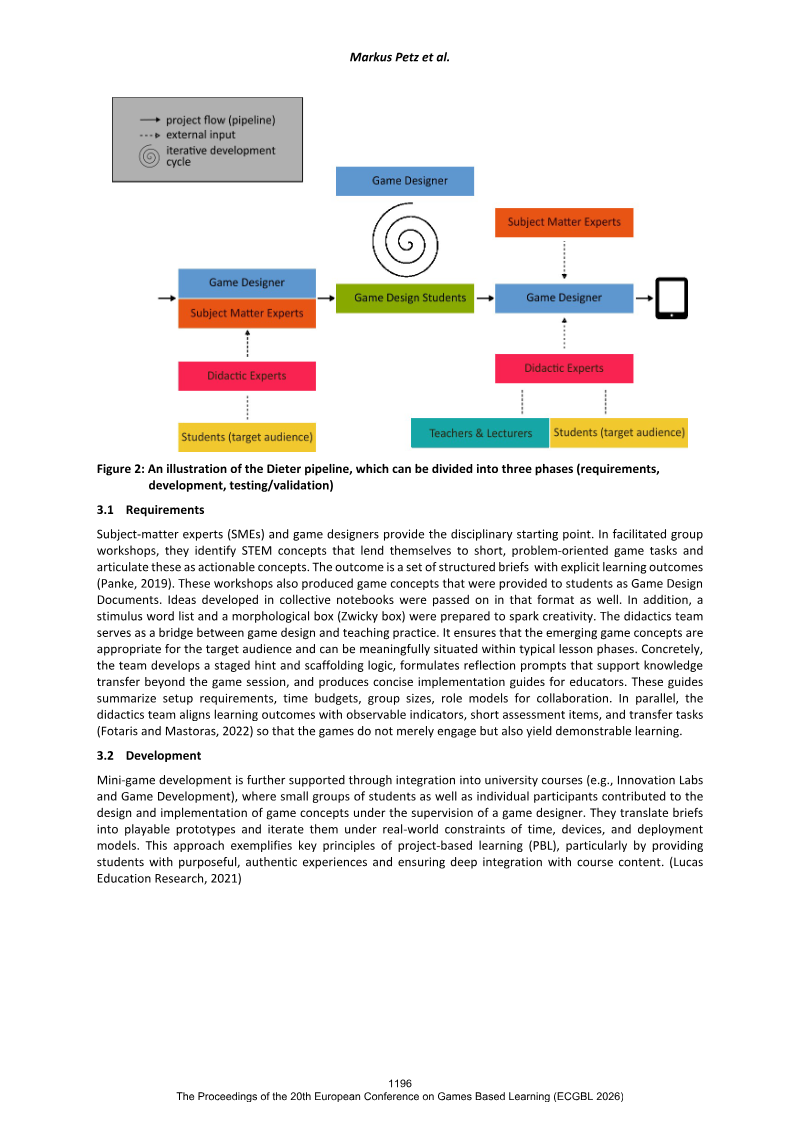
1 free read left. Create a free account for unlimited reading + AI research.
Create free accountSetting Better Goals - Top 3 Tips!
Key insights
6 takeaways- 01Set goals slightly beyond your current reach to act as a motivator, pushing your limits while avoiding the stagnation caused by overly simplistic objectives.
- 02Focus on the effort exerted toward ambitious targets rather than the potential disappointment of failing to meet them.
- 03Avoid publicizing goals prematurely, as receiving early positive reinforcement can trick the brain into feeling a sense of accomplishment and reduce the drive to execute.
- 04Seek out peers who provide critical feedback rather than blind encouragement to maintain accountability without falling into the trap of premature gratification.
- 05Delay social rewards until tangible progress has been made to ensure that external validation does not undermine your internal motivation.
- 06Prioritize output-based metrics over time-based ones to ensure productivity, as time-based goals often encourage passive participation and inefficiency.
Ask AI about this video
Transcript
let's talk about goal-setting because how you set your goals as an absolutely massive impact on whether you actually reach your goals or not the first question is should you set super easy goals or super hard goals or somewhere in between and my opinion on that is you should set goals that are just a little too hard and firstly it pushes you to work really hard it pushes you to your absolute limits and secondly is also the most motivating because you know if you try super hard maybe maybe you can get it and achieve what you want to achieve thirdly it doesn't allow you to procrastinate you really need to get work if you want to get something back going way overboard and setting way too unrealistic goals is better than setting way too easy goals I don't know if I can recommend that I think sometimes it's really beneficial to set absolutely
unrealistic goals but you also shouldn't be disappointed when you don't reach them for some people myself included sometimes it's really motivating to have an unrealistic goal and try super hard to reach that I mean if that motivates you that's awesome then go for it but definitely don't be discouraged if you don't reach it because that's absolutely not the point you need a little bit of patience so one more time set slightly unrealistic goals that are slightly out of your reach that's perfect the next question is should you publicly announce your goals there are upsides and downsides to both yes and also let me explain the advantage of publicly announce your that other people know about them and they will tell you if you mess up and if you don't reach your goals there will be like if you fail it will be really bad for your image kind of not the end of the world but it definitely gives you
some sort of drive to achieve what you want to achieve there is also a huge disadvantage to announcing your goals though because you instantly get the gratification the satisfaction of having achieved something even though you have done absolutely nothing for example when I tell some of my friends I'm going to grow a youtube channel there already something like this oh that's really cool that's awesome I'm rooting for you [Music] yeah you instantly get that kind of positive feedback positive reinforcement from a lot of people without without having to do anything and that's really bad because that teaches you to announce a lot of your goals but never actually do something if you have some people
around you that are always like I believe in you you can do it I think what you do is awesome even though you do absolutely nothing you need to be extremely careful okay this can really mess with you pretty badly there are also some cool friends and I think it's cool to do that if I announce goals of mine to them they're like hmm yeah I don't know if that's a good idea I don't know if you can do that and that's way better because I don't get a reward for telling them and that's exactly the way it should be I shouldn't be rewarded for telling them I should be rewarded for actually doing it so if you want to do your friends a favor don't believe in them when they announce new projects something stupid but don't believe in them when they start new projects but encourage them to try anyway I think there's a middle ground you need to take obviously you don't want to demotivate them but you also don't want to reward them for doing
absolutely nothing that's just not helpful for anybody so I think you can have the best of both if you publicly announce your goals but you don't take the reward word you don't take the who yeah and so awesome feeling for it even if someone offers it to you even if somebody says cool that's awesome I believe in you awesome project be like hmm that's very nice but please calm down okay I haven't done anything yet calm down I'm not that person third and last tip is how should you formulate your goals this makes a massive difference and the main question is should you use the result to formulate your goals or should you use the effort spent let me give you an example either I could say I will work on my game for two hours every day or you can say I will finish level one to ten this month which of the two do you think is
better I think both both have advantages and disadvantages but the problem with using time is that it allows you to cheat if you all you need to do is sit down in front of the PC for two hours every day there's no reason for you to go fast absolutely none but if you have a deadline you have a motivation to work to go really fast to do to be productive there is a problem with this though that's that you will probably rush a couple of things that otherwise you would take more time for the advantage of using time as a metric to measure your success in your progress is that you can always do it there's nothing stopping you and you can always achieve it which makes you feel good and which is motivating having a set goal means that you can fail which for some people is motivating it shouldn't be
also you need to understand that using deadlines and different metrics than time is more stressful than using time just using time is pretty relaxing for obvious reasons because you don't need to get anything that and stress is a big factor I mean stress is super unhealthy if your deadlines stress you out then yeah maybe you should go back to time so there are advantages and disadvantages to both but in general I feel like using different metrics sometimes definitely a good thing this is a little hard to apply to everything though for example let's say I want to have to go to work out every day to some obvious goal would be doing a 30-minute workout every day but once again that does not encourage me to try super hard it just encourages me to pretend like I'm moving for 30 minutes and how hard I tried during that time
really doesn't matter at all I think better goal would probably be something like doing 30 push-ups everyday or running a certain amount in in a certain time you can obviously come try to combine that but you definitely need some sort of other metric than just time another example would be reading I want to read a little bit every single day because books are awesome and books make you smarter there are interesting books about absolutely everything yeah I want to read every day so my first instinct was okay my goal is reading at least 15 minutes every day which would be a reasonable goal and I've tried that but often times that just results in looking at the pages and then suddenly drifting away with my thoughts somewhere else and then suddenly I realize the time's up
and I close the book and I haven't really taken away all that much so a better goal that I'm using right now is extracting at least one good idea per day out of the book which encourages me to focus and to go a lot faster and maybe to skip over some boring paragraphs which are a waste of time anyway so setting goals like that is just way more effective by the way I also think that's the reason why people always are super unproductive at work if there are no deadlines they have a set amount of time they need to be there once the times over they can go and there's absolutely no encouragement to focus or to go faster it's just be here for X amount of time how hard you try during that time we don't care obviously most employers know this and that's why there are deadlines in almost
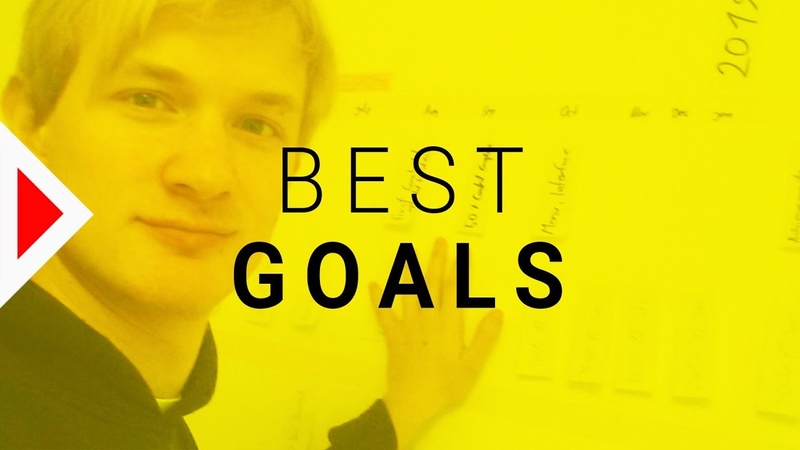
every company till that weird mix of time and set go so we yeah I think just set goals will be pretty cool now what I want to do is show you some of my goals publicly announce them this is my goal timeline lying milestone timeline this month is January 18 I want to finish the art style of my game I won't end I want to get 50 subs on YouTube which is way too easy I cheated a little I brought some subscribers over from my German YouTube channel so thank you for arriving here welcome welcome appreciate that you're there but definitely makes this goal way too easy and the February bubble as well because we've already achieved that let's get rid of that right away and then we're gonna move all of that over here so now
the goal for this month is 150 and I move that over as well this is just some exponential growth here all the way to 10,000 September 2019 which is a pretty hard goal I think it's slightly out of reach maybe very much out of reach it's hard to guess but I think it is possible I don't think it's impossible and that's the important part if you think it's impossible that's demotivating I definitely think it's possible but I also definitely think it's hard and by the way I also want to launch my game in September 2019 and I want to sell it about 5000 times at launch and then maybe later with the content page about 7500 times in total so we'll see how that goes once again pretty hard to go slightly out of reach I think I can do
it thank you very much for watching I hope this was a little bit useful for you let me know what you think in comments
Summary
Effective goal-setting requires a strategic approach that balances ambition with actionable metrics. The primary thesis suggests that individuals should establish goals that are slightly beyond their current reach. This "slightly unrealistic" threshold serves as a powerful motivator, pushing individuals to their limits while preventing the stagnation associated with overly simplistic objectives. While failing to meet such ambitious targets is possible, the focus should remain on the effort exerted rather than the disappointment of missing the mark.
Regarding the social aspect of goal-setting, public announcements present a double-edged sword. While sharing goals can create accountability and social pressure to perform, it often triggers premature gratification. Receiving positive reinforcement from peers before any actual work is completed can trick the brain into feeling a sense of accomplishment, thereby reducing the drive to execute. To mitigate this, individuals should seek out peers who provide critical feedback rather than blind encouragement, and they should consciously reject social rewards until tangible progress has been made.
Finally, the formulation of goals should prioritize output-based metrics over time-based ones. While time-based goals—such as working for two hours—are easy to track and low-stress, they often encourage passive participation and allow for inefficiency. Conversely, outcome-based goals—such as completing a specific task or extracting a concrete idea from a book—force focus and productivity. By combining these principles, individuals can create a structured roadmap that encourages consistent, high-intensity effort, as demonstrated by the use of exponential growth milestones and specific project deadlines to drive long-term development.