More from Universite Paris 8
View all
More on AI
View all
Naavik
What Happens When AI Becomes Your Gaming Teammate
Naavik · 2026
Whitepaper
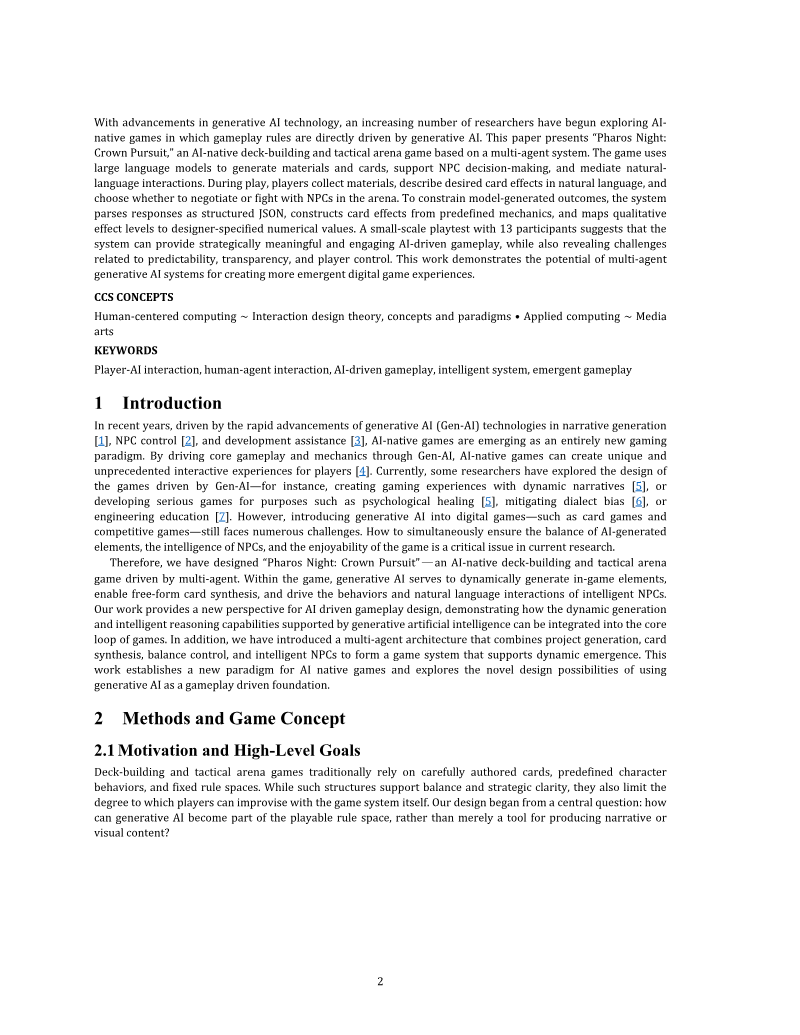
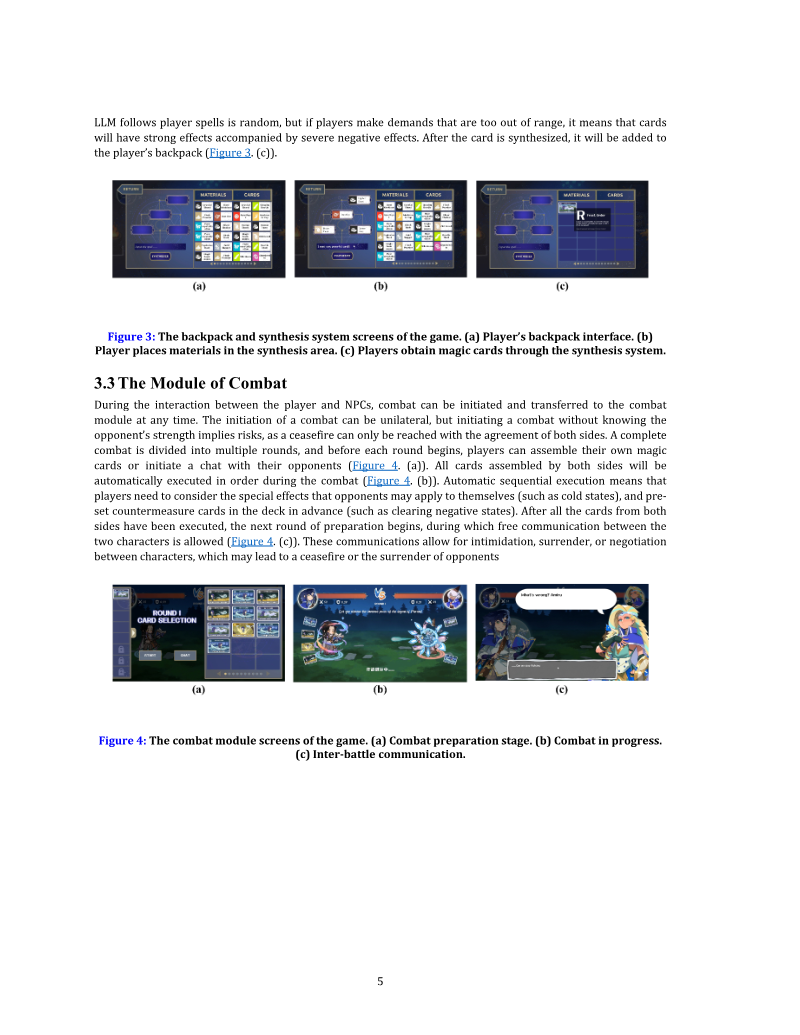
Pharos Night: Crown Pursuit: An AI-Native Deck-Building and Tactical Arena Game Design
Communication University of China · 2026

Thomas Brush
The One Thing AI Can't Put In Your Game
Thomas Brush · 2026

PocketGamer.biz
Block Blast Hit 300M Players — And Kills 95% of Ideas
PocketGamer.biz · 2026



Whitepaper
CyberYuruGu: An Interpretative Gameplay Model Grounded in African Epistemology for Explainable Cybersecurity Reasoning and Human-AI Sense-Making
European Conference on Games Based Learning (ECGBL) · 2026
Whitepaper
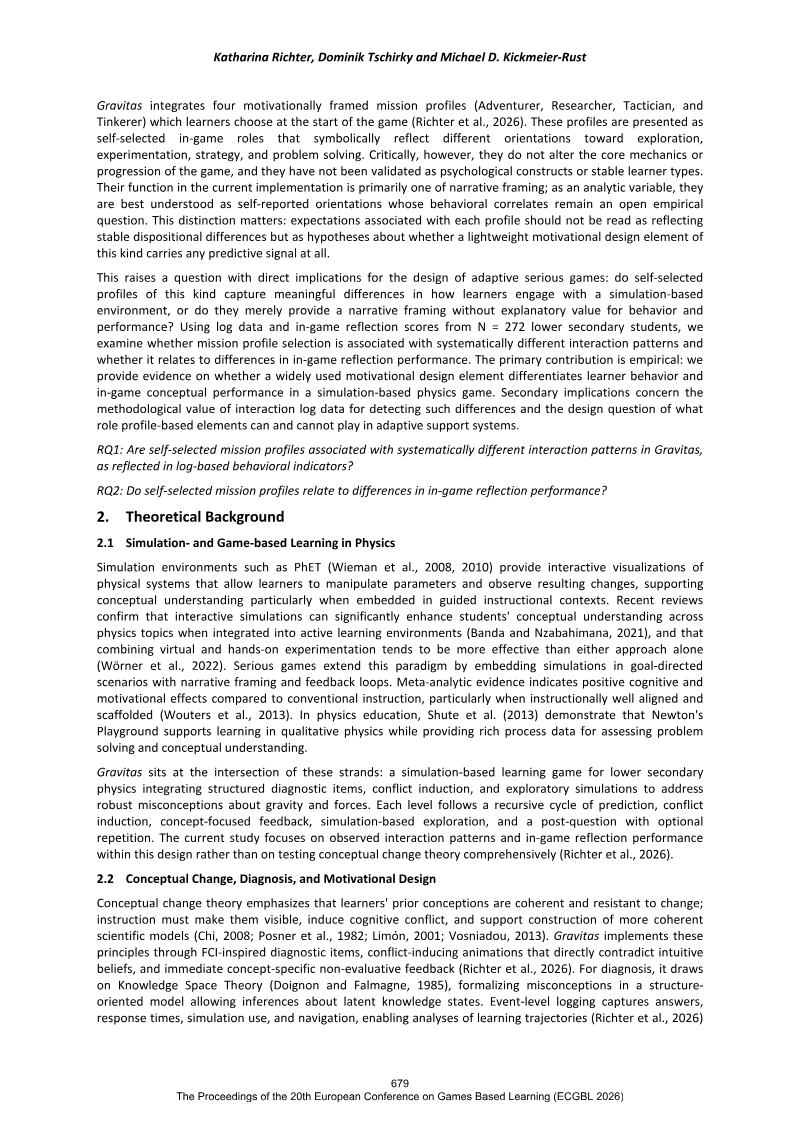
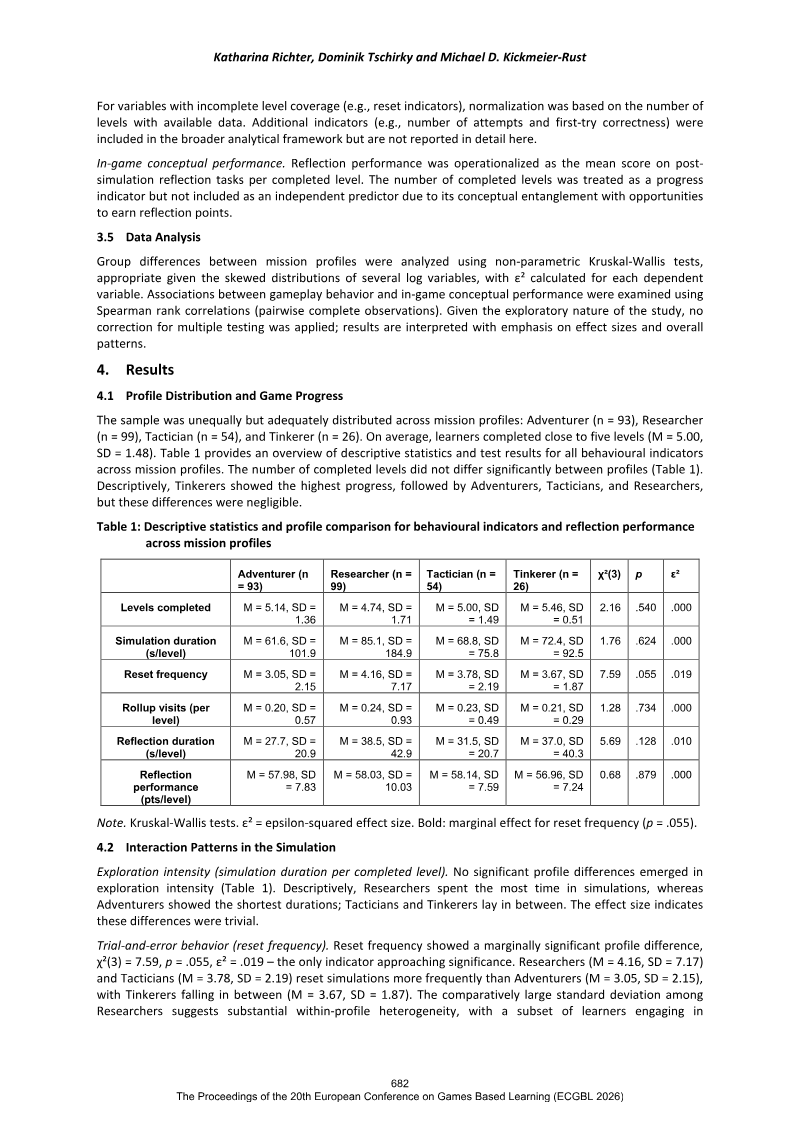
Mission Profiles and Interaction Patterns in Gravitas: Evidence from a Simulation-Based Physics Learning Game
European Conference on Games Based Learning (ECGBL) · 2026
Whitepaper
Inventory of Digital Game-Based Learning Practices for Chemistry Education: A Systematic Review
European Conference on Games Based Learning (ECGBL) · 2026



Whitepaper
Designing with Generative AI: Ethical and Creative Redesign of Visual Assets in a Statistics Game
European Conference on Games Based Learning (ECGBL) · 2026



Whitepaper
AI-Assisted Scene Synthesis in the 3D Educational Game Authoring Tool GameTULearn
European Conference on Games Based Learning (ECGBL) · 2026



Whitepaper
An Early-Stage Feasibility and Usability Pilot for an Immersive Serious Game to Support English Spelling and Semantic Skills
European Conference on Games Based Learning (ECGBL) · 2026
Whitepaper
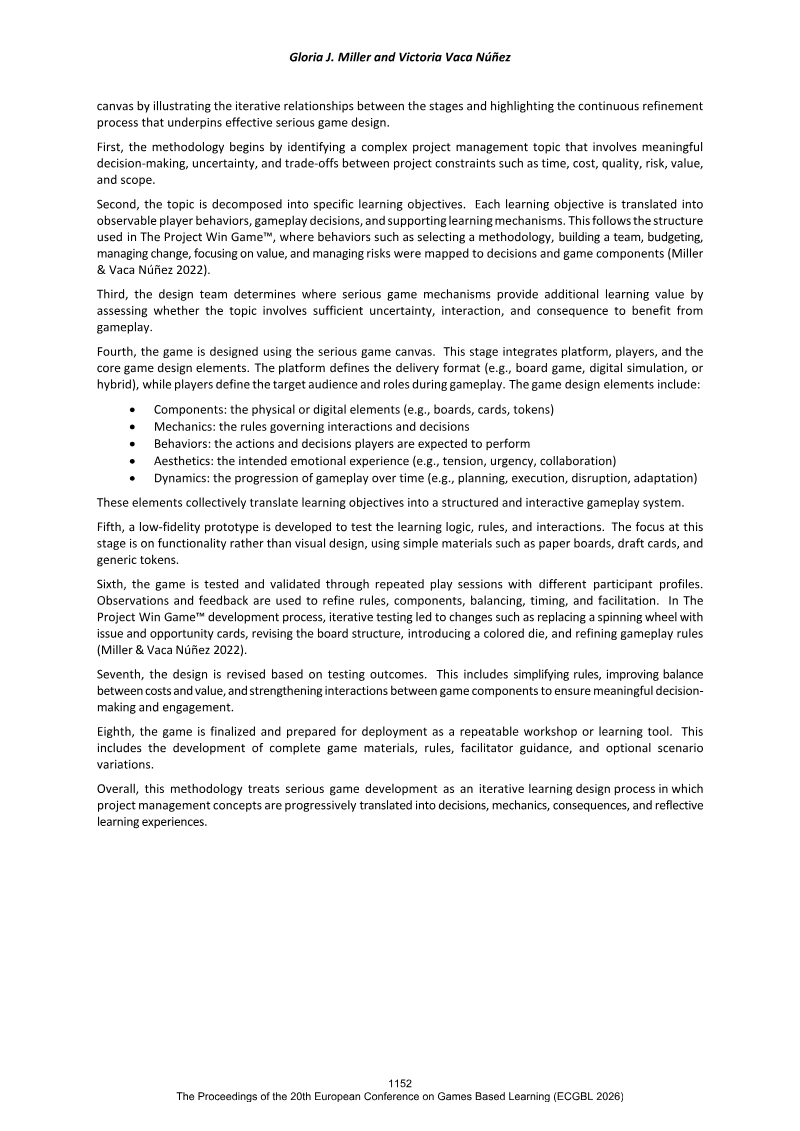
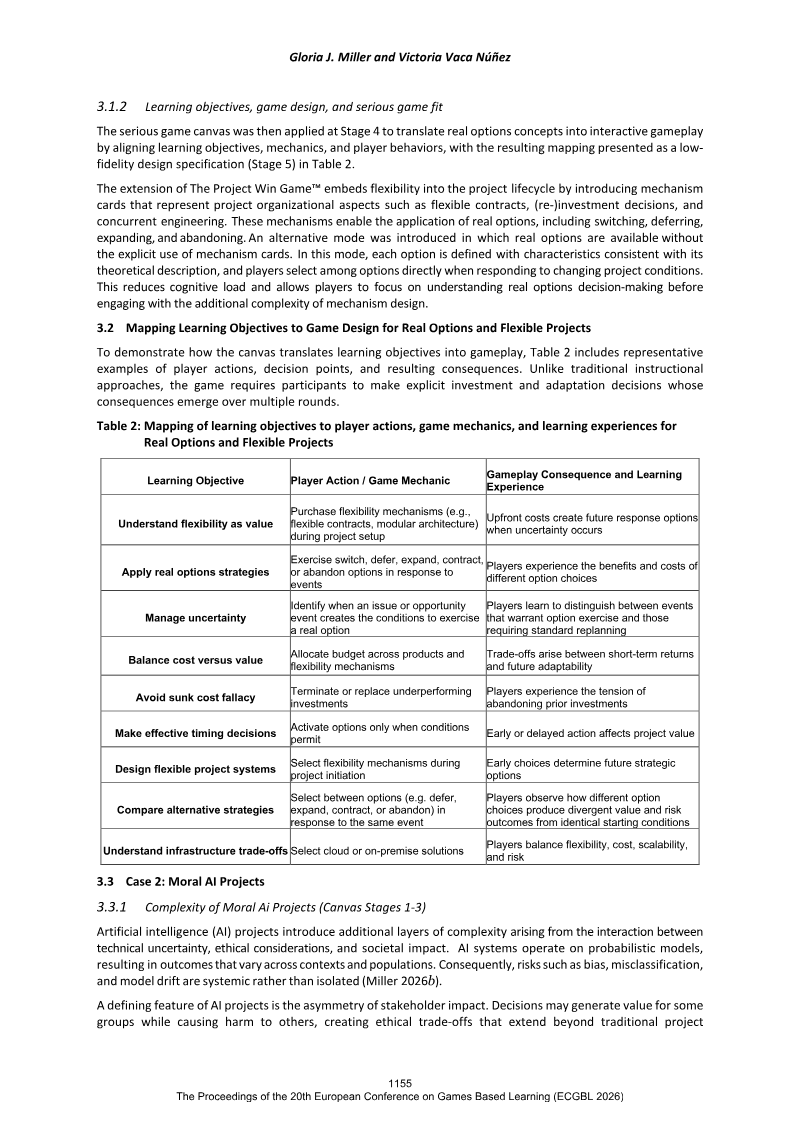
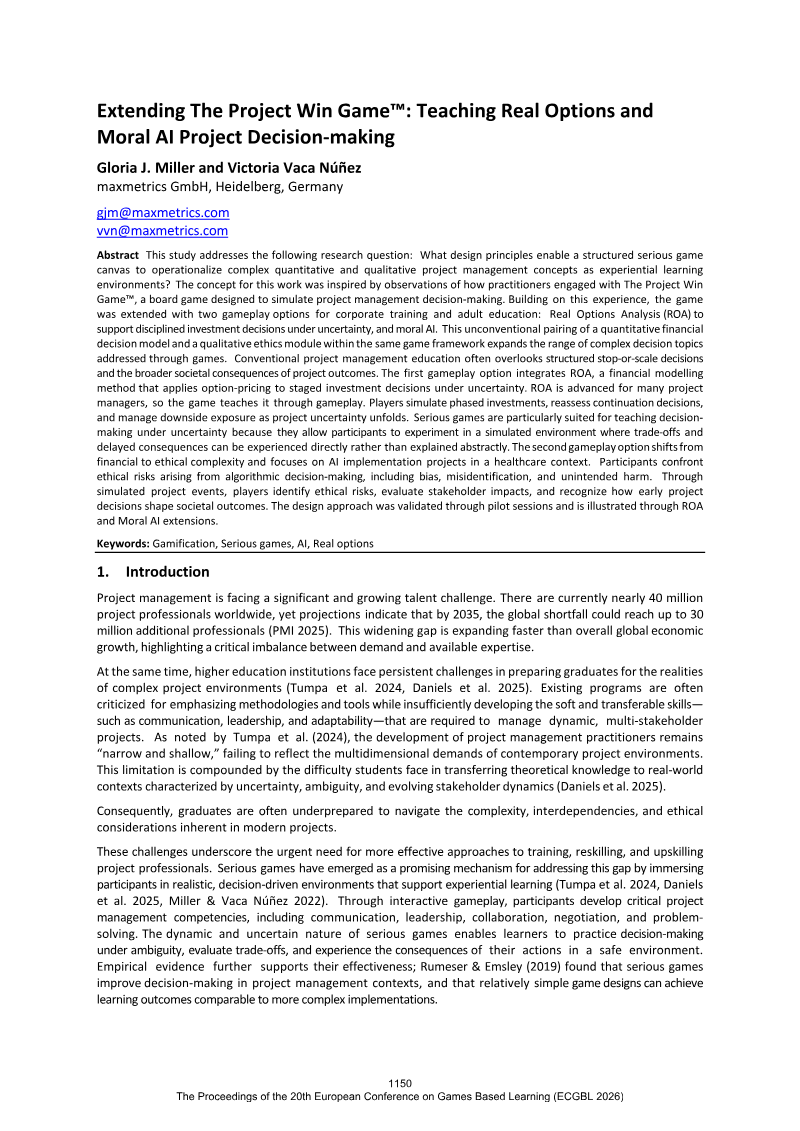
Extending The Project Win Game: Teaching Real Options and Moral AI Project Decision-making
maxmetrics · 2026



Whitepaper
Who Tells the Better Math Story? Exploring Gen AI in a Digital Algebra Game
European Conference on Games Based Learning (ECGBL) · 2026