More from Universite Paris 5
View all
More on Game Development
View all
Naavik
What Happens When AI Becomes Your Gaming Teammate
Naavik · 2026

Thomas Brush
The One Thing AI Can't Put In Your Game
Thomas Brush · 2026

PocketGamer.biz
Block Blast Hit 300M Players — And Kills 95% of Ideas
PocketGamer.biz · 2026
Whitepaper
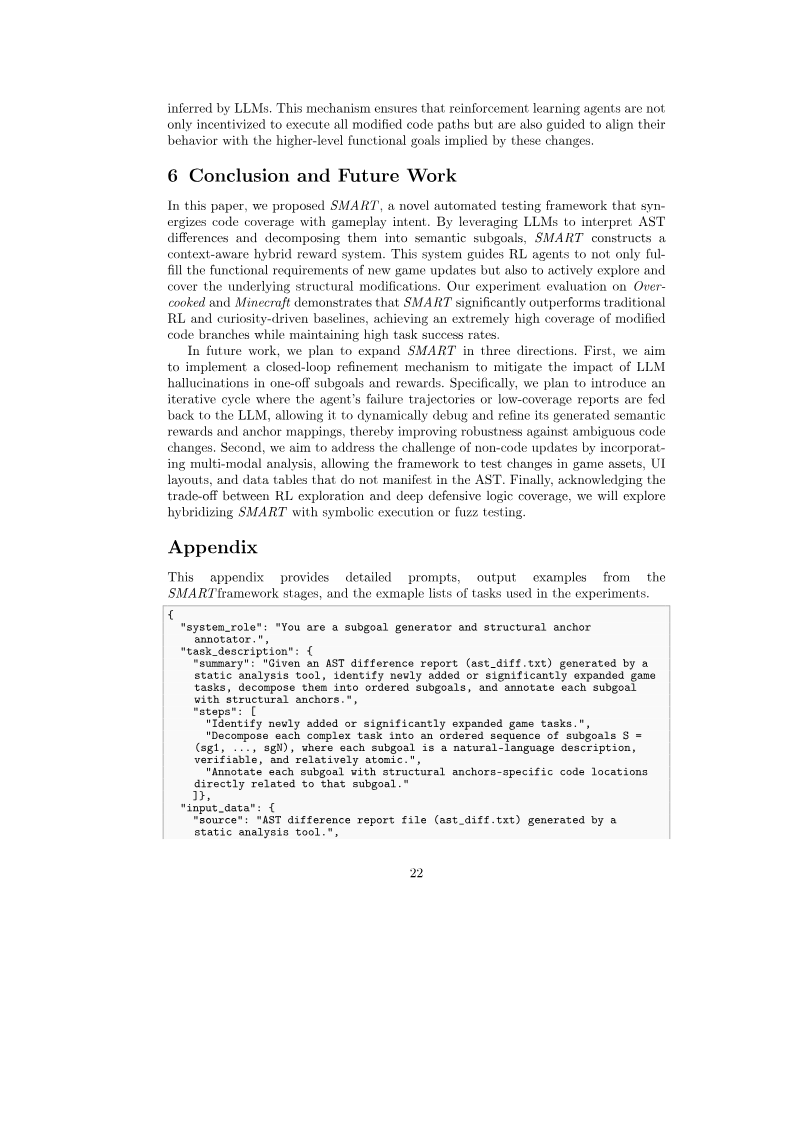
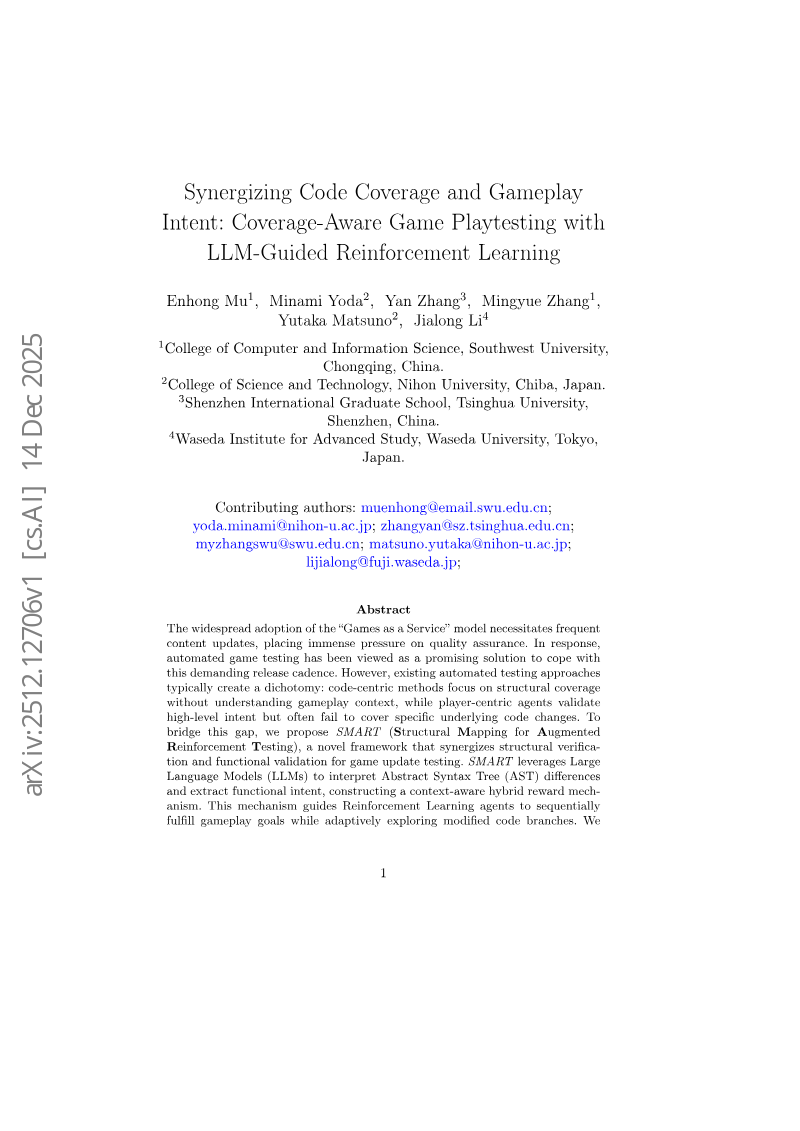
Synergizing Code Coverage and Gameplay Intent: Coverage-Aware Game Playtesting with LLM-Guided Reinforcement Learning
Southwest University · 2026
Whitepaper
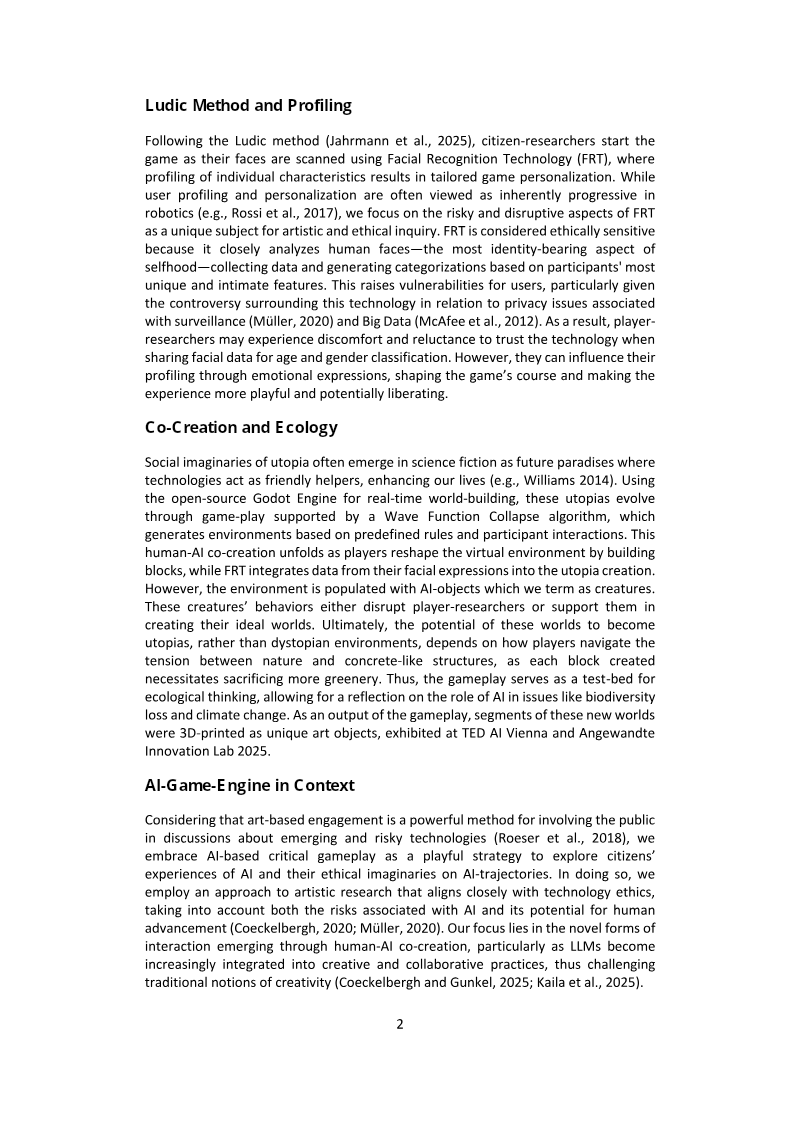
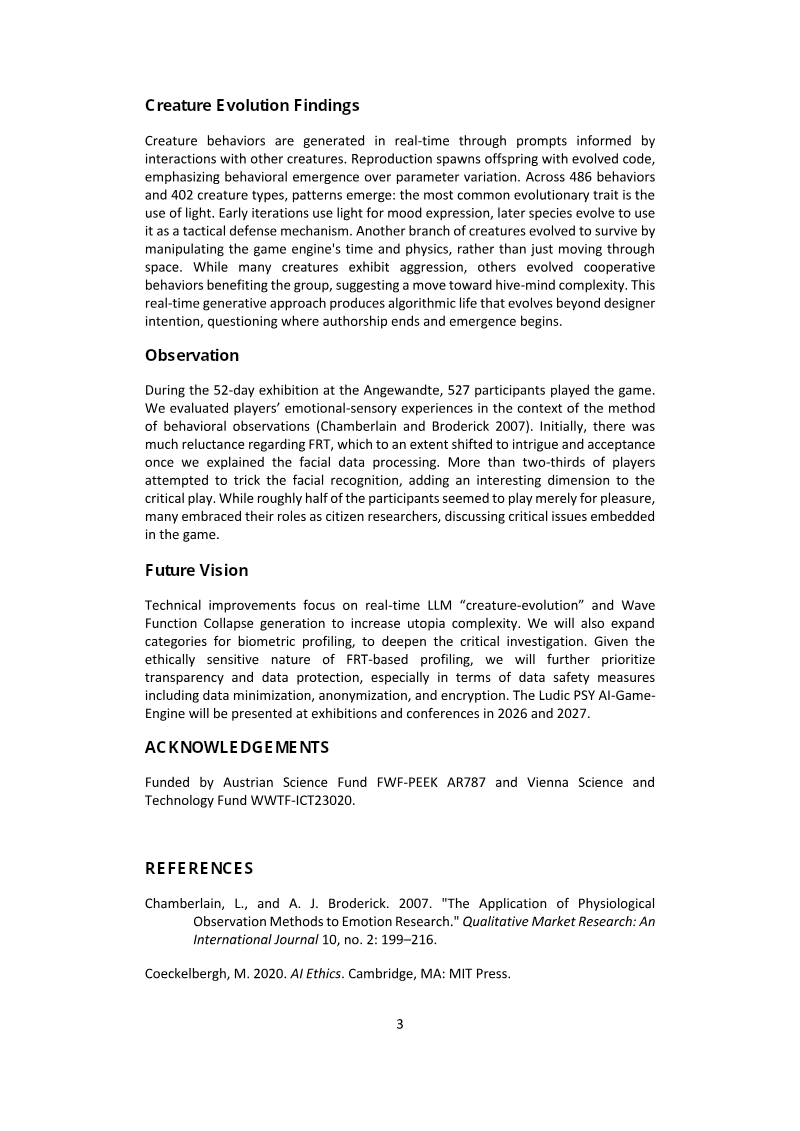
A Ludic PSY AI-Game-Engine for Utopia: Exploring Pl[AI] for a Viable Future
DiGRA · 2026



Whitepaper
Graphonauts: Introducing a Hybrid Human-AI Pipeline for Text-to-Game Transformation via Knowledge Graphs
DiGRA · 2026
Whitepaper
For the Trees: Envisioning Sustainable Futures Through Ecomodded Minecraft
DiGRA · 2026
Whitepaper
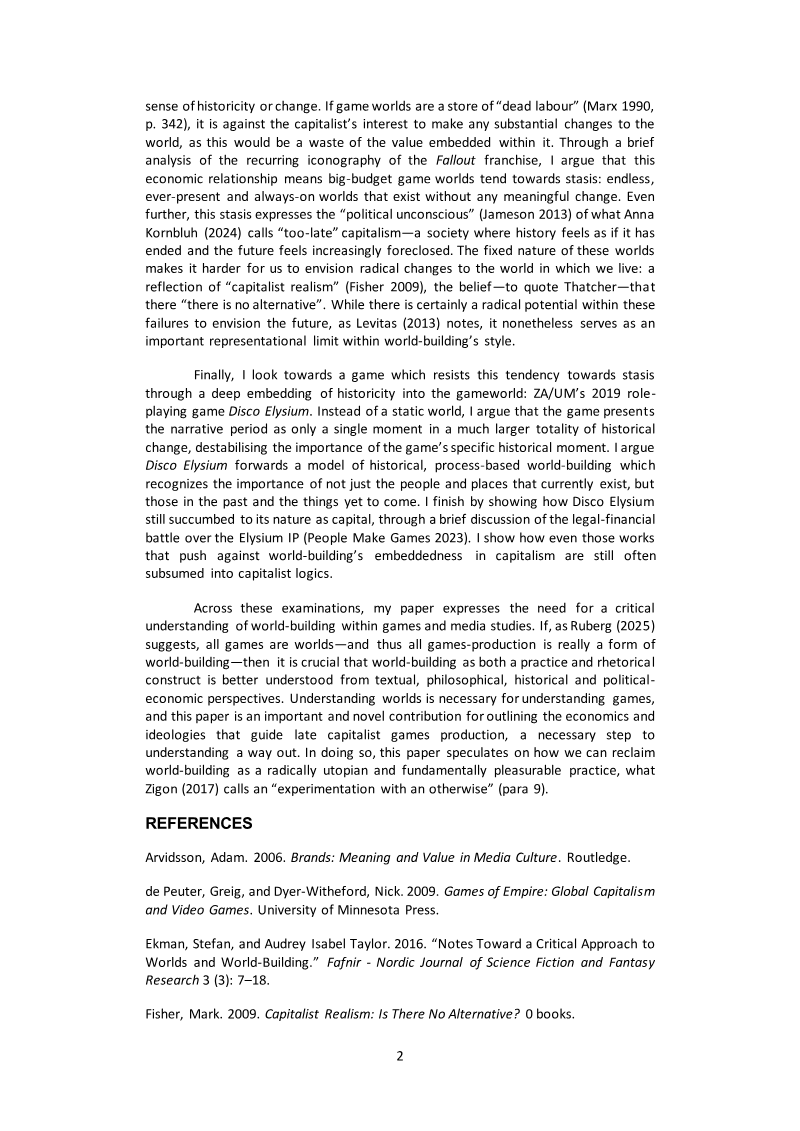
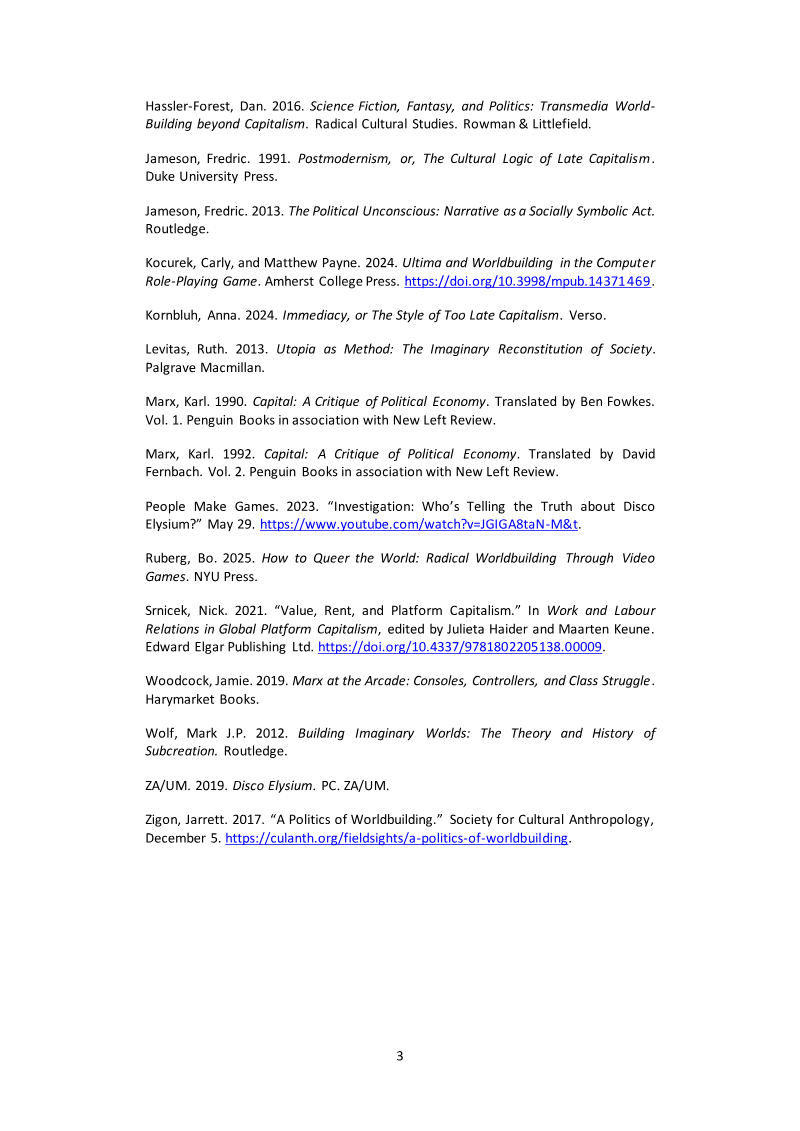
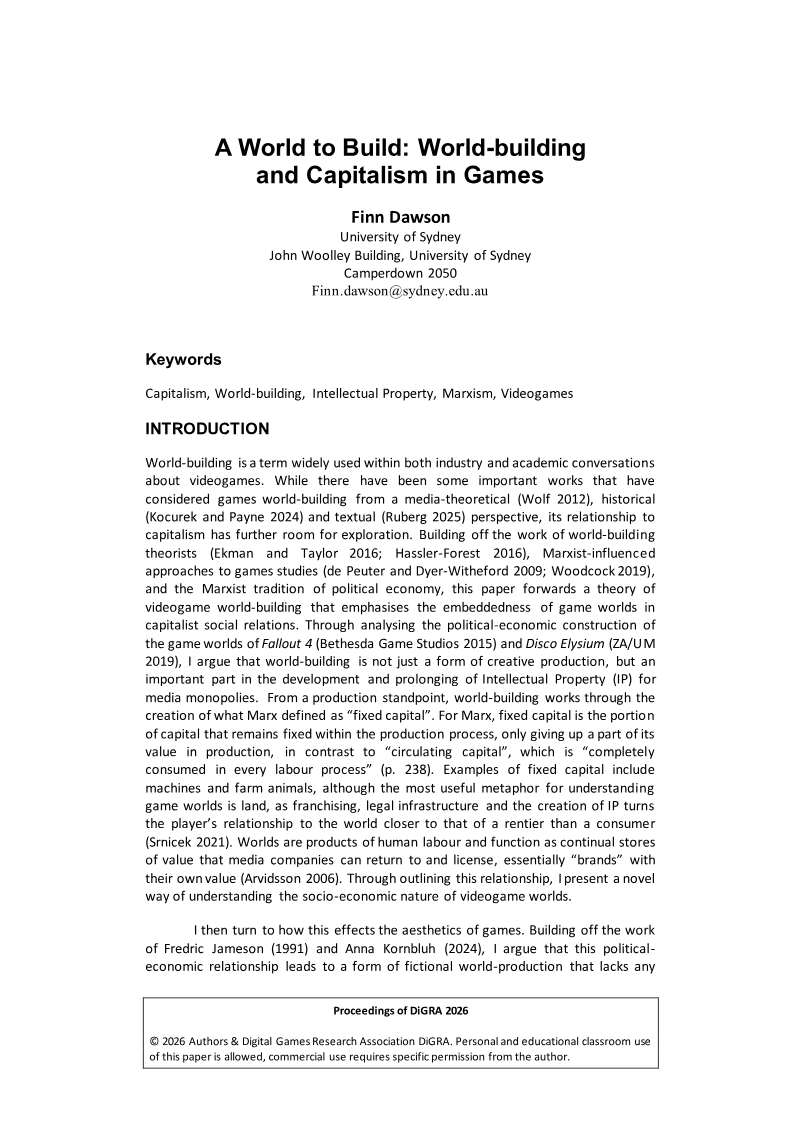
A World to Build: World-building and Capitalism in Games
DiGRA · 2026



Whitepaper
Designing Open Dialogue Systems for LLM-Based NPCs
DiGRA · 2026

PocketGamer.biz
AI Games Need Soul, Not Slop
PocketGamer.biz · 2026

Mobile Dev Memo
S07, E16: AI and video games (with Julian Togelius)
Mobile Dev Memo · 2026
Whitepaper
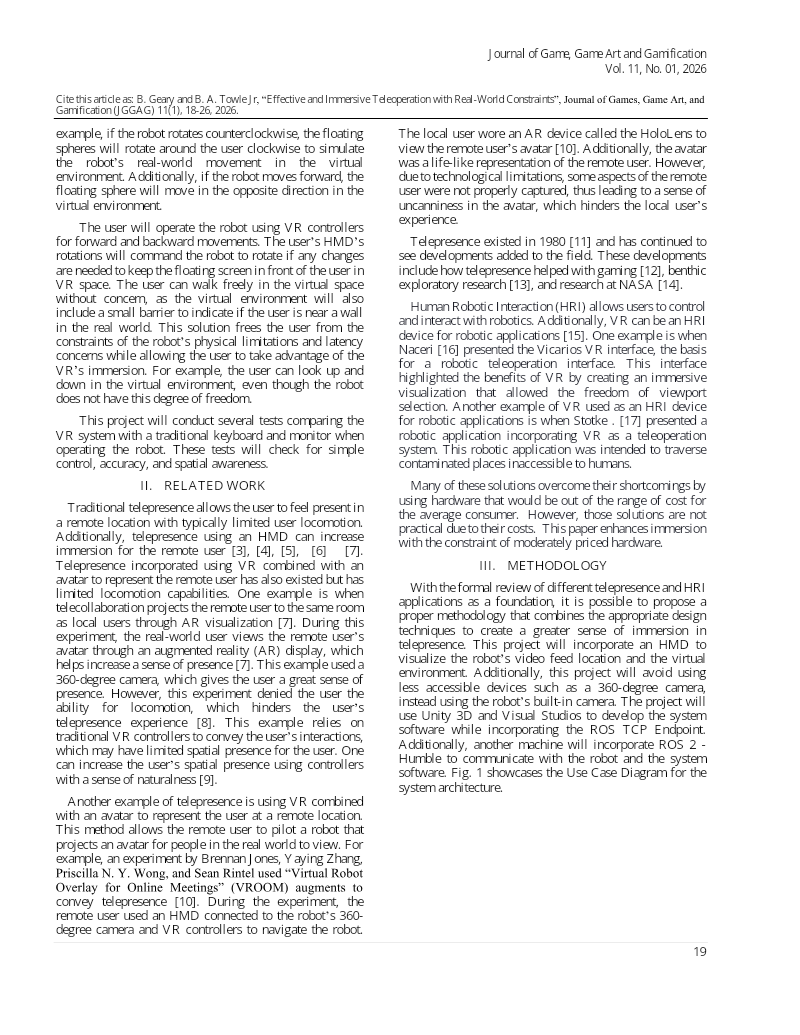
Effective and Immersive Teleoperation with Real-World Constraints
Journal of Games, Game Art, and Gamification · 2026