LegalPCF Group
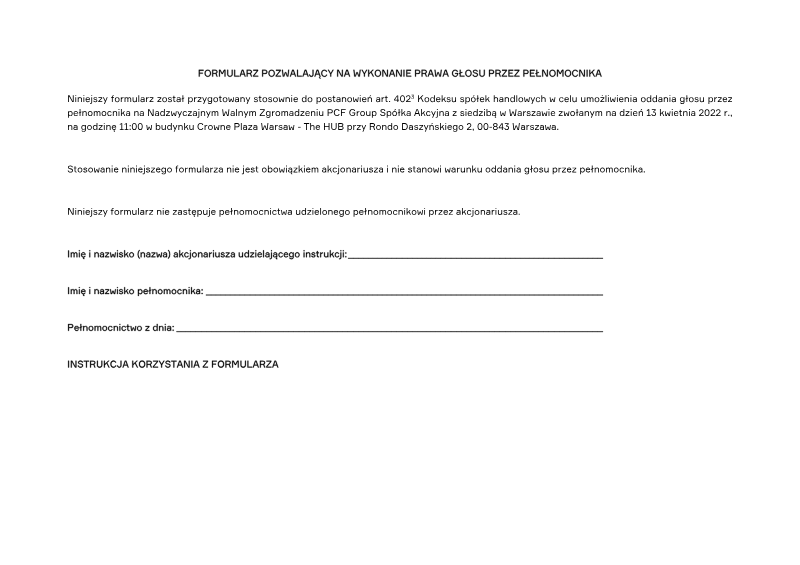
Informacja o Stanie Stosowania Dobrych Praktyk 2021
21 Apr 202218 pages~35 min full read
PCF Group S.A. demonstrates a governance strategy that balances standard public company transparency with the specific operational realities of a high-end AAA game development studio. While the firm adheres to the majority of the 2021 Best Practices for GPW Listed Companies, it intentionally diverges from several key recommendations regarding environmental, social, and governance (ESG) integration and board composition. Specifically, the company rejects formalized gender diversity quotas, such as the recommended thirty percent threshold for management and supervisory boards, opting instead for a merit-based recruitment model. Furthermore, it does not currently publish detailed ESG performance metrics, citing the relatively low environmental impact inherent to the digital entertainment industry.
Operational governance reveals a reliance on lean internal structures, which results in certain compliance gaps. The company lacks dedicated departments for internal audit and risk management, preventing the Supervisory Board from providing formalized assessments of internal controls. While the firm maintains robust investor communication and independent oversight, it does not yet offer electronic participation in general meetings or provide preliminary financial estimates. These omissions are attributed to perceived technical and legal risks, though there is a stated intent to evaluate electronic meeting capabilities in the future.
Recent adjustments indicate a move toward closer alignment with regulatory expectations. The company committed to implementing live broadcasts of general meetings and has updated its internal regulations to require supervisory review of all management board resolutions. Future incentive programs are expected to incorporate both financial and non-financial objectives, ensuring that executive compensation remains tied to long-term sustainability. Overall, the governance profile reflects a transition period for the developer as it matures within the public market while maintaining its focus on technical excellence and meritocracy over rigid administrative frameworks.
PCF Group · 2026
PCF Group · 2026
PCF Group · 2026
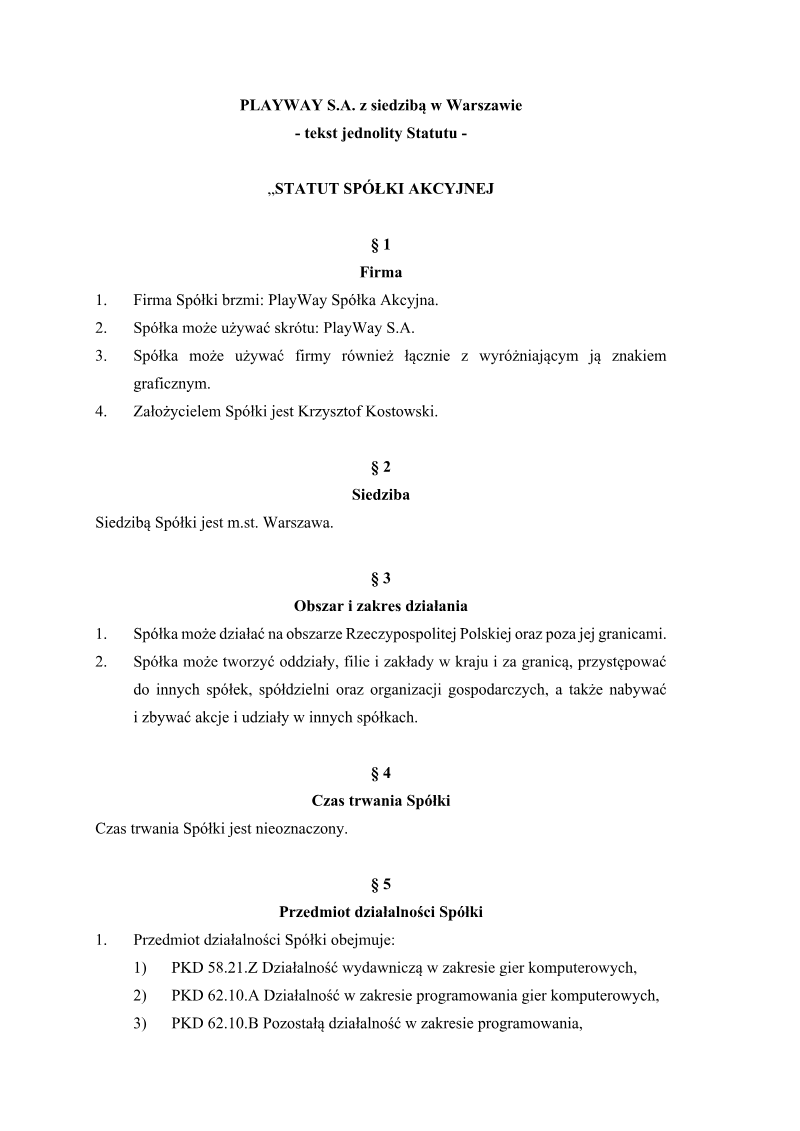
PlayWay · 2026
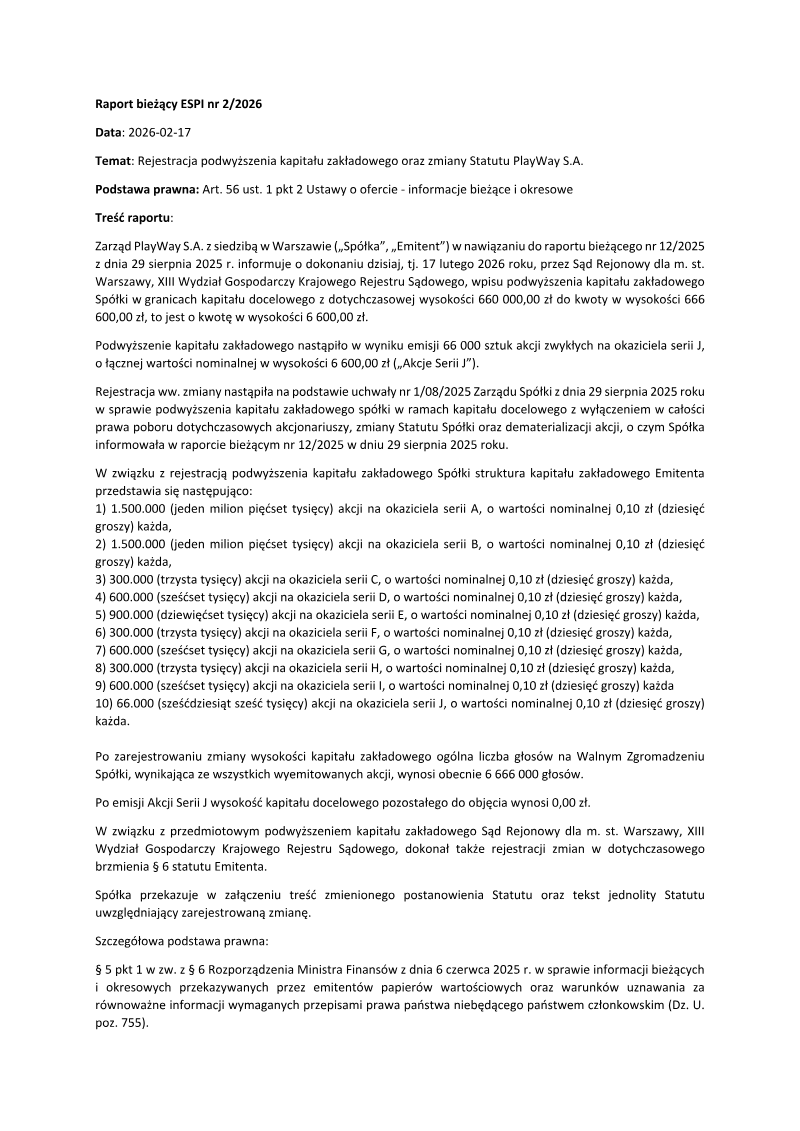
PlayWay · 2026
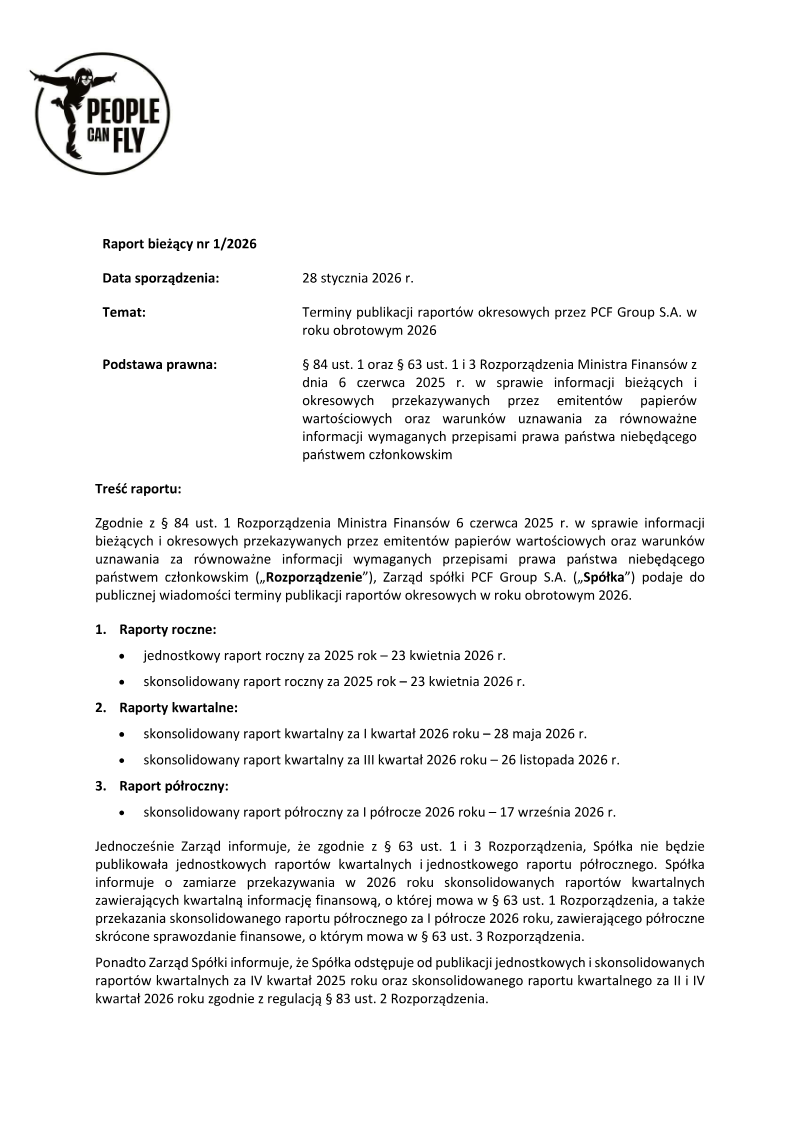
PCF Group · 2026
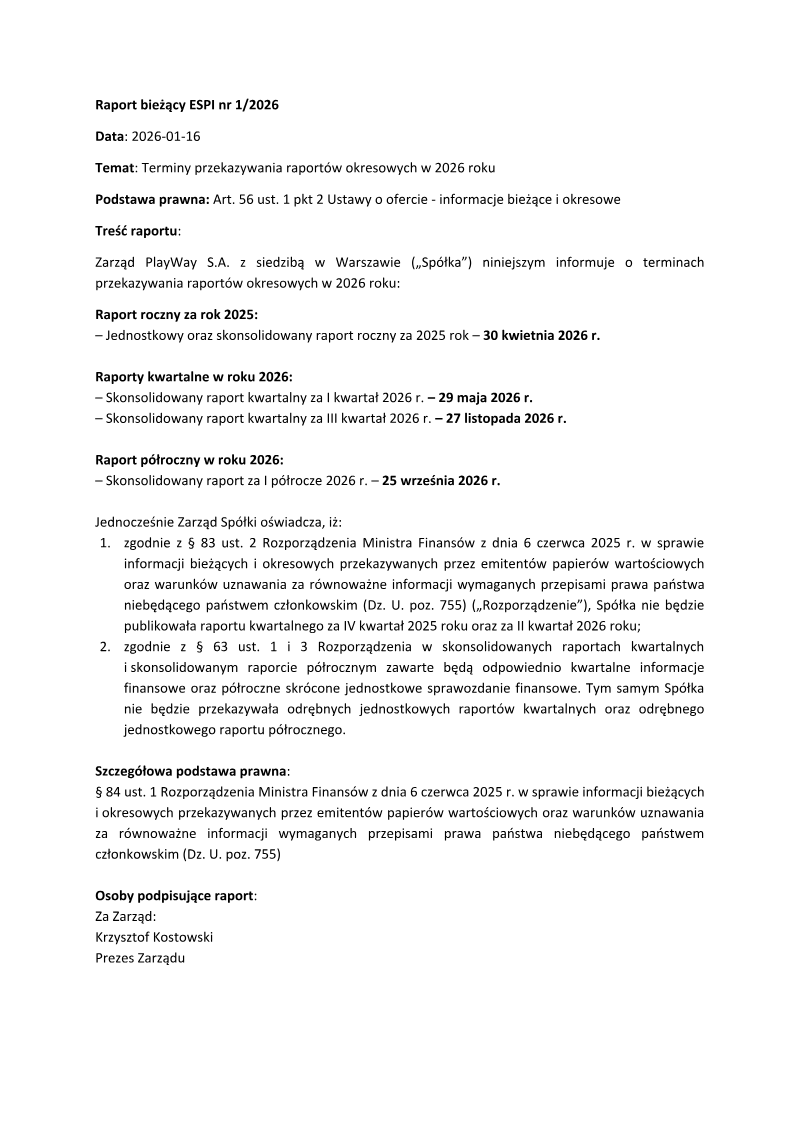
PlayWay · 2026
PCF Group · 2025
PCF Group · 2025
PCF Group · 2025
PCF Group · 2025
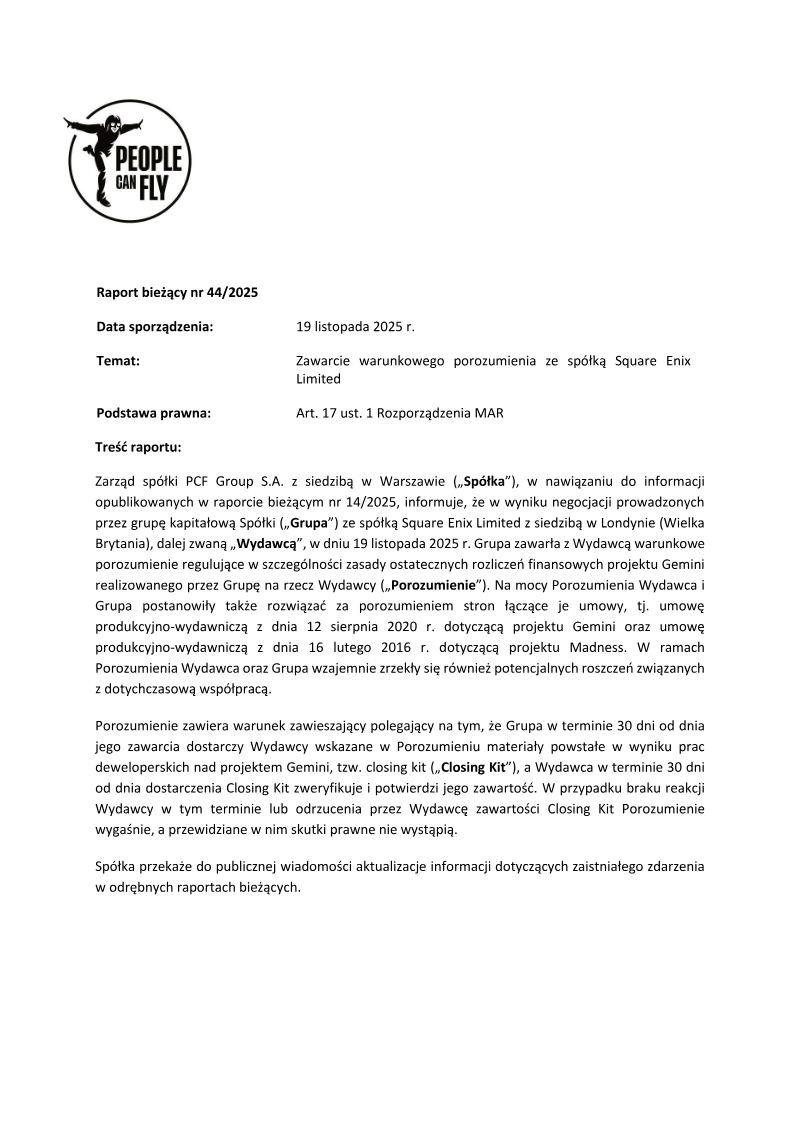
PCF Group · 2025
PCF Group · 2025
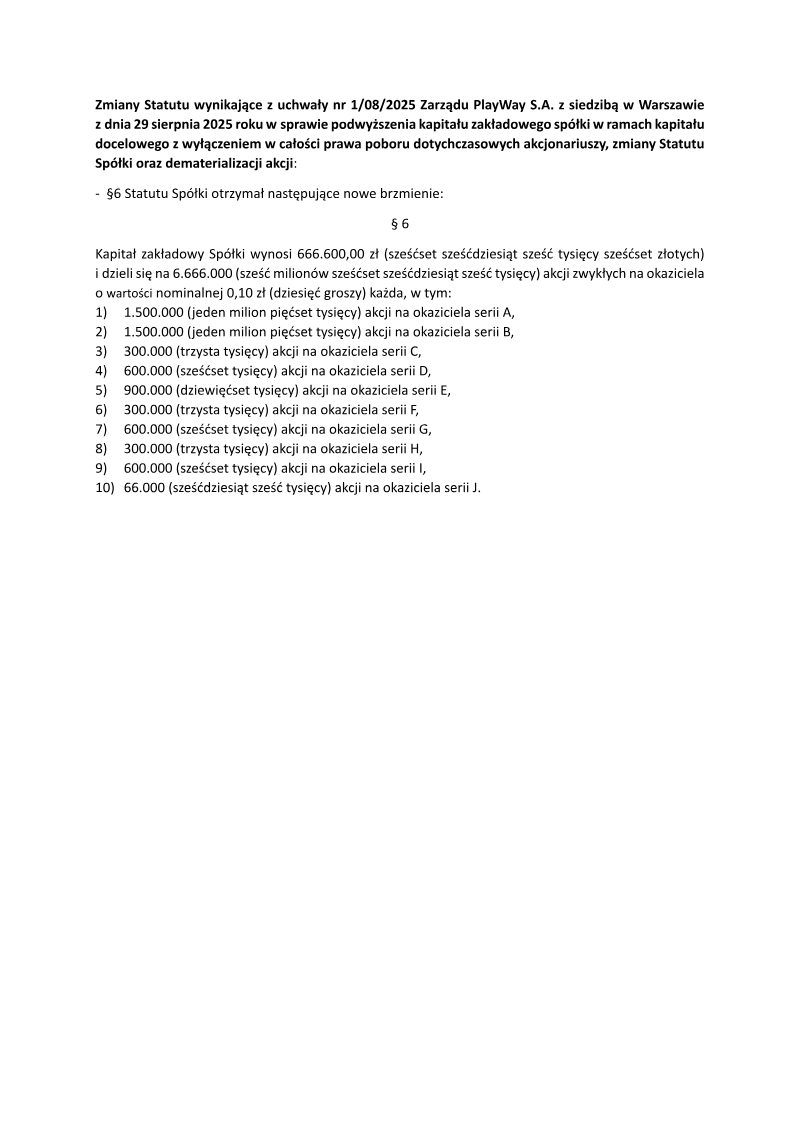
PlayWay · 2025
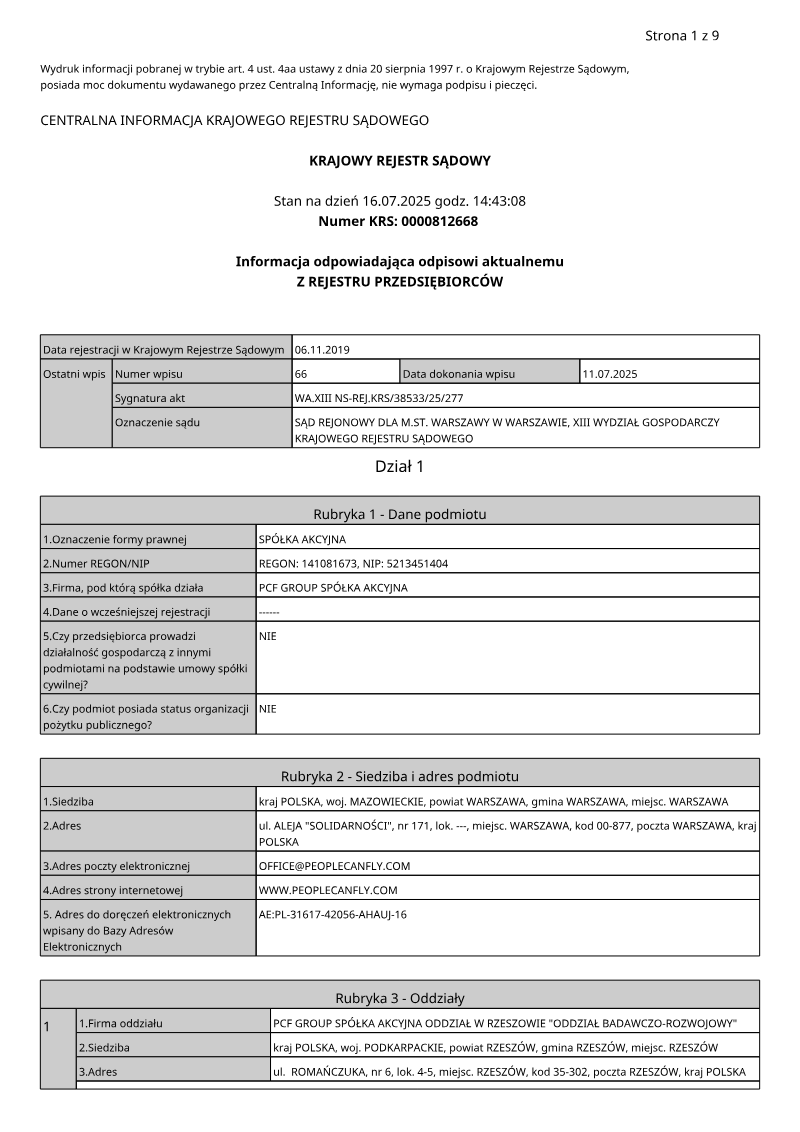
Centralna Informacja Krajowego Rejestru Sądowego · 2025
PCF Group · 2024
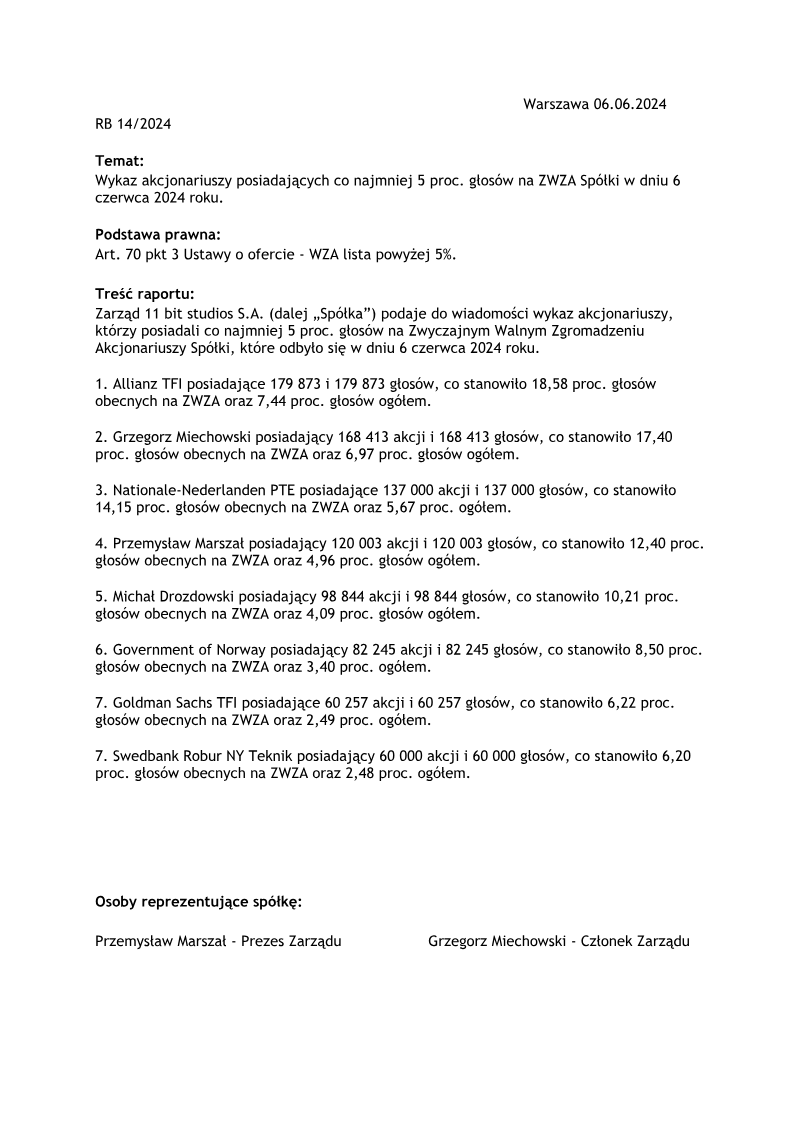
11 bit studios · 2024
PCF Group · 2024
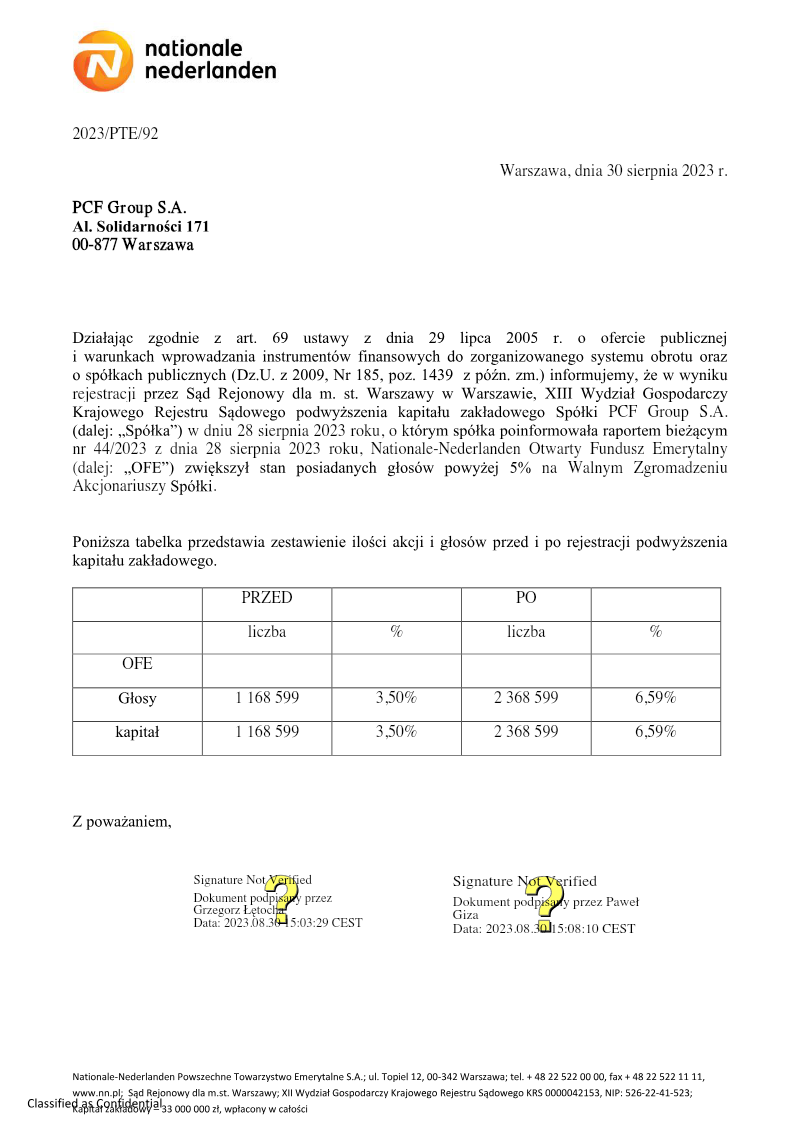
PCF Group · 2023
PCF Group · 2023
PCF Group · 2023
PCF Group · 2023
PCF Group · 2023
PCF Group · 2023